Search Results for mineral
Explore AI generated designs, images, art and prompts by top community artists and designers.
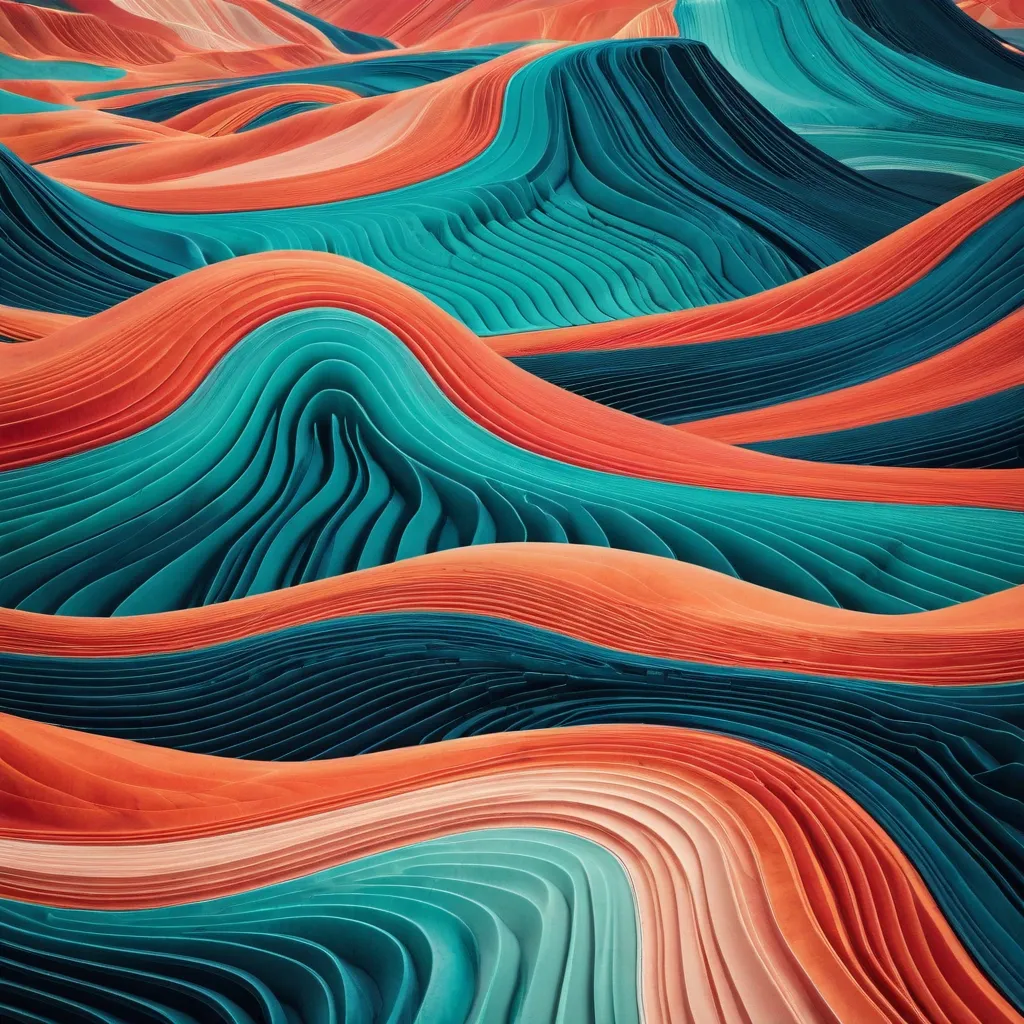

MINERAL CURRENT: Colorful mineral flows. Create a premium art poster that transforms an imaginary landscape into a vibrant , abstract world of continuous topographic contour lines , combining Eastern landscape aesthetics with modern editorial design. Construct the terrain from hundreds of long , smooth , elegant flowing lines that naturally follow its shape , elevation , and movement. The contour lines should become the actual structure of the landscape , forming soft hills , sweeping folds , flowing rifts , or interconnected mineral formations rather than simply decorating a realistic surface. Use large , recognizable landforms with strong silhouettes , layered depth , and clear visual hierarchy. Vary line density naturally , with tighter contours around curves and folds and wider spacing across calmer surfaces. Keep every line flowing in harmony with the overall composition. Apply a bold but controlled palette with strong warm and cool contrast. Combine colors such as deep indigo , cobalt blue , turquoise , coral pink , vermilion , peach orange , emerald green , and warm cream according to the chosen palette. Let colors transition smoothly along the contour lines , creating substantial color fields and harmonious gradients without random rainbow effects. Keep the landscape monumental , abstract , and highly graphic. If a scale element is specified , make it extremely small , occupying less than 1% of the image. Balance intricate linework with generous negative space to maintain strong thumbnail readability. Reserve a calm upper area for refined editorial typography. Include the main title , Chinese subtitle , and poetic tagline using elegant serif lettering , generous spacing , and a contemporary exhibition-poster aesthetic. The final artwork should feel colorful , poetic , sophisticated , and strongly line-driven , with visual impact created through continuous contours , bold color relationships , flowing terrain forms , and clean graphic composition. Avoid realistic landscape photography , rocky textures , chaotic patterns , broken strokes , excessive detail , cinematic CGI , plastic 3D surfaces , watermarks , logos , copyright text , and unnecessary decorative elements. ,
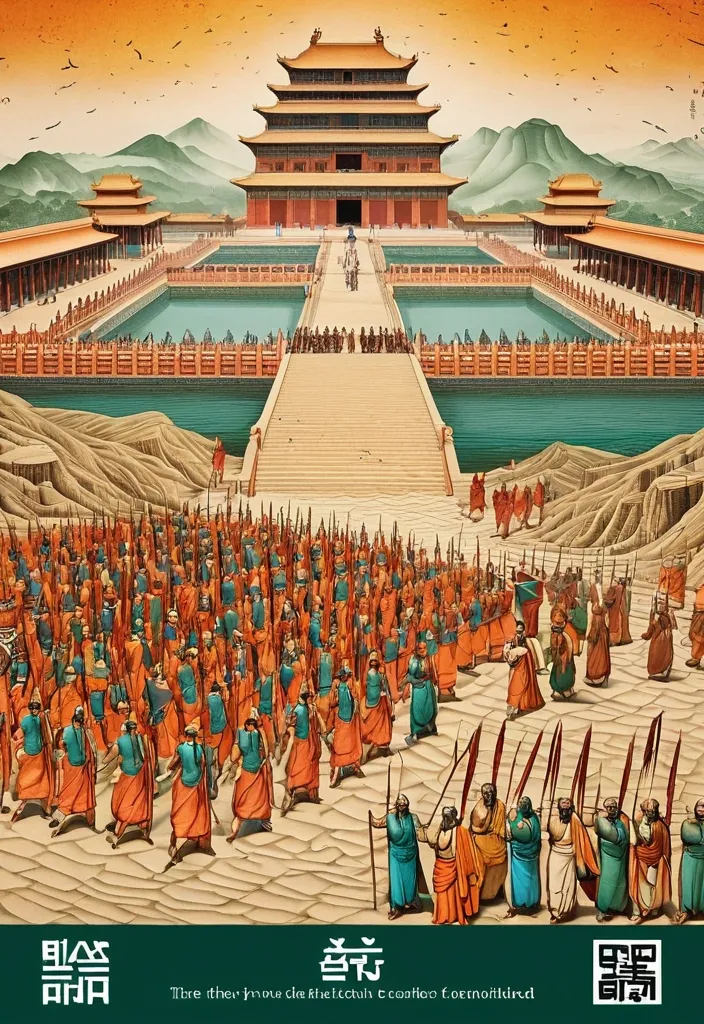
Theme: Ancient Water Conservancy Main palette: Sand path , sand , orange Structural method: another paper construction Micro scene: a tiny Walking march , performance Event details: 02 October , 05:30 am , Start Aspect ratio: 16:9 Design a historical and cultural poster with a modern Eastern editorial aesthetic , using "paper fibers + large color fields + micro-scenes" as the core visual language. Do not interpret traditional culture as stacking ancient architecture , calligraphy , auspicious clouds , or artifacts. Instead , first distill the Cultural Logic , then let large areas of handmade paper color fields directly carry structures , spaces , time , flow , order , or process relationships , so that viewers first see a strong and clear large form from afar , and only gradually discover the cultural narrative hidden within upon closer inspection. Use the dark green , sand style to establish 2–5 main paper color blocks of distinctly different sizes , maintaining low saturation but complete color intensity. All color blocks should have the authentic , rich texture of handmade paper , pulp , watercolor , or mineral pigments , with visible natural long and short fibers , pigment deposition , subtle impressions , large-scale natural color variations , and irregular torn paper edges. The overall effect should be matte , clean , and intact—avoid dirtiness , yellow spots , random speckles , cheap retro effects , or digital gradients. Based on the theme , let the color fields express the logic of system operations through folding , branching , interweaving , interlocking , offsetting , supporting , segmenting , enclosing , or negative space relationships , rather than simply serving as decorative backgrounds. Embed the Dadi march within the large color field structure , keeping figures and props at a very small scale , totaling about 3%–6% of the image area. Each scene must depict a clear action , with causal or temporal relationships between them , such as "entering → executing → recording → completing , " allowing the miniature figures to truly drive the narrative rather than just standing in poses. Figures' clothing in indian Freedom fighter style and artifacts should align with the theme's era and identity but remain restrained—avoid cinematic historical drama excess; scenes should only retain key props that illustrate systemic relationships , without cluttering with decorations or irrelevant cultural symbols. Typography should employ the editorial language of modern Eastern cultural institutions , museums , or archival exhibitions. The main title Dandi March should use refined Song typeface , publication-inspired Gujarati fonts , at a medium-small size that does not overpower the large color fields; supporting English text , dates , locations , and explanatory information should use even smaller sizes to create clear hierarchies. Subtle cinnabar seals , paper tags , archival labels , or node text may be added , but they must genuinely relate to the thematic logic—do not add them randomly just for a "Indian Freedom fighter style" feel. The overall reading order should be: large color field structures and color relationships → systemic or spatial logic → miniature figures' continuous narrative → main title and exhibition information. The final image should achieve a strong large form and visual impact from afar , revealing paper fibers , figure actions , and historical details up close , balancing design sensibility , narrative depth , and cultural completeness. Avoid book cover vibes , traditional Chinese illustration styles , screens full of ancient architecture , oversized titles , PPT-style rigid layouts , modern infographic arrows , meaningless English placeholders , element piling , commercial ad vibes , 3D CGI , glass textures , neon colors , logos , watermarks , numbering , and starburst decorations. ,
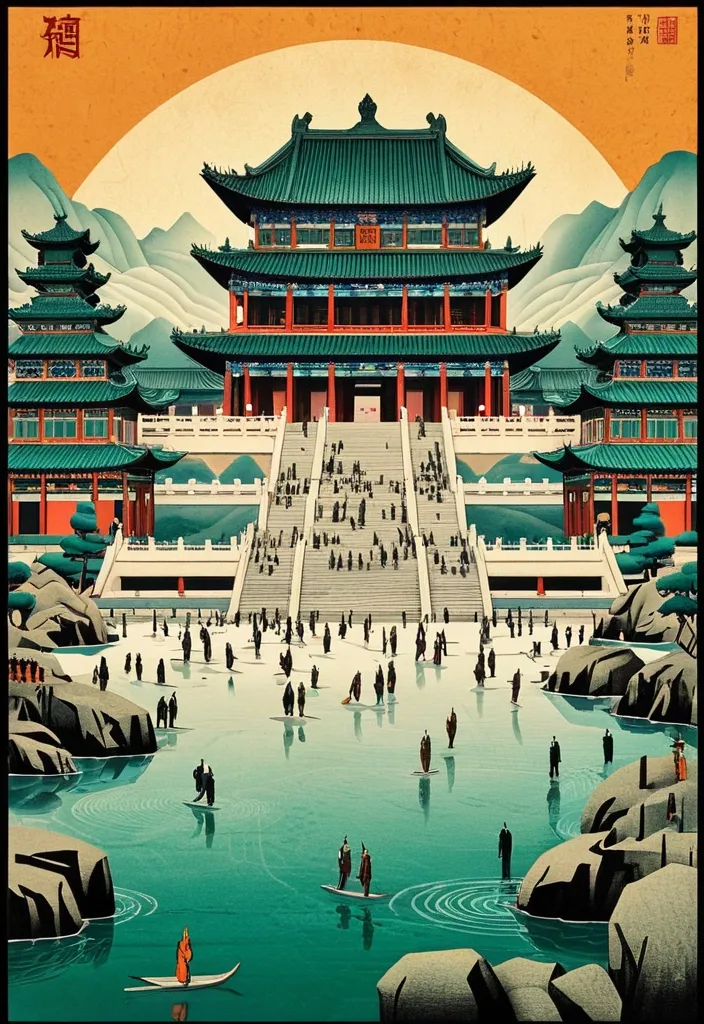
Theme: Ancient Water Conservancy Main palette: blue , dark green , orange Structural method: another paper construction Micro scene: a tiny Walking march , performance Event details: 02 October , venue , Start Aspect ratio: 9:16 Design a historical and cultural poster with a modern Eastern editorial aesthetic , using "paper fibers + large color fields + micro-scenes" as the core visual language. Do not interpret traditional culture as stacking ancient architecture , calligraphy , auspicious clouds , or artifacts. Instead , first distill the Cultural Logic , then let large areas of handmade paper color fields directly carry structures , spaces , time , flow , order , or process relationships , so that viewers first see a strong and clear large form from afar , and only gradually discover the cultural narrative hidden within upon closer inspection. Use the dark green , sand style to establish 2–5 main paper color blocks of distinctly different sizes , maintaining low saturation but complete color intensity. All color blocks should have the authentic , rich texture of handmade paper , pulp , watercolor , or mineral pigments , with visible natural long and short fibers , pigment deposition , subtle impressions , large-scale natural color variations , and irregular torn paper edges. The overall effect should be matte , clean , and intact—avoid dirtiness , yellow spots , random speckles , cheap retro effects , or digital gradients. Based on the theme , let the color fields express the logic of system operations through folding , branching , interweaving , interlocking , offsetting , supporting , segmenting , enclosing , or negative space relationships , rather than simply serving as decorative backgrounds. Embed the Dadi march within the large color field structure , keeping figures and props at a very small scale , totaling about 3%–6% of the image area. Each scene must depict a clear action , with causal or temporal relationships between them , such as "entering → executing → recording → completing , " allowing the miniature figures to truly drive the narrative rather than just standing in poses. Figures' clothing and artifacts should align with the theme's era and identity but remain restrained—avoid cinematic historical drama excess; scenes should only retain key props that illustrate systemic relationships , without cluttering with decorations or irrelevant cultural symbols. Typography should employ the editorial language of modern Eastern cultural institutions , museums , or archival exhibitions. The main title [Main Title] should use refined Song typeface , Ming-style , or publication-inspired Chinese fonts , at a medium-small size that does not overpower the large color fields; supporting English text , dates , locations , and explanatory information should use even smaller sizes to create clear hierarchies. Subtle cinnabar seals , paper tags , archival labels , or node text may be added , but they must genuinely relate to the thematic logic—do not add them randomly just for a "Chinese style" feel. The overall reading order should be: large color field structures and color relationships → systemic or spatial logic → miniature figures' continuous narrative → main title and exhibition information. The final image should achieve a strong large form and visual impact from afar , revealing paper fibers , figure actions , and historical details up close , balancing design sensibility , narrative depth , and cultural completeness. Avoid book cover vibes , traditional Chinese illustration styles , screens full of ancient architecture , oversized titles , PPT-style rigid layouts , modern infographic arrows , meaningless English placeholders , element piling , commercial ad vibes , 3D CGI , glass textures , neon colors , logos , watermarks , numbering , and starburst decorations. ,
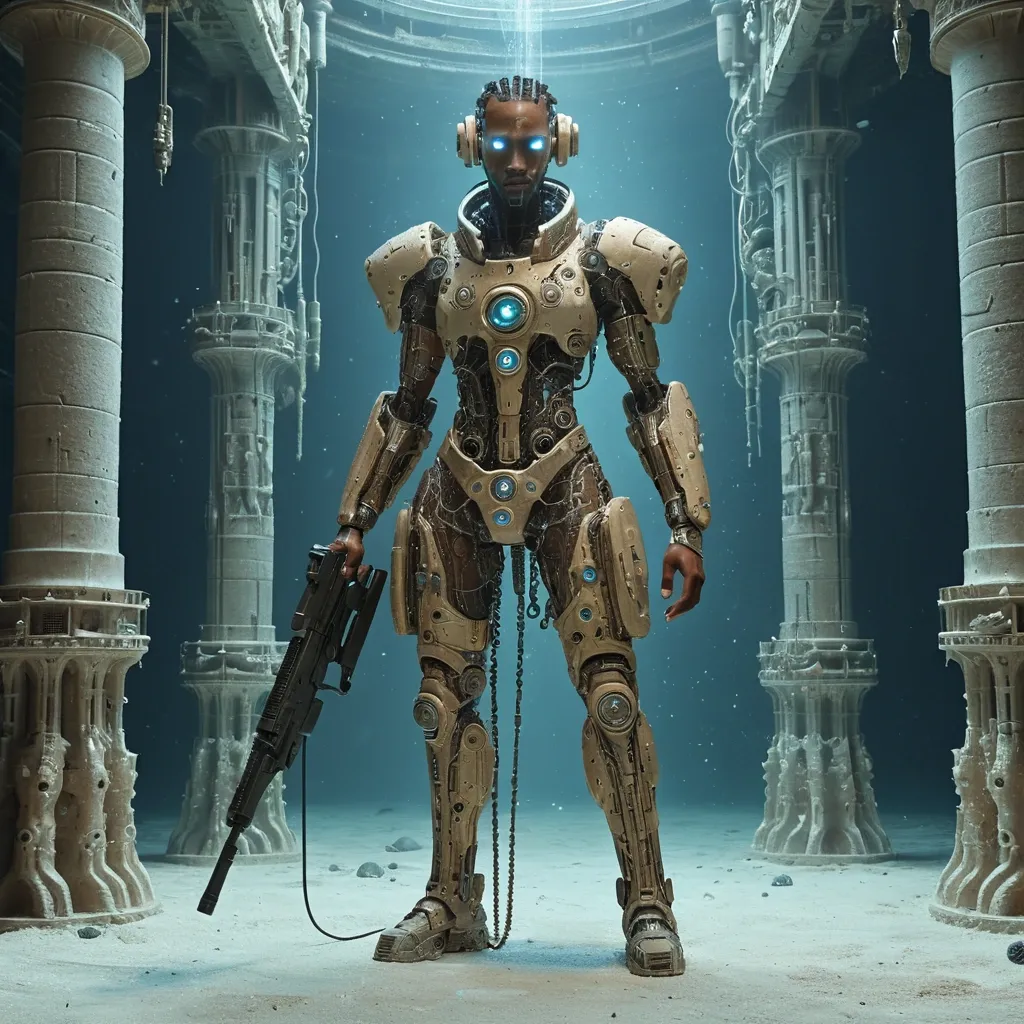
A full body of male android , head shaped like a seahorse-face. her human face features smooth light brown skin , holding cyberpunk heavy flatlining machine gun. the rest of his head , neck , and upper torso consists of a complex system of tiny , organically arranged circular ocean forms , seashell-like textures , and delicate dandelion-seed patterns , and mechanical elements. two thin metallic chains hang from the chin area. the background is a neutral , vast underwater nave carved from living salt columns catching a single shaft of daylight from a distant opening far above salt cathedral mineral light reverence realistic salt stone cloth and dust texture cinematic lighting strong central underwater nave highly detailed striking composition. Ratio 9:16. ,
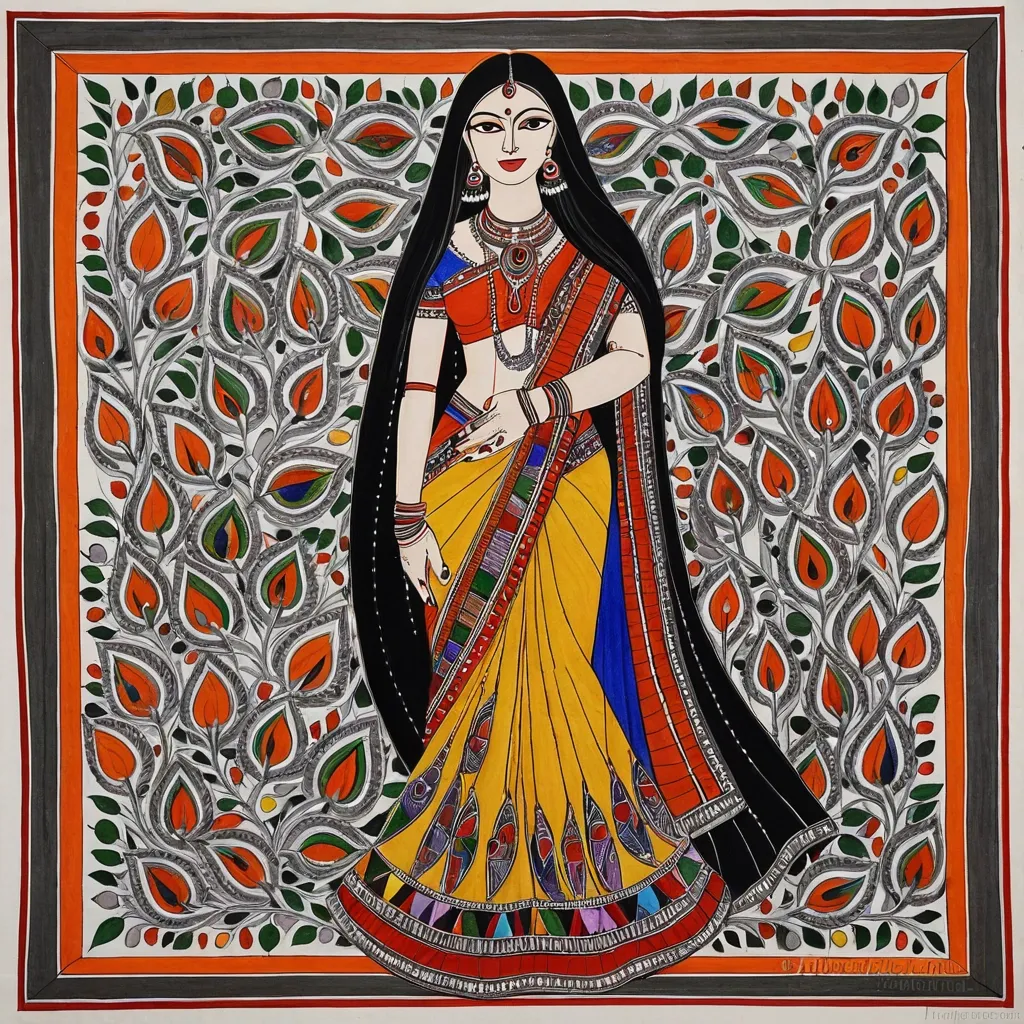
A traditional Madhubani art paintings of mature Indian woman in a sleek , with long , flowing black hair , draped in a vibrant traditional Saree. The image captures her standing elegantly. The overall aesthetic conveys the refined , fluid , cohesive , and professional quality of traditional Madhubani art paintings with heavy mineral pigments on paper. ,
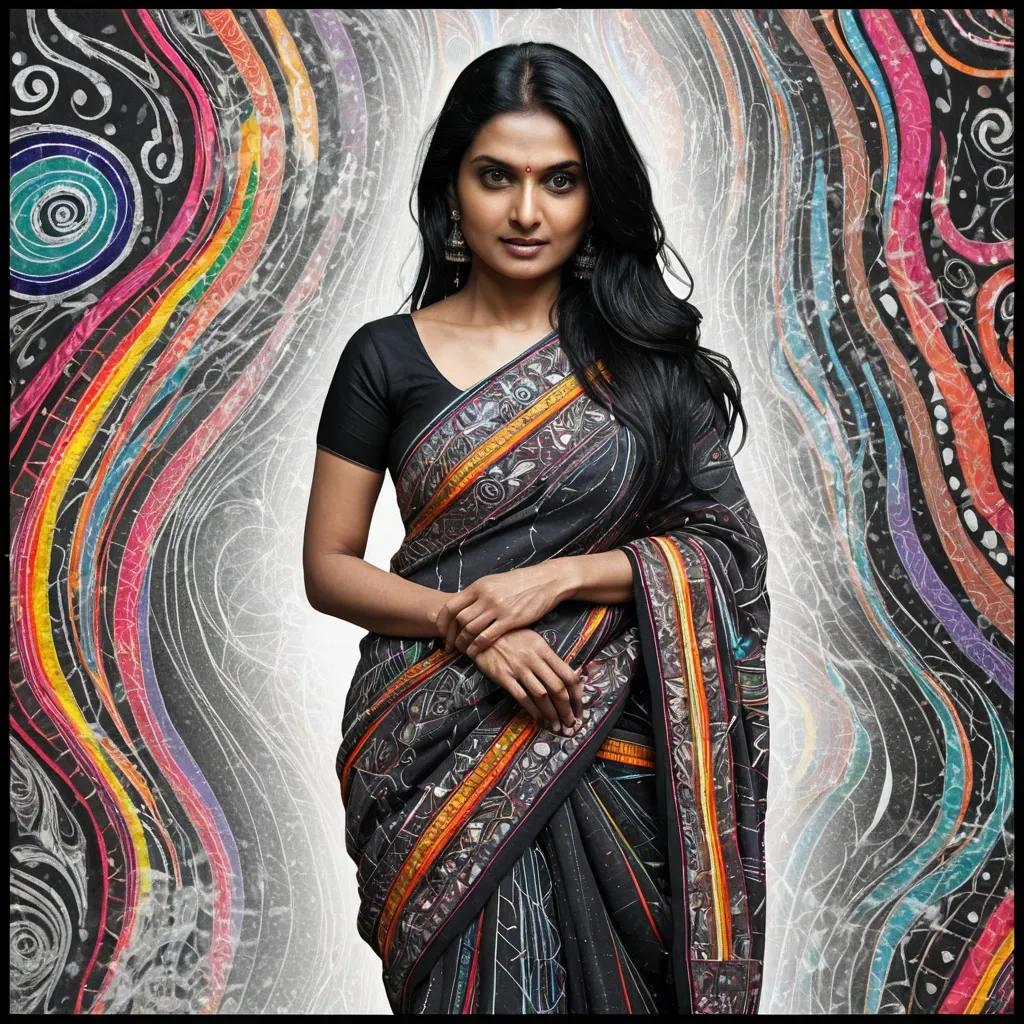
A mature Indian woman in a sleek , with long , flowing black hair , draped in a vibrant traditional Saree. The image captures her standing elegantly , the Saree's fabric intricately patterned and flowing around her. The overall aesthetic conveys the refined , fluid , cohesive , and professional quality of traditional Madhubani art with heavy mineral pigments on paper. Avoid: broken or fragmented lines , micro-fragmented textures , frizzy hair details , shattered cloud patterns , mottled coloring , faded or distressed effects , modern neon , 3D CG , screen-filling special effects , cluttered backgrounds , and large , modern poster-style headlines. ,
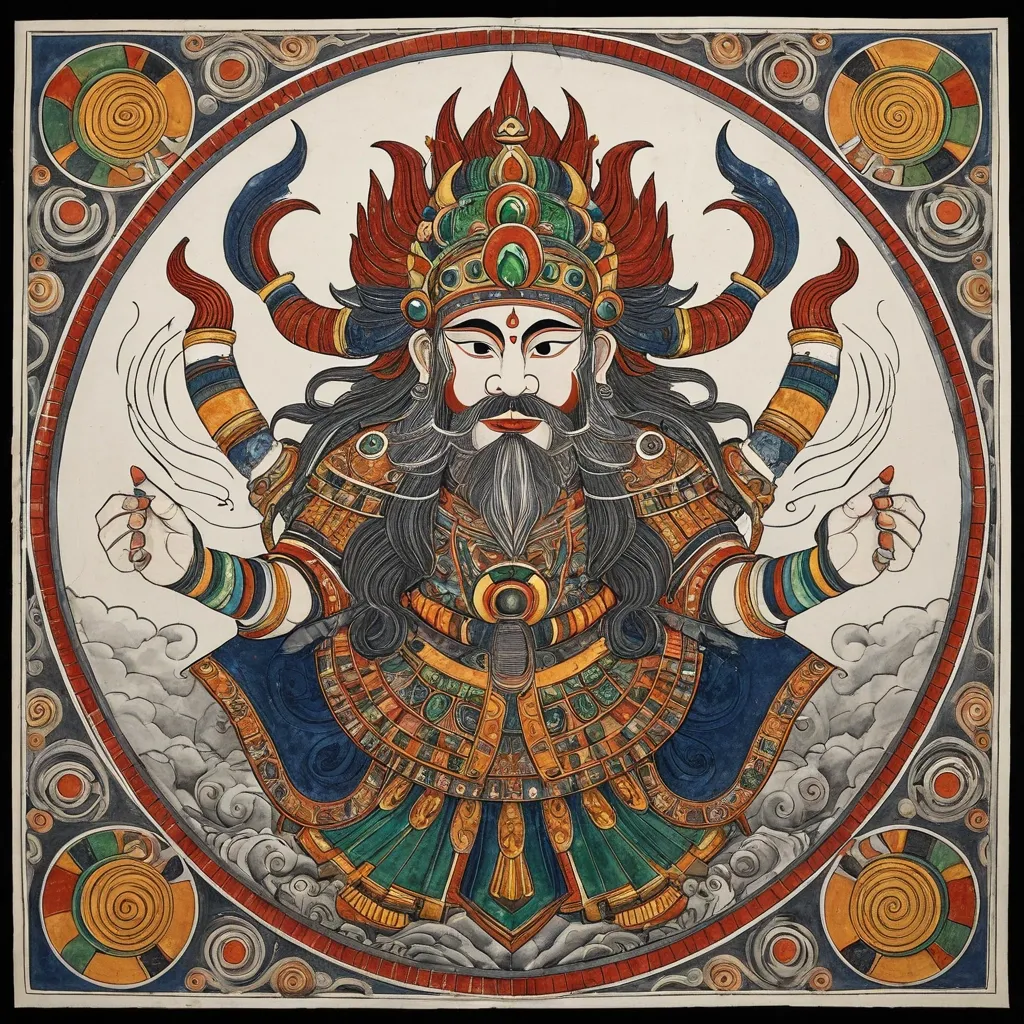
Generate an illustration of an Eastern deity in the style of Madhubani art sacred art , centering on the Zhong Kui and incorporating the Fire-Tipped Spear and Divine Beast to create a cohesive composition. Elements such as artifacts , wings , ghosts , ribbons , clouds , or divine manifestations must not serve merely as decoration; instead , they must collectively form clear structural patterns—such as diagonals , circles , S-curves , radial lines , or frontal subjugation poses—to imbue the image with a distinct sense of dynamic momentum (*shi*). The overall style should blend the aesthetics of traditional deity paintings , *Gongbi* heavy-color painting , *Baimiao* (fine-line drawing) , and ancient illustrated scrolls. The figure should appear solemn , divine , and imposing , avoiding the look of modern idols or game CG characters. Attire should follow traditional systems of divine robes , armor , and headdresses , incorporating continuous patterns such as cloud , thunder , scale , beast-face , meander (Greek key) , and scrolling vine motifs. Prioritize highly continuous Madhubani art line work: render hair , beards , and the fur or feathers of divine beasts with smooth , long lines that follow natural flow; depict clouds , garment hems , and ribbons using unbroken S-curves and C-curves; ensure that patterns on armor , crowns , and clothing are structurally complete and continuously closed. Minimize fragmented textures; avoid random short strokes , dense broken lines , jagged hair edges , or noise-like etching patterns. The color palette employs uniform , rich , and continuous traditional heavy mineral pigments. Centered around a core tone , it incorporates azurite blue , malachite green , ink-blue , antique gold , copper gold , cinnabar , ochre red , and ivory white. While low in saturation , the colors maintain high pigment density and transition naturally and smoothly along the forms; the finish should be free of mottling , fading , stains , graininess , or artificial distressing. The background features clean , warm-toned ivory *xuan* paper with extensive negative space , accented only by minimal continuous-line cloud motifs , vertical inscriptions , and cinnabar seals. The composition balances high information density in the subject matter with low density in the background. The overall aesthetic conveys the refined , fluid , cohesive , and professional quality of traditional Madhubani art painting with heavy mineral pigments on paper. Avoid: broken or fragmented lines , micro-fragmented textures , frizzy hair details , shattered cloud patterns , mottled coloring , faded or distressed effects , modern neon , 3D CG , screen-filling special effects , cluttered backgrounds , and large , modern poster-style headlines. ,
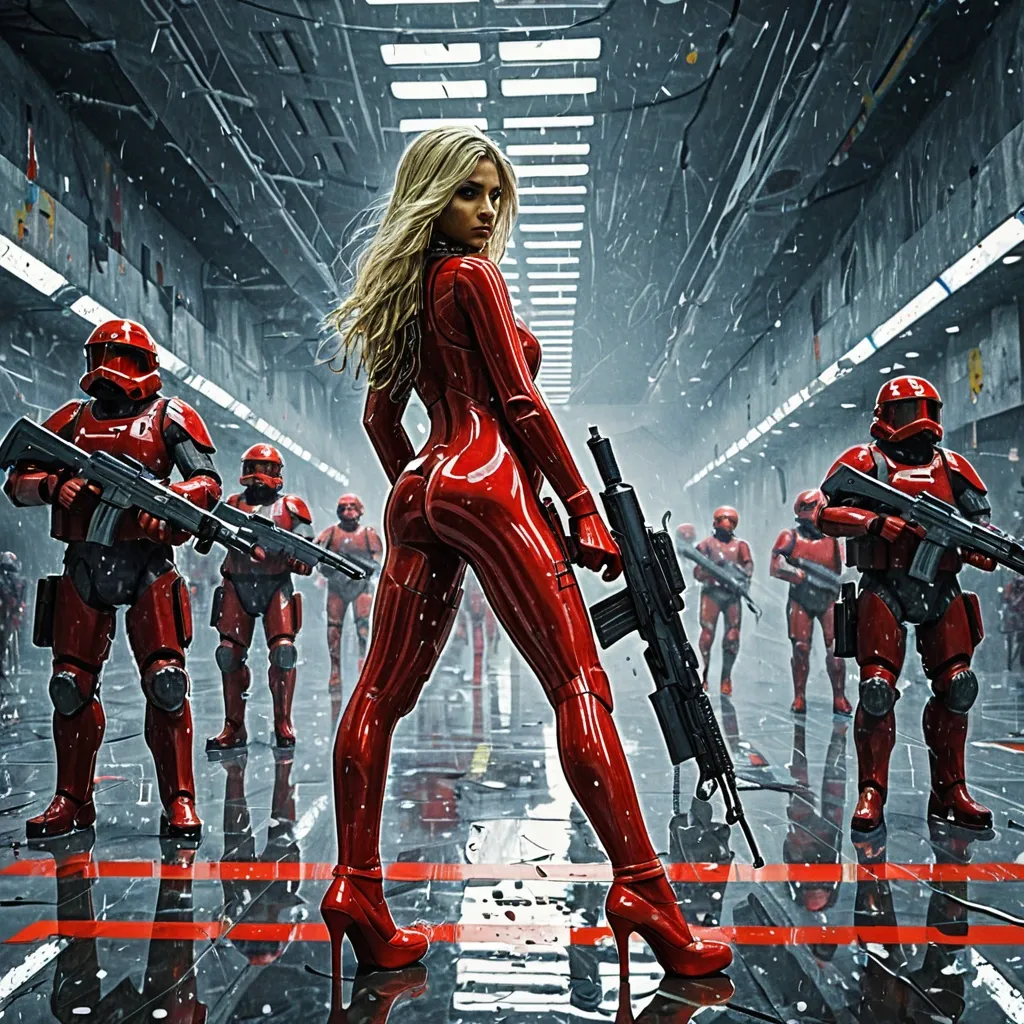
a painterly digital rendering of a futuristic military hangar. a blonde woman in a sleek , reflective red bodysuit , helmet , and red heels stands in a three quarter back view , holding an assault rifle. the wet floor reflects her red outfit and the surrounding blue environment. in the background , a helicopter is parked on the right side of the frame , and a squad of soldiers in grey armor are marching. the entire image has a highly textured , thick brushstroke digital painting style. The overall aesthetic conveys the refined , fluid , cohesive , and professional quality of traditional Madhubani art painting with heavy mineral pigments on paper. Avoid: broken or fragmented lines , micro-fragmented textures , frizzy hair details , shattered cloud patterns , mottled coloring , faded or distressed effects , modern neon , 3D CG , screen-filling special effects , cluttered backgrounds , and large , modern poster-style headlines. ,
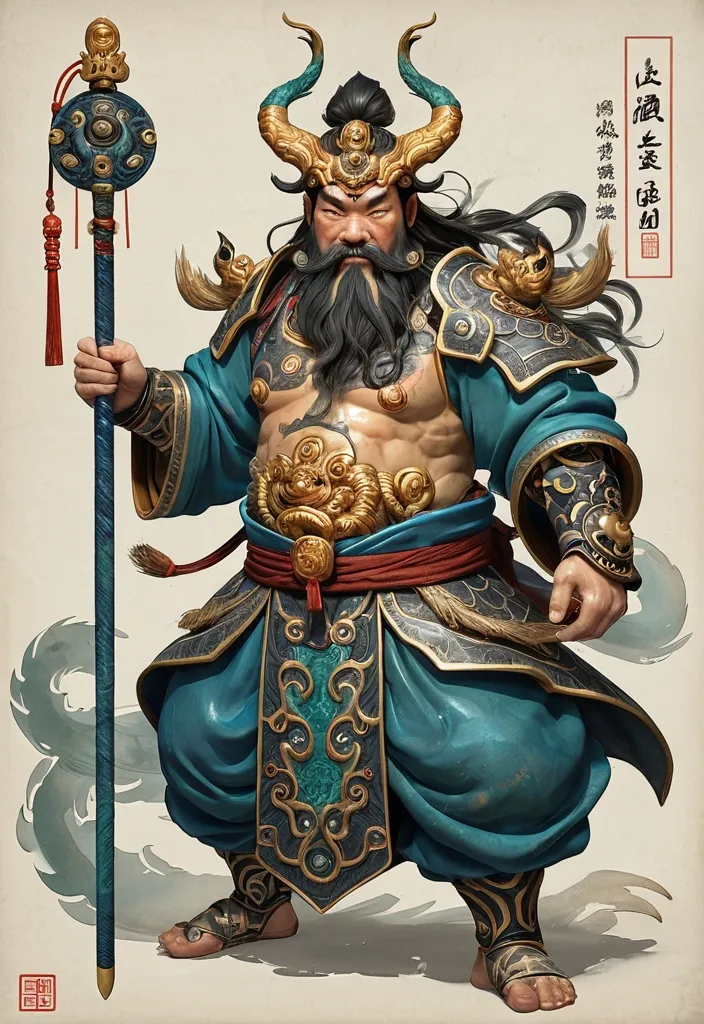
Deity Identity: Zhong Kui Core Artifact: Fire-Tipped Spear Divine Beast: Three-Eyed Manifestation Color Palette: Azurite & Antique Gold Composition Style: Spiraling Leap Overall Aura: Grotesque Aspect Ratio: [5:8] Generate an illustration of an Eastern deity in the style of *Gongbi* (meticulous brushwork) sacred art , centering on the Zhong Kui and incorporating the Fire-Tipped Spear and Divine Beast to create a cohesive composition. Elements such as artifacts , wings , ghosts , ribbons , clouds , or divine manifestations must not serve merely as decoration; instead , they must collectively form clear structural patterns—such as diagonals , circles , S-curves , radial lines , or frontal subjugation poses—to imbue the image with a distinct sense of dynamic momentum (*shi*). The overall style should blend the aesthetics of traditional deity paintings , *Gongbi* heavy-color painting , *Baimiao* (fine-line drawing) , and ancient illustrated scrolls. The figure should appear solemn , divine , and imposing , avoiding the look of modern idols or game CG characters. Attire should follow traditional systems of divine robes , armor , and headdresses , incorporating continuous patterns such as cloud , thunder , scale , beast-face , meander (Greek key) , and scrolling vine motifs. Prioritize highly continuous *Gongbi* line work: render hair , beards , and the fur or feathers of divine beasts with smooth , long lines that follow natural flow; depict clouds , garment hems , and ribbons using unbroken S-curves and C-curves; ensure that patterns on armor , crowns , and clothing are structurally complete and continuously closed. Minimize fragmented textures; avoid random short strokes , dense broken lines , jagged hair edges , or noise-like etching patterns. The color palette employs uniform , rich , and continuous traditional heavy mineral pigments. Centered around a core tone , it incorporates azurite blue , malachite green , ink-blue , antique gold , copper gold , cinnabar , ochre red , and ivory white. While low in saturation , the colors maintain high pigment density and transition naturally and smoothly along the forms; the finish should be free of mottling , fading , stains , graininess , or artificial distressing. The background features clean , warm-toned ivory *xuan* paper with extensive negative space , accented only by minimal continuous-line cloud motifs , vertical inscriptions , and cinnabar seals. The composition balances high information density in the subject matter with low density in the background. The overall aesthetic conveys the refined , fluid , cohesive , and professional quality of traditional *gongbi* (meticulous brushwork) painting with heavy mineral pigments on paper. Avoid: broken or fragmented lines , micro-fragmented textures , frizzy hair details , shattered cloud patterns , mottled coloring , faded or distressed effects , modern neon , 3D CG , screen-filling special effects , cluttered backgrounds , and large , modern poster-style headlines. ,
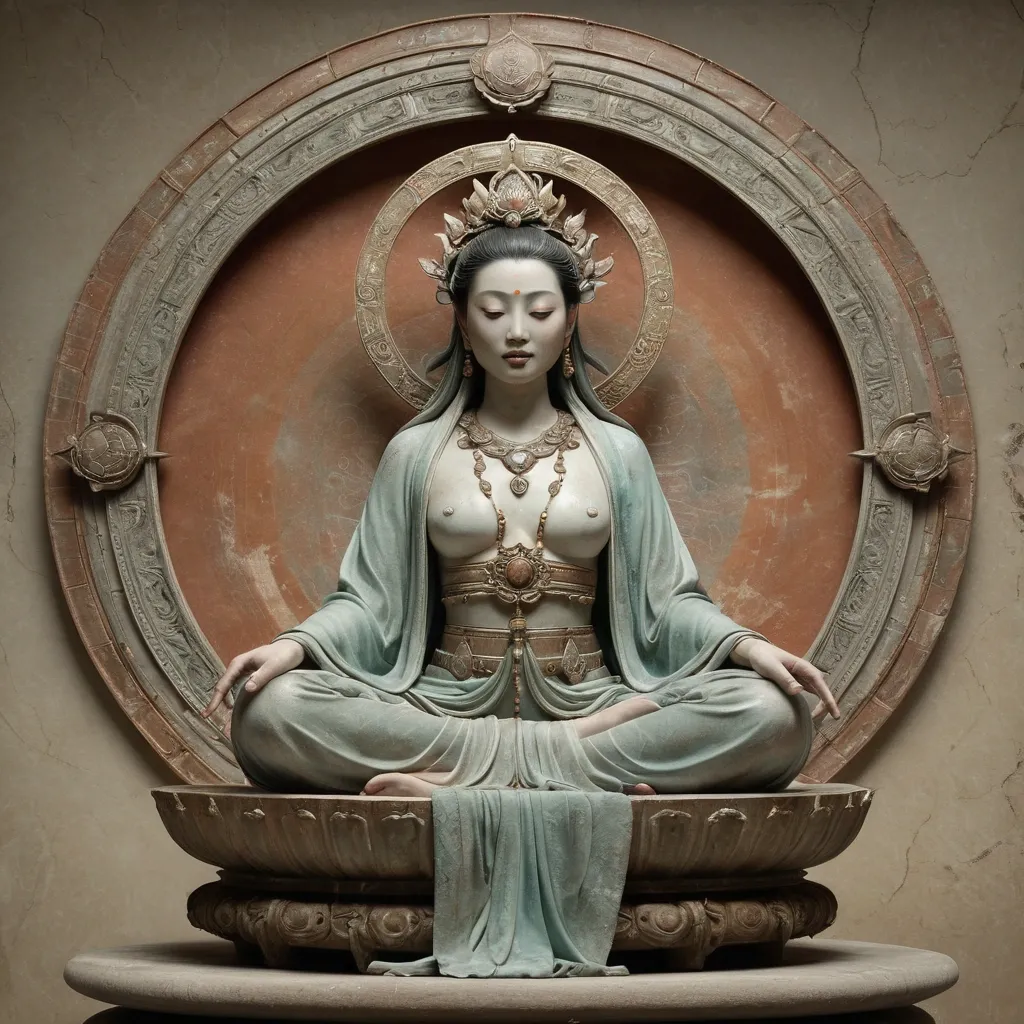
Create an ultra-premium East Asian sacred art poster that merges Orbit-style symbolic monumentality with Transit-style museum-grade elegance , while adding an appropriate faded watercolor-like antique patina across the entire image. Show one serene celestial goddess seated front-facing on a large layered lotus throne rising from dark weathered rocks above shallow swirling water , centered in a tall vertical frame. Behind her head , place one large circular ornamental halo-disc filled with intricate floral and sacred relief patterns , perfectly framing her upper body like a ceremonial mandala. The final artwork must feel sacred , elegant , antique , softly aged , painterly , and collectible , like a rare devotional mural-painting artifact. No title , no logo , no readable text , no real person identity. Core composition: Use a strict centered vertical composition with the goddess occupying the full central axis from halo to lotus base. Her seated body must feel calm , monumental , and balanced. One leg lowers naturally toward the rock base while the other rests higher in a graceful asymmetrical pose. The lotus throne and rock base must anchor the composition with strong sacred weight. The circular halo-disc behind her should be large , full , and nearly iconic in scale , creating a powerful devotional silhouette. Orbit enhancement: Increase the monumentality of the sacred icon structure. The halo-disc should feel larger and more complete behind the figure , almost pressing the full spiritual force of the image forward. The lotus throne and rock base should feel more substantial and sculptural , giving the figure stronger divine presence. The whole composition should read immediately as a powerful three-part symbol: centered goddess , circular halo , lotus-rock throne. Transit enhancement: Refine the image into a more international museum-art language. The palette should feel quieter , more mineral , more elegant , and more globally collectible. Reduce any overly warm or decorative saturation. Keep the lighting restrained , the materials sophisticated , and the overall impression like a high-end exhibition poster for an ancient sacred masterpiece. Aged light-color patina: This is the key addition. Apply an appropriate light faded antique wash across the entire image , as if the artwork has lived on silk , fresco plaster , or mineral paper for centuries. The patina should be subtle and beautiful: soft desaturation , slight powdery pigment bloom , gentle worn edges , faint watercolor-like tonal diffusion , and delicate aged surface calm. It must not look dirty or damaged. The result should feel like elegant time-softened color , not decay. Figure design: Design an original adult divine feminine figure inspired by classical East Asian sacred sculpture and devotional painting. She must feel compassionate , serene , and spiritually elevated. Her face should be delicate and calm , with lowered eyes , soft brows , subtle lips , and a peaceful meditative expression. Her anatomy must be elegant and natural , with correct shoulders , arms , hands , torso , and posture. She wears layered flowing robes with long trailing sashes and softly revealed upper chest in a sacred historical-art way , always dignified and ceremonial. Costume and ornament: Dress her in layered mineral-toned robes of celadon gray-green , faded terracotta , dusty coral , pale parchment , and aged ivory. Add refined antique jewelry , pendant chains , earrings , and a balanced floral-jewel headpiece. The fabrics and ornaments must feel softened by time , as if painted with diluted pigments over an aged surface. Halo-disc design: Render the halo as a richly ornamented circular disc with dense floral and sacred scroll relief in muted reddish-brown , aged copper , faded russet , and antique mineral tones. It should feel historical , intricately crafted , and devotional , with slightly softened edges from age. Lotus and base: Render the lotus throne as layered and sculptural with desaturated blue-green , gray-teal , and stone-lotus tones. The rock base beneath should feel dark , mineral , and weathered. Add shallow sacred water with gentle pale foam and flowing pattern logic. Everything below the figure must support stillness and icon gravity. Lighting: Use soft diffused sacred lighting from upper front-left with very gentle frontal fill. The figure , halo , lotus , and drapery should glow softly through muted tonal transitions. No harsh drama. The light must feel calm , spiritual , and respectful to the antique surface quality. Material rendering: Render skin like painted sacred sculpture with matte softness and delicate age integration. Render robes as faded silk-like mineral pigment drapery. Render jewelry with restrained antique-metal detail. Render halo and lotus with painted-relief texture and worn ceremonial richness. Render the full surface with subtle fresco grain , paper tooth , faint crackle , and collector-grade patina. Background: Keep the background pale , atmospheric , and minimal , built from parchment beige , faded mineral wash , cloudy plaster texture , and faint devotional atmosphere. No clutter , no crowded architecture , no unrelated objects. Color system: Use a restrained sacred palette of celadon gray-green , dusty terracotta , faded coral , aged ivory , parchment beige , muted russet , stone gray , desaturated blue-green , and dark mineral accents. The entire image should feel softened by time and unified by elegant antique color restraint. Image finish: The final artwork must feel like a world-class sacred art poster: serene , monumental , collectible , and gently time-worn. Preserve strong detail in the face , crown , halo ornament , robe folds , lotus petals , and rock textures , while bathing the whole piece in a refined aged light-color patina. 8k , museum-grade sacred visual quality. ,
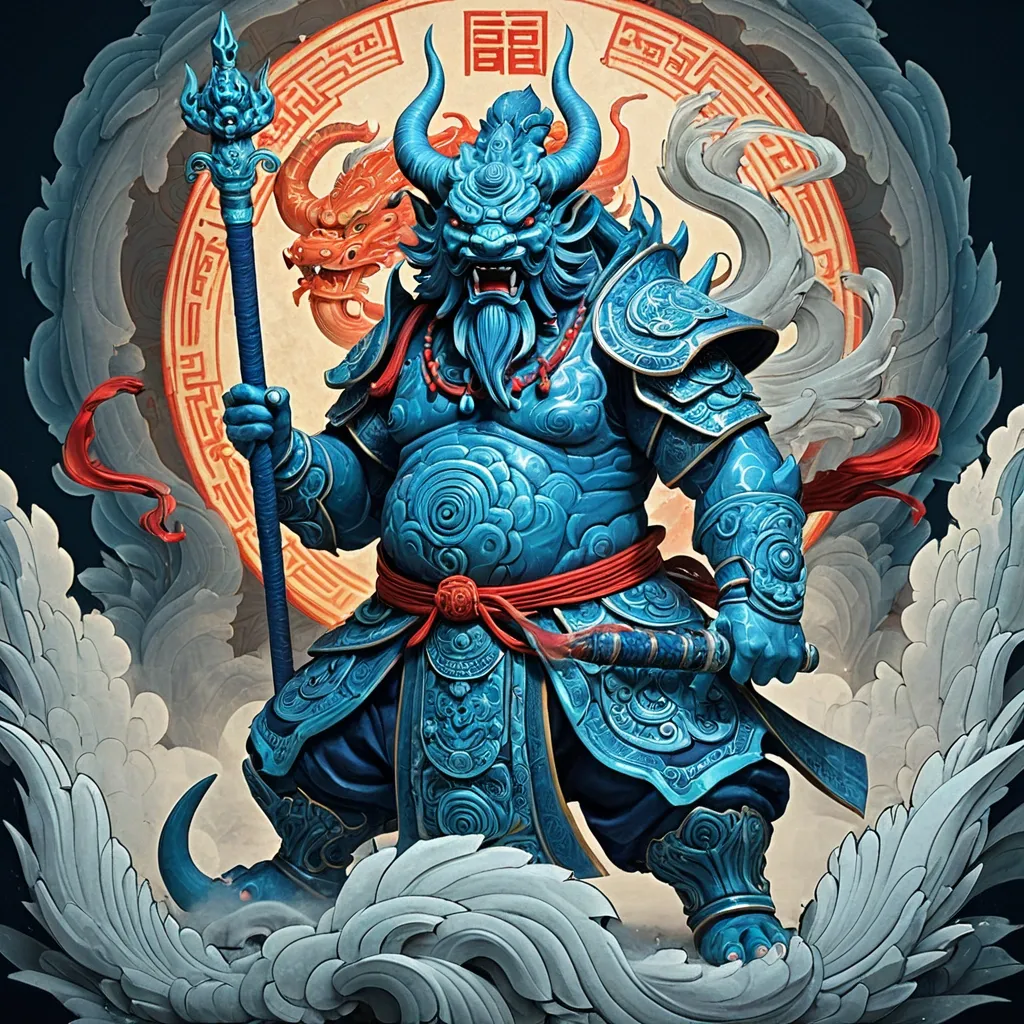
Deity Identity: Emperor Zhenwu Mythical Beast Type: Divine Rhino Weapon: Divine Sword Color Palette: Azurite Blue , Silver , & Gray Overall Aura: Exorcising Evil Composition Direction: Frontal Subjugation Generate an illustration of an Eastern deity and their mythical beast mount , blending visual languages from traditional deity paintings , *Gongbi* (meticulous brushwork) with rich colors , *Baimiao* (fine-line drawing) , folk woodblock prints , and ancient illustrated scrolls. The image features the "Deity + Mythical Beast" as dual subjects. The deity serves as the core visual focus , while the beast possesses significant scale and presence; they engage in a clear , dynamic interaction—such as mounting , guarding , charging side-by-side , or circling in protection—rather than a simple collage. The deity's face exudes majesty , divinity , and an imposing aura , avoiding both modern "idol-like" features and excessive demon-like distortion. Attire consists of highly detailed traditional divine armor or ritual robes , incorporating intricate patterns such as cloud motifs , thunder patterns , beast-face masks , scale armor textures , and scrolling vines. While details are rich , the figure's overall silhouette must remain distinct. The mythical beast embodies the spirit of a divine creature , spirit beast , or evil-warding mount , possessing a robust physique and a powerful stance. Fur , scales , and tortoise shells are rendered using numerous fine , directional lines to emphasize the texture of traditional *Gongbi* painting (defining form through line); avoid photorealistic fur or 3D CG textures. Weapons or artifacts are integrated into the composition to create distinct diagonal lines , vertical lines , or a primary axis of action. Avoid stiff , static poses for the figures; instead , incorporate actions such as twisting the torso , lowering a shoulder , leaning forward , wielding a weapon , forming a ritual hand seal , patrolling , or launching an attack to imbue the image with a distinct sense of dynamic momentum (*shi*). Integrate elements such as flowing sashes , fluttering sleeves , headdress ribbons , wisps of hair or beard , and swirls of cloud , smoke , or mist. These should harmonize with the figure's movement to create S-shaped , C-shaped , or swirling fluid lines. Ensure these flowing elements serve the overall theme rather than cluttering the composition merely for the sake of detail. Maintain the aesthetic of traditional *xuan* paper by preserving negative space. Use an off-white , ivory , or aged-paper tone as the base , adding only minimal elements—such as inscriptions , vermilion seals , cloud patterns , or wisps of smoke—to evoke the feel of an ancient illustrated scroll or sacred icon. Avoid complex backgrounds depicting palaces , battlefields , or full-scale landscapes. Employ a palette of low-saturation mineral pigments centered around a dominant hue. Complement this with colors such as ink black , deep blue-black , azurite blue , malachite green , antique gold , cinnabar , ochre red , and grayish-white. The overall tone should be elegant and restrained , using small accents of high-saturation color to add vibrancy. The final image must simultaneously convey the solemnity of an Eastern deity , the imposing presence of a mythical beast , the intricate detail of fine-line brushwork (*gongbi*) , the serene atmosphere of ancient *xuan* paper , and a clear , powerful compositional dynamism. Avoid: modern "Guochao" neon aesthetics , cyberpunk styles , the look of 3D game concept art , "plastic" CG textures , cluttered backgrounds , stiff figures , generic-looking mythical beasts , loose or sloppy linework , and excessive or garbled text. ,
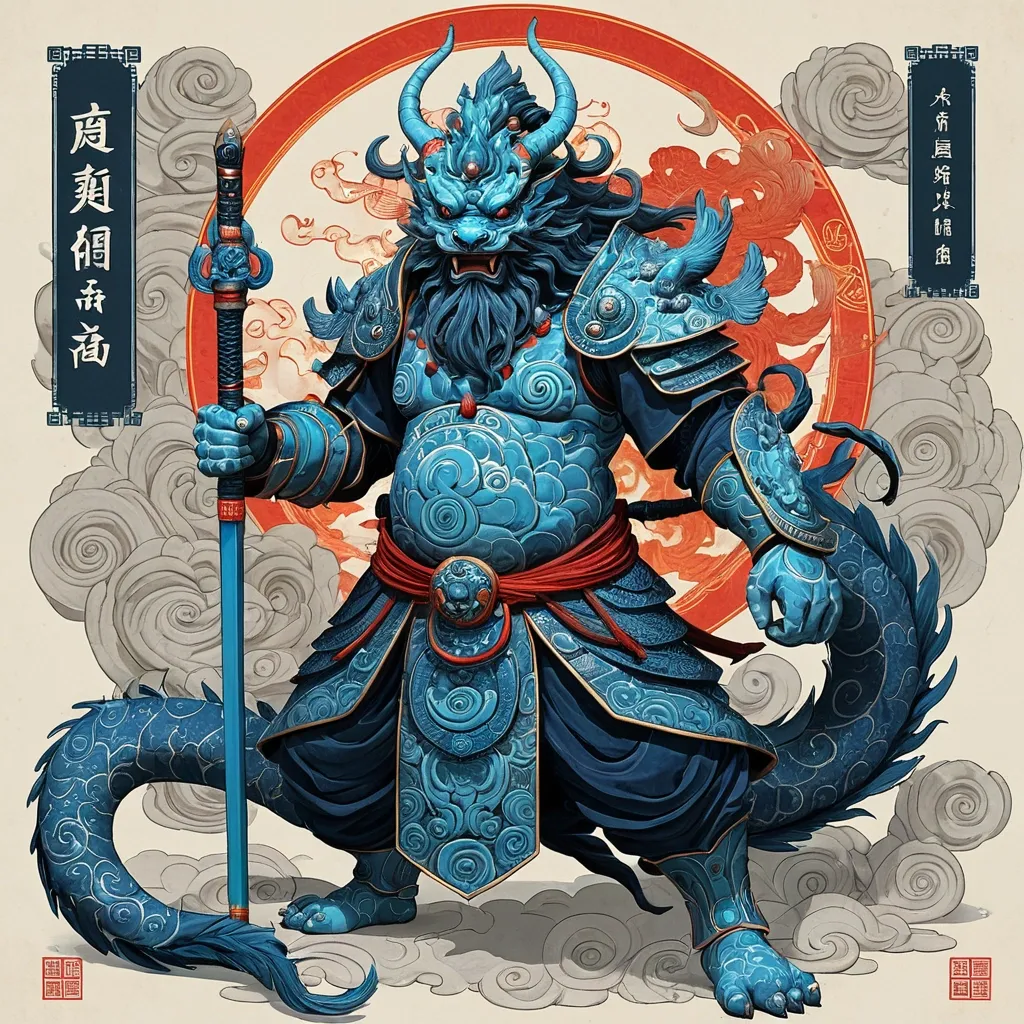
Prompt: [Replaceable Content] Deity Identity: Emperor Zhenwu Mythical Beast Type: Divine Hound Weapon: Divine Sword Color Palette: Azurite Blue , Silver , & Gray Overall Aura: Exorcising Evil Composition Direction: Frontal Subjugation Generate an illustration of an Eastern deity and their mythical beast mount , blending visual languages from traditional deity paintings , *Gongbi* (meticulous brushwork) with rich colors , *Baimiao* (fine-line drawing) , folk woodblock prints , and ancient illustrated scrolls. The image features the "Deity + Mythical Beast" as dual subjects. The deity serves as the core visual focus , while the beast possesses significant scale and presence; they engage in a clear , dynamic interaction—such as mounting , guarding , charging side-by-side , or circling in protection—rather than a simple collage. The deity's face exudes majesty , divinity , and an imposing aura , avoiding both modern "idol-like" features and excessive demon-like distortion. Attire consists of highly detailed traditional divine armor or ritual robes , incorporating intricate patterns such as cloud motifs , thunder patterns , beast-face masks , scale armor textures , and scrolling vines. While details are rich , the figure's overall silhouette must remain distinct. The mythical beast embodies the spirit of a divine creature , spirit beast , or evil-warding mount , possessing a robust physique and a powerful stance. Fur , scales , and tortoise shells are rendered using numerous fine , directional lines to emphasize the texture of traditional *Gongbi* painting (defining form through line); avoid photorealistic fur or 3D CG textures. Weapons or artifacts are integrated into the composition to create distinct diagonal lines , vertical lines , or a primary axis of action. Avoid stiff , static poses for the figures; instead , incorporate actions such as twisting the torso , lowering a shoulder , leaning forward , wielding a weapon , forming a ritual hand seal , patrolling , or launching an attack to imbue the image with a distinct sense of dynamic momentum (*shi*). Integrate elements such as flowing sashes , fluttering sleeves , headdress ribbons , wisps of hair or beard , and swirls of cloud , smoke , or mist. These should harmonize with the figure's movement to create S-shaped , C-shaped , or swirling fluid lines. Ensure these flowing elements serve the overall theme rather than cluttering the composition merely for the sake of detail. Maintain the aesthetic of traditional *xuan* paper by preserving negative space. Use an off-white , ivory , or aged-paper tone as the base , adding only minimal elements—such as inscriptions , vermilion seals , cloud patterns , or wisps of smoke—to evoke the feel of an ancient illustrated scroll or sacred icon. Avoid complex backgrounds depicting palaces , battlefields , or full-scale landscapes. Employ a palette of low-saturation mineral pigments centered around a dominant hue. Complement this with colors such as ink black , deep blue-black , azurite blue , malachite green , antique gold , cinnabar , ochre red , and grayish-white. The overall tone should be elegant and restrained , using small accents of high-saturation color to add vibrancy. The final image must simultaneously convey the solemnity of an Eastern deity , the imposing presence of a mythical beast , the intricate detail of fine-line brushwork (*gongbi*) , the serene atmosphere of ancient *xuan* paper , and a clear , powerful compositional dynamism. Avoid: modern "Guochao" neon aesthetics , cyberpunk styles , the look of 3D game concept art , "plastic" CG textures , cluttered backgrounds , stiff figures , generic-looking mythical beasts , loose or sloppy linework , and excessive or garbled text. ,
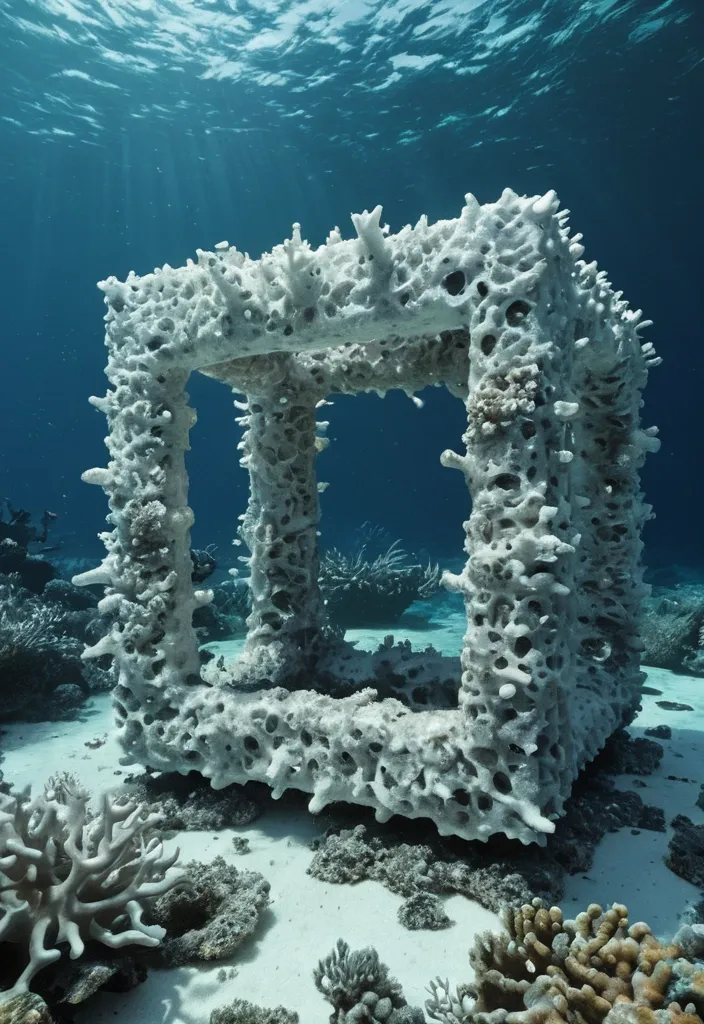
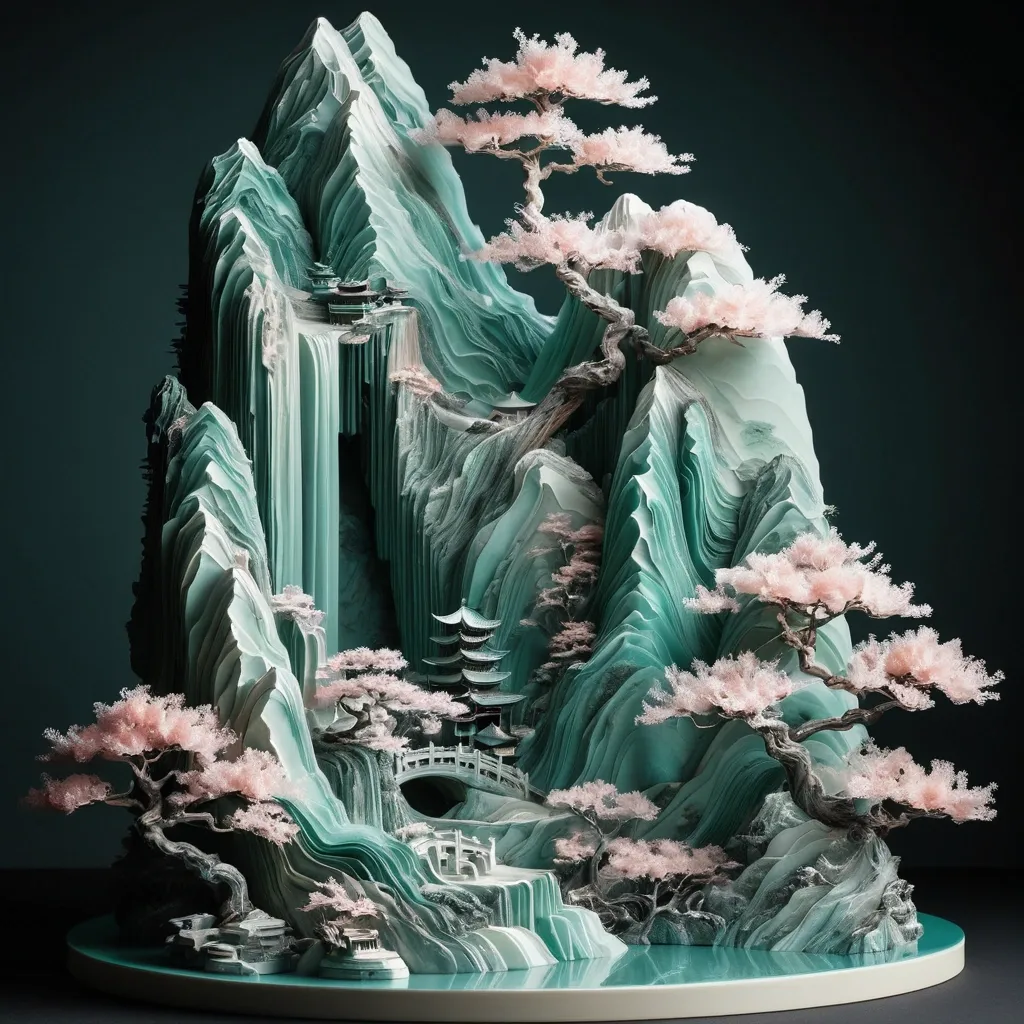
A vertical composition 3D topographic layered sculpture of a grand Chinese landscape. The style is Neo-Chinese minimalism. Countless flowing , organic layers of semi-translucent jade-like porcelain and textured paper stack to form rolling mountains and rivers , translucent bird fly through intricate coral formations. Deep ambient occlusion creates soft , profound shadows between the layers , giving incredible depth and tactile quality. The colors are inspired by traditional Chinese mineral painting: muted cyan , mineral green , ochre , and cream. realistic image of a magnificent and majestic pink cherry blossom tree in a mountain landscape , like a bonsai tree , with a large trunk. Show the entire tree. Depict it in an early winter setting. The edges of the landscape fade softly into a pure black background with ample negative space (liu bai) at the top. Studio lighting , ultra-detailed , intricate textures. ,
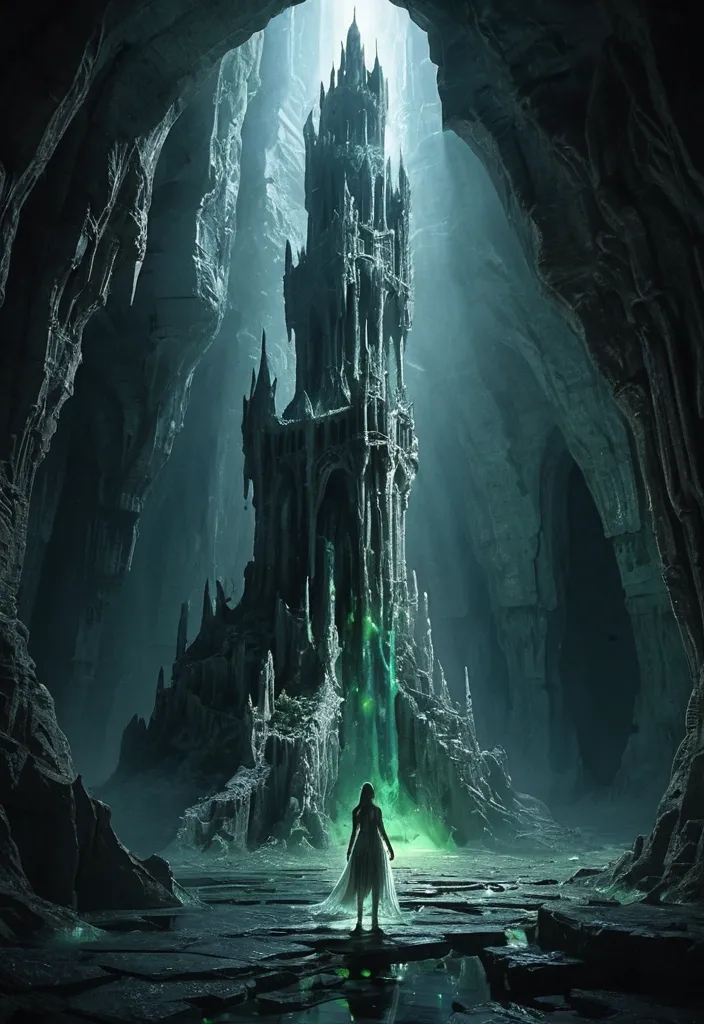
Imagine a colossal limestone tower , its rugged surfaces glistening with mineral veins , a lonely female play violin and standing in white dress on , rising majestically within the vast expanses of a cavern in the elemental plane of earth. The dim light filters through cracks in the cavern ceiling , reflecting off the female’s face , casting eerie shadows that dance upon the rocky floor. Stalactites hang like ancient chandeliers , dripping occasional droplets that echo softly in the stillness of the cavern. Around the base of the tower , earthy textures interweave with patches of luminescent moss , glowing faintly in green and blue hues. A faint , swirling mist hugs the ground , evoking a sense of mystique and magic within this subterranean realm. Render this scene in a dark fantasy concept art style , emphasizing the grandeur and magical essence of the tower towering in the depths of the earth. ,
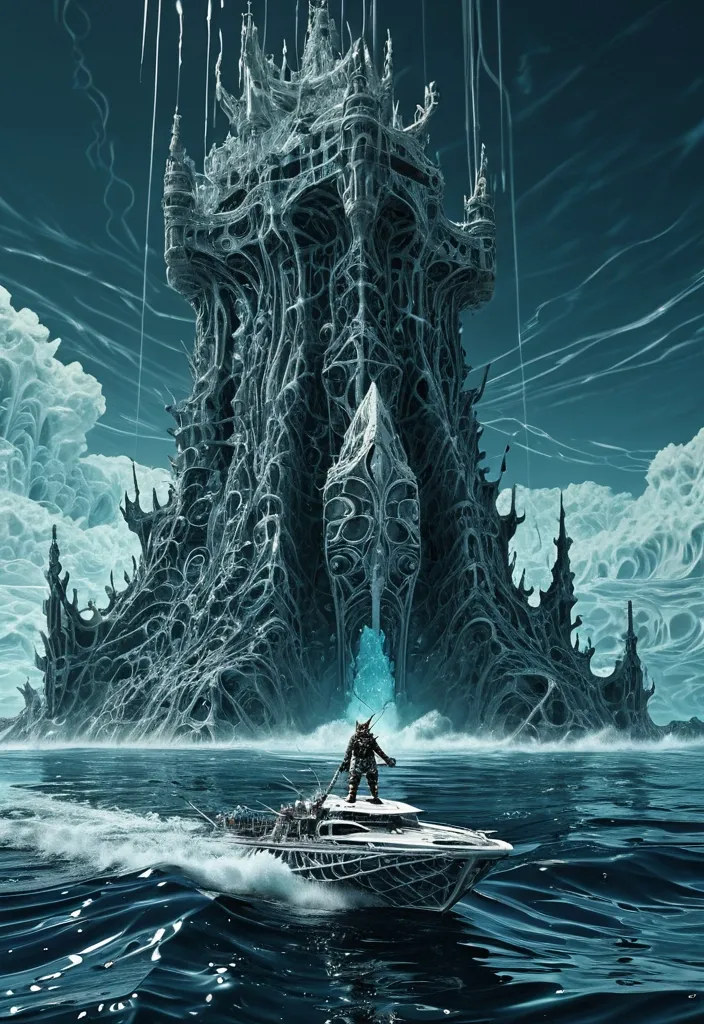
A surreal landscape emerging from Hydrofoil sailing Melting from the time spill in ocean , rendered as a Fractal circuit Tessellation , with Ruins Expedition limestone tower , its rugged surfaces glistening with mineral veins , rising majestically within the vast expanses of a ocean in the elemental waves of water. a lone samurai warrior , futuristic armor , stands on a boat. dripping occasional droplets that echo softly in the stillness of the ocean. while iconic Yacht racer jumping from the distance ocean with splash water-waves , hot air-balloon fly in the night sky , ,
Metaphysical watercolor , divine feminine energy flow Abstract representation: - Giant golden rose at center with 3 layers: Outer: Woven roots forming Hebrew "Shekhinah" Middle: Petals containing constellations Core: Pulsing pearlescent womb-light - Background gradient: Deep earth-brown → cosmic purple → resurrection gold - Floating elements: Dove silhouettes transforming into stars Ancient vessel pouring stardust onto mountain peaks Textures: Marbled silk meets crushed minerals Color palette: Terra cotta , sacred blue , uncreated light Style: Hilma af Klint meets Byzantine iconography ,
Metaphysical watercolor , divine feminine energy flow Abstract representation: - Giant golden rose at center with 3 layers: Outer: Woven roots forming Hebrew "Shekhinah" Middle: Petals containing constellations Core: Pulsing pearlescent womb-light - Background gradient: Deep earth-brown → cosmic purple → resurrection gold - Floating elements: Dove silhouettes transforming into stars Ancient vessel pouring stardust onto mountain peaks Textures: Marbled silk meets crushed minerals Color palette: Terra cotta , sacred blue , uncreated light Style: Hilma af Klint meets Byzantine iconography ,
Metaphysical watercolor , divine feminine energy flow Abstract representation: - Giant golden rose at center with 3 layers: Outer: Woven roots forming Hebrew "Shekhinah" Middle: Petals containing constellations Core: Pulsing pearlescent womb-light - Background gradient: Deep earth-brown → cosmic purple → resurrection gold - Floating elements: Dove silhouettes transforming into stars Ancient vessel pouring stardust onto mountain peaks Textures: Marbled silk meets crushed minerals Color palette: Terra cotta , sacred blue , uncreated light Style: Hilma af Klint meets Byzantine iconography ,


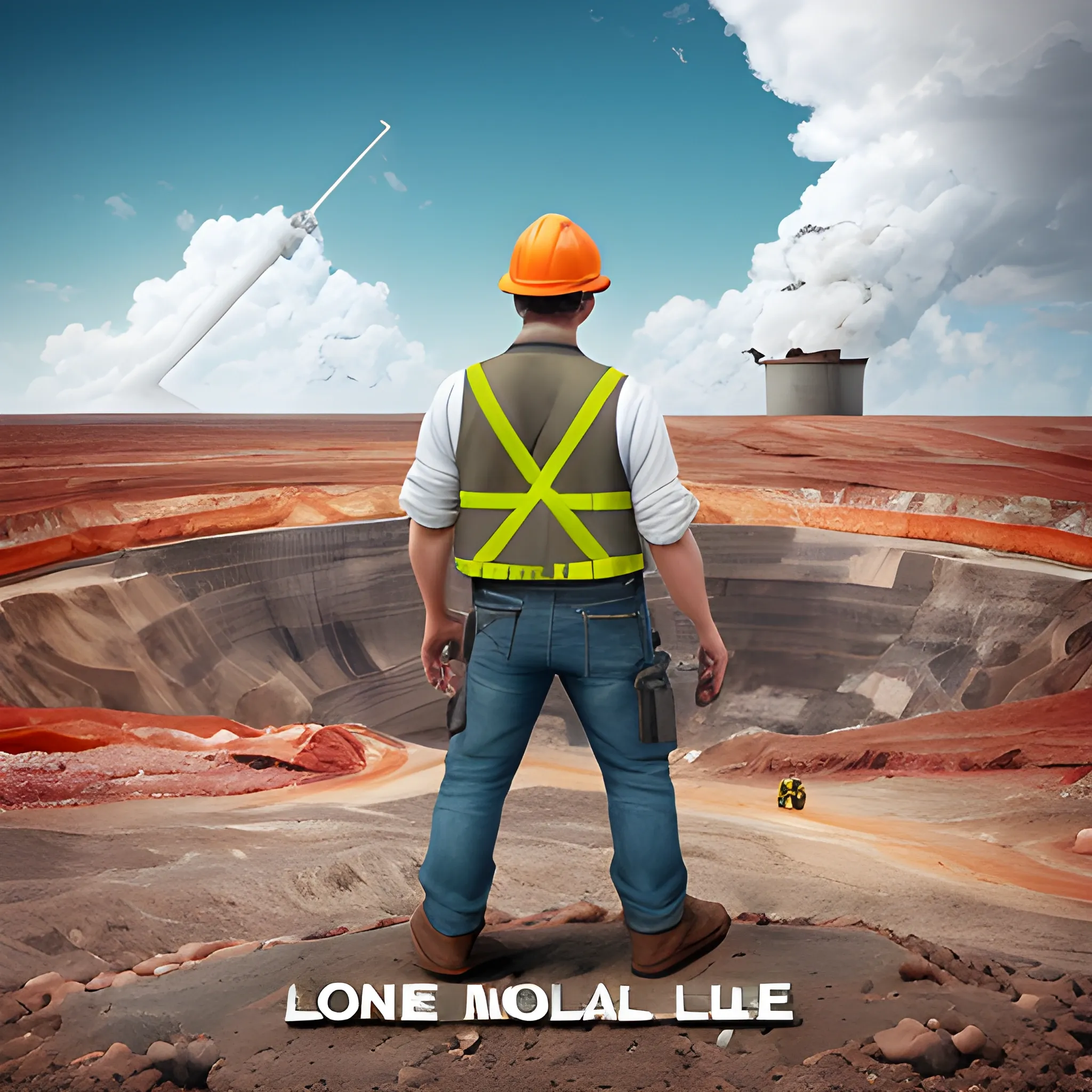
Behind him you can see the landscape of the open pit mine , where various levels of depth and extension can be seen. The land is reddish and dry , with some stones and scattered bushes. Several trucks and machinery are seen working to extract minerals , raising clouds of dust. The sky is blue with some white clouds , which contrast with the color of the earth. In the background you can see a green sign with white letters that says “La Colorada” , the name of the mine where the man works. The man is of medium build , with a short bushy beard , an orange vest , a black long-sleeved camisole , a white mining helmet and safety glasses. The man has a serious and focused expression , and holds a black communication radio with an antenna in his right hand. The man is smaller and next to the sign , as if he were part of it. create an image like disney pixar , 3D , Pencil Sketch ,

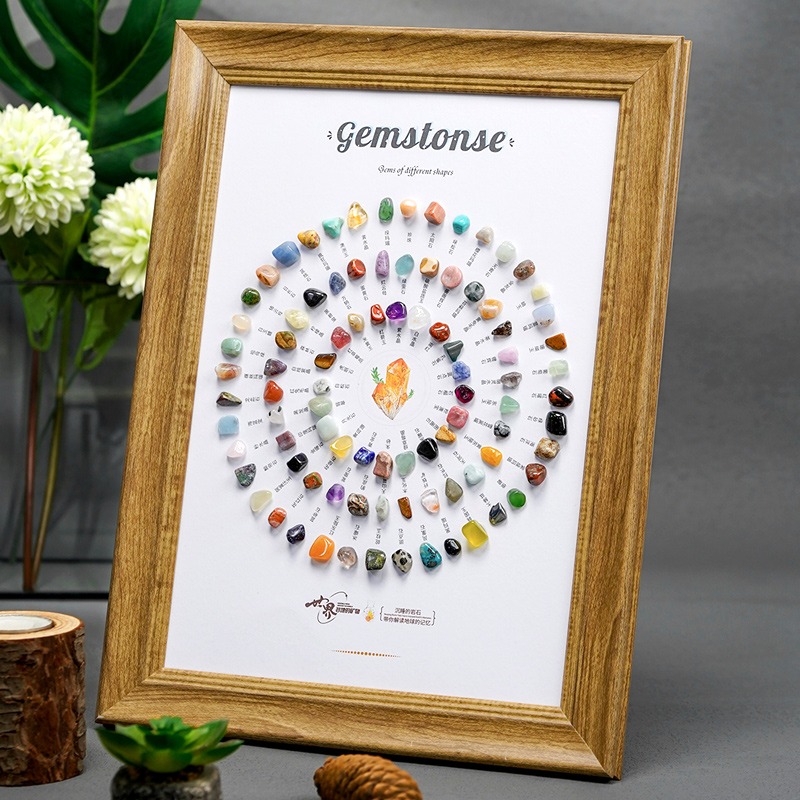
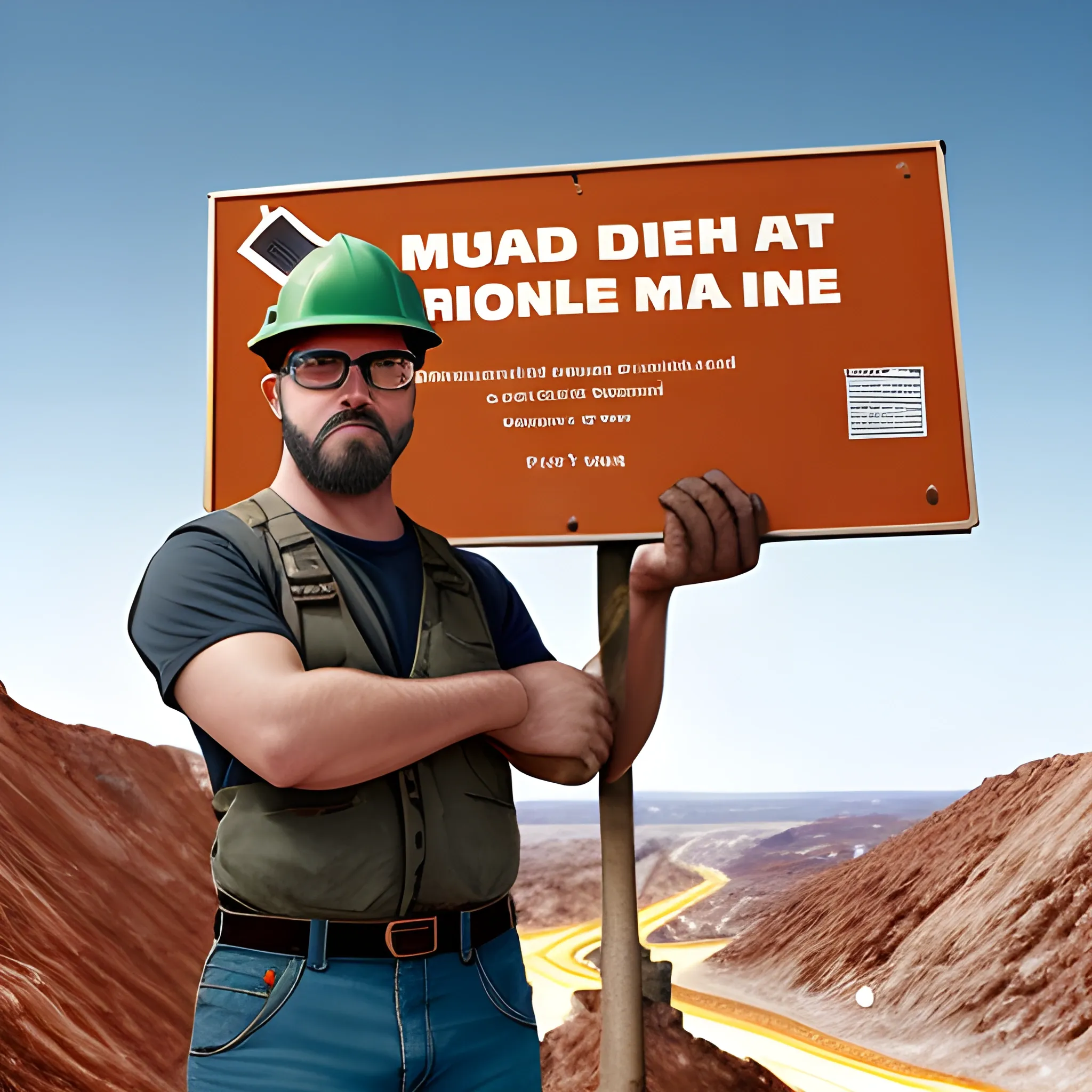
Behind him you can see the landscape of the open pit mine , where various levels of depth and extension can be seen. The land is reddish and dry , with some stones and scattered bushes. Several trucks and machinery are seen working to extract minerals , raising clouds of dust. The sky is blue with some white clouds , which contrast with the color of the earth. In the background you can see a green sign with white letters that says “La Colorada” , the name of the mine where the man works. The man is of medium build , with a short bushy beard , an orange vest , a black long-sleeved camisole , a white mining helmet and safety glasses. The man has a serious and focused expression , and holds a black communication radio with an antenna in his right hand. The man is smaller and next to the sign , as if he were part of it. create an image like disney pixar , 3D ,