Search Results for scale
Explore AI generated designs, images, art and prompts by top community artists and designers.

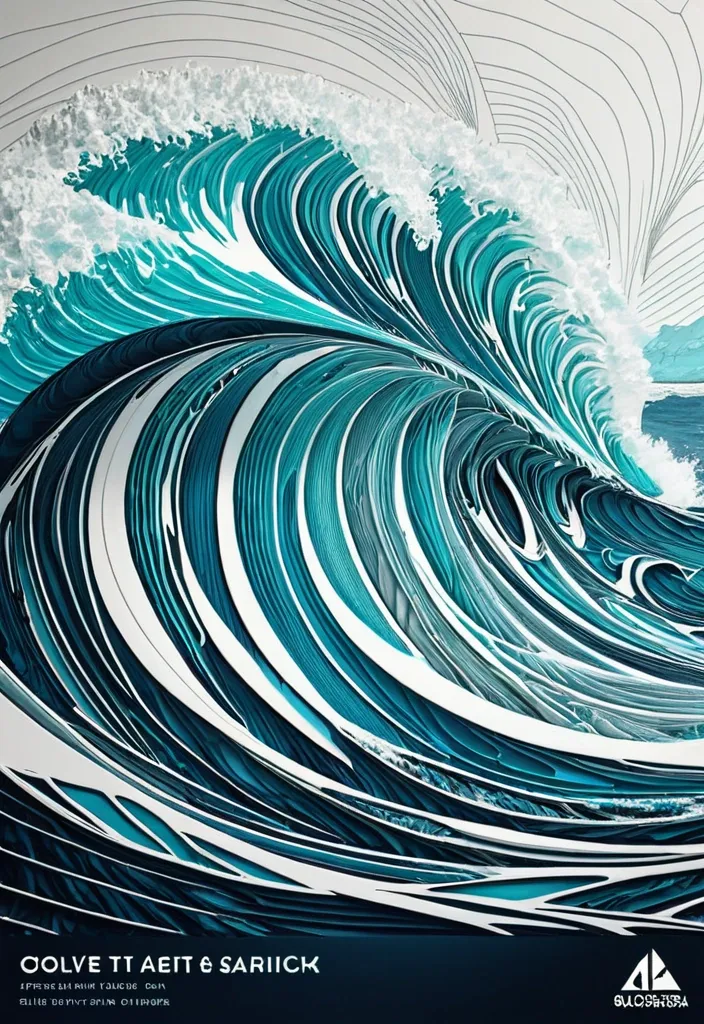
Create a refined 5:4 art poster that transforms the landscape into an abstract **contour-ocean world**. Build the terrain primarily from long , smooth , continuous ocean that follow its waves , direction , elevation , and movement. The oceanshould become the landscape itself , not simply decorate its surface. Use one clear structural system and strong waves-density variation , with dense waves around major forms and more breathing room in calmer areas. Use ocean related colors and let the colors flow naturally along the contour structure. Keep the ocean projection scene unfolds with a tiny sailboat and use only one tiny scale anchor. High-end exhibition-poster aesthetic , abstract ocean feeling , strong thumbnail readability , large graphic forms , controlled negative space , and highly visible contour-line structure. Avoid realistic photography , random swirls , tree , noisy textures , generic CGI , watermarks , logos , and copyright text. ,
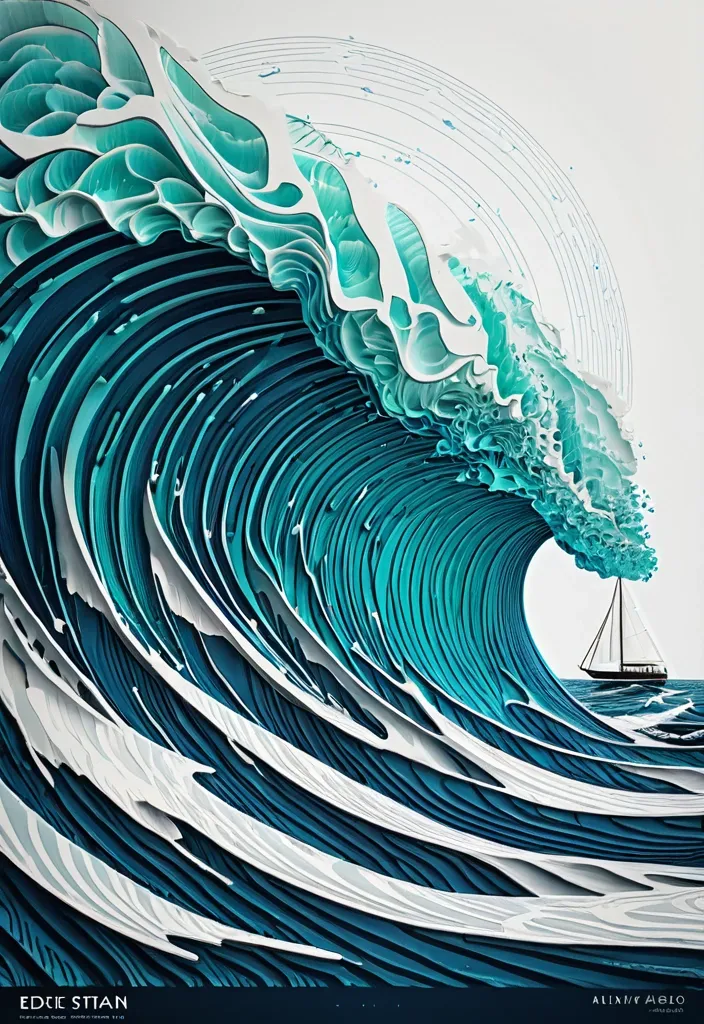
Create a refined art poster that transforms the landscape into an abstract **contour-ocean world**. Build the terrain primarily from long , smooth , continuous ocean that follow its waves , direction , elevation , and movement. The oceanshould become the landscape itself , not simply decorate its surface. Use one clear structural system and strong waves-density variation , with dense waves around major forms and more breathing room in calmer areas. Use ocean related colors and let the colors flow naturally along the contour structure. Keep the ocean projection scene unfolds with a tiny sailboat and use only one tiny scale anchor. High-end exhibition-poster aesthetic , abstract ocean feeling , strong thumbnail readability , large graphic forms , controlled negative space , and highly visible contour-line structure. Avoid realistic photography , random swirls , tree , noisy textures , generic CGI , watermarks , logos , and copyright text. ,
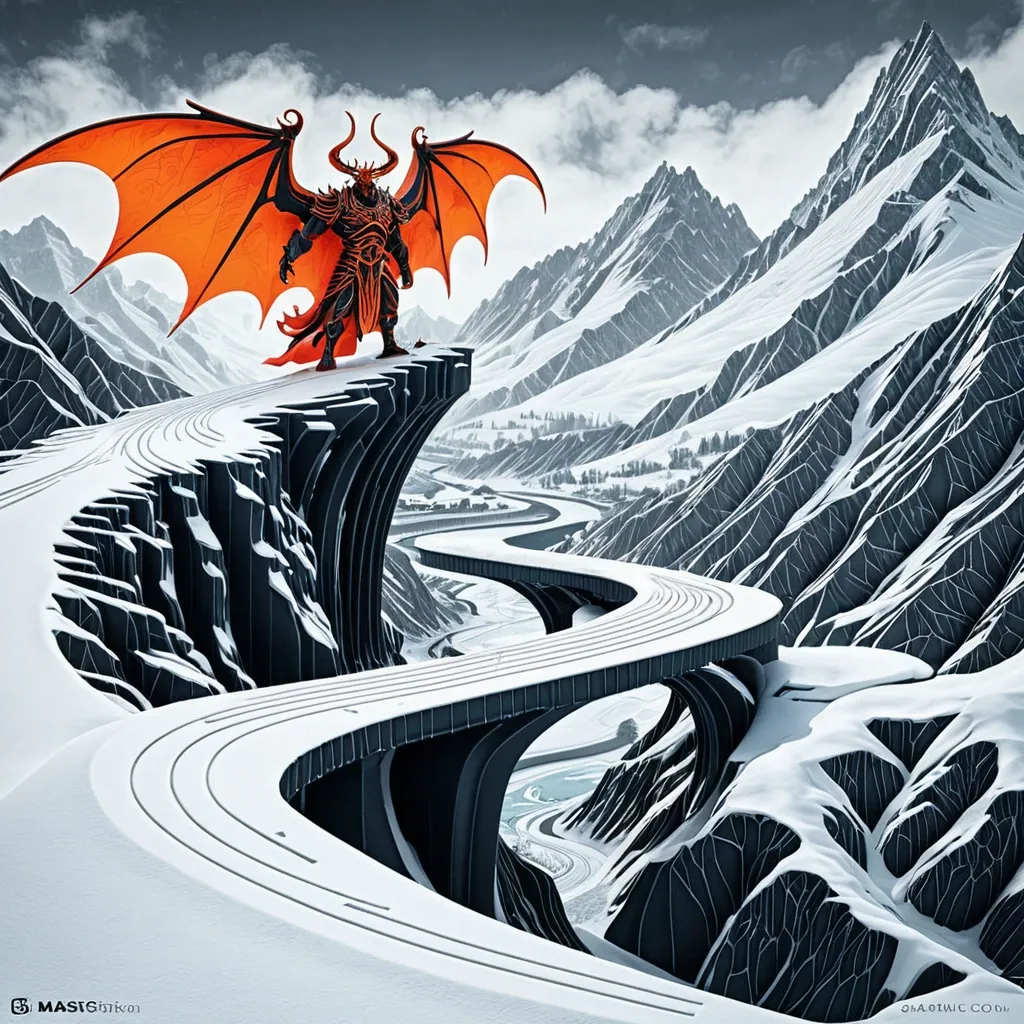
Create a refined art poster that transforms the landscape into an abstract **contour-snow world**. Build the terrain primarily from long , smooth , continuous ground that follow its volume , direction , elevation , and movement. The ground should become the landscape itself , not simply decorate its surface. Use one clear structural system and strong line-density variation , with dense lines around major forms and more breathing room in calmer areas. Use Snow related colors and let the colors flow naturally along the contour structure. Keep the landscape projection scene unfolds with a tiny robed figure holding a staff stands on a narrow stone arch bridge , facing an enormous snow horned demon with burning orange eyes and folded red wings and use only one tiny scale anchor. High-end exhibition-poster aesthetic , abstract Eastern landscape feeling , strong thumbnail readability , large graphic forms , controlled negative space , and highly visible contour-line structure. Avoid realistic photography , random swirls , noisy textures , generic CGI , watermarks , logos , and copyright text. ,
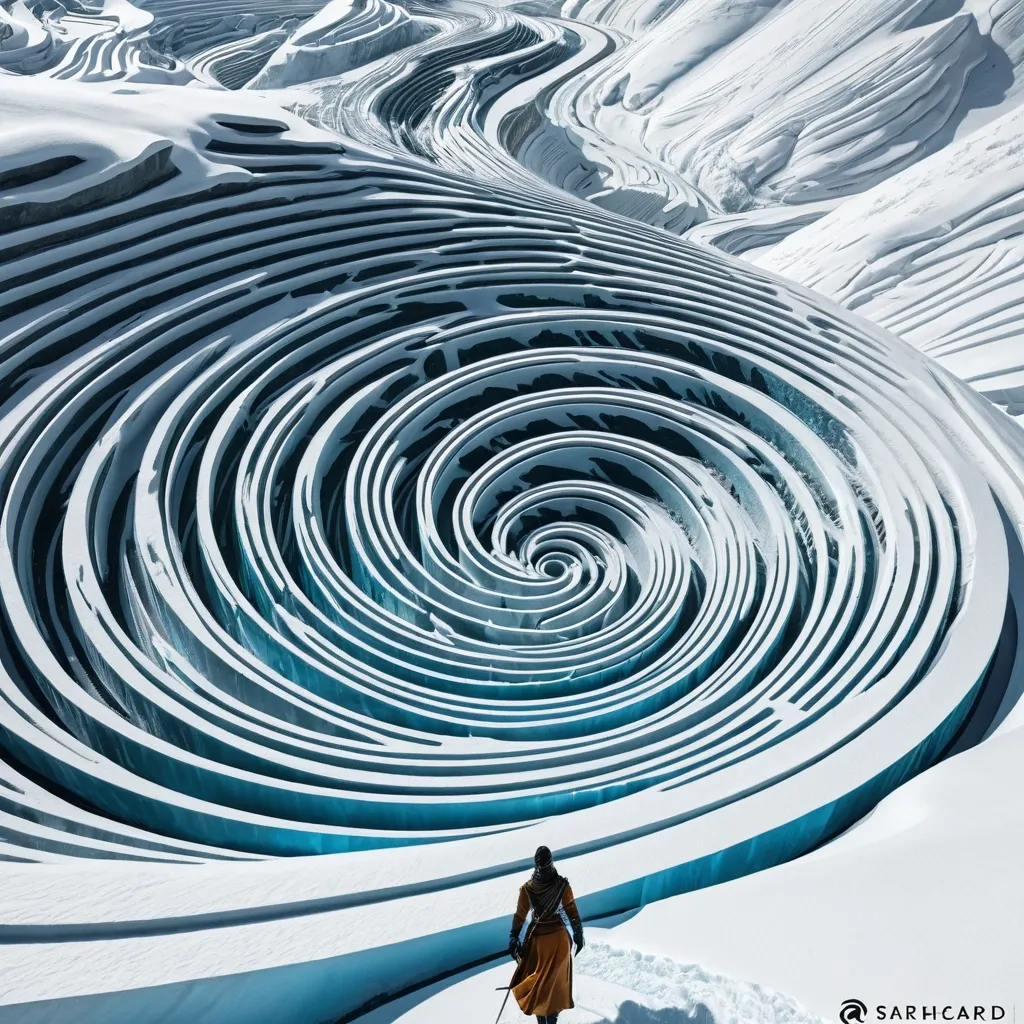
Create a refined art poster that transforms the landscape into an abstract **contour-line world**. Build the terrain primarily from long , smooth , continuous ground that follow its volume , direction , elevation , and movement. The ground should become the landscape itself , not simply decorate its surface. Use one clear structural system and strong line-density variation , with dense lines around major forms and more breathing room in calmer areas. Use Snow related colors and let the colors flow naturally along the contour structure. Keep the landscape projection scene unfolds with a tiny female warrior standing gracefully on a shimmering , ice-like Whirl-staircase and use only one tiny scale anchor. High-end exhibition-poster aesthetic , abstract Eastern landscape feeling , strong thumbnail readability , large graphic forms , controlled negative space , and highly visible contour-line structure. Avoid realistic photography , random swirls , noisy textures , generic CGI , watermarks , logos , and copyright text. ,
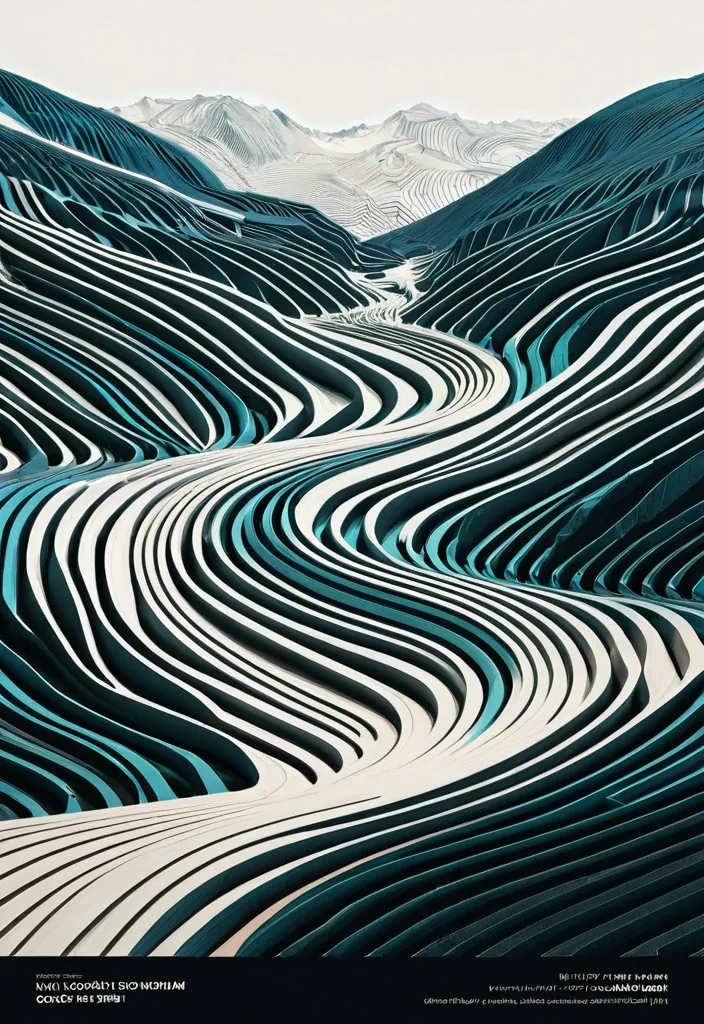
Create a refined vertical art poster that transforms the landscape into an abstract **contour-line world**. Build the terrain primarily from long , smooth , continuous lines that follow its volume , direction , elevation , and movement. The lines should become the landscape itself , not simply decorate its surface. Use one clear structural system and strong line-density variation , with dense lines around major forms and more breathing room in calmer areas. Use 10-20 related colors and let the colors flow naturally along the contour structure. Keep the landscape monumental and use only one tiny scale anchor. Add minimal editorial typography: BABA KEDAR CHROMA VALLEYS High-end exhibition-poster aesthetic , abstract Eastern landscape feeling , strong thumbnail readability , large graphic forms , controlled negative space , and highly visible contour-line structure. Avoid realistic photography , random swirls , noisy textures , generic CGI , watermarks , logos , and copyright text. ,
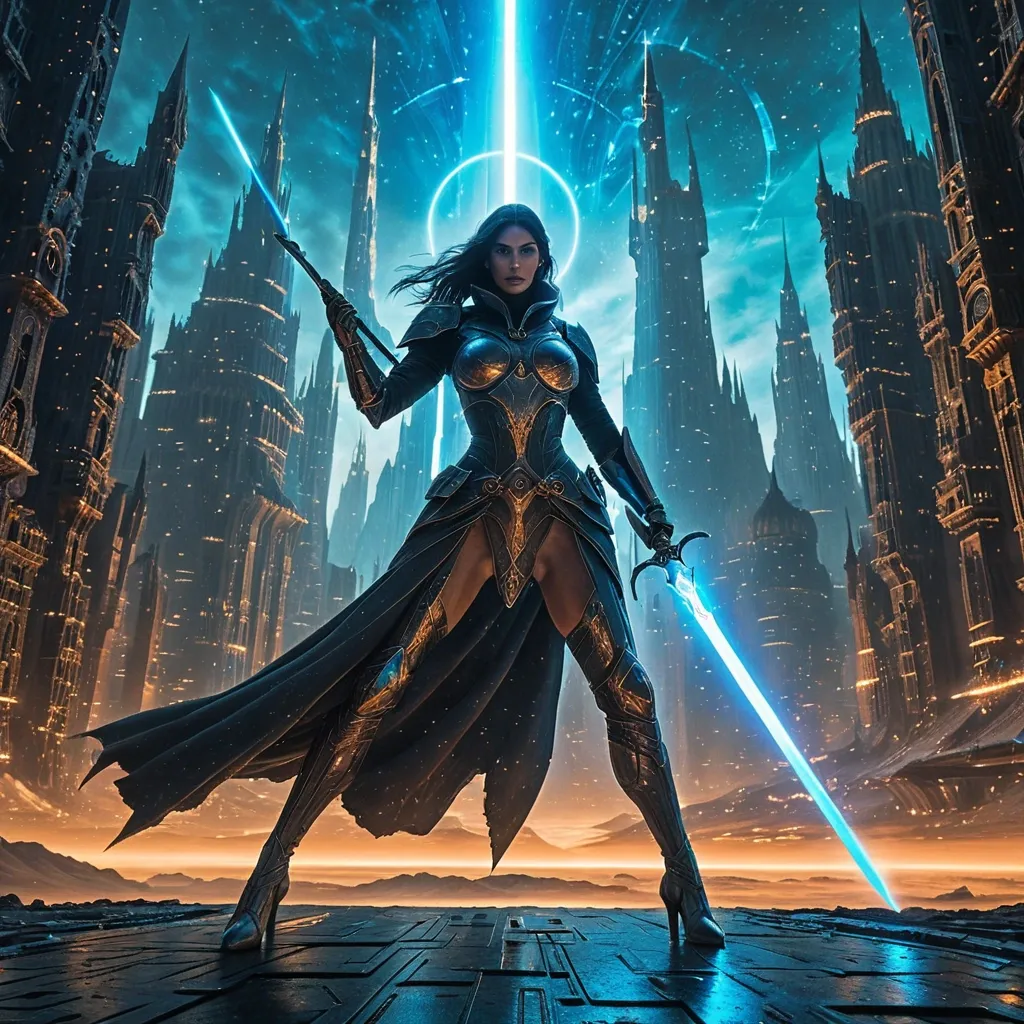
A breathtaking cityscape at dawn , where a female is included , keep them small and use them mainly as a scale reference , he is in action pose , one hand in bronze armor , other hand firmly swing the large sword with motion around the spires of a glowing blue neon triangle floating in a nebula of swirling cosmic dust , the enormous sharp sword edge extending from the center foreground toward her face , where pointed straight into the lens , intense direct eye contact , dramatic foreground sword blur , internal light. Below , a silent , deserted city is bathed in the ethereal glow , Flying vehicles glide between buildings , their lights reflecting off metallic surfaces. The scene evokes a sense of profound mystery and ancient cosmic power. Style: Cinematic concept art , reminiscent of the grand scale of 'Dune' set design , with the detailed textures of Zdzisław Beksiński and the atmosphere of deep space photography. ar 5:4. ,
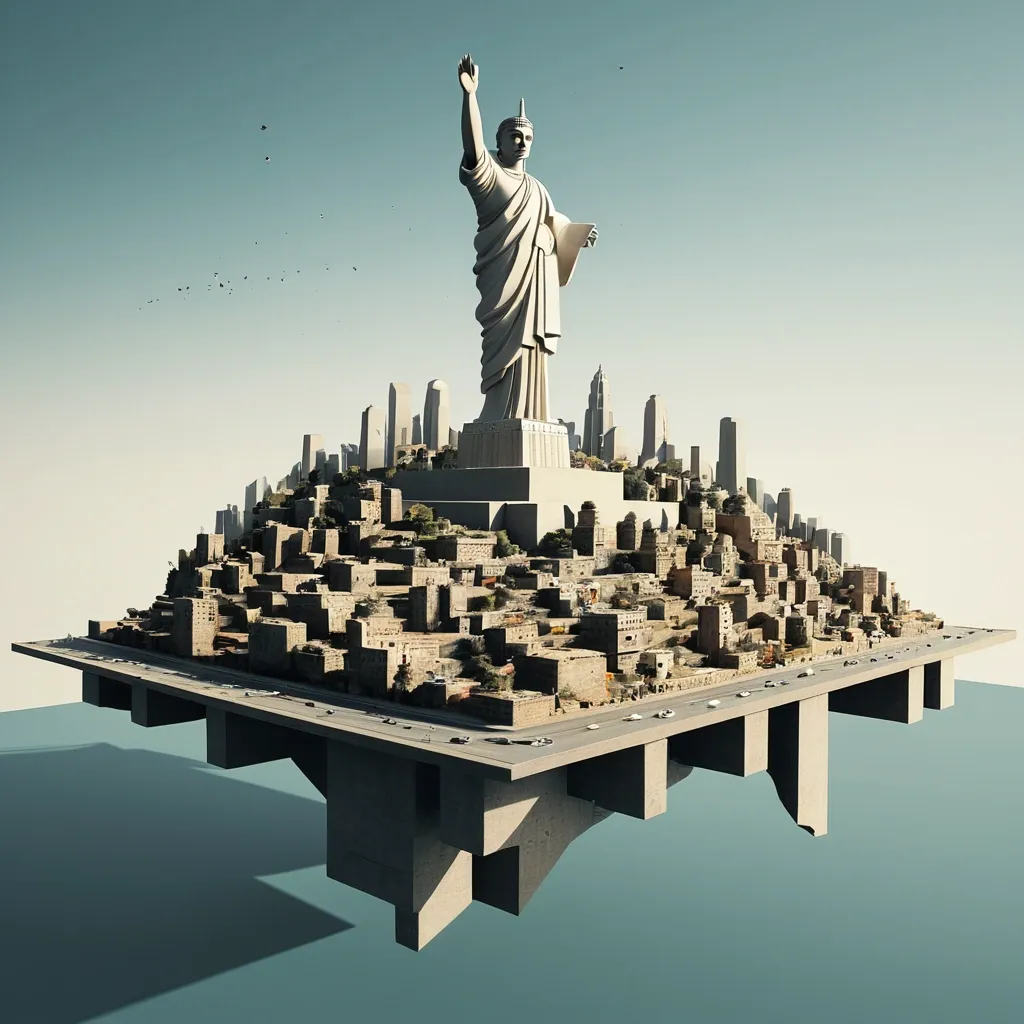
reate a bold surreal editorial artwork inspired by Statue Of Unity (world's tallest statue , with a height of 182 metres , located in Narmada valley , near Kevadia) , Gujarat , India. Vertical 4:5 format. Select recognizable landmarks , local architecture , cultural details , and natural features specific to this city , then transform them into an imaginative dreamlike composition rather than a conventional cityscape. Make one iconic architectural element impossibly oversized and floating above the ground. Arrange miniature city details on suspended fragments of local terrain. Let a ribbon of the city’s natural landscape curve upward through the architecture , defying gravity. Turn a locally meaningful texture or pattern into a monumental sculptural form. Use unexpected scale contrasts , impossible spatial relationships , floating geometric planes , and carefully placed disconnected shadows. Keep every material photorealistic so the impossible scene feels convincingly tangible. Choose a distinctive harmonious palette inspired by the city. Rich colors , dramatic directional studio lighting , crisp shadows , tactile surfaces , subtle film grain , and delicate halftone texture. Minimal luxury editorial art direction. Use only a few powerful elements with generous breathing room. Keep the composition in the lower 65% , leaving the upper 35% as clean negative space. Preserve the recognizable identity of the selected city. Do not mix landmarks from other cities. One cohesive surreal scene , not a collage grid. No people , handbags , text , letters , logos , watermarks , or social media interface. ,
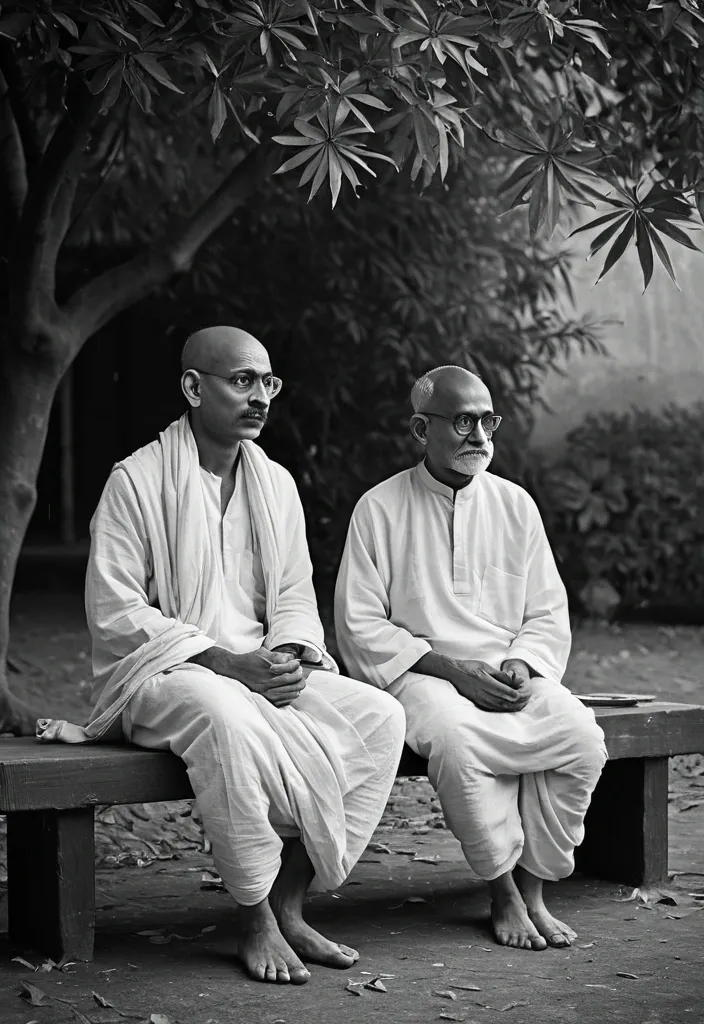
Use the uploaded image as the identity reference for the modern person and keep their face clearly recognizable. Create a black-and-white fine-art Gandhi Jayanti tribute featuring the uploaded person and Mahatma Gandhi seated on a simple wooden bench beneath a leafy tree. Gandhi wears his familiar khadi dhoti , shawl , and round spectacles; his walking staff rests beside the bench. Dress the uploaded person in a plain cotton kurta. Both sit naturally , with relaxed hands and thoughtful expressions , looking toward the camera. Medium-wide composition , soft side lighting , rich grayscale tones , gentle film grain , detailed faces , natural skin texture , and subtle background blur. Vertical 4:5 format. Give the image a vintage artistic treatment without fake archival stamps , newspaper frames , dates , or documentary labels. Exactly two people , no face blending , distorted limbs , text , or watermarks. ,
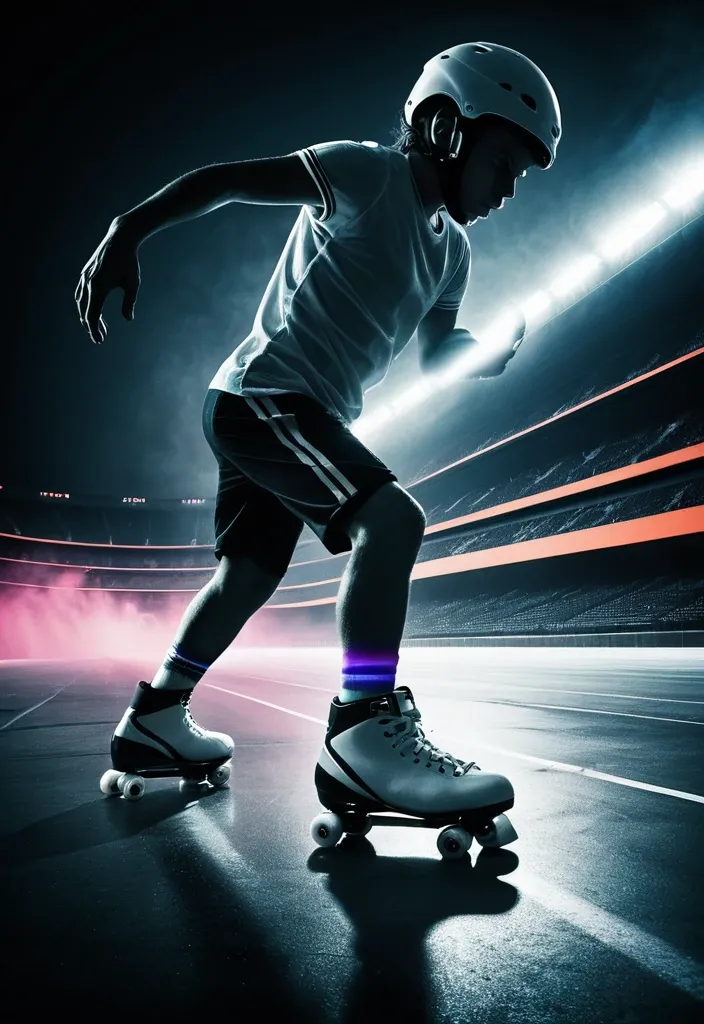
Create a finished premium sports campaign poster , 9:16 , full bleed. Extreme near-to-far Roller-skater photography , monumental white slanted typography , dark-to-luminous colored atmosphere. One physically connected piece of Roller-skater shoes dominates the foreground at huge scale , while the athlete recedes into depth behind it. The contact point keeps sharp microtexture; broad soft motion streaks and colored mist follow the direction of force. Near-black edges open into one luminous hue band behind the action. One dominant color per poster. No logos on clothing or gear , no extra text , no halftone , no paper grain , no random particles , no busy stadium , no disconnected equipment , no extra limbs. ,
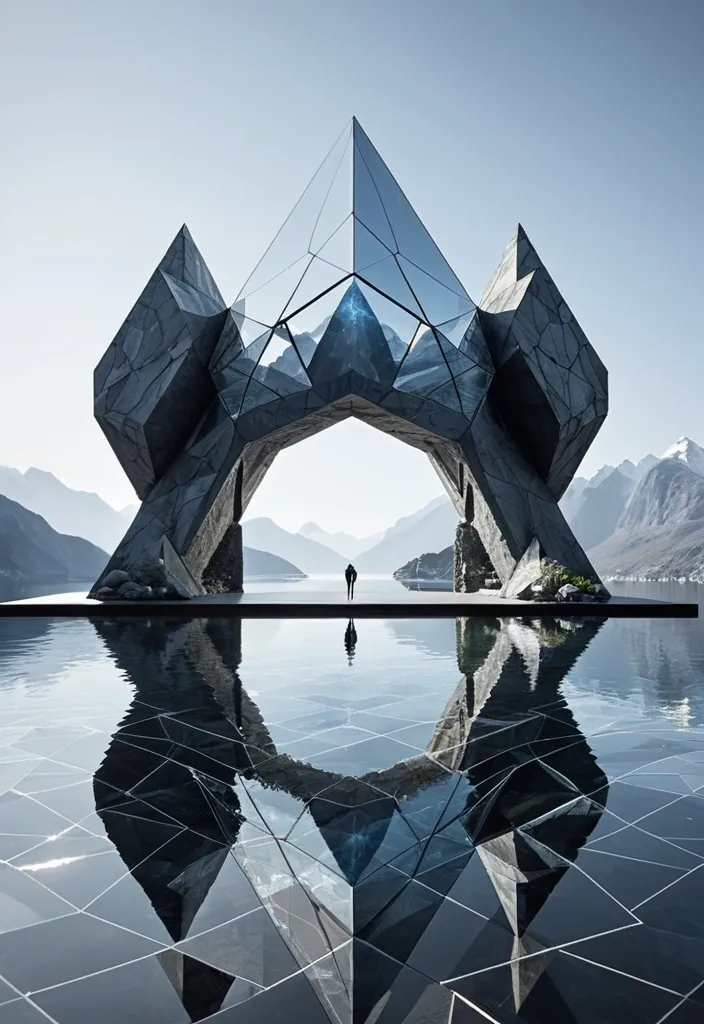
Endless Portal: Diamond portal becomes a building leading to mountains and water , then scale it up to an architectural level , and naturally transform the Product diamond Structure into the Space Transformation Method , making the product itself truly become a part of architecture , landscape , rather than a simply suspended oversized object. In the sea , incorporate extremely small Miniature Figures to emphasize scale , and through ways , reflections , mist , stone , architecture , terrain , or figure interactions , create authentic spatial relationships between the product and the environment. Incorporate a second layer of visual discovery , such as a world hidden inside the product , the product structure transforming into architecture , materials creating spatial refraction , reflections completing forms , figures passing through the product. Aspect Ratio 16: 9 ,
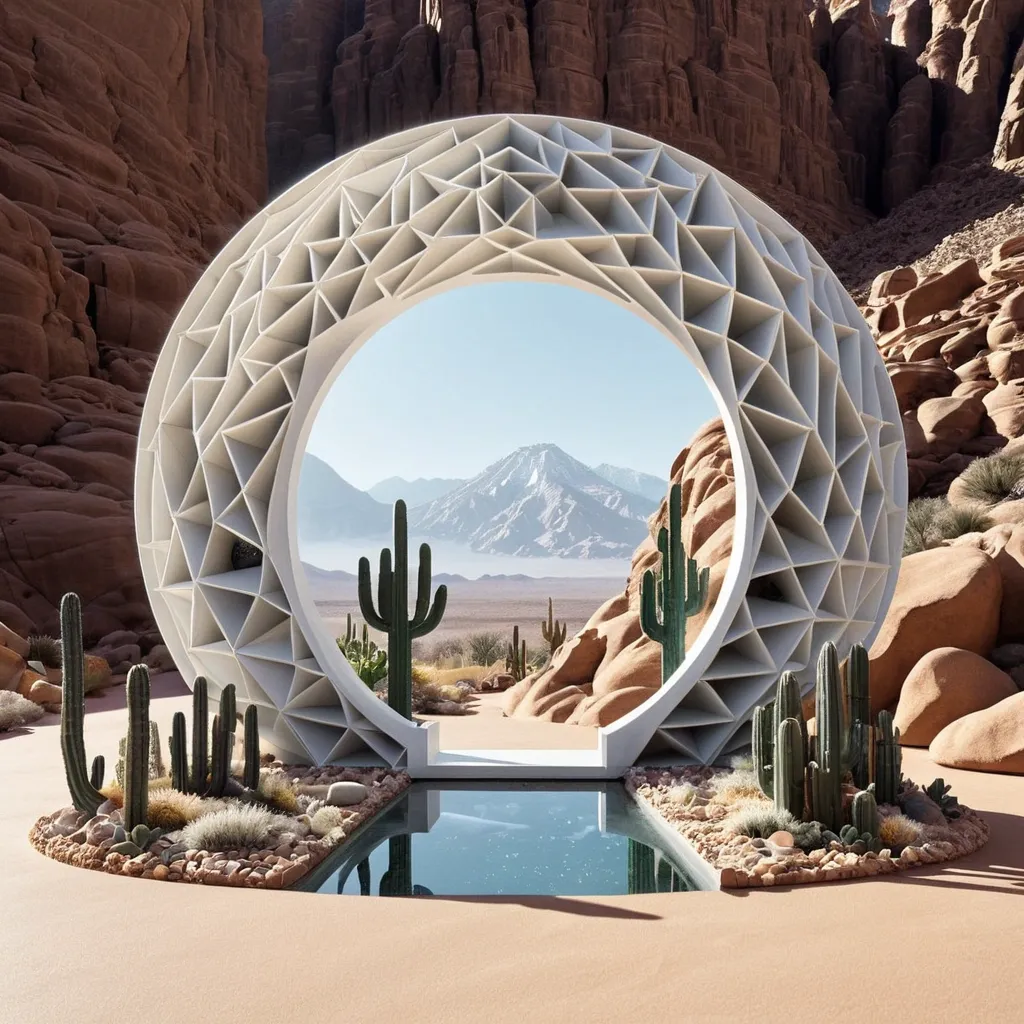
Eternal Portal: Diamond portal becomes a building leading to mountains and Cactus , then scale it up to an architectural level , and naturally transform the Product Core Structure into the Space Transformation Method , making the product itself truly become a part of architecture , landscape , rather than a simply suspended oversized object. In the Desert , incorporate extremely small Miniature Figures to emphasize scale , and through ways , reflections , dust , stone , architecture , terrain , or figure interactions , create authentic spatial relationships between the product and the environment. Incorporate a second layer of visual discovery , such as a world hidden inside the product , the product structure transforming into architecture , materials creating spatial refraction , reflections completing forms , figures passing through the product. Aspect Ratio 16: 9 ,
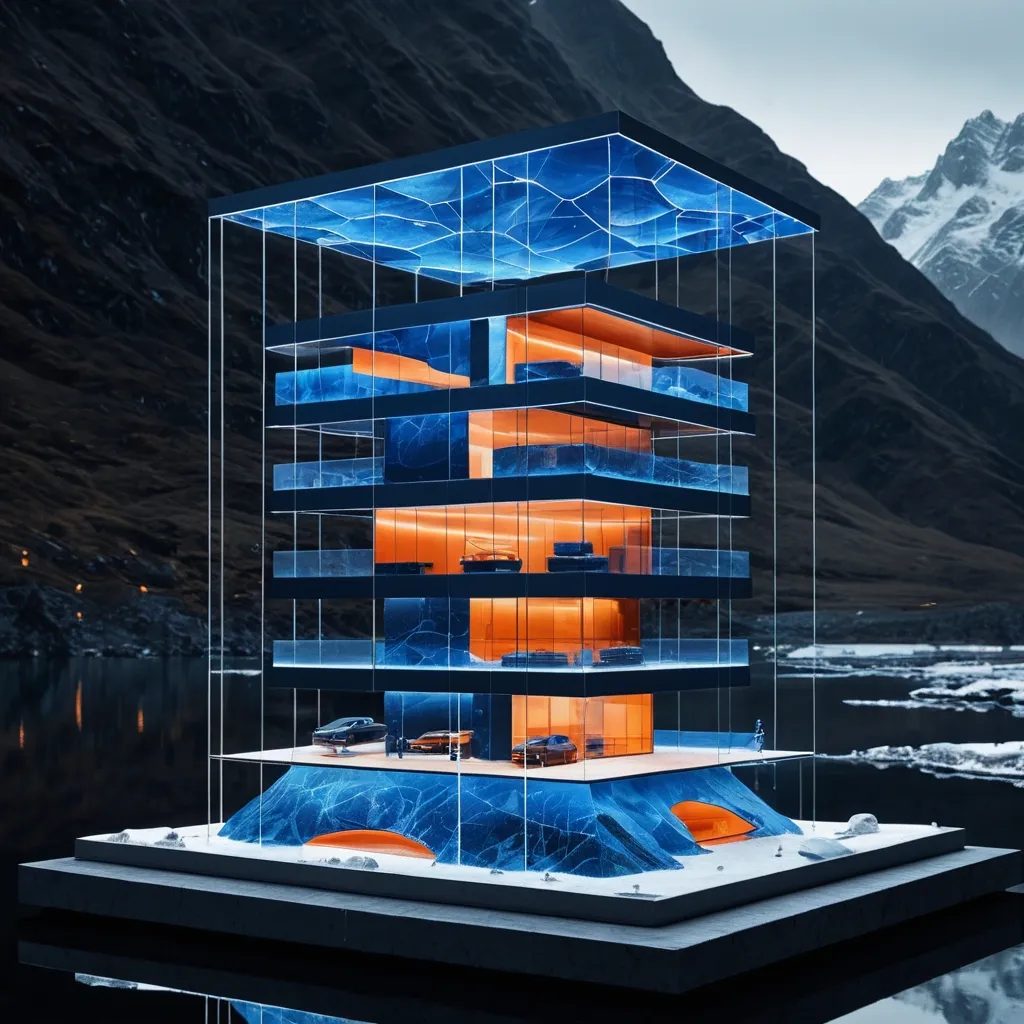
Eternal Ring: Diamond ring becomes a building leading to mountains and waters , then scale it up to an architectural level , and naturally transform the Product Core Structure into the Space Transformation Method , making the product itself truly become a part of architecture , landscape , or space , rather than a simply suspended oversized object. In the River , incorporate extremely small Miniature Figures to emphasize scale , and through roads , reflections , mist , glass , architecture , terrain , or figure interactions , create authentic spatial relationships between the product and the environment. Incorporate a second layer of visual discovery , such as a world hidden inside the product , the product structure transforming into architecture , materials creating spatial refraction , reflections completing forms , figures passing through the product , or product components extending into real space. Overall , use the dark blue as the dominant environmental color palette , with the Orange concentrated on the product or key visual structures , maintaining the texture of a premium brand Campaign , magazine Editorial , outdoor KV , and commercial proposal. Avoid ordinary product shelf shots , e-commerce ads , mere gigantification , cyberpunk aesthetics , complex UI , fake parameters , fake logos , garbled text , numbering , and cheap CG lighting effects. Aspect Ratio 16: 8 ,
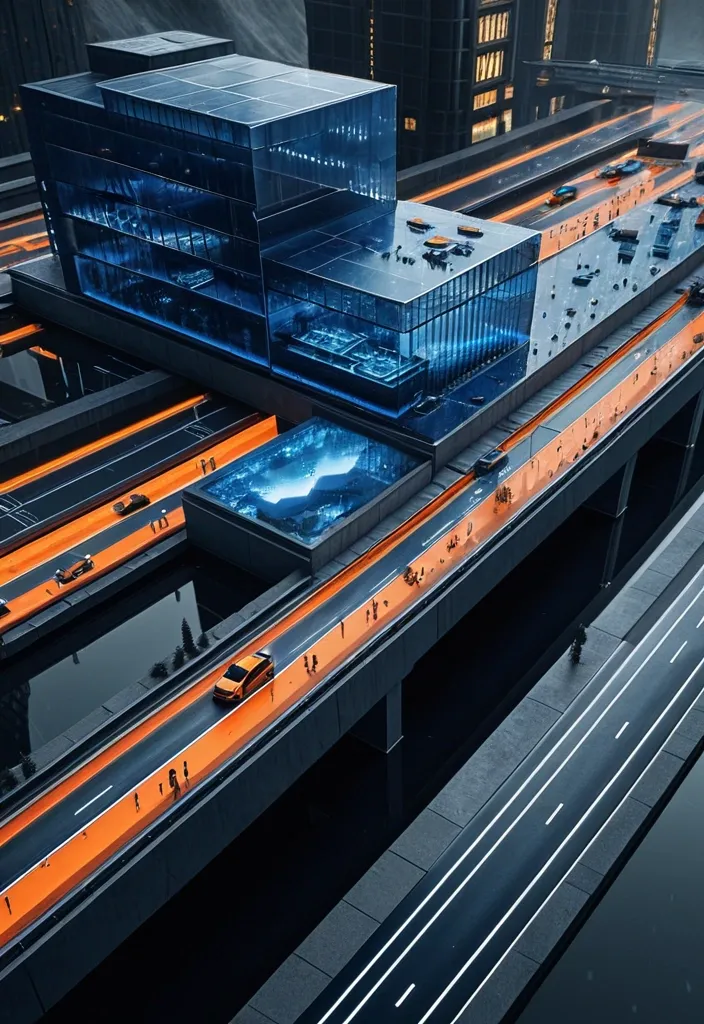
Time Entering the Realm: Giant watch dial becomes a plaza , second hand extending into a bridge , and market-ready product design , then scale it up to an architectural level , and naturally transform the Product Core Structure into the Space Transformation Method , making the product itself truly become a part of architecture , landscape , or space , rather than a simply suspended oversized object. In the Highway , incorporate extremely small Miniature Figures to emphasize scale , and through roads , reflections , mist , glass , architecture , terrain , or figure interactions , create authentic spatial relationships between the product and the environment. Incorporate a second layer of visual discovery , such as a world hidden inside the product , the product structure transforming into architecture , materials creating spatial refraction , reflections completing forms , figures passing through the product , or product components extending into real space. Overall , use the dark blue as the dominant environmental color palette , with the Orange concentrated on the product or key visual structures , maintaining the texture of a premium brand Campaign , magazine Editorial , outdoor KV , and commercial proposal. Avoid ordinary product shelf shots , e-commerce ads , mere gigantification , cyberpunk aesthetics , complex UI , fake parameters , fake logos , garbled text , numbering , and cheap CG lighting effects. Aspect Ratio 16:8 ,
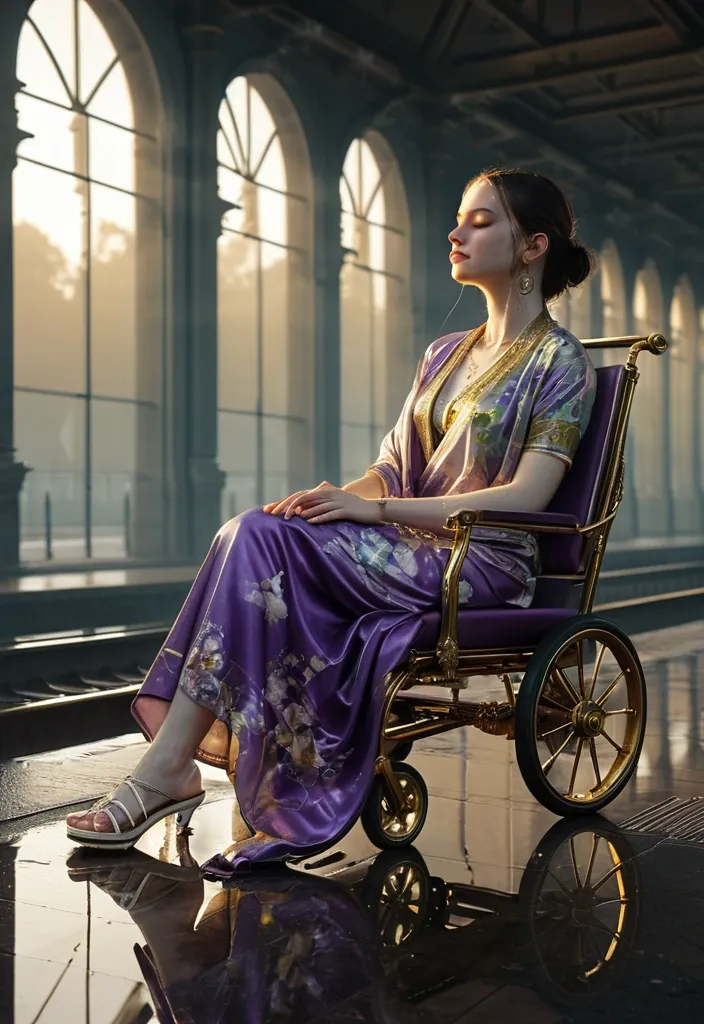
Create a portrait , seated pale-skinned woman in profile with eyes closed and a tranquil expression , Show her entire body from head to toe , with both white sandals completely visible. Place her full leather suitcase beside the chair , including wheels and handle. Floral Printed Lime purple Chinon Silk Saree with Embroidery Work , subtle gold jewelry , and elegant handbag. Heavy rain is visible through the large station windows , with wet railway tracks , puddles , mist , reflections , and an approaching train in the background. Premium luxury railway-station architecture with warm golden lighting and polished marble floor. by Lois Greenfield , movement , light , beauty , elegance , photo-realism , film still , bokeh , intricately detailed , hyper resolution , Canon EOS 5D Mark IV DSLR , f/8 , 1/250s , 80mm lens , ISO 240 , professional , perfect composition , beautiful detailed intricate insanely detailed octane render trending on artstation , 8k artistic photography , photorealistic concept art , soft natural volumetric cinematic perfect light , award winning photograph , masterpiece , hyper detailed , sharp focus , Broken Glass effect , no background , stunning , something that even doesn't exist , mythical being , energy , molecular , textures , iridescent and luminescent scales , breathtaking beauty , pure perfection , divine presence , unforgettable , impressive , breathtaking beauty , Volumetric light , auras , rays , vivid colors reflects. Aspect Ratio 9:16 ,
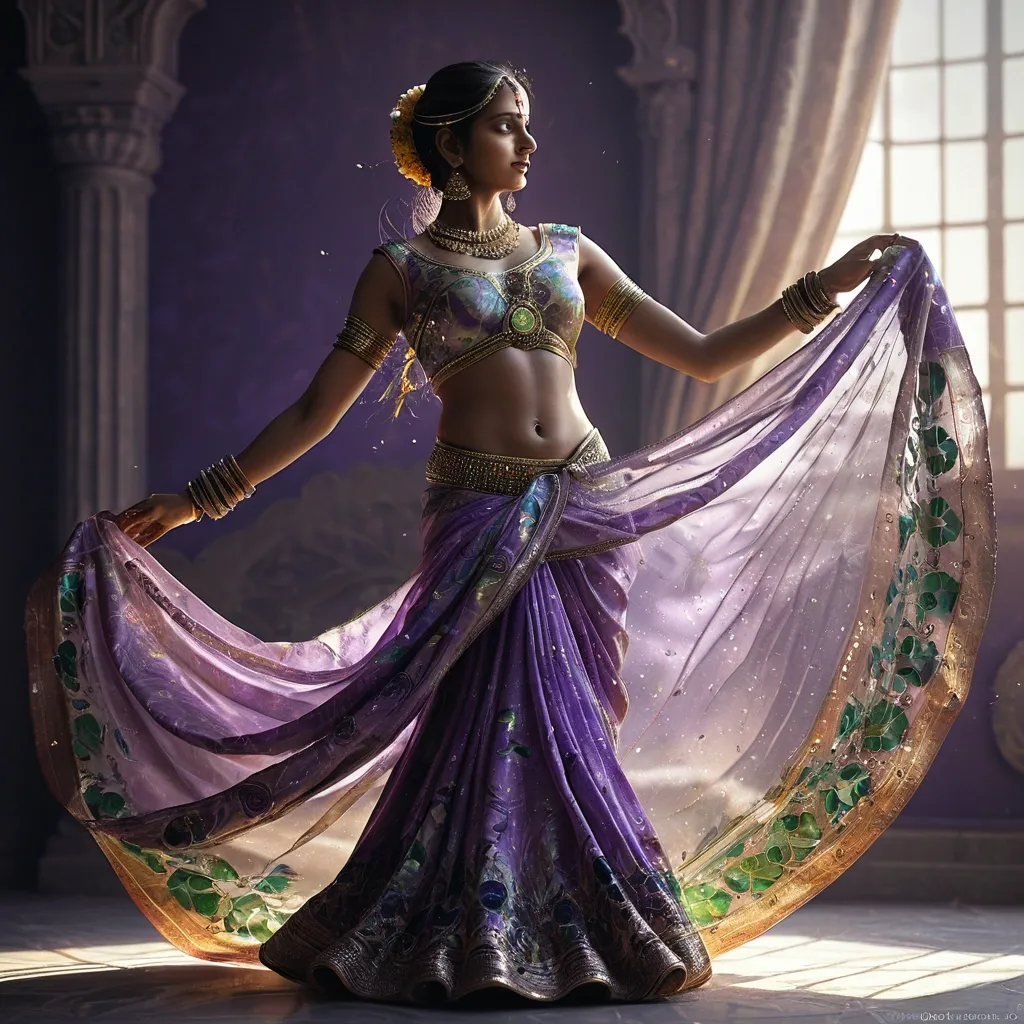
Graceful gujarati women , Navratri grarba dancer , anatomically correct , full body , wearing Floral Printed Lime purple Chinon Silk Saree with Embroidery Work , jewelry elaboration of details , stage , beautiful lines , curves , soft lighting , lithe figure , delicate movements , intricate sequence , elegant backdrop , flowing curtains , lavender shades , gold shades , dance photography , by Lois Greenfield , movement , light , beauty , elegance , photo-realism , film still , bokeh , intricately detailed , hyper resolution , Canon EOS 5D Mark IV DSLR , f/8 , 1/250s , 80mm lens , ISO 240 , professional , perfect composition , beautiful detailed intricate insanely detailed octane render trending on artstation , 8k artistic photography , photorealistic concept art , soft natural volumetric cinematic perfect light , award winning photograph , masterpiece , hyper detailed , sharp focus , Broken Glass effect , no background , stunning , something that even doesn't exist , mythical being , energy , molecular , textures , iridescent and luminescent scales , breathtaking beauty , pure perfection , divine presence , unforgettable , impressive , breathtaking beauty , Volumetric light , auras , rays , vivid colors reflects. Aspect Ratio 9:16 ,
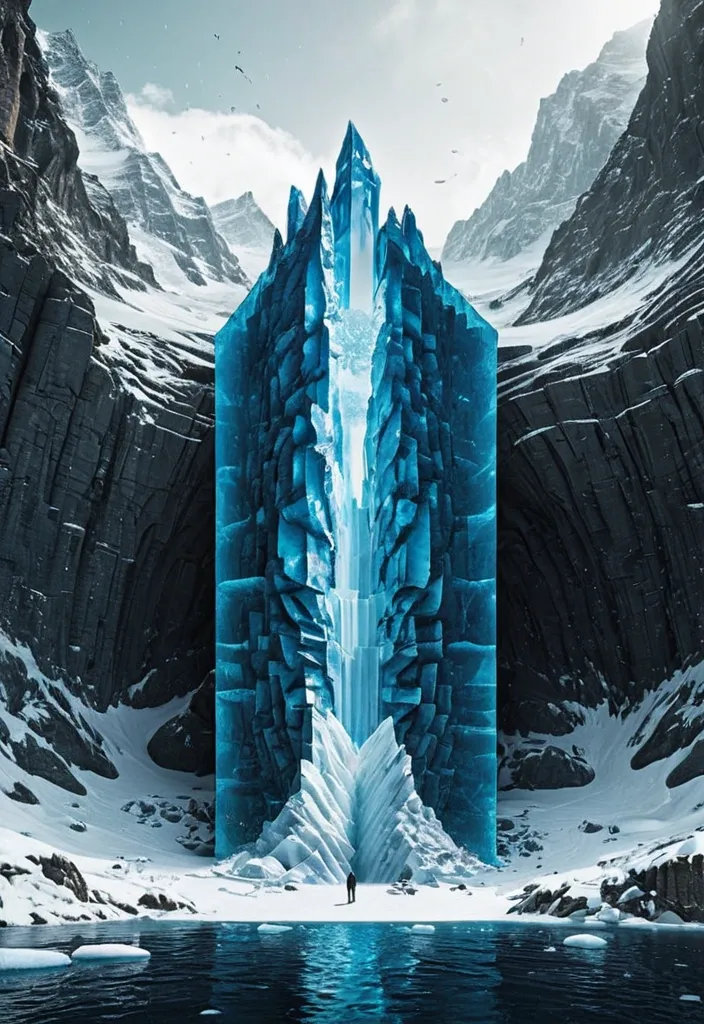
Theme: Ice Surface world: Ice-fort appears above the surface Hidden world: Cave gate is revealed underneath Key natural structure: Ice mass Main palette: Deep blue Title: Navro Subtitle: lishotta Create a premium 9:16 editorial poster from the WORLD SLICE series. Show a realistic natural landscape as if a section of the world has been physically cut open , revealing a much larger hidden structure beneath the visible surface. Keep the surface relatively simple and easy to read , while the hidden section becomes the main visual surprise. Use strong scale contrast , clear geological or ecological layers , realistic materials , believable depth , atmospheric perspective and cinematic natural light. The cutaway should not look like a glass box or aquarium. Treat it as a real piece of land , ocean , forest or ice physically sliced from the planet. Let parts of nature break beyond the geometric cutaway boundary: roots , rock formations , ice , water or terrain may extend outside the original shape to create stronger visual impact. Keep the central object around 55–70% of the poster width and preserve generous negative space. Avoid making the 3D cutaway too large. Integrate typography into the composition instead of adding many tiny labels. Use one bold main title , one short supporting line and only a few minimal editorial details. Allow natural elements to overlap , pass behind or partially cover the typography. Use a refined mix of modern serif and condensed sans-serif typography. The poster should feel like premium nature editorial design , contemporary art direction and photorealistic environmental visualization. Prioritize: strong thumbnail readability , one clear visual surprise , large recognizable forms , realistic natural textures , clean hierarchy , high-end editorial composition , and a strong contrast between the visible world and the hidden world. No logo , no watermark , no numbering , no excessive micro text , no HUD interface , no four-point sparkle symbols , no cheap CGI , no glass-container look. Make the final image feel like a complete finished poster , not a template. ,
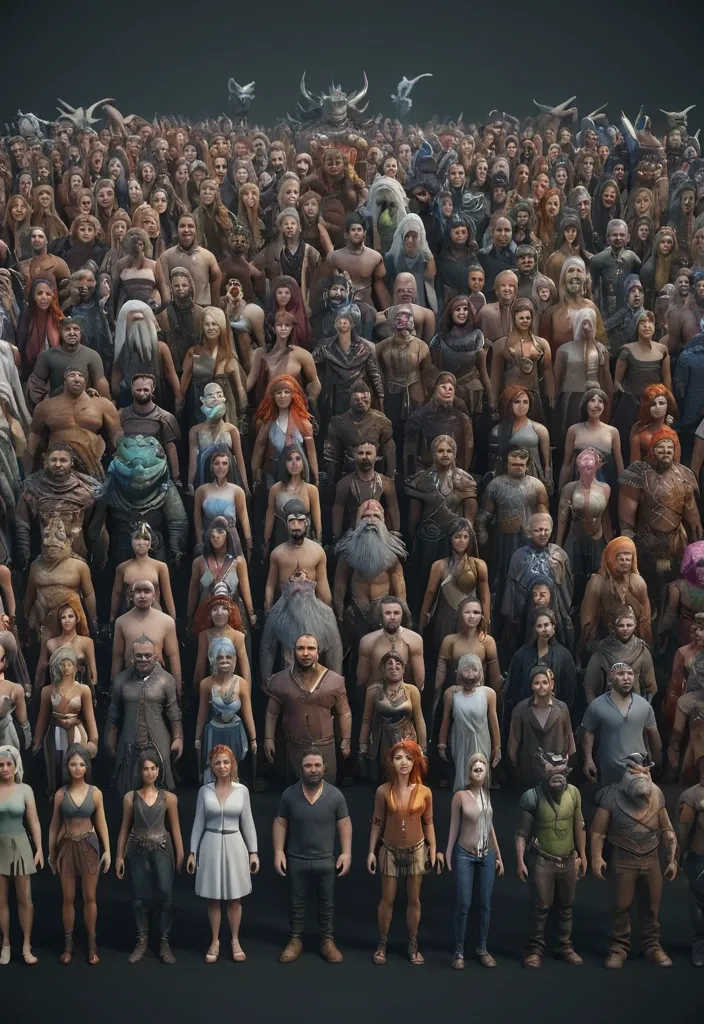
This AIGC workflow powers massive multi‑character crowd videos. Mix diverse original IPs , from stylized humans to fantasy creatures , all driven by audio reference. Skip tedious manual character setup; import dozens of custom digital humans and render lively group clips in one graph. Ideal for fashion reels , fantasy storytelling and creative social content. Unlock your large‑scale character‑driven video projects. Aspect Ratio: 16:9 ,
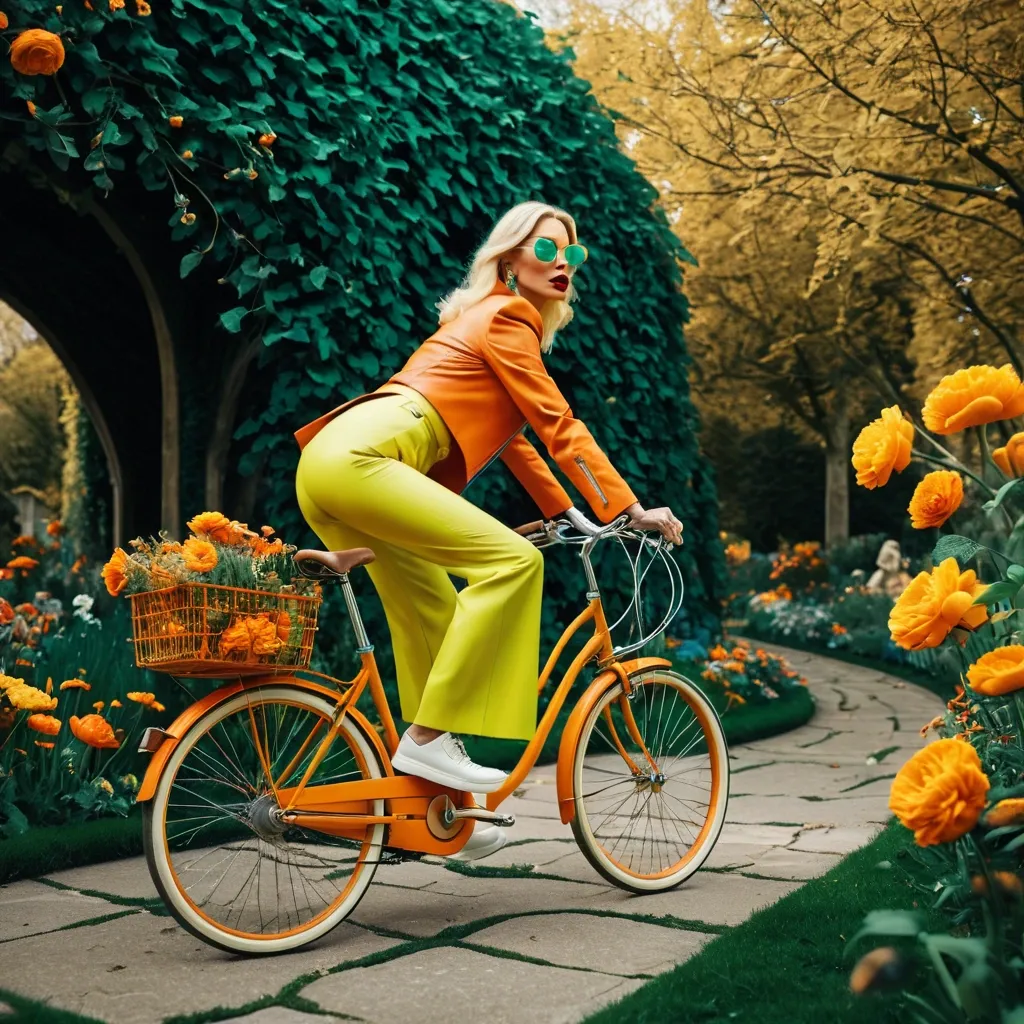
{ "aspect_ratio": "9:16" , "style": "surreal colorful high-fashion editorial" , "subject": { "character": "beautiful young European blonde woman" , "expression": "confident , playful" , "accessories": "elegant sunglasses" , "outfit": "bright orange cropped jacket , lime-green wide-leg trousers , cream sneakers" } , "action": "riding a cream vintage bicycle through a surreal fantasy garden" , "pose": "dynamic three-quarter rear view , leaning naturally into the ride while turning her head toward the camera" , "bicycle": "cream-colored vintage bicycle with a small minimal flower basket" , "environment": { "setting": "open surreal garden" , "flowers": "few enormous sculptural flowers placed far apart , oversized orange , yellow and turquoise petals" , "ground": "pale mint pathway with generous empty space" } , "composition": { "camera": "dramatic low-angle hero shot" , "framing": "full bicycle and full character visible" , "foreground": "one giant flower subtly framing the edge" , "negative_space": "strong , clean , uncluttered" } , "lighting": "warm golden daylight with cinematic shadows" , "mood": "wild , playful , bizarre , luxurious , dreamlike" , "visual_quality": "exaggerated scale , vibrant color harmony , crisp textures , unconventional fashion editorial energy , striking visual impact" } ,
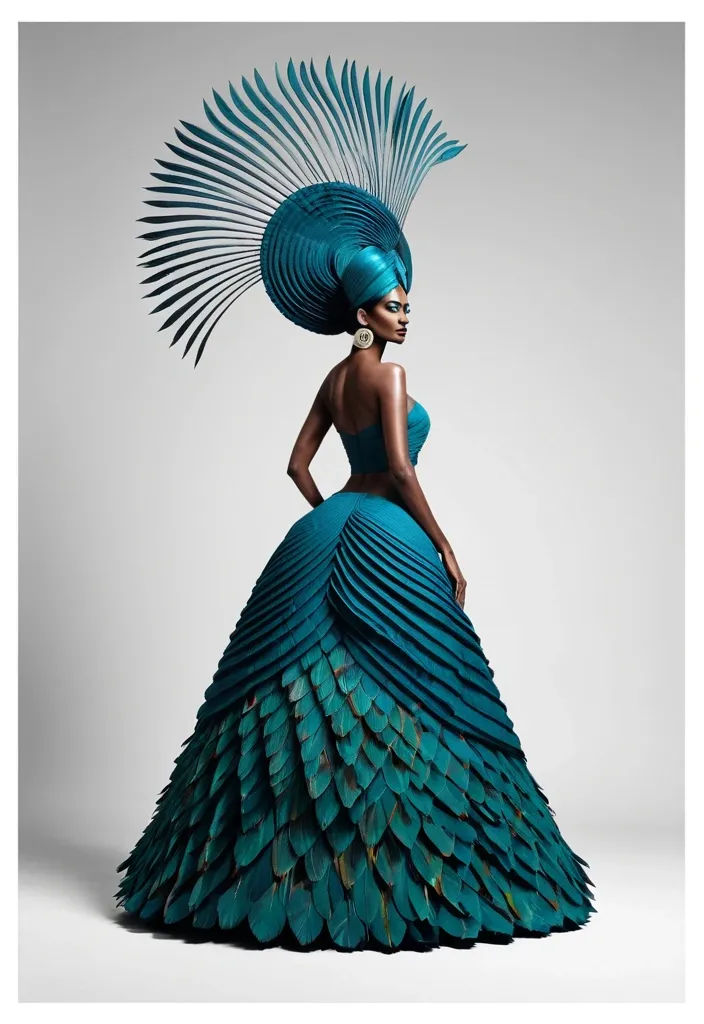
Diagonal composition should rely on "grand relationships , " not minor decorations. The subject or primary color field should ideally occupy about 45%–65% of the frame , while reserving a distinct quiet area to form directional shifts like "dense to sparse , " "near to far , " or "heavy to light." Avoid even 50% splits or standard mechanical 45° diagonal lines; slightly offset the diagonal angle to make the layout feel more natural and editorial. A woman wearing an avant-garde sculptural Saree crafted from peacock feathers pleated fabric with Indian traditional textured Saree. The Saree features a fitted V-neck bodice extending into a dramatic , spiraling circular fan frame over her head like a giant hat feathers sculpture. The final reading order should be: First , catch the bold diagonal grand form; second , understand how the subject or boundaries create direction; third , discover relationships between scale , negative space , and text; finally , read the title and minimal information. The overall effect should evoke real modern exhibition posters , photography features , cultural visuals , or design annual case studies—not just an ordinary image tilted on its side. ,
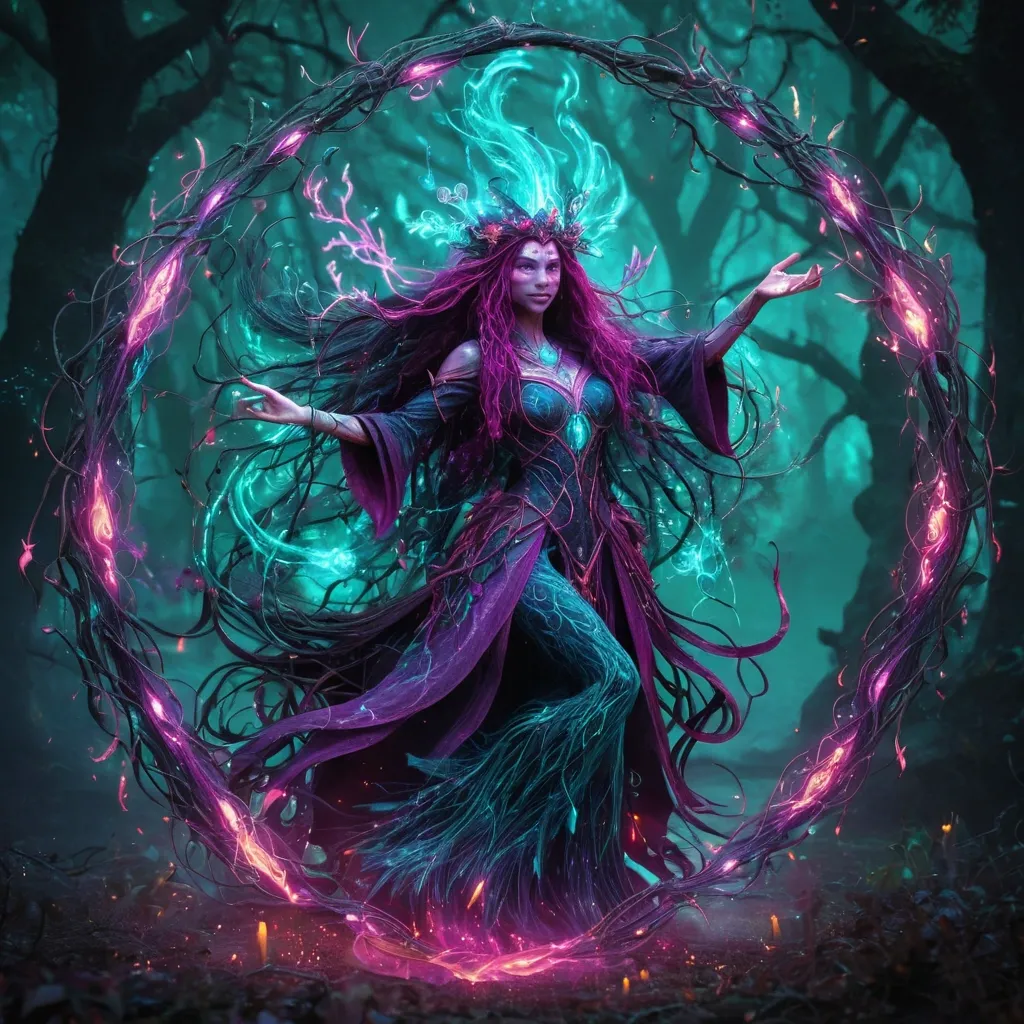
A dancing witch with flowing hair undergoing a Wild Magic Transformation as enchanted vines , glowing feathers , dragon scales , elemental flames , and spectral animal forms emerge from the body. Use vibrant magenta and contrasting teal to emphasize the unpredictable beauty of primal sorcery --ar 4:5 --v 8.2 ,
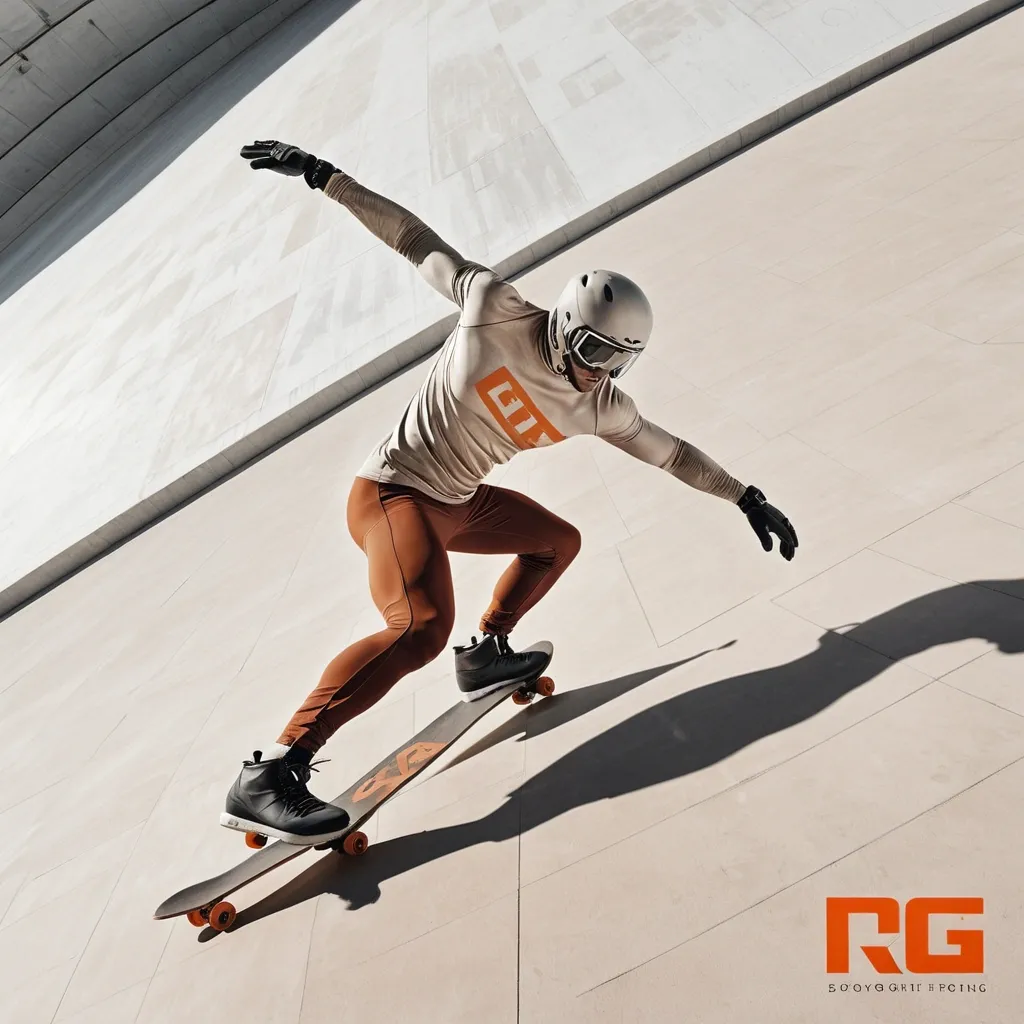
Create a finished sports-editorial campaign poster , 9:16 , full bleed. Lifelike action photography , monumental condensed typography , warm stone palette. One clear athletic moment becomes a sculptural focal point: a real body mid-action , directional hard light , deep sculpted shadow , believable skin , fabric and equipment texture. One headline in massive , heavy , ultra-narrow all-caps sans-serif , bone white. The type is a structural shape in the scene , not a caption: split , stacked or broken by the action. The athlete and headline physically interact: passing through , slicing between or overlapping the letters. Every character stays readable. Palette: warm taupe , stone , greige , bone white , charcoal shadow , with small rust-orange accents only. Strong scale contrast between body and type , with open color fields for breathing room. Headline: TAKE FLIGHT · board as underline · concrete skate bowl Skater at the peak of a high aerial above the bowl , cream windbreaker and dark trousers; the bowl's curved lip echoes the baseline. Type interaction: the board slices between TAKE and FLIGHT like a moving underline. No other text , no logos or brand marks , no watermark , no pseudo-lettering , no neon , no plastic skin , no fake distressed print , no effects that hide the action. ,
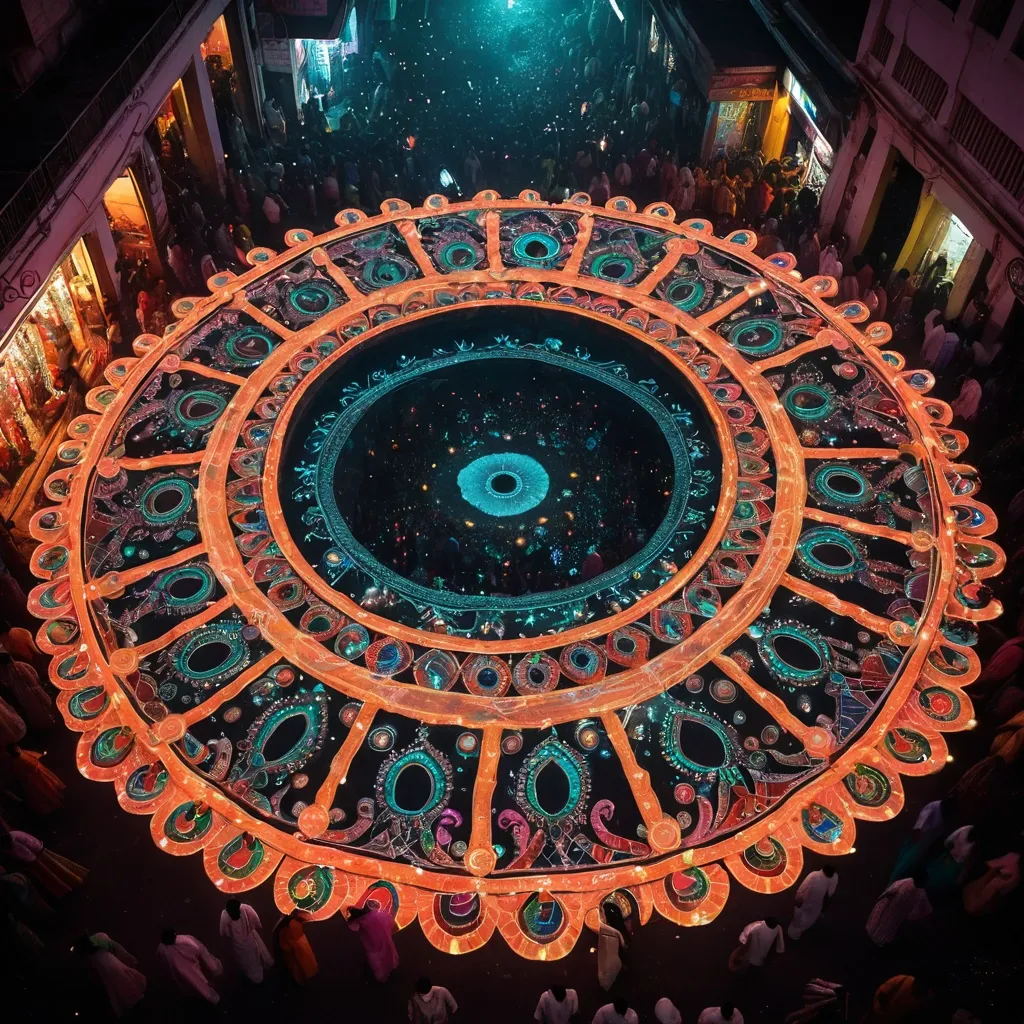
From down-top view of a bustling Indian street during a vibrant navratri festival , with citizens dressed in Madhubani‑print mirror‑work bioluminescent Chaniya Choli that spirals outward like in round , with intricate mirror fragments catching light. , editorial fashion attire. The architecture is a fusion of Art Deco and coral reef formations , lit by the soft glow of abyssal flora. The overall feeling is one of joyous revelry and fantastical , epic scale within a unique , celebratory dreamscape. Aspect Ratio: 9:16. ,
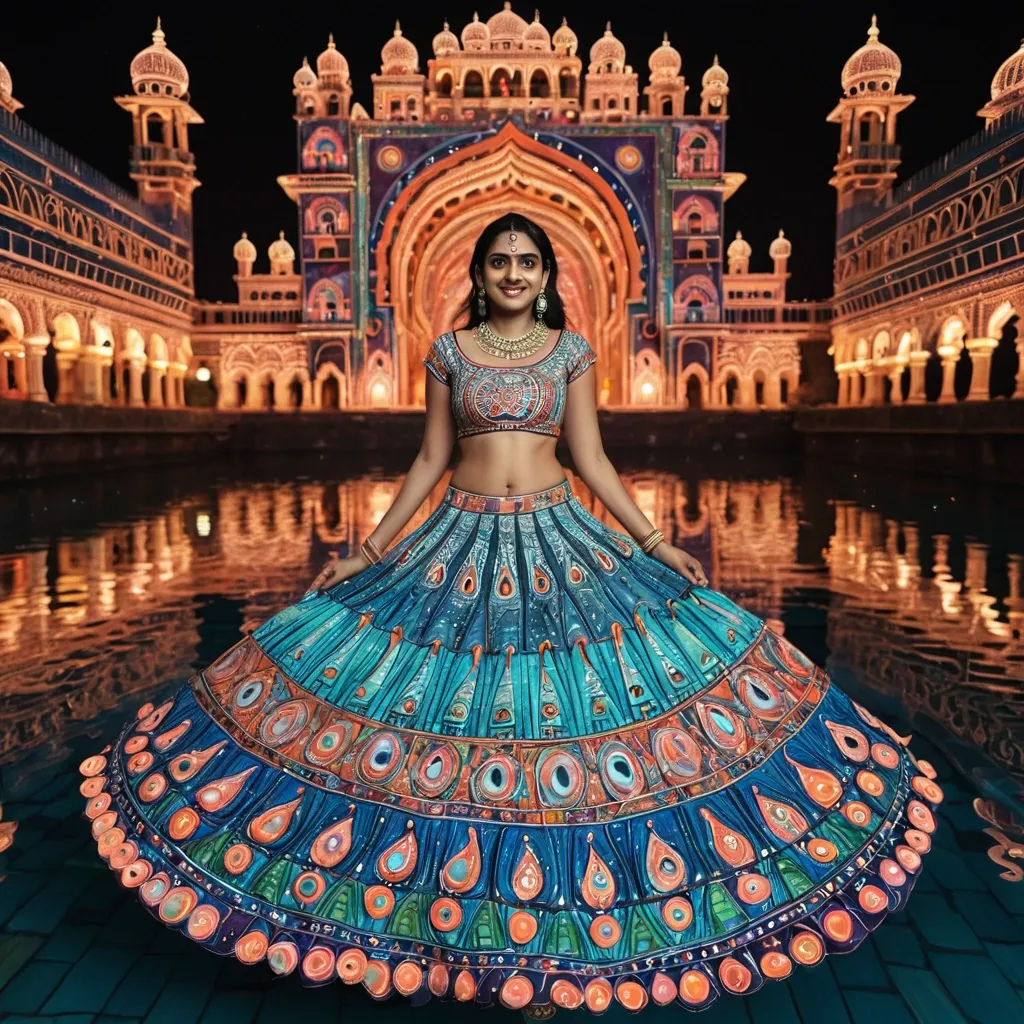
Imagine a bustling underwater city during a vibrant navratri festival , with citizens dressed in Madhubani‑print mirror‑work bioluminescent Chaniya Choli that spirals outward like in round , with intricate mirror fragments catching light. , editorial fashion attire. The architecture is a fusion of Art Deco and coral reef formations , lit by the soft glow of abyssal flora. The overall feeling is one of joyous revelry and fantastical , epic scale within a unique , celebratory dreamscape. Ratio 1:1. ,
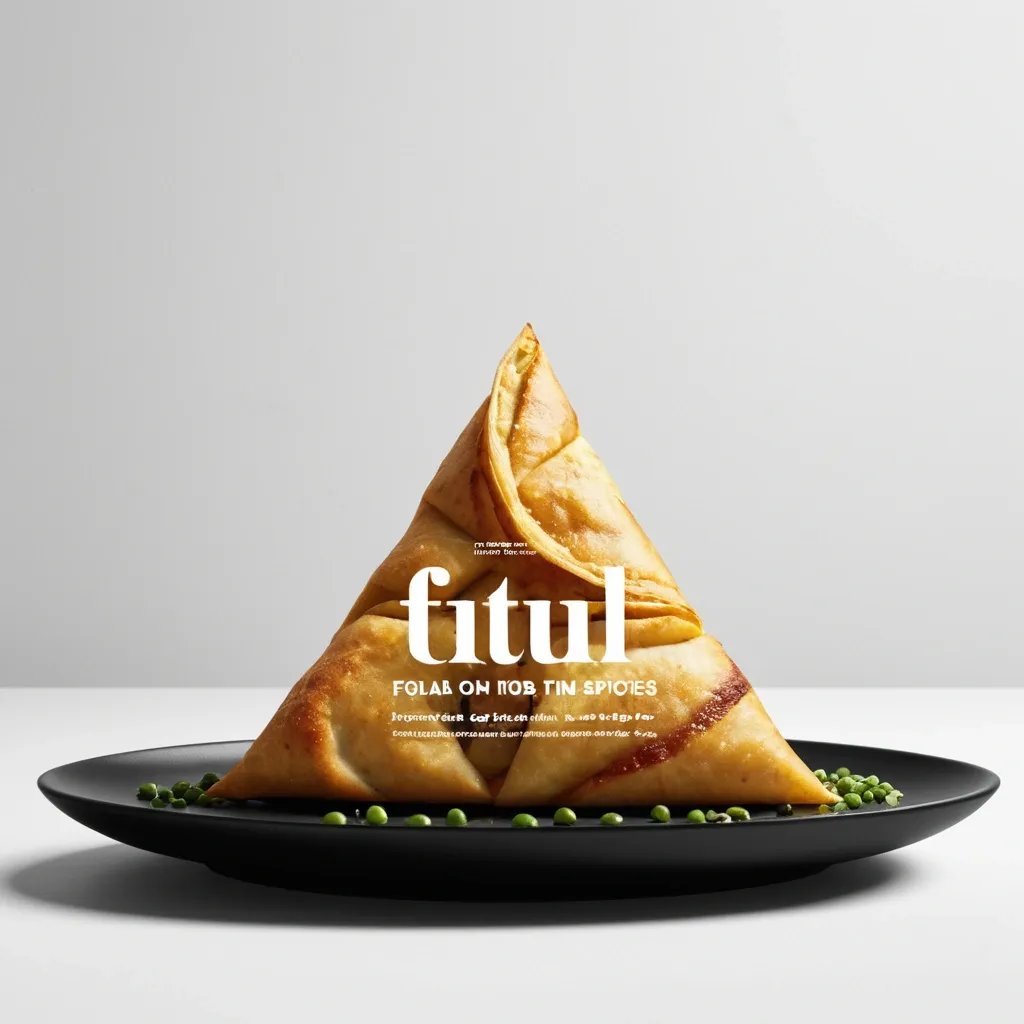
Brand: Aimosa Food: Samosa (popular fried or baked pastry with a savory filling , usually made with spiced potatoes , onions , and peas) Headline: Test of Street. Physical Interaction: FOLD. Accent Color: dark yellow Product Name: Samosa Price: 8$ Aspect Ratio: 9:16 Create a premium editorial food poster where real food physically interacts with and reshapes oversized typography , using a female open mouth background , bold white Heavy Grotesk typography , photorealistic food materials , generous negative space , and a broken editorial grid inspired by contemporary Indian food branding and high-end magazine design. The food and typography must exist inside the same physical world , the food should not simply overlap , decorate , or sit beside the letters , instead the selected physical action must visibly alter the typography through believable material behavior , geometry , heat , pressure , bending , abrasion , or surface transformation. A continuous food surface fold into a Triangle while the typography printed on that same surface bends , compresses , stretches , foreshortens , and wraps with it; Use only one main physical mechanism per poster , keep the cause and effect visually clear , untouched areas of the typography should remain hard , clean , geometric , and readable , all deformation should happen only where the food , tool , heat , or physical force actually makes contact. Use a broken editorial grid with strong scale contrast , asymmetric placement , edge information , small meaningful annotations , and large areas of negative space , add details such as Potatoes , Green peas , Fresh coriander leaves , Green chilies , 24hrs , and always available in hot , but avoid traditional menu rows , long horizontal divider lines , rigid bottom information bars , boxed prices , and template-like layouts. Use bold Grotesk Sans Serif for the main headline , high-contrast Editorial Serif or Italic Serif for product names , quotes , and prices , keep the palette minimal with a cream background , black typography , natural food colors , and one accent color. The final poster should feel clever , physical , premium , contemporary , and instantly readable at thumbnail size , the first glance should reveal the food and headline , the second glance should reveal the physical mechanism that has transformed the typography. ,
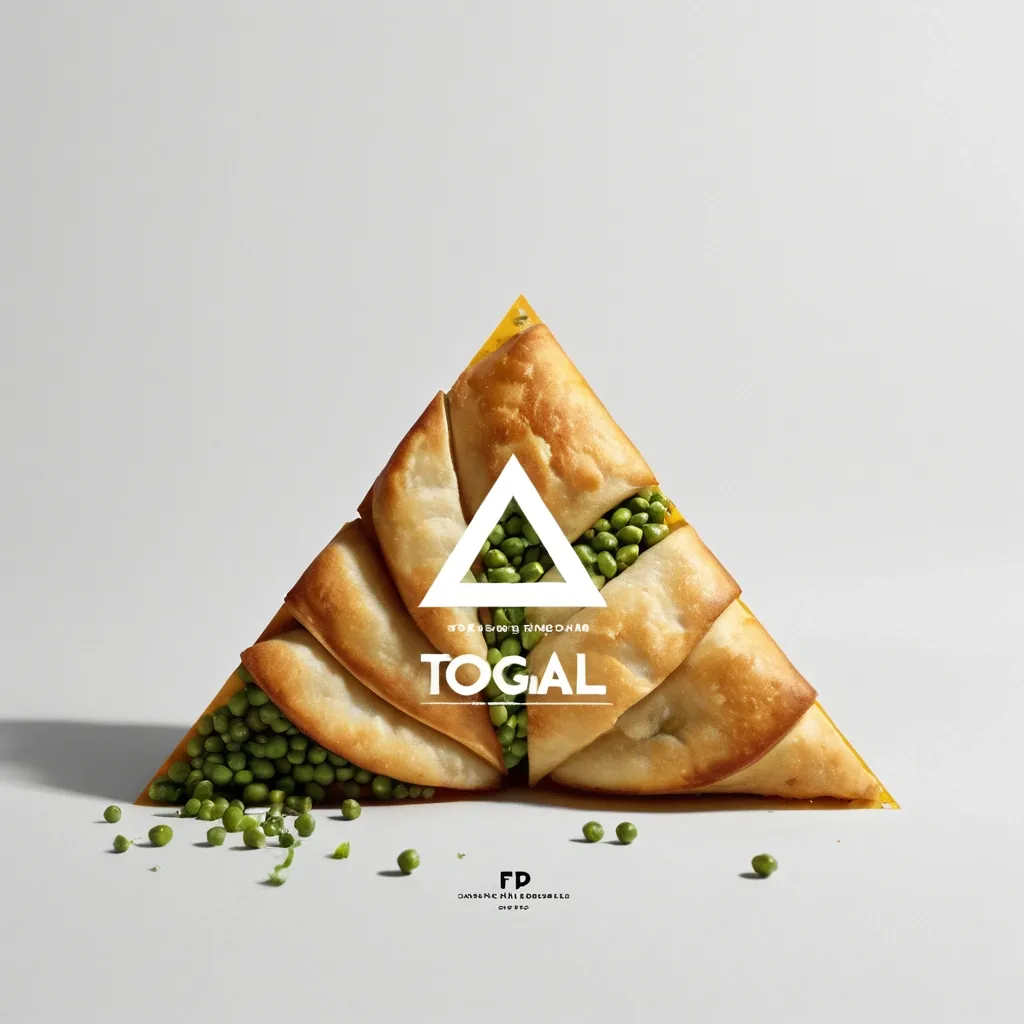
Brand: Aimosa Food: Samosa (popular fried or baked pastry with a savory filling , usually made with spiced potatoes , onions , and peas) Headline: Test of Street. Physical Interaction: FOLD. Accent Color: dark yellow Product Name: Samosa Price: 8$ Aspect Ratio: 9:16 Create a premium editorial food poster where real food physically interacts with and reshapes oversized typography , using a warm Night street background , bold white Heavy Grotesk typography , photorealistic food materials , generous negative space , and a broken editorial grid inspired by contemporary Indian food branding and high-end magazine design. The food and typography must exist inside the same physical world , the food should not simply overlap , decorate , or sit beside the letters , instead the selected physical action must visibly alter the typography through believable material behavior , geometry , heat , pressure , bending , abrasion , or surface transformation. A continuous food surface fold into a Triangle while the typography printed on that same surface bends , compresses , stretches , foreshortens , and wraps with it; Use only one main physical mechanism per poster , keep the cause and effect visually clear , untouched areas of the typography should remain hard , clean , geometric , and readable , all deformation should happen only where the food , tool , heat , or physical force actually makes contact. Use a broken editorial grid with strong scale contrast , asymmetric placement , edge information , small meaningful annotations , and large areas of negative space , add details such as Potatoes , Green peas , Fresh coriander leaves , Green chilies , 24hrs , and always available in hot , but avoid traditional menu rows , long horizontal divider lines , rigid bottom information bars , boxed prices , and template-like layouts. Use bold Grotesk Sans Serif for the main headline , high-contrast Editorial Serif or Italic Serif for product names , quotes , and prices , keep the palette minimal with a cream background , black typography , natural food colors , and one accent color. The final poster should feel clever , physical , premium , contemporary , and instantly readable at thumbnail size , the first glance should reveal the food and headline , the second glance should reveal the physical mechanism that has transformed the typography. ,
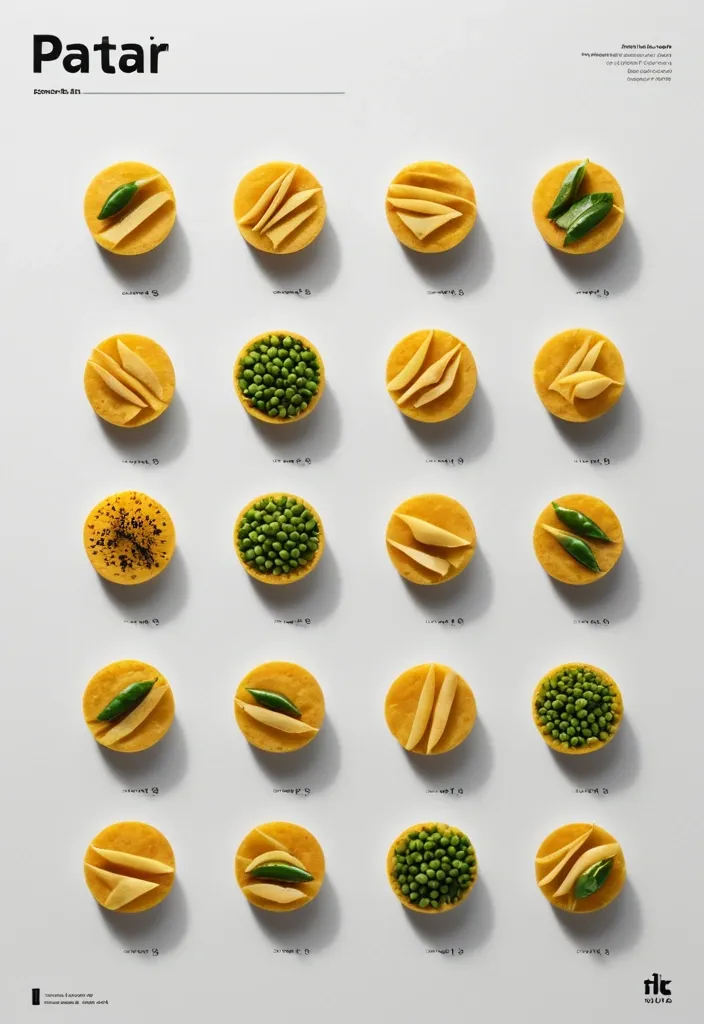
Brand: Duotone Food: Samosa (popular fried or baked pastry with a savory filling , usually made with spiced potatoes , onions , and peas) Headline: Saving of Pocket Physical Interaction: FOLD Accent Color: dark yellow Product Name: બારાસ Price: 8$ Aspect Ratio: 9:16 Create a premium editorial food poster where real food physically interacts with and reshapes oversized typography , using a warm Night street background , bold white Heavy Grotesk typography , photorealistic food materials , generous negative space , and a broken editorial grid inspired by contemporary Indian food branding and high-end magazine design. The food and typography must exist inside the same physical world , the food should not simply overlap , decorate , or sit beside the letters , instead the selected physical action must visibly alter the typography through believable material behavior , geometry , heat , pressure , bending , abrasion , or surface transformation. typography printed directly onto a thin food surface follows the same crease , perspective compression , rotation , and occlusion as the food is physically folded; Use only one main physical mechanism per poster , keep the cause and effect visually clear , untouched areas of the typography should remain hard , clean , geometric , and readable , all deformation should happen only where the food , tool , heat , or physical force actually makes contact. Use a broken editorial grid with strong scale contrast , asymmetric placement , edge information , small meaningful annotations , and large areas of negative space , add details such as Potatoes , Green peas , Fresh coriander leaves , Green chilies , 24hrs , Xyz Lane , and always available in hot , but avoid traditional menu rows , long horizontal divider lines , rigid bottom information bars , boxed prices , and template-like layouts. Use bold Grotesk Sans Serif for the main headline , high-contrast Editorial Serif or Italic Serif for product names , quotes , and prices , keep the palette minimal with a cream background , black typography , natural food colors , and one accent color. The final poster should feel clever , physical , premium , contemporary , and instantly readable at thumbnail size , the first glance should reveal the food and headline , the second glance should reveal the physical mechanism that has transformed the typography. ,
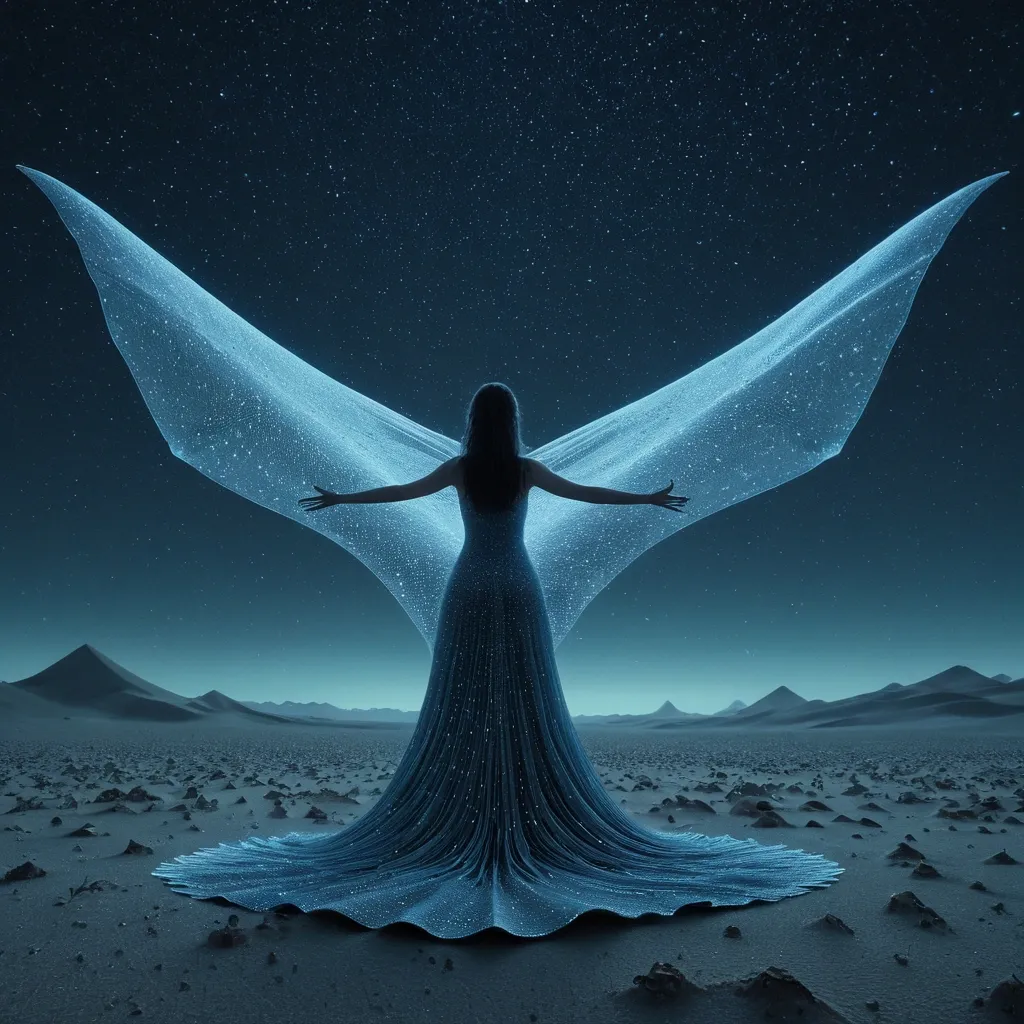
A lonely female violinist standing on an infinite , flowing gown woven from thousands of shimmering , light-blue micro-licorice dots , the fabric of which seamlessly melts and connects into the desert ground around her , pale stage show under a dark night sky. above the figure , an enormous eagle ray emerging with a aurora light resembling a giant , blending into the night sky with fine , subtle textures of stardust. the scene feels surreal , minimalist , and overwhelming in scale , in style of Giger and Beksinski. 9:16 aspect ratio. ,
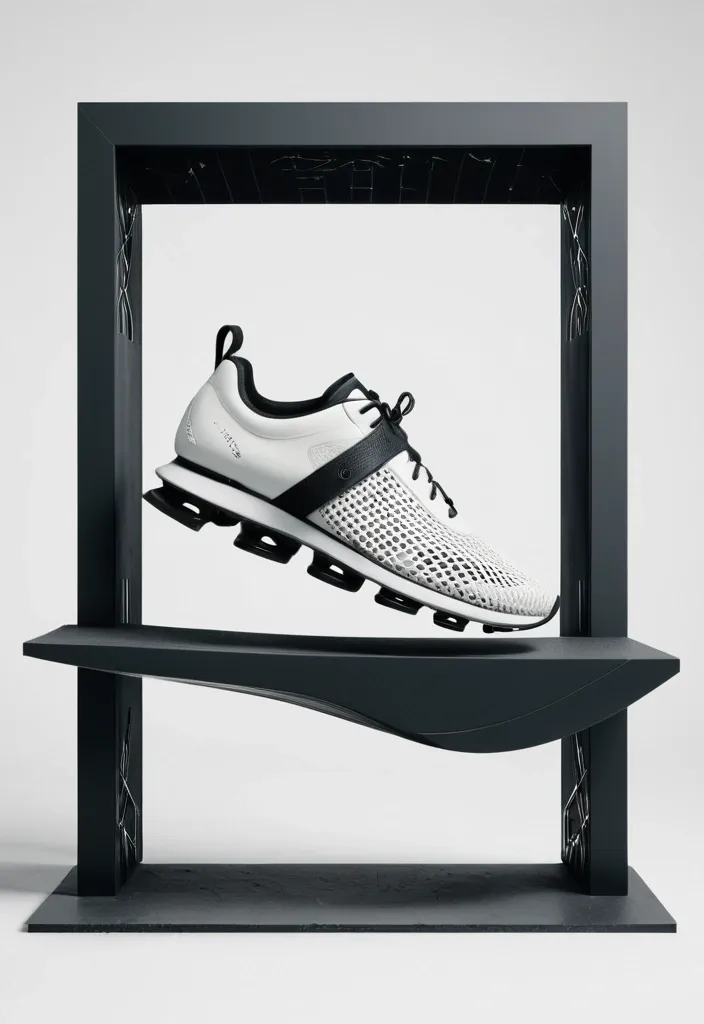
Create a premium future-sport editorial footwear concept board , 9:16 , full bleed. Modular panel atelier layout , sculptural unbranded footwear , human movement. A disciplined high-contrast editorial board composed of 2 to 4 crisp modular image panels with clean gutters and generous negative space. Obsidian , warm bone , and brushed titanium palette with a single restrained glacial-cyan accent line or marker. Hero footwear features an original unbranded sculptural architecture: pearl-bone knit upper , open heel cage , floating brushed-titanium arch bridge , and a continuous smoked-ceramic rocker with three long carved channels. Smooth integrated forefoot , no separate round pods , no red sole. Panels combine: one dynamic human athletic gesture or quiet moment in natural scale , one hero shoe profile catching metallic highlights , and one tactile macro detailing the open arch bridge and rocker grooves. floating leap · obsidian-to-bone cyclorama Athlete suspended in a vertical leap in profile with folded leg. Opposite panels isolate a floating smoked-ceramic shoe macro and the open titanium arch void. Layout: tall motion panel left , stacked footwear macros right. Title: WEIGHTLESS. Render one clean editorial title in refined condensed grotesk. Keep typography grid-aligned with minimal micro-labels. No Nike , no Reebok , no swoosh , no logos , no fake brand marks , no cluttered HUD , no duplicate limbs. ,
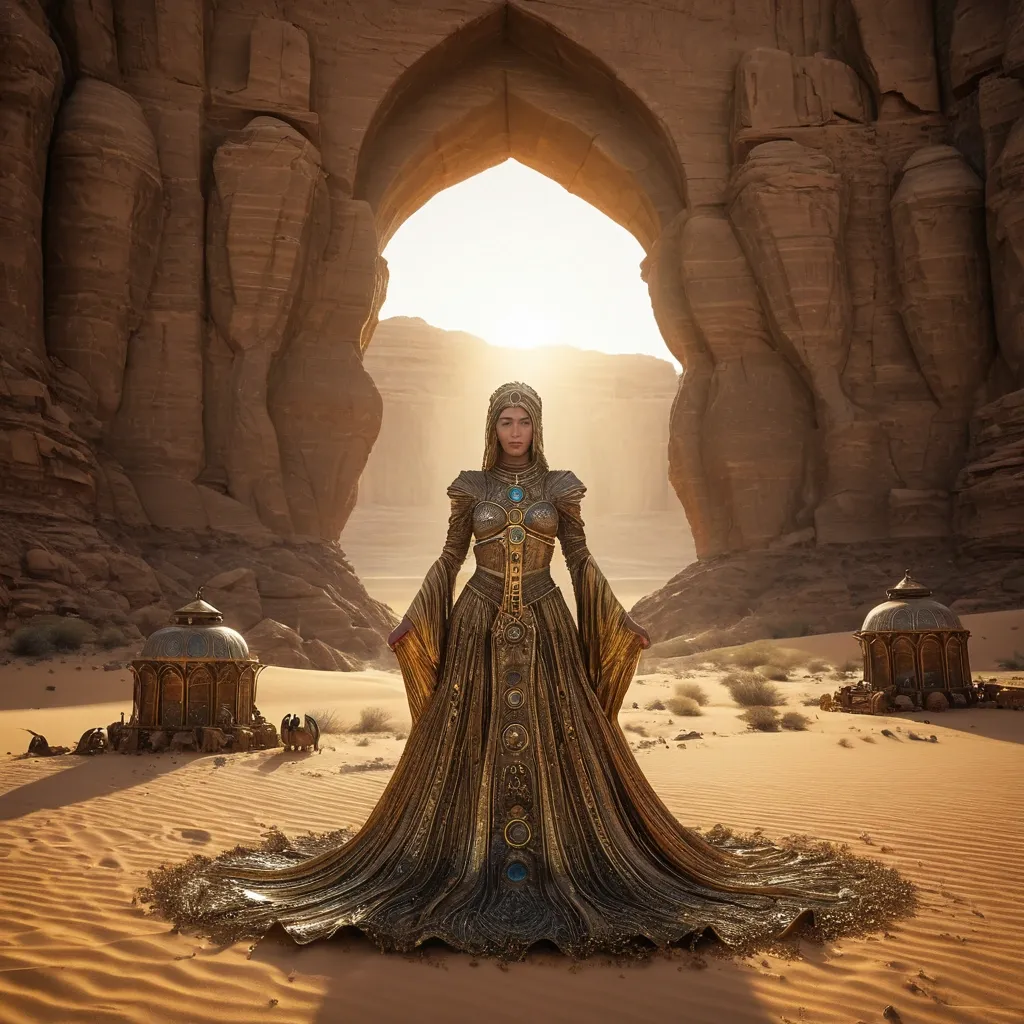
A cinematic , photorealistic landscape shot of a colossal desert rock arch at golden hour. The arch's interior walls are not just stone , but a surreal fusion of natural rock and giant , interlocking bioluminescent gears made of ancient bronze , with hydraulic pistons hissing steam. Through this magnificent , mechanical-natural frame , a tiny nomadic caravan of camels and tents is glimpsed in the distance , emphasizing the immense scale. In the foreground , a beautiful woman stands waiting , her entire head clearly within the frame. She holds an ornate , brass Middle Eastern-style teapot. She wears an extraordinary , flowing gown woven from thousands of shimmering , golden micro-licorice strands , the fabric of which seamlessly melts and connects into the desert ground around her. The overall style is a blend of epic National Geographic photography and steampunk fantasy , evoking a sense of adventure and exploration. Volumetric lighting , god rays , intricate detail , 8k , octane render. --ar 1:1 --style raw --s 750 ,