Search Results for branching
Explore AI generated designs, images, art and prompts by top community artists and designers.
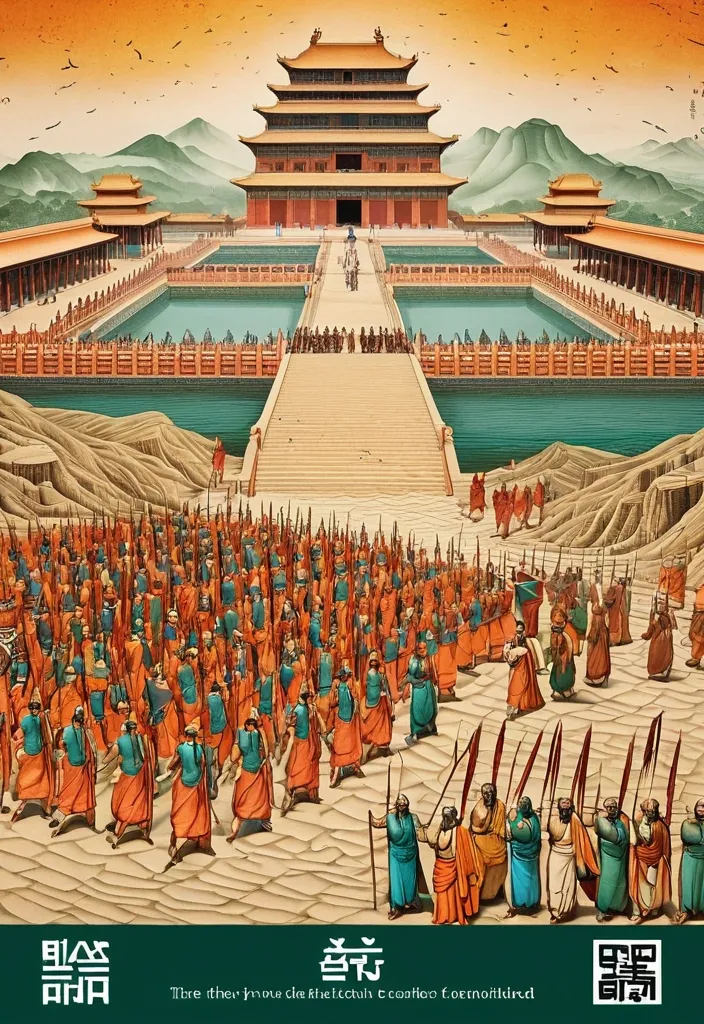

Theme: Ancient Water Conservancy Main palette: Sand path , sand , orange Structural method: another paper construction Micro scene: a tiny Walking march , performance Event details: 02 October , 05:30 am , Start Aspect ratio: 16:9 Design a historical and cultural poster with a modern Eastern editorial aesthetic , using "paper fibers + large color fields + micro-scenes" as the core visual language. Do not interpret traditional culture as stacking ancient architecture , calligraphy , auspicious clouds , or artifacts. Instead , first distill the Cultural Logic , then let large areas of handmade paper color fields directly carry structures , spaces , time , flow , order , or process relationships , so that viewers first see a strong and clear large form from afar , and only gradually discover the cultural narrative hidden within upon closer inspection. Use the dark green , sand style to establish 2–5 main paper color blocks of distinctly different sizes , maintaining low saturation but complete color intensity. All color blocks should have the authentic , rich texture of handmade paper , pulp , watercolor , or mineral pigments , with visible natural long and short fibers , pigment deposition , subtle impressions , large-scale natural color variations , and irregular torn paper edges. The overall effect should be matte , clean , and intact—avoid dirtiness , yellow spots , random speckles , cheap retro effects , or digital gradients. Based on the theme , let the color fields express the logic of system operations through folding , branching , interweaving , interlocking , offsetting , supporting , segmenting , enclosing , or negative space relationships , rather than simply serving as decorative backgrounds. Embed the Dadi march within the large color field structure , keeping figures and props at a very small scale , totaling about 3%–6% of the image area. Each scene must depict a clear action , with causal or temporal relationships between them , such as "entering → executing → recording → completing , " allowing the miniature figures to truly drive the narrative rather than just standing in poses. Figures' clothing in indian Freedom fighter style and artifacts should align with the theme's era and identity but remain restrained—avoid cinematic historical drama excess; scenes should only retain key props that illustrate systemic relationships , without cluttering with decorations or irrelevant cultural symbols. Typography should employ the editorial language of modern Eastern cultural institutions , museums , or archival exhibitions. The main title Dandi March should use refined Song typeface , publication-inspired Gujarati fonts , at a medium-small size that does not overpower the large color fields; supporting English text , dates , locations , and explanatory information should use even smaller sizes to create clear hierarchies. Subtle cinnabar seals , paper tags , archival labels , or node text may be added , but they must genuinely relate to the thematic logic—do not add them randomly just for a "Indian Freedom fighter style" feel. The overall reading order should be: large color field structures and color relationships → systemic or spatial logic → miniature figures' continuous narrative → main title and exhibition information. The final image should achieve a strong large form and visual impact from afar , revealing paper fibers , figure actions , and historical details up close , balancing design sensibility , narrative depth , and cultural completeness. Avoid book cover vibes , traditional Chinese illustration styles , screens full of ancient architecture , oversized titles , PPT-style rigid layouts , modern infographic arrows , meaningless English placeholders , element piling , commercial ad vibes , 3D CGI , glass textures , neon colors , logos , watermarks , numbering , and starburst decorations. ,
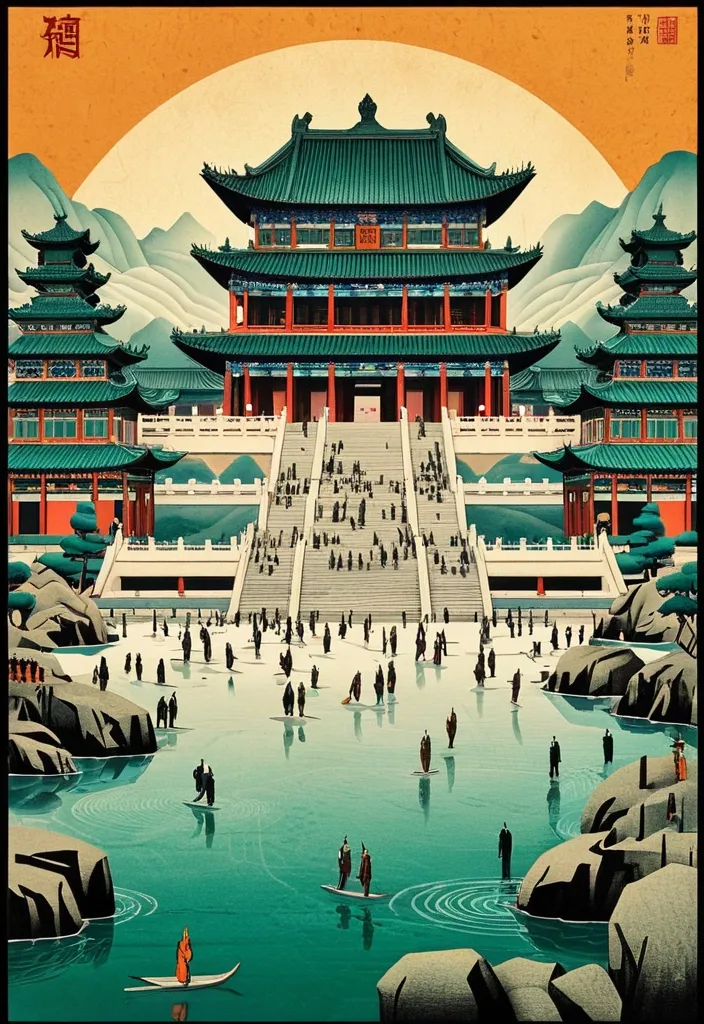
Theme: Ancient Water Conservancy Main palette: blue , dark green , orange Structural method: another paper construction Micro scene: a tiny Walking march , performance Event details: 02 October , venue , Start Aspect ratio: 9:16 Design a historical and cultural poster with a modern Eastern editorial aesthetic , using "paper fibers + large color fields + micro-scenes" as the core visual language. Do not interpret traditional culture as stacking ancient architecture , calligraphy , auspicious clouds , or artifacts. Instead , first distill the Cultural Logic , then let large areas of handmade paper color fields directly carry structures , spaces , time , flow , order , or process relationships , so that viewers first see a strong and clear large form from afar , and only gradually discover the cultural narrative hidden within upon closer inspection. Use the dark green , sand style to establish 2–5 main paper color blocks of distinctly different sizes , maintaining low saturation but complete color intensity. All color blocks should have the authentic , rich texture of handmade paper , pulp , watercolor , or mineral pigments , with visible natural long and short fibers , pigment deposition , subtle impressions , large-scale natural color variations , and irregular torn paper edges. The overall effect should be matte , clean , and intact—avoid dirtiness , yellow spots , random speckles , cheap retro effects , or digital gradients. Based on the theme , let the color fields express the logic of system operations through folding , branching , interweaving , interlocking , offsetting , supporting , segmenting , enclosing , or negative space relationships , rather than simply serving as decorative backgrounds. Embed the Dadi march within the large color field structure , keeping figures and props at a very small scale , totaling about 3%–6% of the image area. Each scene must depict a clear action , with causal or temporal relationships between them , such as "entering → executing → recording → completing , " allowing the miniature figures to truly drive the narrative rather than just standing in poses. Figures' clothing and artifacts should align with the theme's era and identity but remain restrained—avoid cinematic historical drama excess; scenes should only retain key props that illustrate systemic relationships , without cluttering with decorations or irrelevant cultural symbols. Typography should employ the editorial language of modern Eastern cultural institutions , museums , or archival exhibitions. The main title [Main Title] should use refined Song typeface , Ming-style , or publication-inspired Chinese fonts , at a medium-small size that does not overpower the large color fields; supporting English text , dates , locations , and explanatory information should use even smaller sizes to create clear hierarchies. Subtle cinnabar seals , paper tags , archival labels , or node text may be added , but they must genuinely relate to the thematic logic—do not add them randomly just for a "Chinese style" feel. The overall reading order should be: large color field structures and color relationships → systemic or spatial logic → miniature figures' continuous narrative → main title and exhibition information. The final image should achieve a strong large form and visual impact from afar , revealing paper fibers , figure actions , and historical details up close , balancing design sensibility , narrative depth , and cultural completeness. Avoid book cover vibes , traditional Chinese illustration styles , screens full of ancient architecture , oversized titles , PPT-style rigid layouts , modern infographic arrows , meaningless English placeholders , element piling , commercial ad vibes , 3D CGI , glass textures , neon colors , logos , watermarks , numbering , and starburst decorations. ,
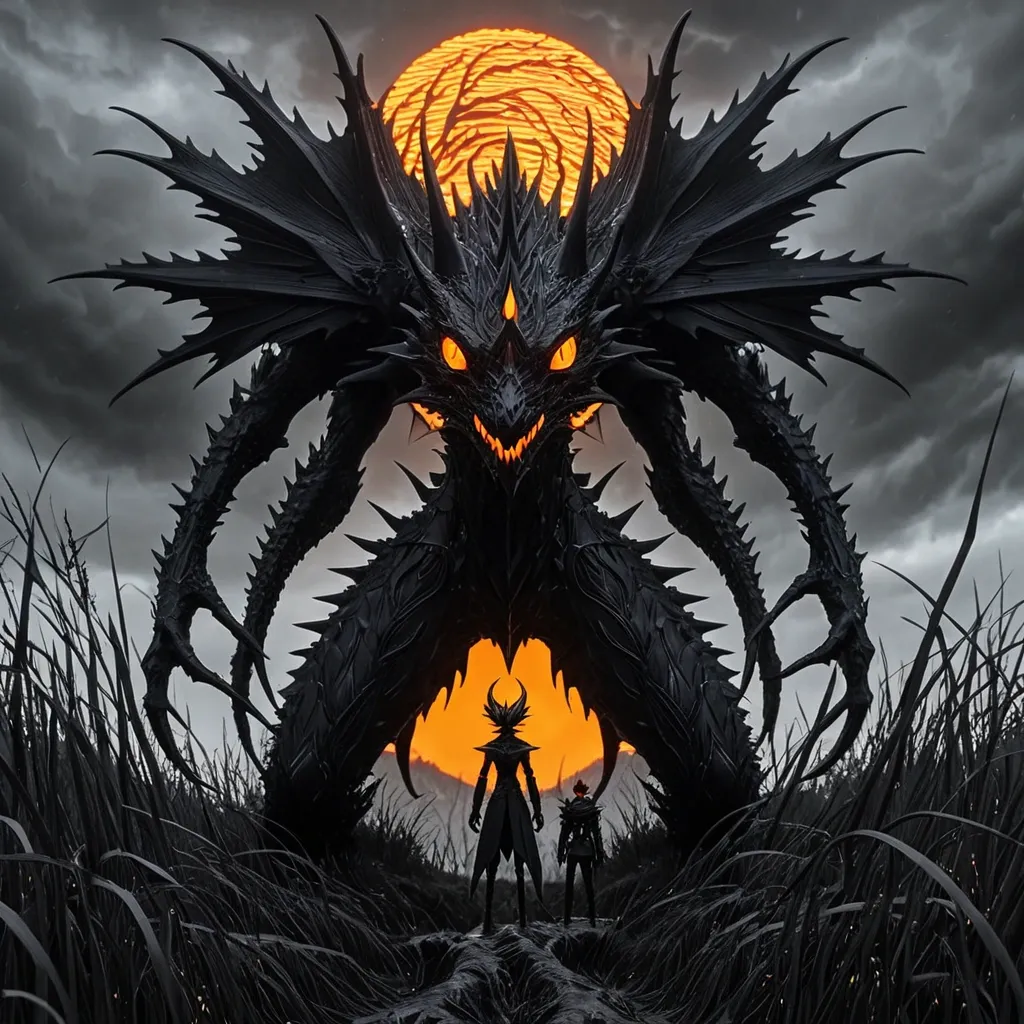
A large black dragon-like creature with spiky head fins and a single glowing orange eye walks through tall dark grass beneath a stormy grey sky. Two small chibi figures stand on its back. A bare branching vortex tree silhouette stands nearby. The overall mood is serene and contemplative , showcasing the meticulous nature of stippling art. ,
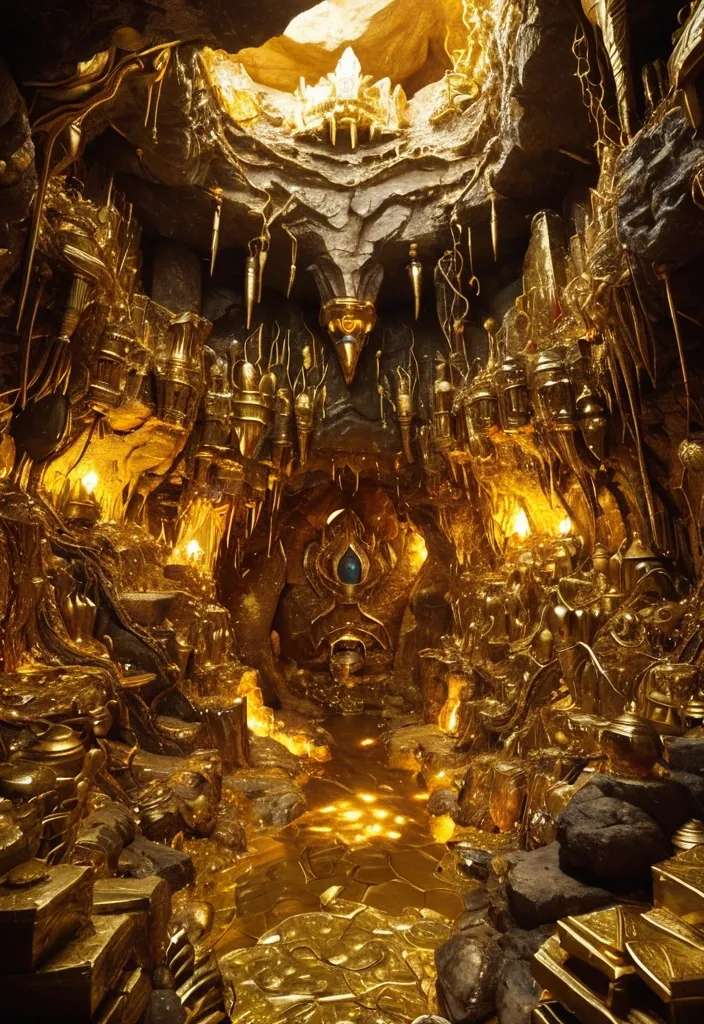
top down cave , filled with more treasures than the cave of Aladdin , gold , magical weapons , shields , gems , piles and piles from floor to the walls. on the walls themselves , veins of molten gold , are branching up into the ceiling. veins and shallow rivers and pools of molten gold divide the rooms and piles of gold into 5 sections. ,
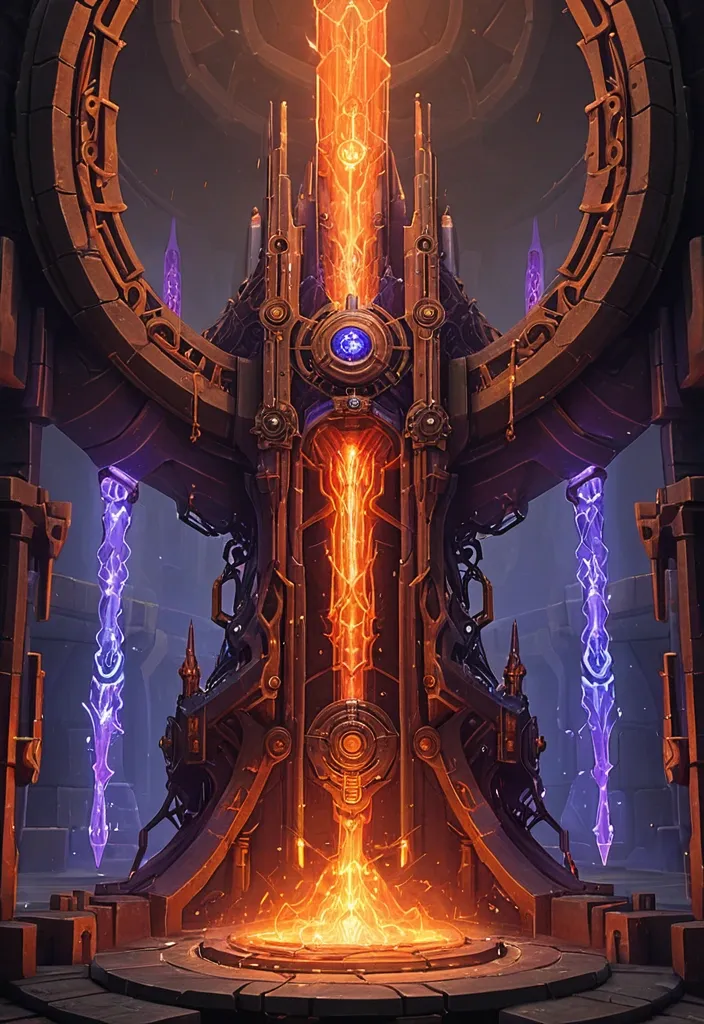
A deep mechanical hall branching from the Training Chamber , filled with runic anvils , smelters , and enchantment circles. Here , dwarven engineering meets Trieltan crystalcraft — metal and mana fused through science. Flames flicker in color from crimson to violet depending on the material’s attunement. A central hammering automaton , one of Orwen’s oldest constructs , pounds rhythmically , sparks cascading across its shoulders. Weapons , armor plates , and unfinished constructs line the walls , each tagged with Orwen’s shorthand — test numbers , resonance ratios , or sarcastic comments. Lighting: molten orange and blue from magical forges. Sound: rhythmic strikes , hissing steam. Mood: intense focus , creation as controlled chaos. ,
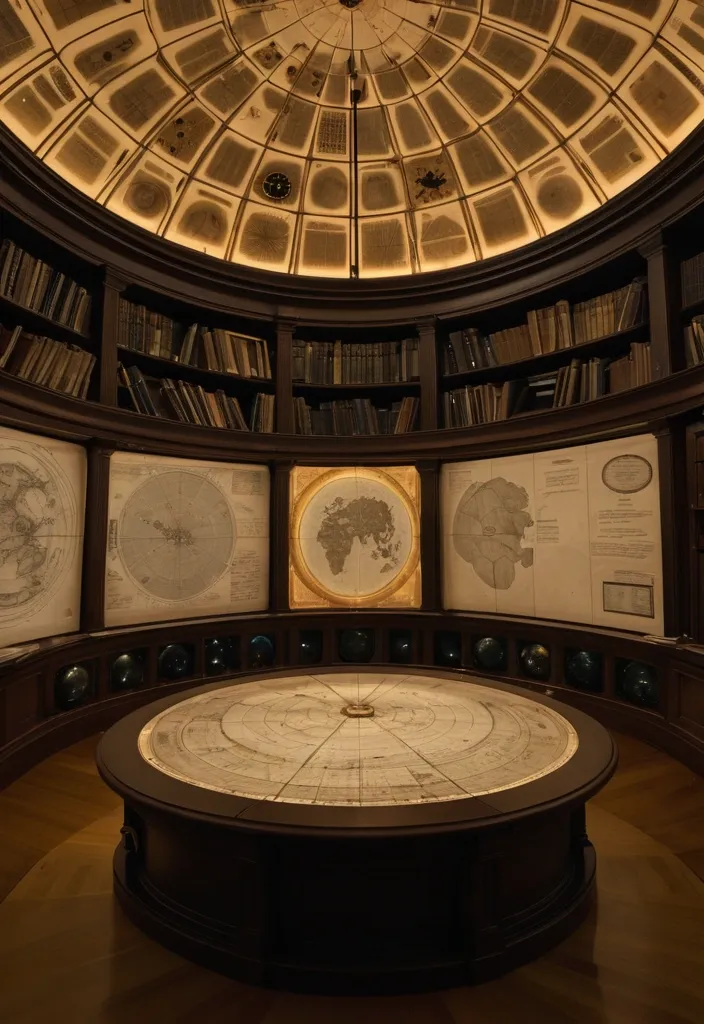
A smaller domed annex branching off the Research Deck , lined with maps , charters , and crystalline globes showing the known regions. At its center stands a massive relief map of the continent , carved from black marble , dotted with metal discs representing recovered and missing artifacts. Each disc glows when touched , indicating possible resonance matches across the world. Shelves along the wall contain expedition journals , Council minutes , and a library of encoded correspondence from other guilds. A suspended lamp of rotating lenses projects slowly moving leyline patterns across the ceiling — the Unsilenced’s world in motion. Lighting: steady amber tone , like candlelight refracted through glass. Smell: parchment , brass oil , faint ozone from projection lenses. Mood: tactical , scholarly , but quietly reverent — this is where decisions change the world. ,
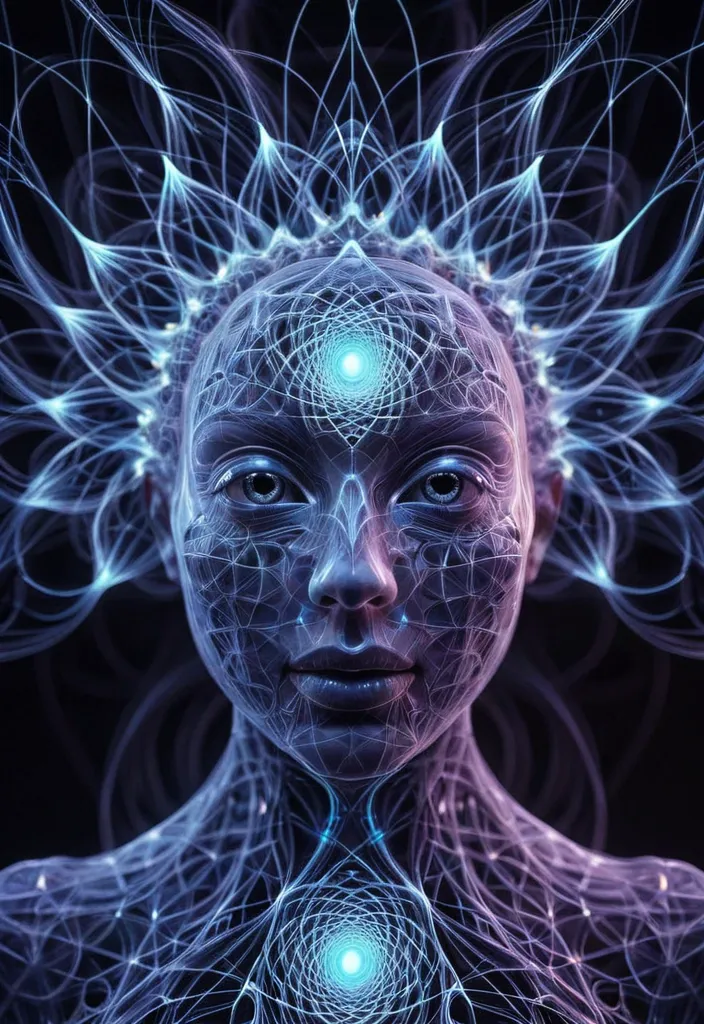
Her face isn’t a face—it’s a Nova fractal bloom—grown entirely from feedback-fed disco light. No skin , no bone—only recursive brilliance: #escape gradients surge through Nova-wave cheek hollows; #orbit radiant L-System spirals entwine her jawline like sacred ivy in club-light bloom. Lips = glowing IFS lace—mirror-structured and endlessly folding , tinted with angle-reactive #iridescence. Her eyes are not orbs but Buddhabrot cores—each iris a spiritual echo , blooming with recursive soulfire and mirrorworld math-memory. Her entire visage shines as #distance estimator shells spiral through overlapping attractor planes—layered sacred hologlyphs pulsing to Studio 54 rhythm logic. Hair erupts like spectral vinework: branching L-System toroids twist with recursive Fibonacci bloom , interlaced with spectral fractal roots and Julia firelace—all trailing #bokeh gleamtrails of radiant iteration static. ,
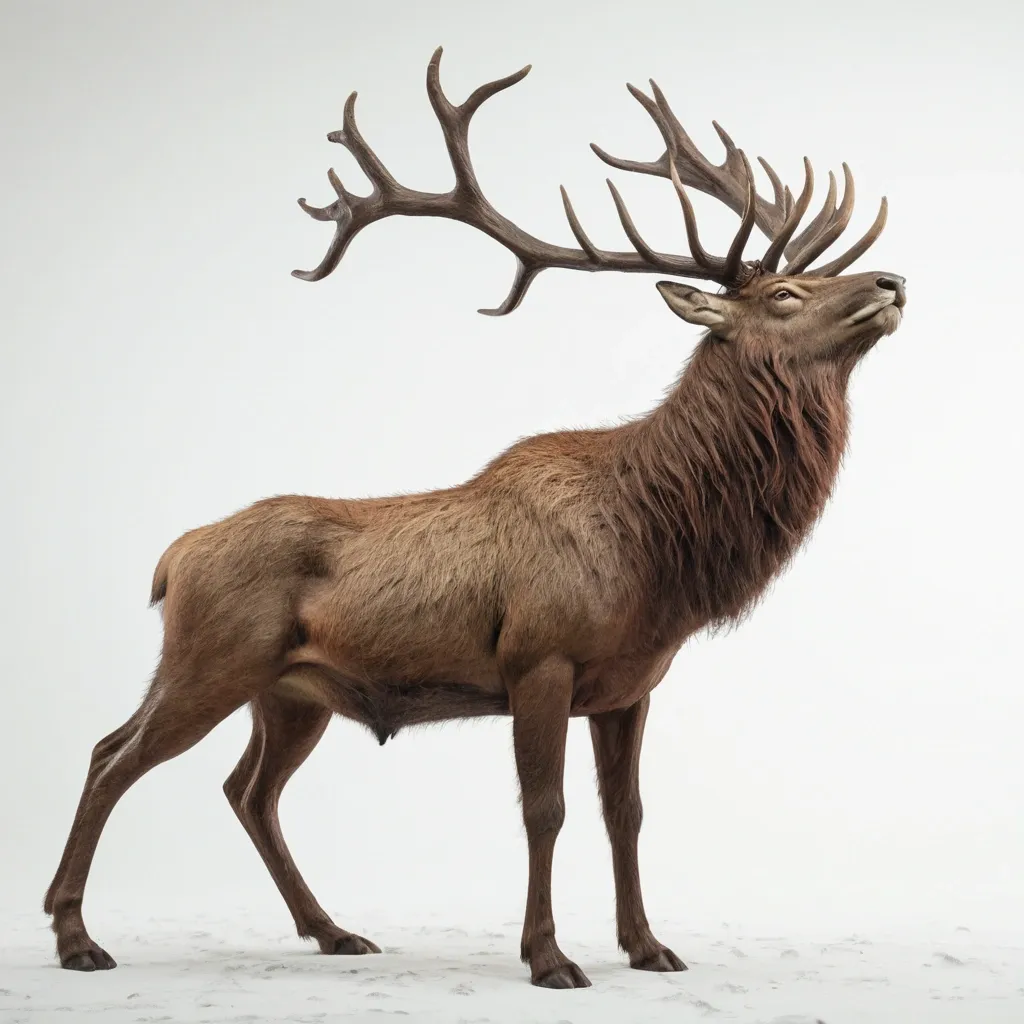
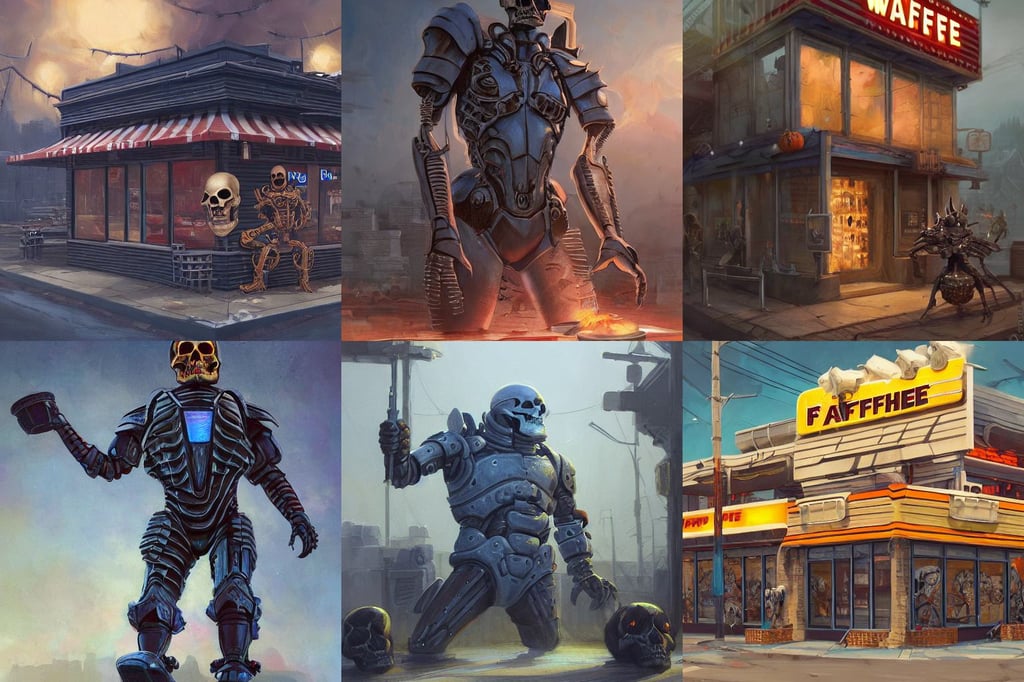
painting of waffle house front view , bast , sci - fi armour , designed to deliver pizza. Digital concept art , skulls and pumpkins. beautiful highly detailed face , high quality 4 k trending on artstation , by Greg Rutkowski and Jesper Ejsing and Raymond Swanland and alena aenami , matte navy - blue bodysuit , octane engine render , Dang My Linh , Houdini algorhitmic pattern , art by da Vinci , looking at you , moon in the night sky , fall vibrancy , dials and branching system of tubular rooms made of stacks of floating panels , vibrant , black and purple costume. high quality ,