Search Results for patrolling
Explore AI generated designs, images, art and prompts by top community artists and designers.
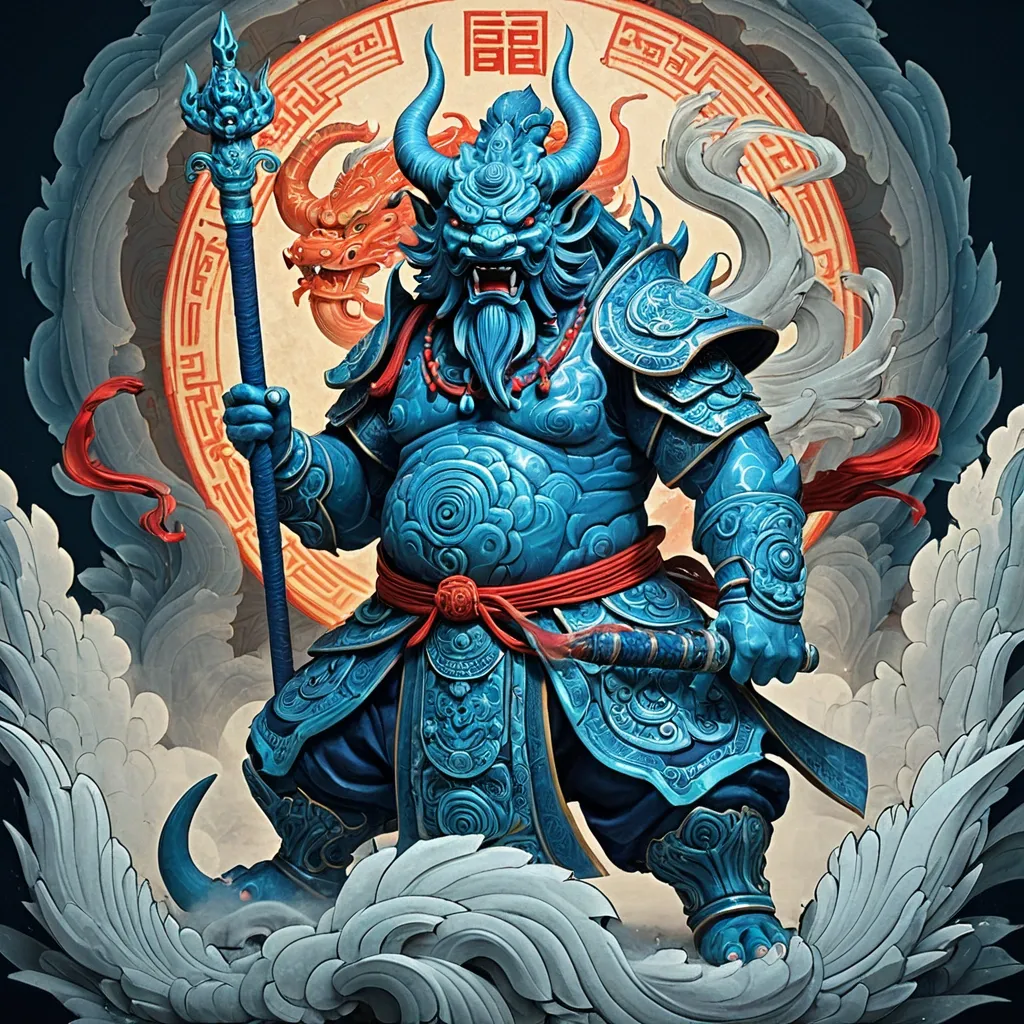

Deity Identity: Emperor Zhenwu Mythical Beast Type: Divine Rhino Weapon: Divine Sword Color Palette: Azurite Blue , Silver , & Gray Overall Aura: Exorcising Evil Composition Direction: Frontal Subjugation Generate an illustration of an Eastern deity and their mythical beast mount , blending visual languages from traditional deity paintings , *Gongbi* (meticulous brushwork) with rich colors , *Baimiao* (fine-line drawing) , folk woodblock prints , and ancient illustrated scrolls. The image features the "Deity + Mythical Beast" as dual subjects. The deity serves as the core visual focus , while the beast possesses significant scale and presence; they engage in a clear , dynamic interaction—such as mounting , guarding , charging side-by-side , or circling in protection—rather than a simple collage. The deity's face exudes majesty , divinity , and an imposing aura , avoiding both modern "idol-like" features and excessive demon-like distortion. Attire consists of highly detailed traditional divine armor or ritual robes , incorporating intricate patterns such as cloud motifs , thunder patterns , beast-face masks , scale armor textures , and scrolling vines. While details are rich , the figure's overall silhouette must remain distinct. The mythical beast embodies the spirit of a divine creature , spirit beast , or evil-warding mount , possessing a robust physique and a powerful stance. Fur , scales , and tortoise shells are rendered using numerous fine , directional lines to emphasize the texture of traditional *Gongbi* painting (defining form through line); avoid photorealistic fur or 3D CG textures. Weapons or artifacts are integrated into the composition to create distinct diagonal lines , vertical lines , or a primary axis of action. Avoid stiff , static poses for the figures; instead , incorporate actions such as twisting the torso , lowering a shoulder , leaning forward , wielding a weapon , forming a ritual hand seal , patrolling , or launching an attack to imbue the image with a distinct sense of dynamic momentum (*shi*). Integrate elements such as flowing sashes , fluttering sleeves , headdress ribbons , wisps of hair or beard , and swirls of cloud , smoke , or mist. These should harmonize with the figure's movement to create S-shaped , C-shaped , or swirling fluid lines. Ensure these flowing elements serve the overall theme rather than cluttering the composition merely for the sake of detail. Maintain the aesthetic of traditional *xuan* paper by preserving negative space. Use an off-white , ivory , or aged-paper tone as the base , adding only minimal elements—such as inscriptions , vermilion seals , cloud patterns , or wisps of smoke—to evoke the feel of an ancient illustrated scroll or sacred icon. Avoid complex backgrounds depicting palaces , battlefields , or full-scale landscapes. Employ a palette of low-saturation mineral pigments centered around a dominant hue. Complement this with colors such as ink black , deep blue-black , azurite blue , malachite green , antique gold , cinnabar , ochre red , and grayish-white. The overall tone should be elegant and restrained , using small accents of high-saturation color to add vibrancy. The final image must simultaneously convey the solemnity of an Eastern deity , the imposing presence of a mythical beast , the intricate detail of fine-line brushwork (*gongbi*) , the serene atmosphere of ancient *xuan* paper , and a clear , powerful compositional dynamism. Avoid: modern "Guochao" neon aesthetics , cyberpunk styles , the look of 3D game concept art , "plastic" CG textures , cluttered backgrounds , stiff figures , generic-looking mythical beasts , loose or sloppy linework , and excessive or garbled text. ,
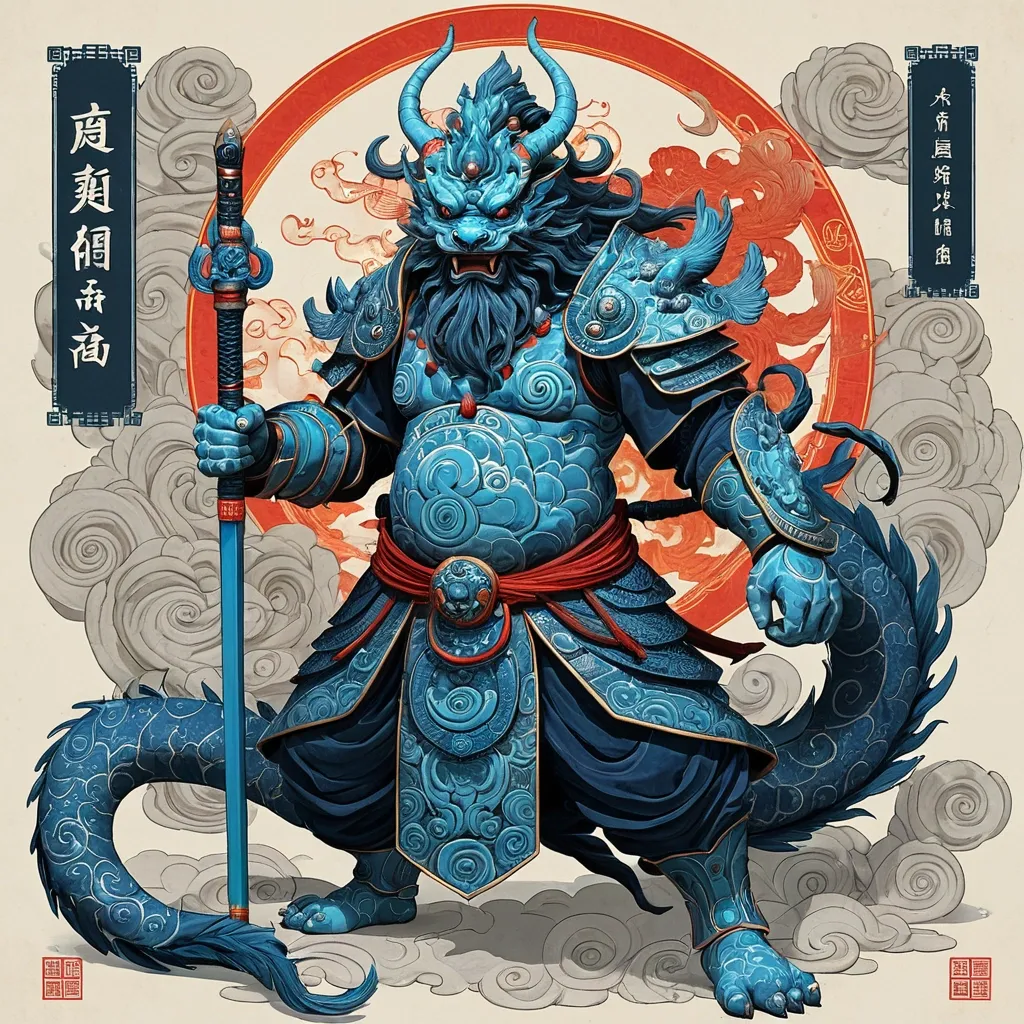
Prompt: [Replaceable Content] Deity Identity: Emperor Zhenwu Mythical Beast Type: Divine Hound Weapon: Divine Sword Color Palette: Azurite Blue , Silver , & Gray Overall Aura: Exorcising Evil Composition Direction: Frontal Subjugation Generate an illustration of an Eastern deity and their mythical beast mount , blending visual languages from traditional deity paintings , *Gongbi* (meticulous brushwork) with rich colors , *Baimiao* (fine-line drawing) , folk woodblock prints , and ancient illustrated scrolls. The image features the "Deity + Mythical Beast" as dual subjects. The deity serves as the core visual focus , while the beast possesses significant scale and presence; they engage in a clear , dynamic interaction—such as mounting , guarding , charging side-by-side , or circling in protection—rather than a simple collage. The deity's face exudes majesty , divinity , and an imposing aura , avoiding both modern "idol-like" features and excessive demon-like distortion. Attire consists of highly detailed traditional divine armor or ritual robes , incorporating intricate patterns such as cloud motifs , thunder patterns , beast-face masks , scale armor textures , and scrolling vines. While details are rich , the figure's overall silhouette must remain distinct. The mythical beast embodies the spirit of a divine creature , spirit beast , or evil-warding mount , possessing a robust physique and a powerful stance. Fur , scales , and tortoise shells are rendered using numerous fine , directional lines to emphasize the texture of traditional *Gongbi* painting (defining form through line); avoid photorealistic fur or 3D CG textures. Weapons or artifacts are integrated into the composition to create distinct diagonal lines , vertical lines , or a primary axis of action. Avoid stiff , static poses for the figures; instead , incorporate actions such as twisting the torso , lowering a shoulder , leaning forward , wielding a weapon , forming a ritual hand seal , patrolling , or launching an attack to imbue the image with a distinct sense of dynamic momentum (*shi*). Integrate elements such as flowing sashes , fluttering sleeves , headdress ribbons , wisps of hair or beard , and swirls of cloud , smoke , or mist. These should harmonize with the figure's movement to create S-shaped , C-shaped , or swirling fluid lines. Ensure these flowing elements serve the overall theme rather than cluttering the composition merely for the sake of detail. Maintain the aesthetic of traditional *xuan* paper by preserving negative space. Use an off-white , ivory , or aged-paper tone as the base , adding only minimal elements—such as inscriptions , vermilion seals , cloud patterns , or wisps of smoke—to evoke the feel of an ancient illustrated scroll or sacred icon. Avoid complex backgrounds depicting palaces , battlefields , or full-scale landscapes. Employ a palette of low-saturation mineral pigments centered around a dominant hue. Complement this with colors such as ink black , deep blue-black , azurite blue , malachite green , antique gold , cinnabar , ochre red , and grayish-white. The overall tone should be elegant and restrained , using small accents of high-saturation color to add vibrancy. The final image must simultaneously convey the solemnity of an Eastern deity , the imposing presence of a mythical beast , the intricate detail of fine-line brushwork (*gongbi*) , the serene atmosphere of ancient *xuan* paper , and a clear , powerful compositional dynamism. Avoid: modern "Guochao" neon aesthetics , cyberpunk styles , the look of 3D game concept art , "plastic" CG textures , cluttered backgrounds , stiff figures , generic-looking mythical beasts , loose or sloppy linework , and excessive or garbled text. ,
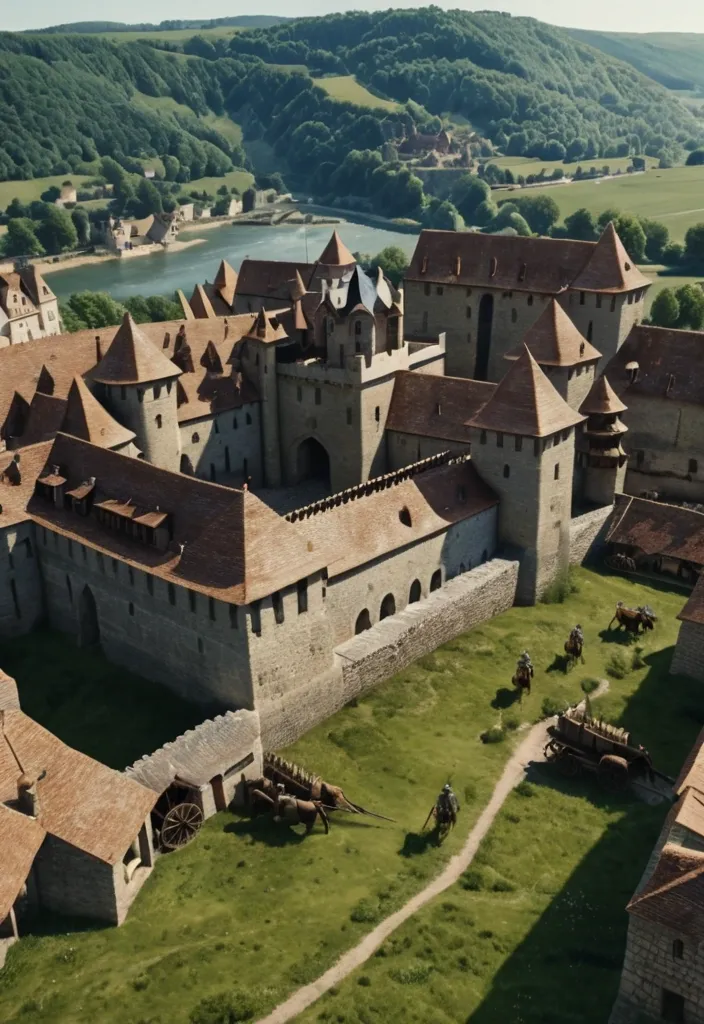
star-shaped fortress with bastions and ramparts , stone walls overlooking the Sambre River , soldiers in musketeer uniforms patrolling , small town with tiled-roof houses clustered nearby , traders unloading carts , surrounding fields and wooded hills , afternoon , clear , summer , Matte Painting , 4K ,
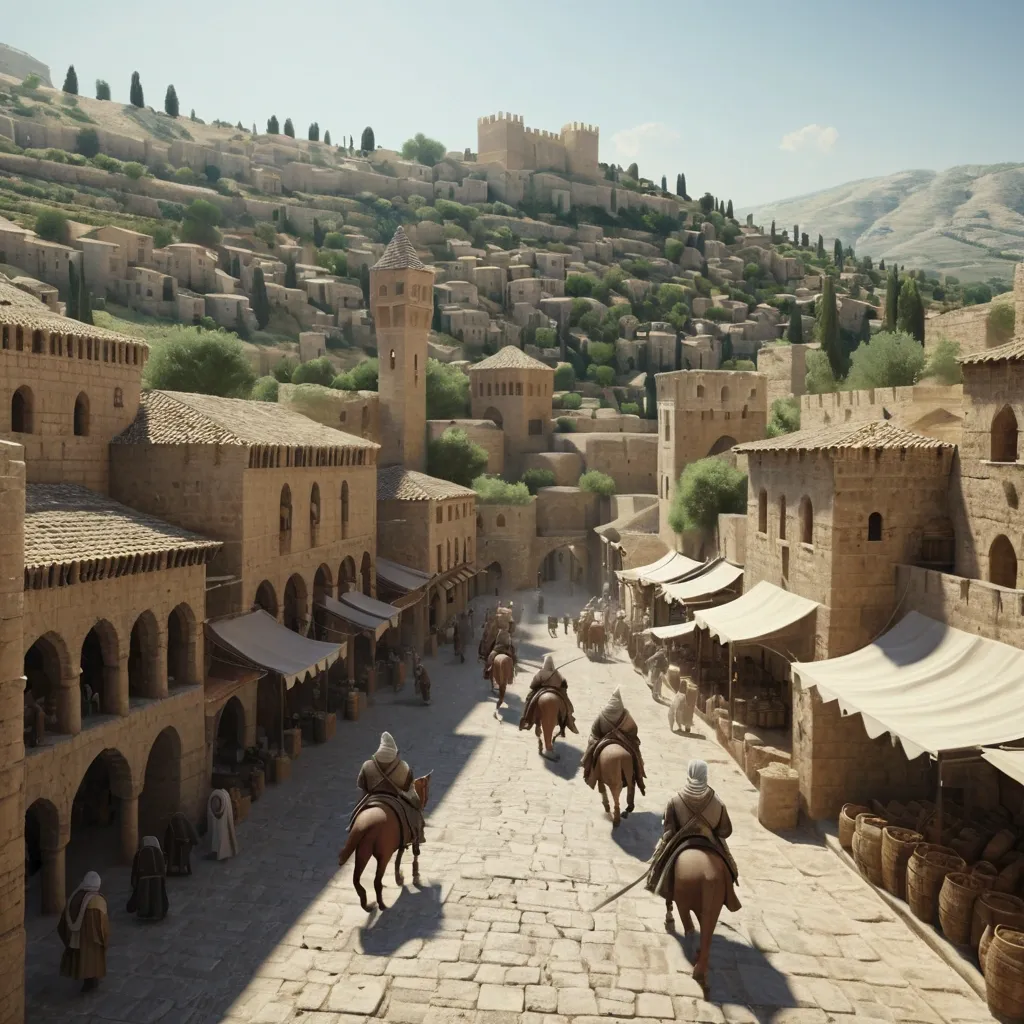
walled town with Romanesque stone buildings , market square with traders in robes and turbans , Arabic banners fluttering , cavalry in lamellar armor patrolling streets , vineyards and olive groves outside walls , mix of Roman and Islamic architectural styles , distant limestone hills , afternoon , sunny , summer , Matte Painting , 4K ,
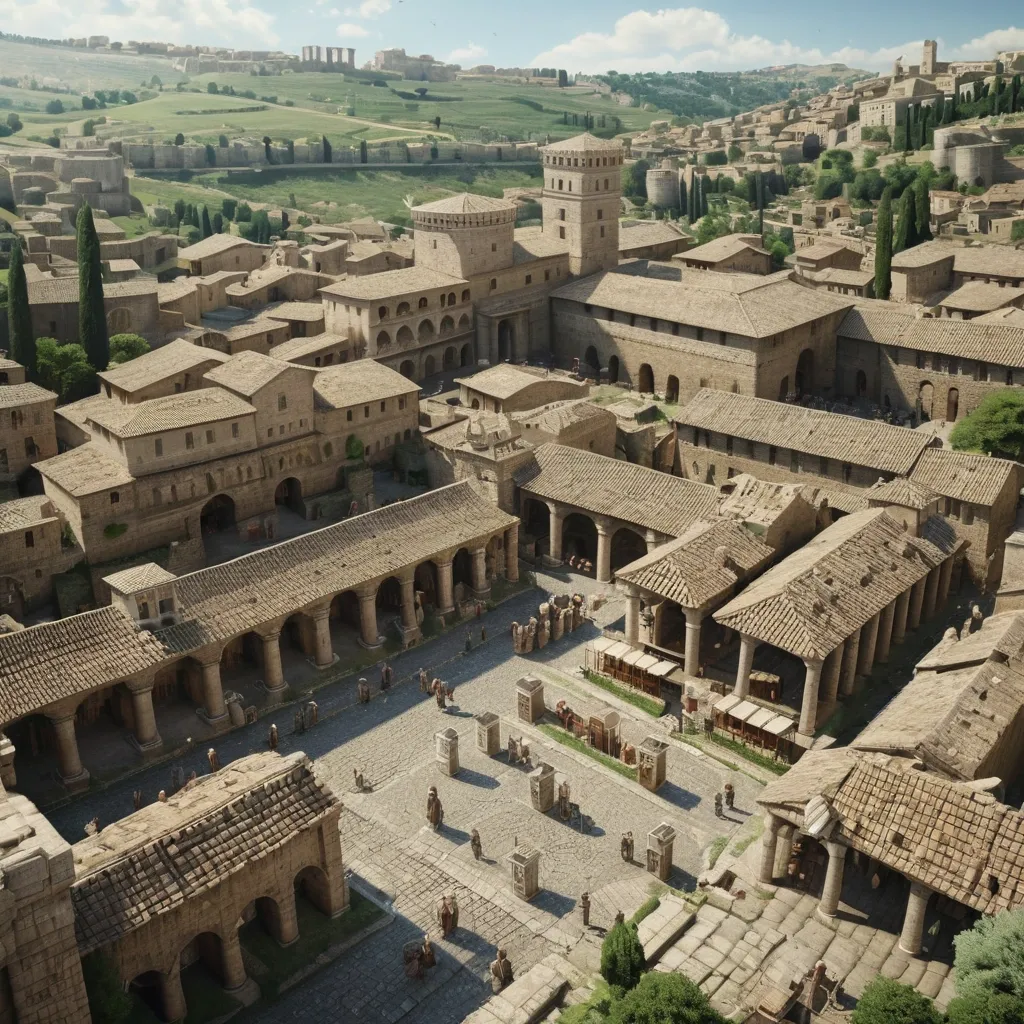
fortified Roman town with stone walls and gates , grid-pattern streets , basilica and forum at the center , tiled-roof houses and shops , legionaries patrolling , market stalls with pottery and cloth , temple with tall columns , surrounding green countryside , noon , sunny , summer , Matte Painting , 4K ,
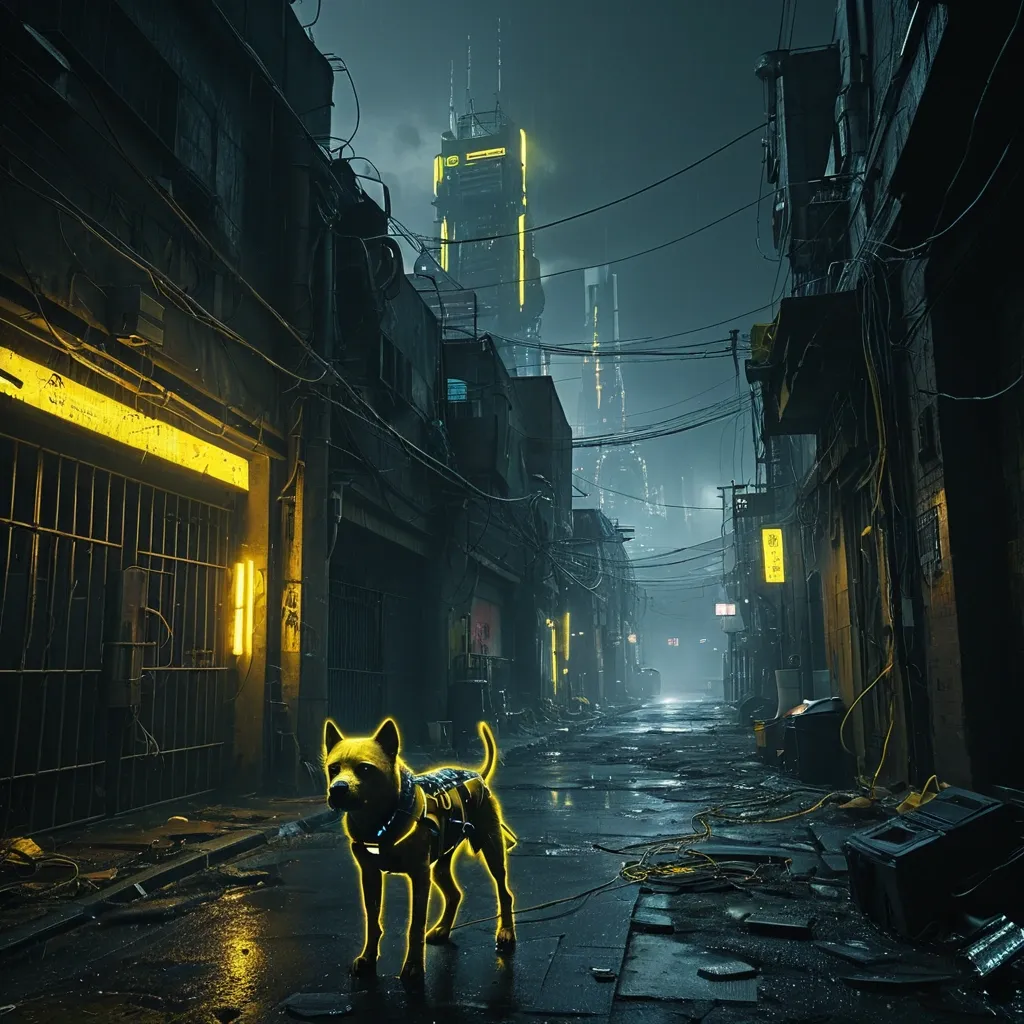
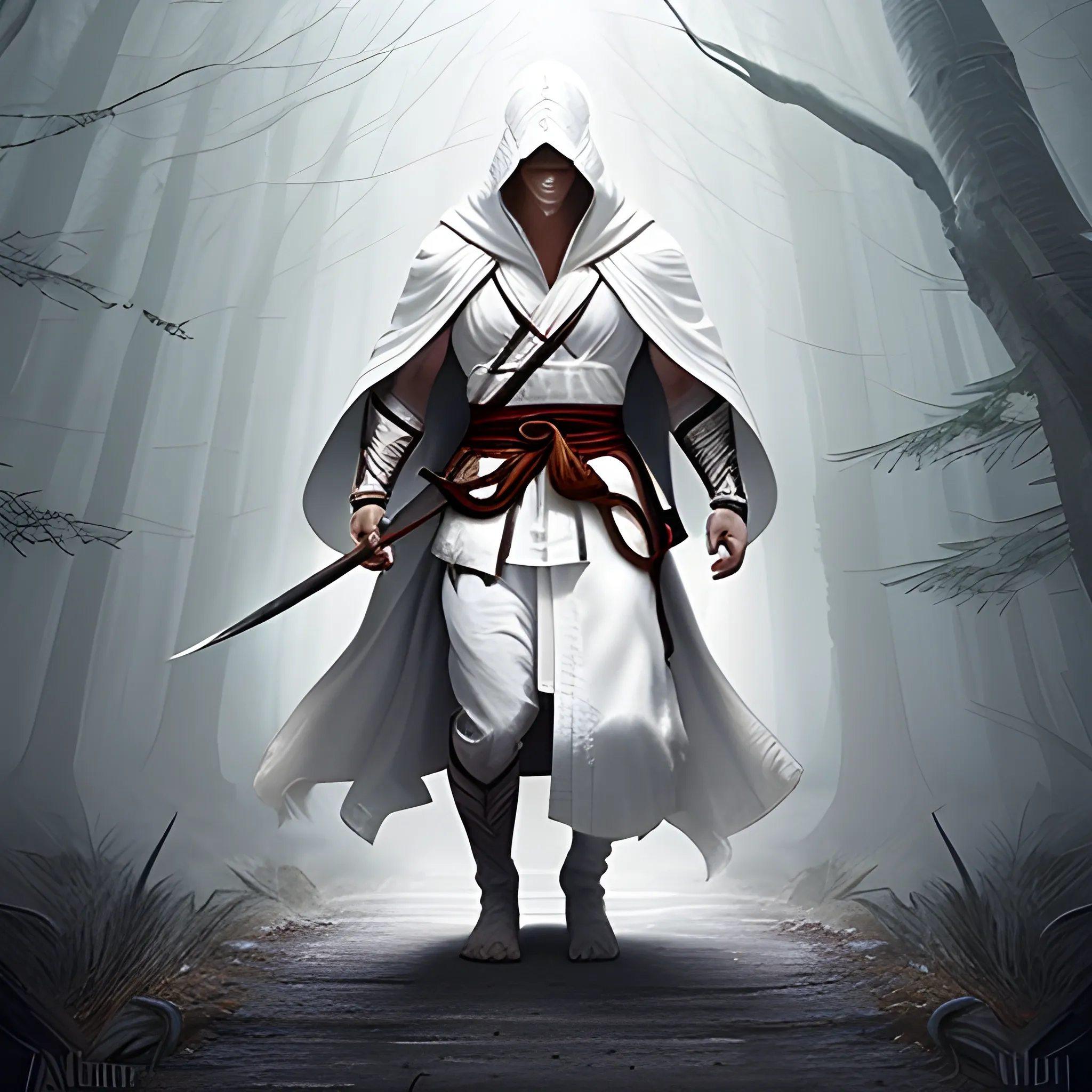
Create an awe-inspiring digital painting of a powerful ranger wearing white robes patrolling the roads of a deep forest , the warriors outfit is inspired by the robes altair wore from the Assasins creed franchise The artwork should be rendered in ultra-high 8k resolution to capture the essence of the mighty warrior. ,
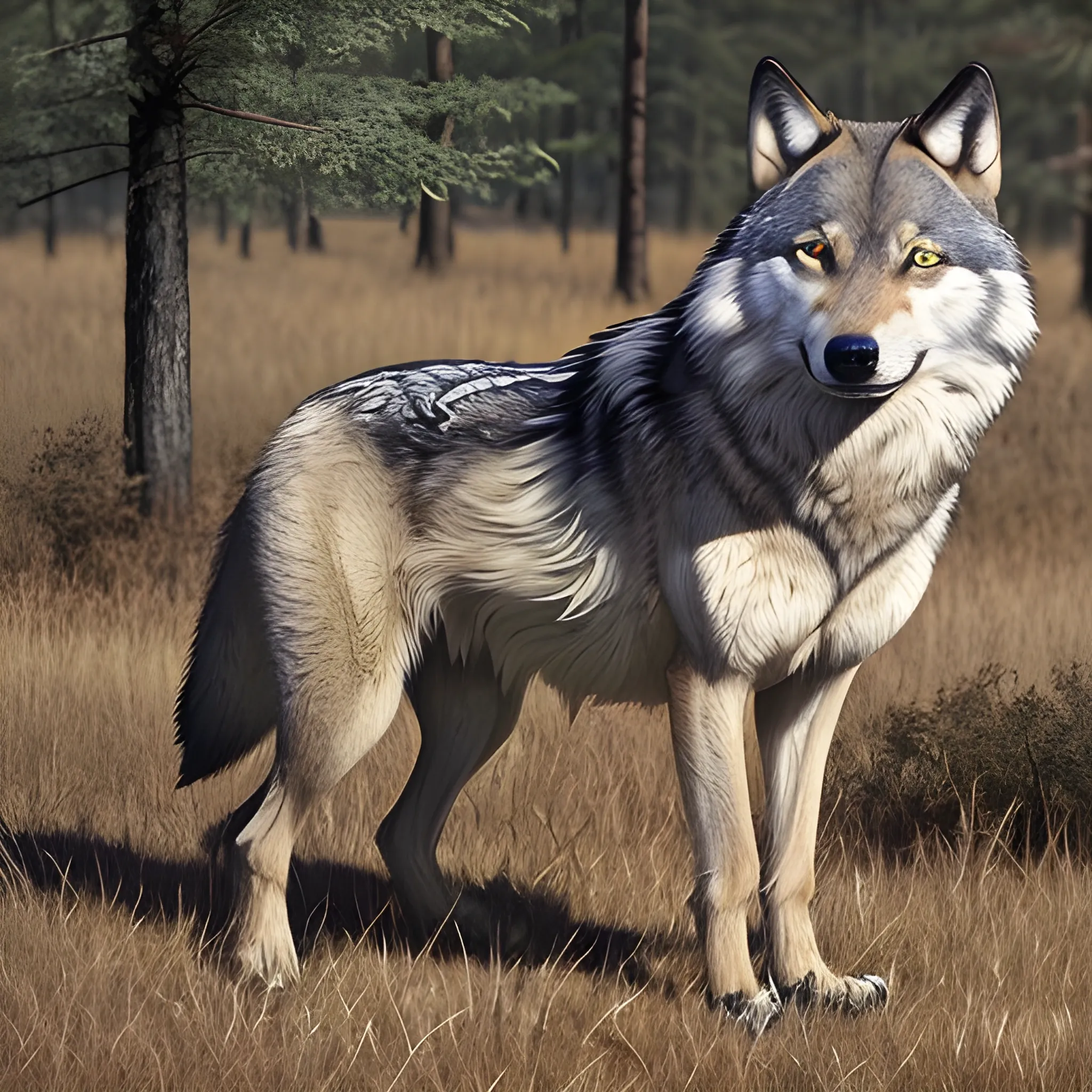
Appearance: The wolf is a majestic and intelligent creature that roams the untamed wilderness of your DND world. Wolves have a lean and muscular build , with a fur coat that can vary in color , including shades of gray , brown , black , and white. Their fur is usually thick and provides protection against harsh weather conditions. Adult wolves typically stand around 2 to 3 feet tall at the shoulder and can weigh between 60 to 150 pounds , with males being larger than females. Features: Wolves have keen senses , including exceptional hearing and a powerful sense of smell. Their sharp teeth and strong jaws are designed for hunting and consuming a wide range of prey. They have long legs , allowing them to cover great distances quickly when pursuing prey or patrolling their territory. Wolves' paws have well-developed pads , enabling them to move silently and skillfully through various terrains. Habitat: Wolves are highly adaptable creatures and can be found in a variety of habitats , including forests , grasslands , and tundra. They often inhabit remote and untouched regions , away from human settlements. In your DND world , they might roam vast stretches of wilderness or even be associated with specific forested areas. Behavior: Wolves are social animals , living in close-knit packs led by an alpha male and female. They exhibit strong family bonds , working together to hunt and protect their territory. In your DND world , packs of wolves might be seen as symbols of loyalty , teamwork , and the balance of nature. Lone wolves could also be encountered , either as solitary hunters or as outcasts from their original packs. Role in the World: In your DND world , wolves might play an essential role in the ecosystem , helping to control the populations of herbivores and maintaining a healthy balance in the natural environment. Druids and rangers might have a special connection with wolves , viewing them as guardians of the wild and emblems of freedom. Encountering wolves in the wild could present various opportunities for adventurers. They might have chances to peacefully observe wolves from a distance or use animal handling skills to communicate with them. In certain situations , adventurers could witness the social dynamics of a wolf pack or even be assisted by friendly wolves in their quests. However , engaging in combat with a pack of wolves could be a challenging encounter , as their coordinated attacks and pack mentality make them formidable predators. ,