acidrebel1
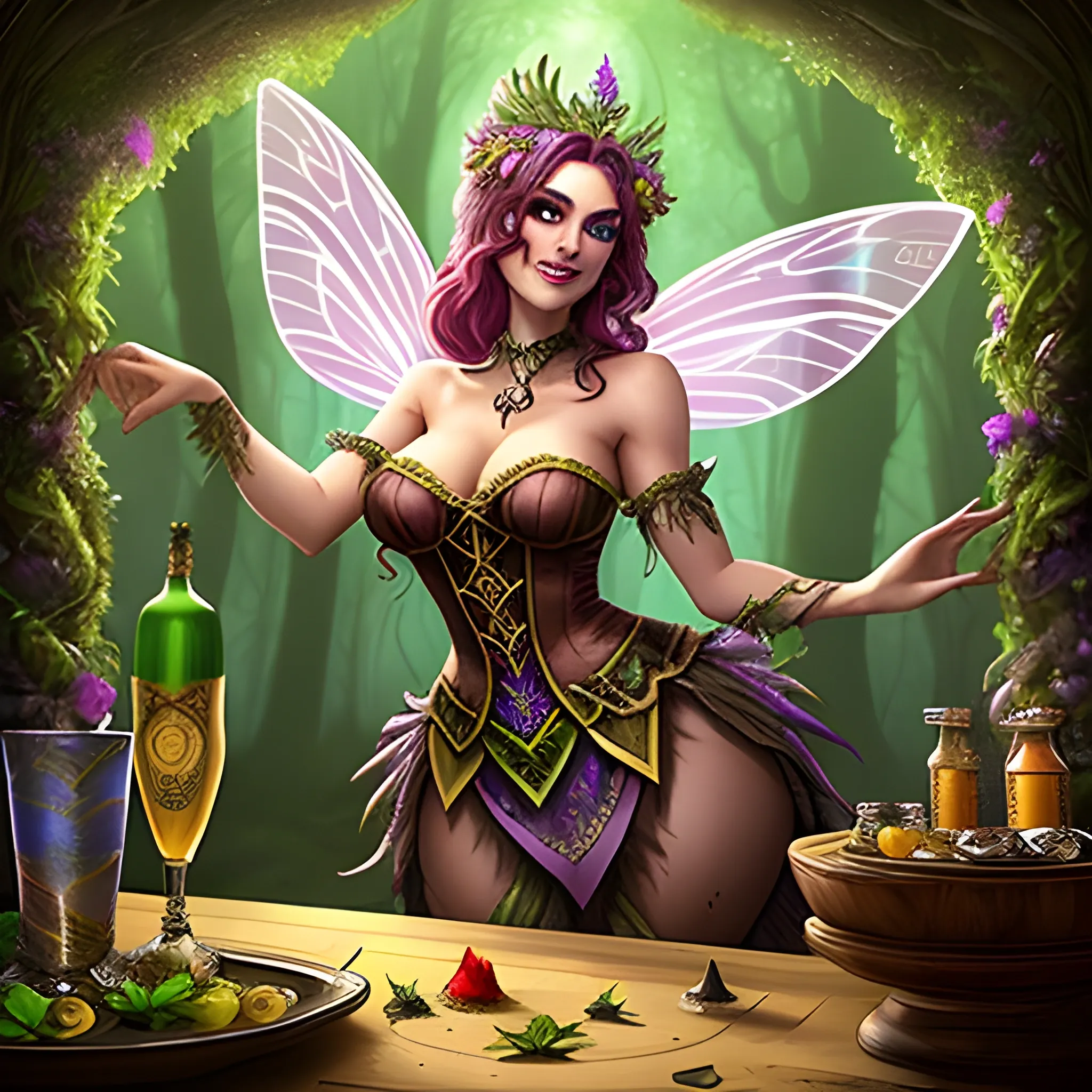
Appearance: The fairy bartender is a tiny and enchanting creature , standing no taller than a foot. With delicate , iridescent wings that shimmer in various colors , they move gracefully through the air , flitting from one customer to another. Their tiny figure is adorned in elegant and ethereal attire , a mix of delicate fabrics and flower petals. Their eyes sparkle with mischief and wisdom , and their laughter is a musical melody that captivates all who hear it. Features: This fairy bartender possesses an otherworldly charm that draws patrons in like moths to a flame. They have an innate ability to sense the emotions and desires of those they serve , making them experts in recommending the perfect drink to suit each person's mood. Despite their diminutive size , they exude an aura of confidence and elegance that commands respect. Habitat: The fairy bartender can be found in hidden groves , enchanted glades , or secluded woodland taverns that only those with a keen sense of adventure can stumble upon. Their establishments are often tucked away in places where the mystical and mundane worlds overlap , allowing them to cater to an eclectic mix of clientele. In your DND world , the fairy bartender might be the guardian of a secret fey haven or the host of a whimsical tea party deep within a magical forest. Behavior: True to their fey nature , the fairy bartender possesses a mischievous streak , often delighting in playful pranks or riddles. They are known for their ability to spin enchanting tales and engage patrons in captivating conversations. While they are quick to smile and laugh , they can also display a sense of ancient wisdom , their timeless existence granting them a unique perspective on the world. Role in the World: In your DND world , the fairy bartender serves as a link between the mystical and mortal realms. Their taverns are sanctuaries where adventurers can momentarily escape the rigors of their quests and immerse themselves in the enchantment of the fey. The fairy bartender may be a well-guarded secret among those who value the beauty and magic of the natural world. Encountering a fairy bartender in your campaign is an extraordinary and magical experience for players. It presents an opportunity to delve into the wonders of the fey and the ethereal aspects of your world. Players may find themselves in awe of the tiny creature , drawn into their stories and entranced by their enchanting presence. The presence of a fairy bartender in your campaign world adds an element of whimsy and wonder , elevating the mundane tavern experience to an otherworldly encounter. This NPC can become a memorable and beloved character in your DND campaign , leaving a lasting impression on players as they continue their adventures in a world where the line between reality and enchantment blurs. ,
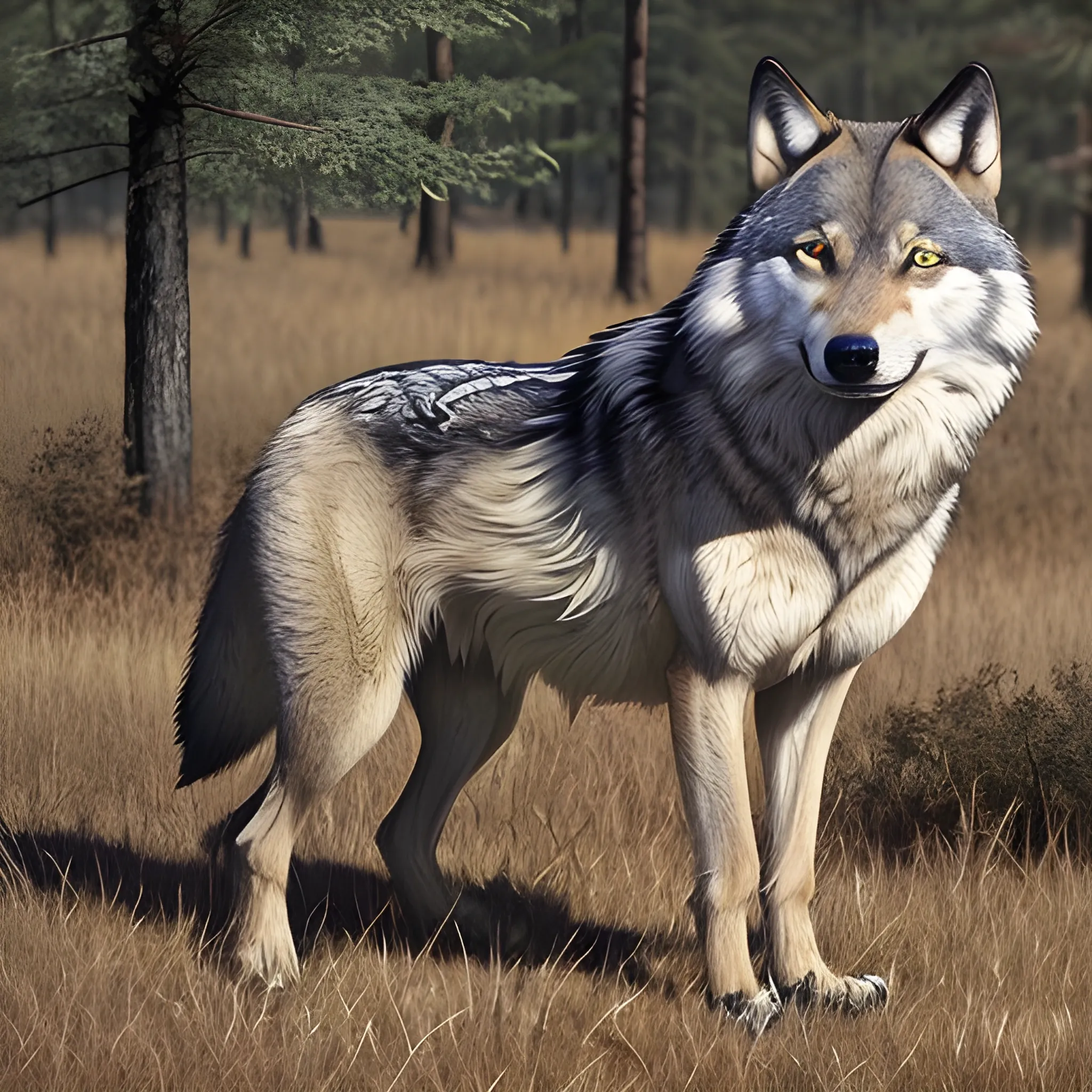
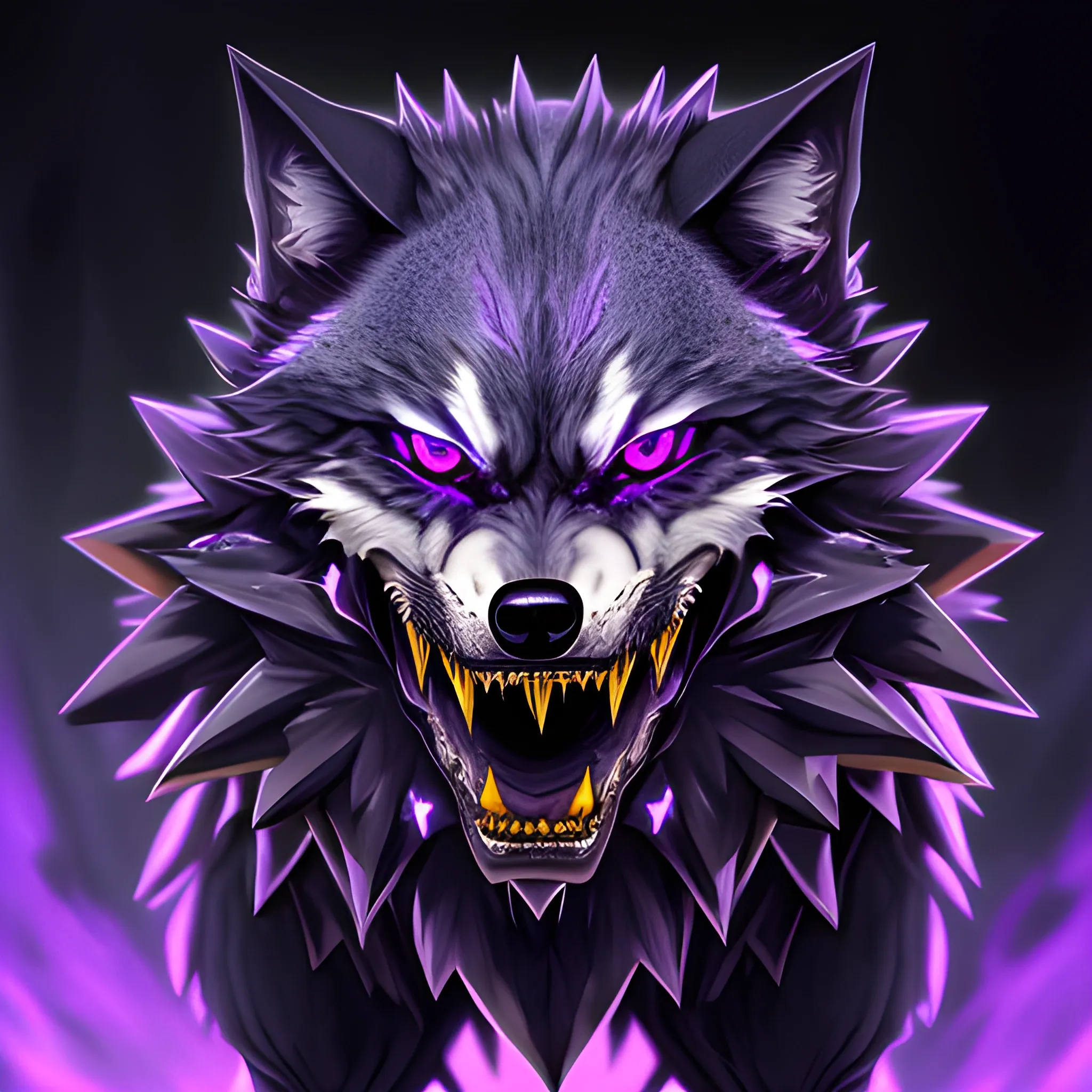
Appearance: The wolf is a majestic and intelligent creature that roams the untamed wilderness of your DND world. Wolves have a lean and muscular build , with a fur coat that can vary in color , including shades of gray , brown , black , and white. Their fur is usually thick and provides protection against harsh weather conditions. Adult wolves typically stand around 2 to 3 feet tall at the shoulder and can weigh between 60 to 150 pounds , with males being larger than females. Features: Wolves have keen senses , including exceptional hearing and a powerful sense of smell. Their sharp teeth and strong jaws are designed for hunting and consuming a wide range of prey. They have long legs , allowing them to cover great distances quickly when pursuing prey or patrolling their territory. Wolves' paws have well-developed pads , enabling them to move silently and skillfully through various terrains. Habitat: Wolves are highly adaptable creatures and can be found in a variety of habitats , including forests , grasslands , and tundra. They often inhabit remote and untouched regions , away from human settlements. In your DND world , they might roam vast stretches of wilderness or even be associated with specific forested areas. Behavior: Wolves are social animals , living in close-knit packs led by an alpha male and female. They exhibit strong family bonds , working together to hunt and protect their territory. In your DND world , packs of wolves might be seen as symbols of loyalty , teamwork , and the balance of nature. Lone wolves could also be encountered , either as solitary hunters or as outcasts from their original packs. Role in the World: In your DND world , wolves might play an essential role in the ecosystem , helping to control the populations of herbivores and maintaining a healthy balance in the natural environment. Druids and rangers might have a special connection with wolves , viewing them as guardians of the wild and emblems of freedom. Encountering wolves in the wild could present various opportunities for adventurers. They might have chances to peacefully observe wolves from a distance or use animal handling skills to communicate with them. In certain situations , adventurers could witness the social dynamics of a wolf pack or even be assisted by friendly wolves in their quests. However , engaging in combat with a pack of wolves could be a challenging encounter , as their coordinated attacks and pack mentality make them formidable predators. ,
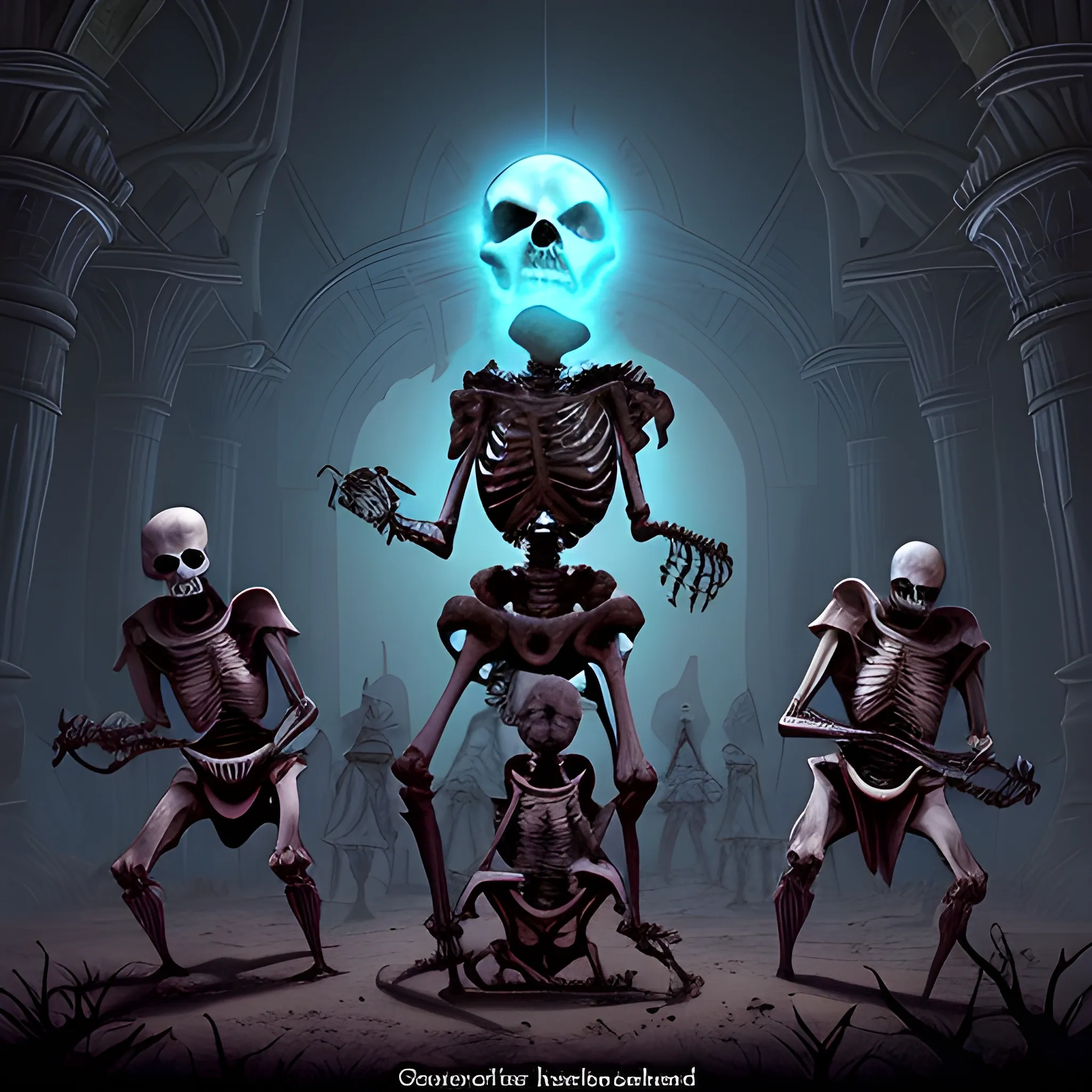
Appearance: A skeleton is a reanimated undead creature , the animated remains of a once-living being. They are skeletal in form , devoid of flesh and organs , and are held together by dark necromantic magic. Their bones can be of various sizes and shapes , depending on the creature they were before death. The bones of a humanoid skeleton are often bleached white , while those of larger creatures might retain a more weathered appearance. Features: Skeletons are mindless creatures , devoid of the emotions and intellect they possessed in life. Their movements are stiff and jerky , controlled by the magic that animates them. They lack the strength and capabilities they had in life but can still be formidable due to their resistance to exhaustion and immunity to poison and many mind-affecting spells. Habitat: Skeletons can be found in various environments , wherever dark necromantic magic is practiced or where ancient burial sites have been disturbed. They are often encountered in crypts , dungeons , or as guardians of forgotten tombs. In your DND world , they might be the remnants of fallen warriors or victims of dark rituals , arising to serve their necromantic masters. Behavior: As mindless undead , skeletons are compelled to follow the commands of their creators or necromancers who control them. They have no will of their own and exist solely to fulfill the tasks assigned to them. Whether that means guarding a location , attacking intruders , or carrying out a specific purpose , skeletons are bound to carry out their orders until they are destroyed. Role in the World: In your DND world , skeletons could serve as a constant reminder of the dark arts and the dangers of necromancy. They may be used by evil necromancers as minions or guardians , lurking in ancient crypts or dungeons to deter intruders. Adventurers might encounter them in their quest to thwart dark forces or uncover the secrets of long-forgotten ruins. Encountering a skeleton in your campaign often means dealing with a mindless foe that is immune to many traditional methods of persuasion. Adventurers might use various tactics to overcome them , such as using holy magic , radiant damage , or weapons that can shatter or disassemble the undead. While individually not as threatening as some other creatures , the real challenge lies in facing hordes of skeletons , as their numbers can quickly overwhelm unprepared adventurers. ,
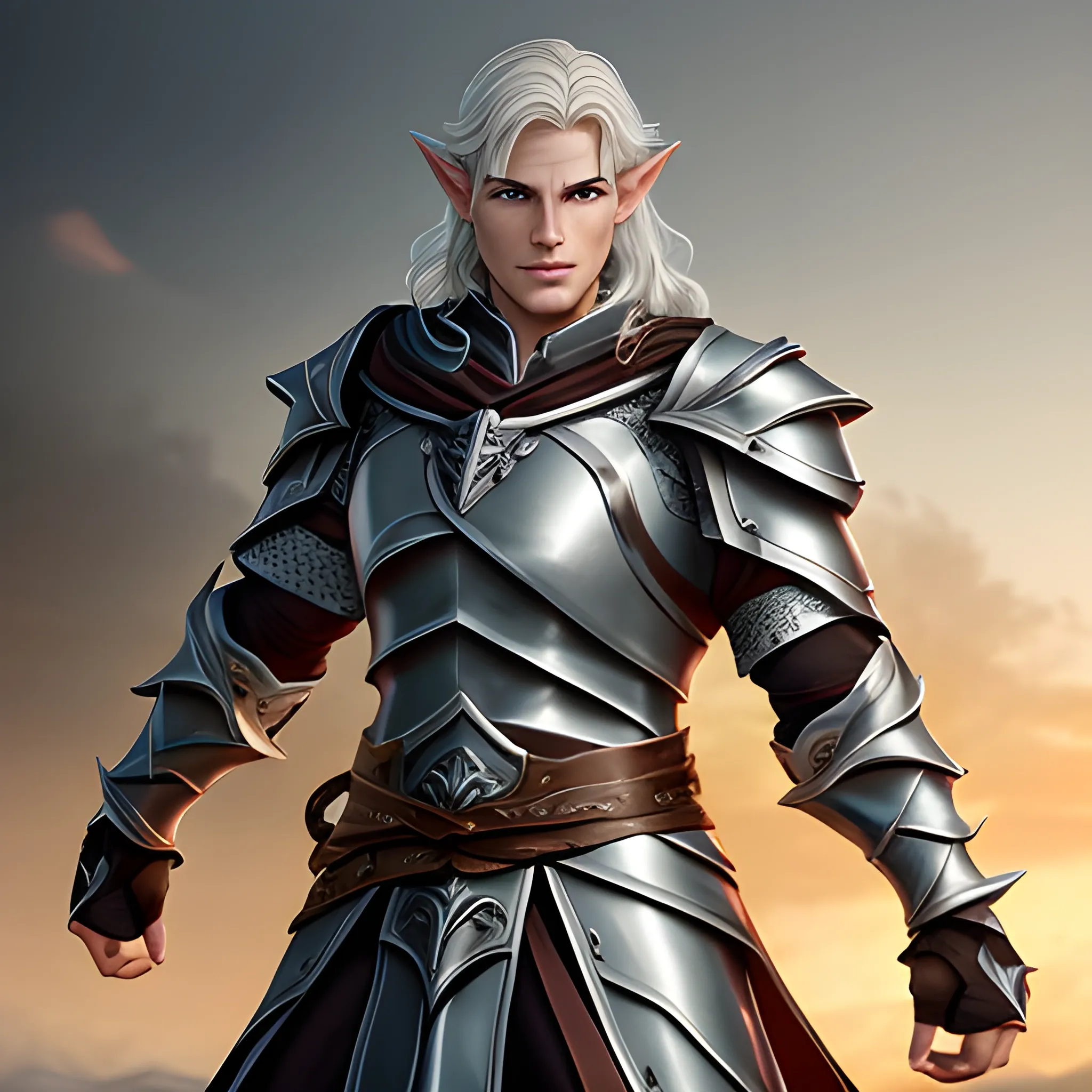
Kaelen Stormrider , a male half-elf paladin , possesses a commanding presence and a striking combination of elven grace and human strength. Here is a description of his appearance and demeanor: Standing at an impressive height , Kaelen carries himself with an air of confidence and nobility. His physique combines the refined features of his elven heritage with the robustness inherited from his human lineage. Though lean and athletic , his frame reveals underlying strength , a testament to his dedication to his martial training. Kaelen's fair complexion bears a touch of warmth , reflecting both his elven and human ancestry. His face is characterized by sharp yet gentle features , accentuated by a chiseled jawline and high cheekbones. His captivating eyes , a piercing shade of stormy gray or deep blue , reveal a depth of conviction and determination. His hair , often styled in a swept-back manner , falls in waves or locks that resemble the tempestuous sea. The color can vary , ranging from a dark chestnut brown to a silvery hue reminiscent of moonlight reflecting off water. It flows freely , occasionally catching the light and accentuating his every movement. Kaelen's attire reflects his devotion to his paladin oath and his quest for righteousness. He wears polished , gleaming plate armor adorned with intricate engravings and symbols representing his deity or personal convictions. Over his armor , he may don a flowing , azure-colored cloak , emblazoned with the emblem of his order or the symbol of the storm. His demeanor is one of unwavering resolve and compassionate determination. Kaelen's eyes hold a spark of idealism , tempered by the wisdom gained from his experiences. He exudes a natural charisma , with a voice that resonates with conviction and inspires those around him. The mark of his paladinhood may be visible on his person , such as a holy symbol or a sigil representing his chosen deity. It serves as a reminder of his sacred duty and the divine powers that guide him in his quest to protect the innocent and vanquish evil. Kaelen Stormrider's appearance , combining the grace of his elven heritage with the strength of his human lineage , mirrors his inner dedication to righteousness and his unwavering commitment to his sworn oath as a paladin. ,




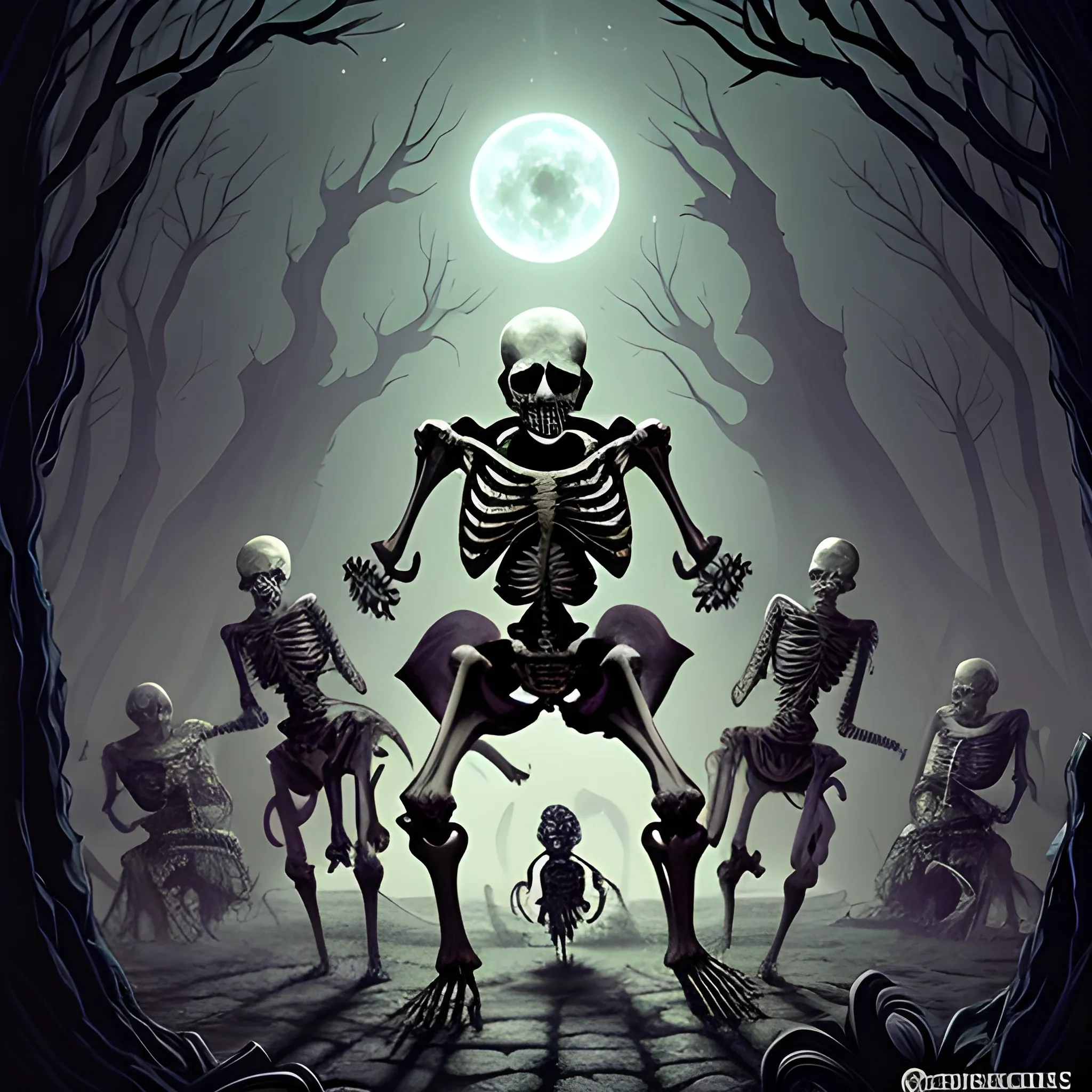
Appearance: A skeleton is a reanimated undead creature , the animated remains of a once-living being. They are skeletal in form , devoid of flesh and organs , and are held together by dark necromantic magic. Their bones can be of various sizes and shapes , depending on the creature they were before death. The bones of a humanoid skeleton are often bleached white , while those of larger creatures might retain a more weathered appearance. Features: Skeletons are mindless creatures , devoid of the emotions and intellect they possessed in life. Their movements are stiff and jerky , controlled by the magic that animates them. They lack the strength and capabilities they had in life but can still be formidable due to their resistance to exhaustion and immunity to poison and many mind-affecting spells. Habitat: Skeletons can be found in various environments , wherever dark necromantic magic is practiced or where ancient burial sites have been disturbed. They are often encountered in crypts , dungeons , or as guardians of forgotten tombs. In your DND world , they might be the remnants of fallen warriors or victims of dark rituals , arising to serve their necromantic masters. Behavior: As mindless undead , skeletons are compelled to follow the commands of their creators or necromancers who control them. They have no will of their own and exist solely to fulfill the tasks assigned to them. Whether that means guarding a location , attacking intruders , or carrying out a specific purpose , skeletons are bound to carry out their orders until they are destroyed. Role in the World: In your DND world , skeletons could serve as a constant reminder of the dark arts and the dangers of necromancy. They may be used by evil necromancers as minions or guardians , lurking in ancient crypts or dungeons to deter intruders. Adventurers might encounter them in their quest to thwart dark forces or uncover the secrets of long-forgotten ruins. Encountering a skeleton in your campaign often means dealing with a mindless foe that is immune to many traditional methods of persuasion. Adventurers might use various tactics to overcome them , such as using holy magic , radiant damage , or weapons that can shatter or disassemble the undead. While individually not as threatening as some other creatures , the real challenge lies in facing hordes of skeletons , as their numbers can quickly overwhelm unprepared adventurers. ,

envision a scene bathed in a soft , muted color palette that conveys a subtle sense of melancholy. The setting could be a cozy and dimly lit room , perhaps adorned with warm , amber hues. Large , open windows reveal a gentle rain falling outside , contributing to the overall ambiance. In the foreground , imagine a vintage turntable , its needle delicately hovering above a vinyl record. The record cover , featuring art that evokes a sense of introspection , lies nearby , waiting to be placed on the turntable. The room is scattered with scattered cushions and throws , creating an inviting atmosphere for contemplation. A pair of stylish headphones , draped over the edge of a comfortable chair , suggests the intimate connection between the listener and the music. The room is adorned with artwork that captures both the beauty and the fleeting nature of emotions , creating a thoughtful and reflective space. As for the expression on someone's face in this scene , envision a gaze that reflects a mix of introspection and a subtle acknowledgment of the melancholic undertones. There's a sense of finding solace and beauty in the melancholy , and the overall image captures the essence of "Melanotune" — a moment of introspection and connection with music in the midst of a subdued emotional state. ,

Picture a long , deserted open road stretching out into the distance , devoid of any cars or signs of life. The asphalt bears the weathered marks of time , with cracks scattered here and there , indicating the passage of years and the elements taking their toll. The road seems to extend endlessly , disappearing into a hazy horizon. In the foreground , you find a solitary cigarette butt , lying on the pavement. It stands out as a small , tangible piece of evidence that someone , at some point , passed through this desolate stretch. The discarded cigarette adds a touch of human presence , juxtaposed against the vast and empty expanse of the road leading to nowhere. It tells a silent story of transience and the fleeting nature of moments on this seemingly endless journey. ,

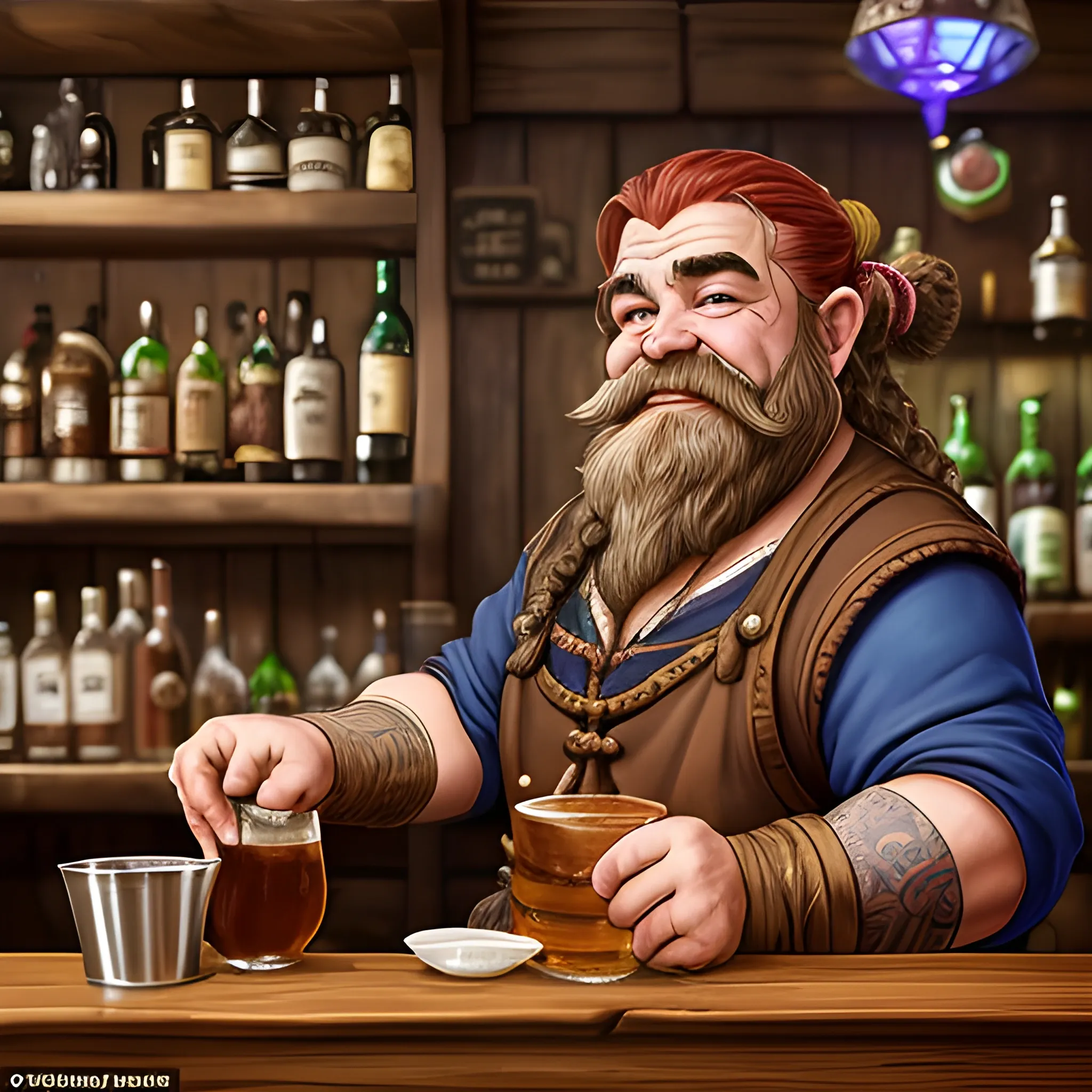
Appearance: The bartender is a stout and robust Dwarf , a natural fit for the role with their love of a good drink and merriment. Standing behind the bar with a barrel chest and muscular arms , they exude an air of confidence and competence. Their thick , braided beard is impeccably groomed , and their fiery red hair matches the gleam in their eyes. Despite their short stature , they carry themselves with pride and authority , ensuring that the tavern runs smoothly. Features: This Dwarf bartender is an expert in the art of brewing and mixing drinks , boasting an impressive knowledge of beverages from all corners of the realm. They take pride in their craft and are always eager to share their expertise with curious patrons. Their boisterous laughter can be heard throughout the establishment , setting the tone for a lively and convivial atmosphere. Habitat: This Dwarf bartender can be found in renowned taverns across the land , often in the heart of bustling cities or near mines and trade routes where Dwarves congregate. They may run an alehouse famous for its signature brew or manage an inn that welcomes travelers from near and far. In your DND world , this Dwarf bartender might be part of a close-knit Dwarven community or one of the few Dwarves venturing outside their mountain homes. Behavior: True to their Dwarven heritage , this bartender is hardworking , reliable , and fiercely loyal to their patrons. They value tradition and history , always eager to regale customers with tales of legendary heroes or the exploits of their ancestors. Their hearty demeanor and ability to hold their liquor make them the perfect drinking companion for those seeking camaraderie and mirth. Role in the World: In your DND world , this Dwarf bartender embodies the spirit of celebration and unity. They serve as a symbol of the joys of life , bringing people together to share stories and forge new friendships. Adventurers may find solace in their familiar presence , knowing that even in the farthest reaches of the realm , they can always find a friendly face in this Dwarf tavernkeeper. Encountering a Dwarf bartender in your campaign can be a delightful and memorable experience for players. It provides an opportunity to explore the rich cultural traditions of Dwarves and appreciate the sense of community and kinship they foster. The interactions with this lively bartender can lead to jovial role-playing moments , creating a sense of camaraderie among the players and their characters. The presence of a Dwarf bartender in your campaign world adds depth and authenticity to the portrayal of Dwarven culture. It showcases the Dwarves' love of craftsmanship , storytelling , and hearty revelry , painting a vivid picture of a race known for their lively spirits and strong bonds. This NPC can become a cherished and endearing character in your DND campaign , making the tavern they run a beloved location where players can find respite and warmth amidst the adventures that lie ahead. ,
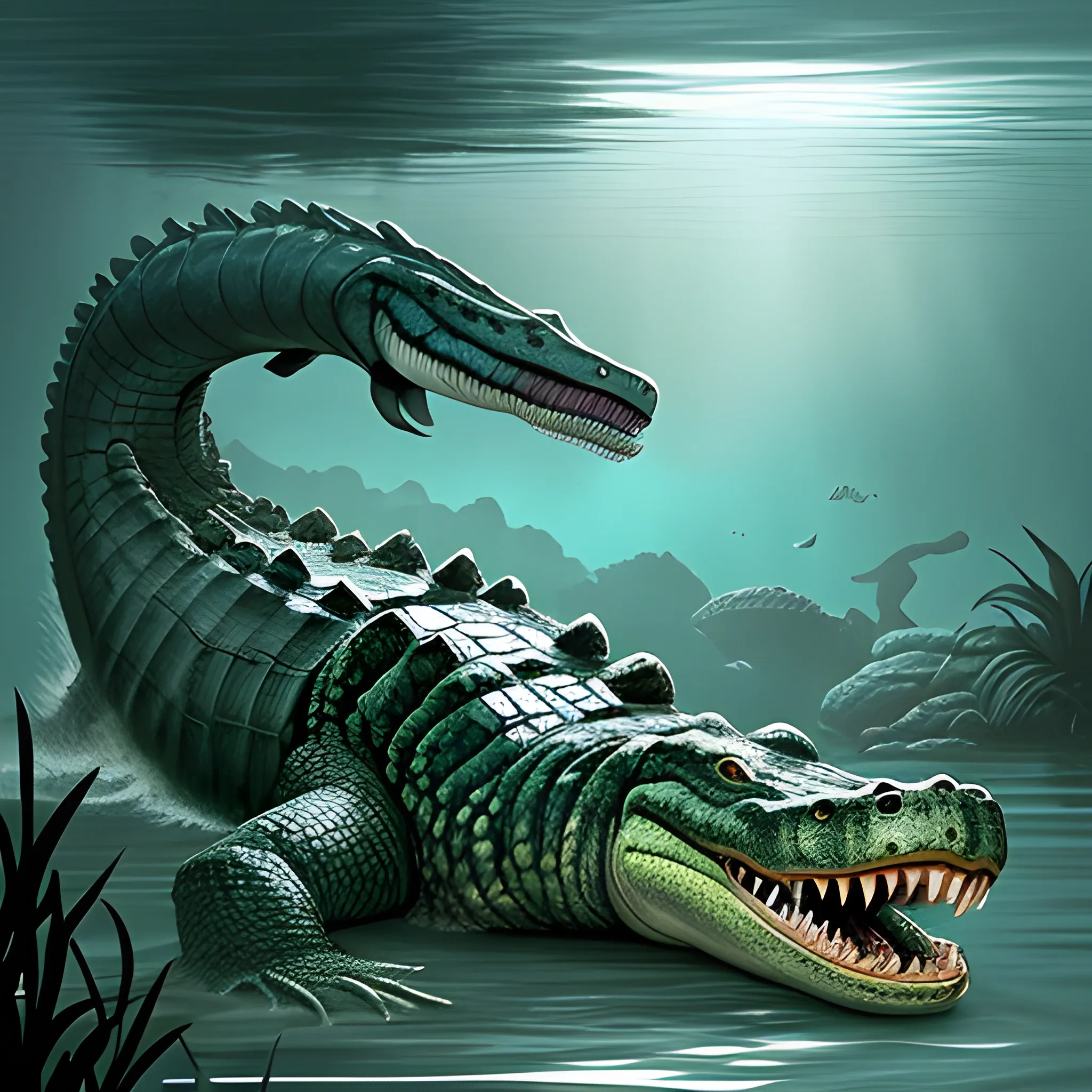
Appearance: The Giant Crocodile is an enormous and monstrous reptile , dwarfing its smaller counterpart in size and power. It has a massive body covered in thick and rugged scales that can range from dark greens to deep browns , perfectly camouflaging it in its aquatic habitat. Its long and powerful tail serves as a formidable weapon , enabling it to swim swiftly and strike with devastating force. The Giant Crocodile's eyes gleam with an intelligence and predatory instinct that sets it apart from ordinary creatures. Features: The Giant Crocodile is a colossal apex predator , boasting immense strength and resilience. Its jaws are filled with rows of sharp teeth , capable of crushing bones and armor with ease. Unlike its smaller kin , the Giant Crocodile is fully adapted for a purely aquatic lifestyle , rarely venturing onto land except to bask in the sun or establish dominance in its territory. Habitat: Giant Crocodiles prefer large bodies of freshwater , such as expansive rivers , deep lakes , and marshlands. They are territorial creatures , claiming vast stretches of water as their hunting grounds. In your DND world , they could inhabit mysterious swamps or hidden lagoons , guarding ancient secrets or treasures. Behavior: As ambush predators , Giant Crocodiles are masters of surprise attacks. They remain mostly submerged , with only their eyes and nostrils visible above the water's surface. When potential prey ventures too close , the Giant Crocodile strikes with astonishing speed and strength , dragging victims underwater to drown or consume. Role in the World: In your DND world , Giant Crocodiles could be legendary creatures , feared and respected by both locals and adventurers alike. They might be considered as guardians of ancient temples or revered as avatars of primordial nature. Druids and rangers might see them as symbols of untamed and primal power. Encountering a Giant Crocodile in the wild is a dangerous and potentially deadly event for adventurers. Its size and power make it an incredibly challenging opponent , even for a well-prepared party. Players must exercise extreme caution when navigating bodies of water known to be inhabited by Giant Crocodiles , as these creatures can deliver swift and lethal attacks. The presence of Giant Crocodiles in your campaign can create an atmosphere of danger and trepidation when exploring swampy and aquatic environments. Players will need to be constantly vigilant and employ strategic thinking to avoid becoming victims of these monstrous reptiles. Crossing waterways or searching for hidden artifacts in areas known to be Giant Crocodile territory can create a sense of high stakes and urgency in your DND world. ,

Picture a long , deserted open road stretching out into the distance , devoid of any cars or signs of life. The asphalt bears the weathered marks of time , with cracks scattered here and there , indicating the passage of years and the elements taking their toll. The road seems to extend endlessly , disappearing into a hazy horizon. In the foreground , you find a solitary cigarette butt , lying on the pavement. It stands out as a small , tangible piece of evidence that someone , at some point , passed through this desolate stretch. The discarded cigarette adds a touch of human presence , juxtaposed against the vast and empty expanse of the road leading to nowhere. It tells a silent story of transience and the fleeting nature of moments on this seemingly endless journey. ,
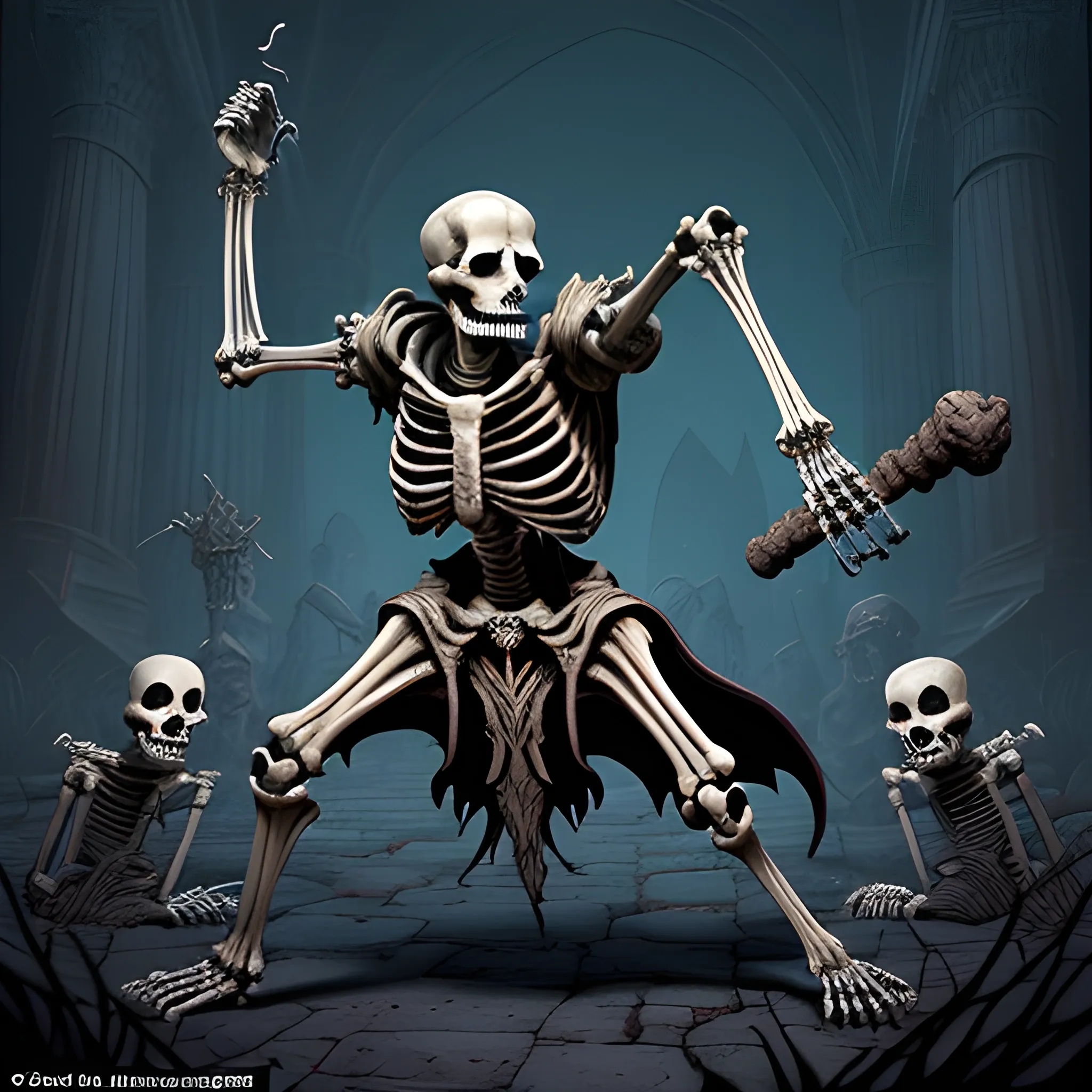
Appearance: A skeleton is a reanimated undead creature , the animated remains of a once-living being. They are skeletal in form , devoid of flesh and organs , and are held together by dark necromantic magic. Their bones can be of various sizes and shapes , depending on the creature they were before death. The bones of a humanoid skeleton are often bleached white , while those of larger creatures might retain a more weathered appearance. Features: Skeletons are mindless creatures , devoid of the emotions and intellect they possessed in life. Their movements are stiff and jerky , controlled by the magic that animates them. They lack the strength and capabilities they had in life but can still be formidable due to their resistance to exhaustion and immunity to poison and many mind-affecting spells. Habitat: Skeletons can be found in various environments , wherever dark necromantic magic is practiced or where ancient burial sites have been disturbed. They are often encountered in crypts , dungeons , or as guardians of forgotten tombs. In your DND world , they might be the remnants of fallen warriors or victims of dark rituals , arising to serve their necromantic masters. Behavior: As mindless undead , skeletons are compelled to follow the commands of their creators or necromancers who control them. They have no will of their own and exist solely to fulfill the tasks assigned to them. Whether that means guarding a location , attacking intruders , or carrying out a specific purpose , skeletons are bound to carry out their orders until they are destroyed. Role in the World: In your DND world , skeletons could serve as a constant reminder of the dark arts and the dangers of necromancy. They may be used by evil necromancers as minions or guardians , lurking in ancient crypts or dungeons to deter intruders. Adventurers might encounter them in their quest to thwart dark forces or uncover the secrets of long-forgotten ruins. Encountering a skeleton in your campaign often means dealing with a mindless foe that is immune to many traditional methods of persuasion. Adventurers might use various tactics to overcome them , such as using holy magic , radiant damage , or weapons that can shatter or disassemble the undead. While individually not as threatening as some other creatures , the real challenge lies in facing hordes of skeletons , as their numbers can quickly overwhelm unprepared adventurers. ,


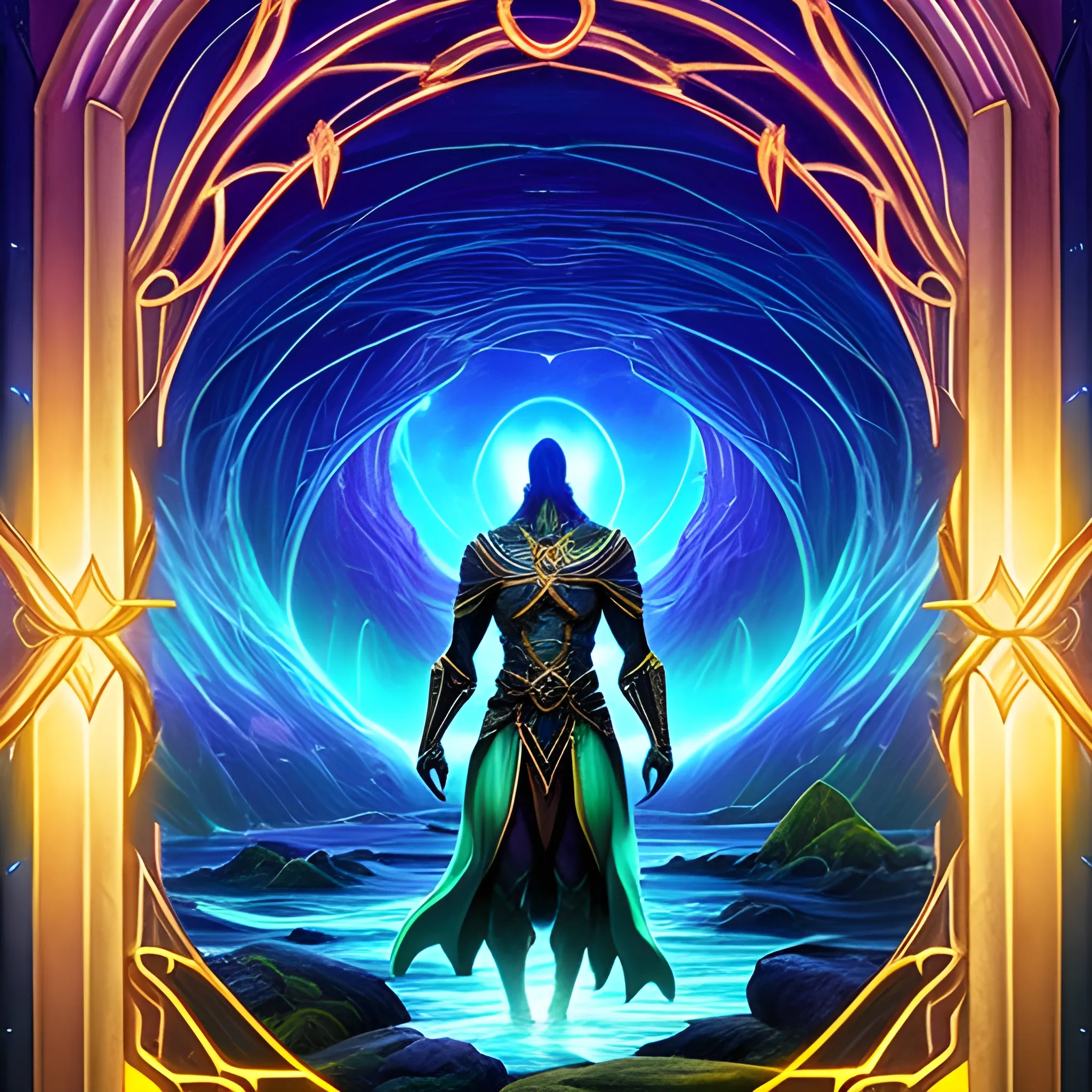
Kaelen Stormrider , a male half-elf of mysterious origins , has recently arrived on the radiant shores of Lumina Isle. The island's rich and storied history called out to him , beckoning him to seek solace , enlightenment , and perhaps answers to the questions that have haunted him for so long. From a young age , Kaelen felt a deep yearning for something greater than himself. He possessed an unexplained connection to the celestial forces , often feeling their subtle presence guiding his path. Seeking to understand the nature of his gifts and the purpose that awaited him , he embarked on a journey across distant lands , immersing himself in various cultures , ancient texts , and arcane lore. News of Lumina Isle , with its reputation as a sanctuary for seekers of wisdom and enlightenment , reached Kaelen's ears like a melodious song. Drawn by the island's eternal radiance and the promise of finding the answers he sought , he set sail across treacherous seas , braving the unknown to reach his destination. Upon arriving on Lumina Isle , Kaelen found himself captivated by its breathtaking beauty and the tangible presence of mystical energies that infused the very air he breathed. The island's grand temples , majestic structures , and the vibrant community of scholars and seekers ignited a flame within him—a passion for unlocking the secrets of the island and his own true purpose. As an outsider in this new realm , Kaelen is keenly aware of the responsibility that rests upon his shoulders. He seeks to prove his worth and find his place within the island's tapestry of enlightened souls. With an open mind and an unyielding determination , he eagerly delves into the island's history , immersing himself in the ancient texts and teachings that have guided the island's inhabitants for generations. Kaelen's arrival on Lumina Isle marks a new chapter in his personal journey of self-discovery , as he navigates the island's rich tapestry of knowledge , magical prowess , and spiritual growth. With each passing day , he hones his magical abilities , draws upon the celestial forces that have shaped his destiny , and seeks to uncover the truth that awaits him in the depths of Lumina Isle's mysteries. As he immerses himself in the island's vibrant community , Kaelen stands ready to forge new alliances , learn from the wisdom of the island's scholars , and , perhaps , unveil the lurking darkness that seems to hide in the shadows. His arrival brings with it a sense of anticipation , as Lumina Isle braces itself for the impact this enigmatic half-elf will have on its eternal radiance and the quest for enlightenment that defines its very existence. ,
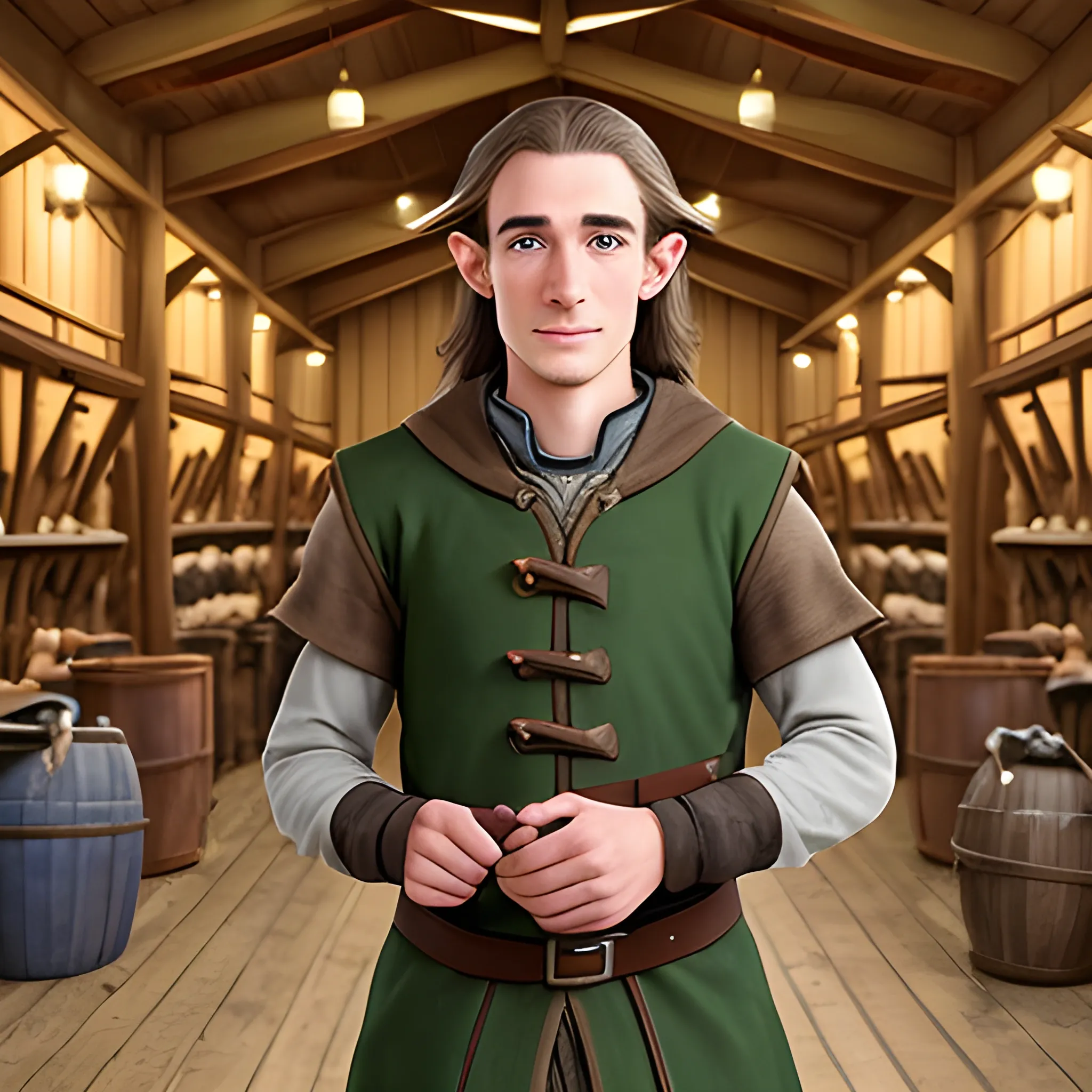
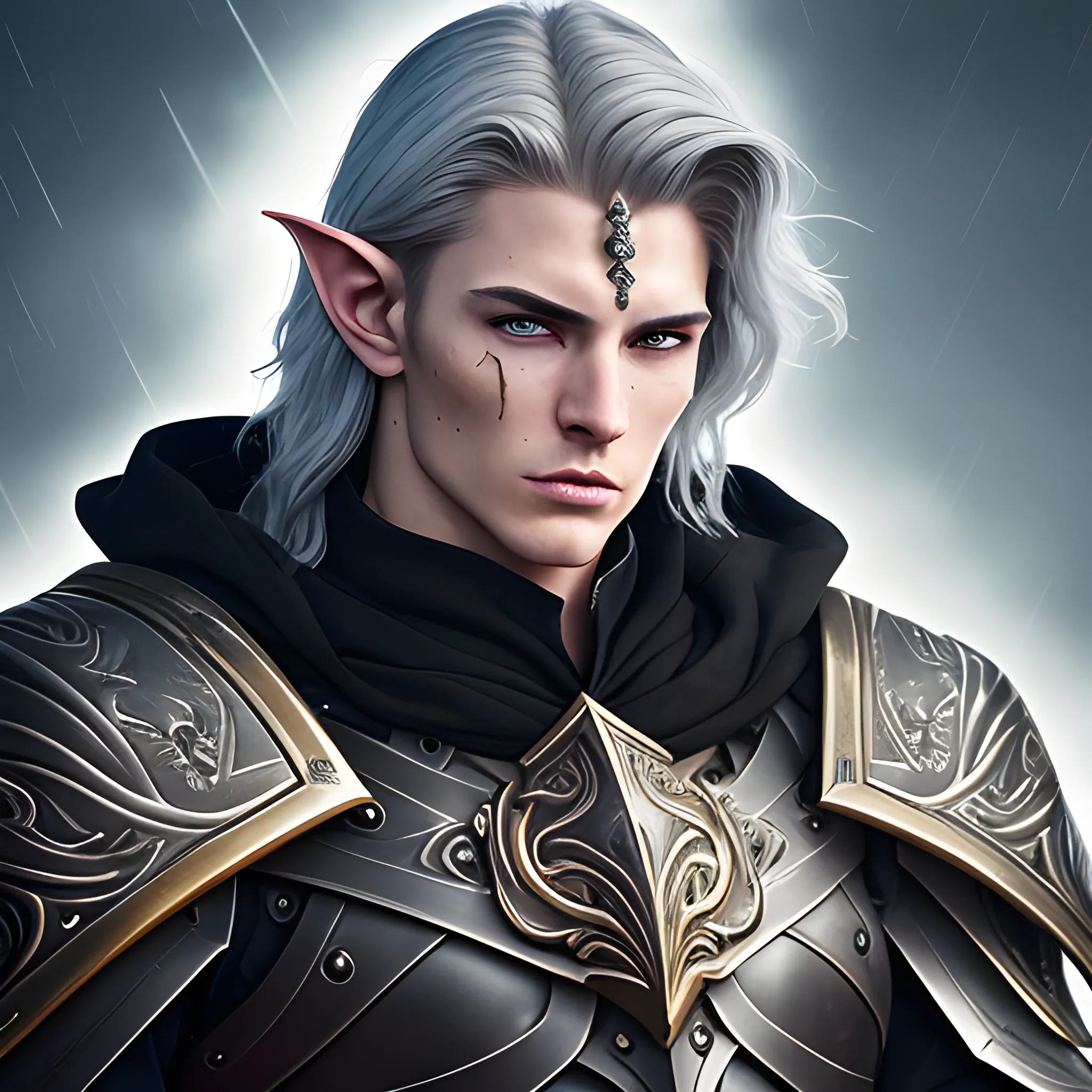
Kaelen Stormrider , a male half-elf paladin , possesses a commanding presence and a striking combination of elven grace and human strength. Here is a description of his appearance and demeanor: Standing at an impressive height , Kaelen carries himself with an air of confidence and nobility. His physique combines the refined features of his elven heritage with the robustness inherited from his human lineage. Though lean and athletic , his frame reveals underlying strength , a testament to his dedication to his martial training. Kaelen's fair complexion bears a touch of warmth , reflecting both his elven and human ancestry. His face is characterized by sharp yet gentle features , accentuated by a chiseled jawline and high cheekbones. His captivating eyes , a piercing shade of stormy gray or deep blue , reveal a depth of conviction and determination. His hair , often styled in a swept-back manner , falls in waves or locks that resemble the tempestuous sea. The color can vary , ranging from a dark chestnut brown to a silvery hue reminiscent of moonlight reflecting off water. It flows freely , occasionally catching the light and accentuating his every movement. Kaelen's attire reflects his devotion to his paladin oath and his quest for righteousness. He wears polished , gleaming plate armor adorned with intricate engravings and symbols representing his deity or personal convictions. Over his armor , he may don a flowing , azure-colored cloak , emblazoned with the emblem of his order or the symbol of the storm. His demeanor is one of unwavering resolve and compassionate determination. Kaelen's eyes hold a spark of idealism , tempered by the wisdom gained from his experiences. He exudes a natural charisma , with a voice that resonates with conviction and inspires those around him. The mark of his paladinhood may be visible on his person , such as a holy symbol or a sigil representing his chosen deity. It serves as a reminder of his sacred duty and the divine powers that guide him in his quest to protect the innocent and vanquish evil. Kaelen Stormrider's appearance , combining the grace of his elven heritage with the strength of his human lineage , mirrors his inner dedication to righteousness and his unwavering commitment to his sworn oath as a paladin. ,