Search Results for generate a
Explore AI generated designs, images, art and prompts by top community artists and designers.
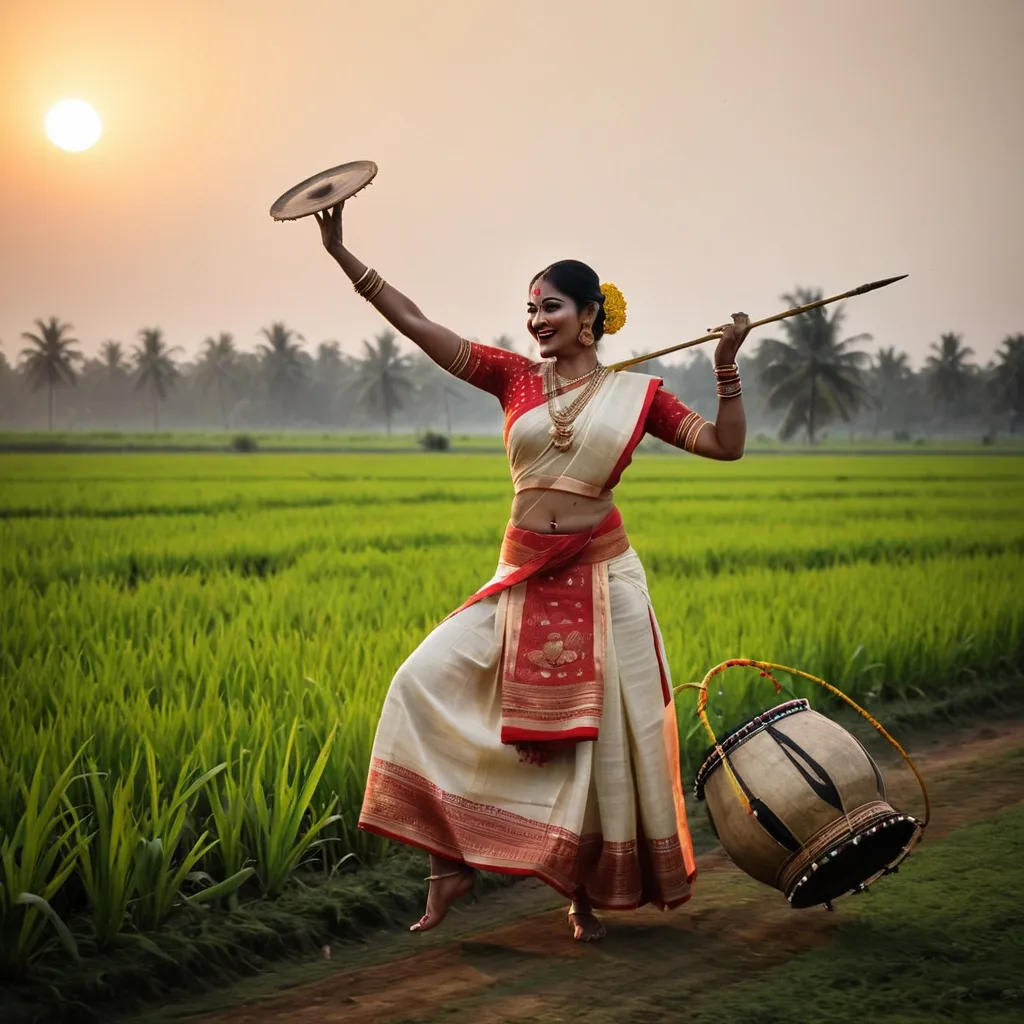

Camera: Ultra‑low 35 mm cinematic shot , ultra‑wide , shallow depth of field , slight motion blur to convey fluid movement. ar 9:16. Subject: Generate an image of Create a ultra-realistic cinematic , Aerial wide shots , a young Assamese woman performing the Bihu dance in a traditional cream Muga silk Mekhela chador with bold red woven motifs , a red gamosa tied at her waist , traditional gold jewelry and white kopou orchids in her hair. She moves with raised arms and a joyful smile with a dhol drummer blurred behind her. blurred an endless green paddy field at dusk , a huge orange setting sun on the horizon , a very long shadow stretching toward the camera , heat haze , subject small in the lower half , the top third of the image is clean empty gradient sky , burnt pink and dusty rose palette , cinematic , painterly realism , no text. ,
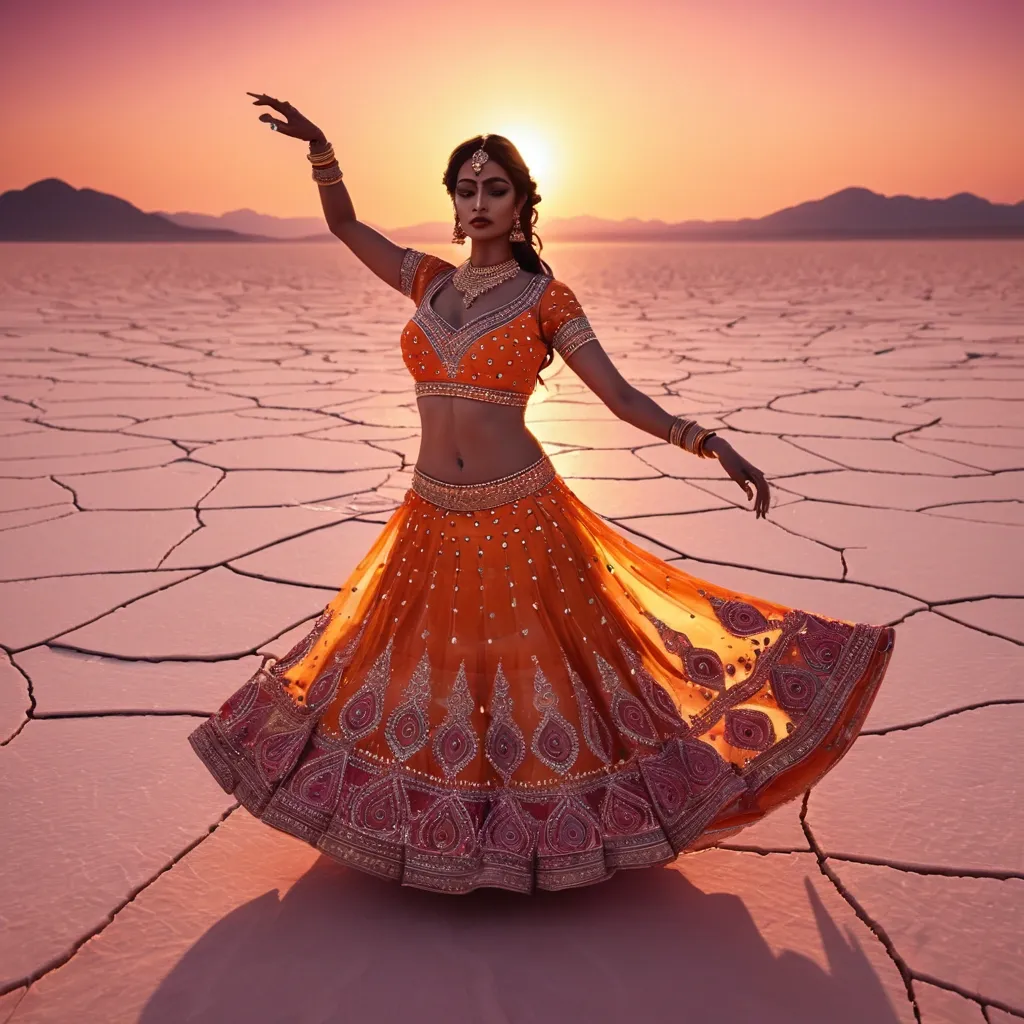
Camera: Ultra‑low 35 mm cinematic shot , ultra‑wide , shallow depth of field , slight motion blur to convey fluid movement. ar 9:16. Subject: Generate an image of Create a ultra-realistic cinematic , Aerial wide shots , a lone and tiny woman , dressed in vibrant , intricately embroidered Ghagra-Choli with mirror work and bead embellishments , a Ghagra outward in spiral , depicted in a Solarized Oceanic Enigma , performs a graceful ritual dance , and wears jewelry including arm cuffs and a collar. Her body is positioned in a dynamic dance motion an endless cracked salt flat at dusk , a huge orange setting sun on the horizon , a very long shadow stretching toward the camera , heat haze , subject small in the lower half , the top third of the image is clean empty gradient sky , burnt pink and dusty rose palette , cinematic , painterly realism , no text. ,
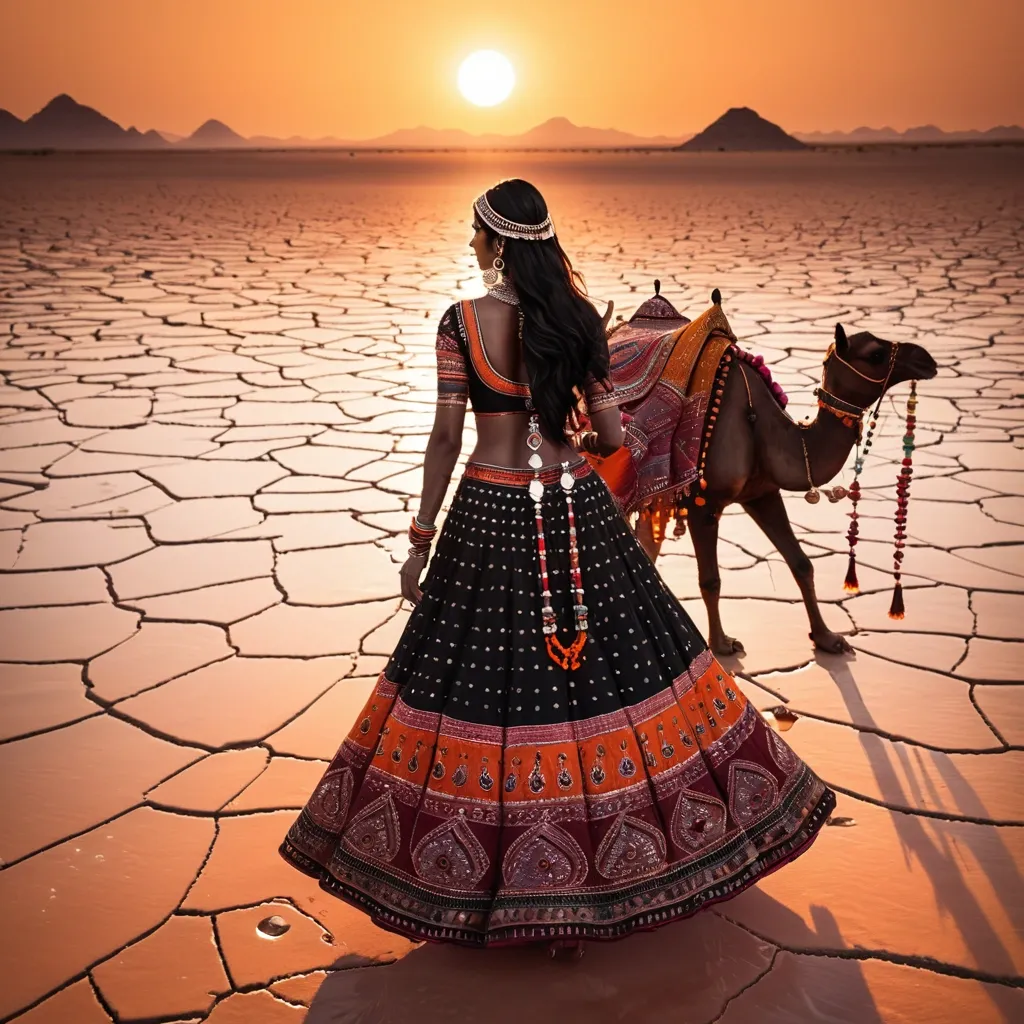
Generate an image of Create a ultra-realistic cinematic , Aerial wide shots , at long distance a tiny Rajasthani woman in a vibrant black and maroon Ghagra choli with mirror work , a flowing orange Odhni and silver tribal jewelry , She leads a decorated camel with colorful tassels and a woven saddle , walking barefoot across an endless cracked salt flat at dusk , a huge orange setting sun on the horizon , a very long shadow. Extra details: a clear focal point , subtle atmospheric depth. Include rich , specific details in the textures , background and lighting. Use a vertical portrait format (3:2 aspect ratio). No text , logos or watermarks in the image. ,
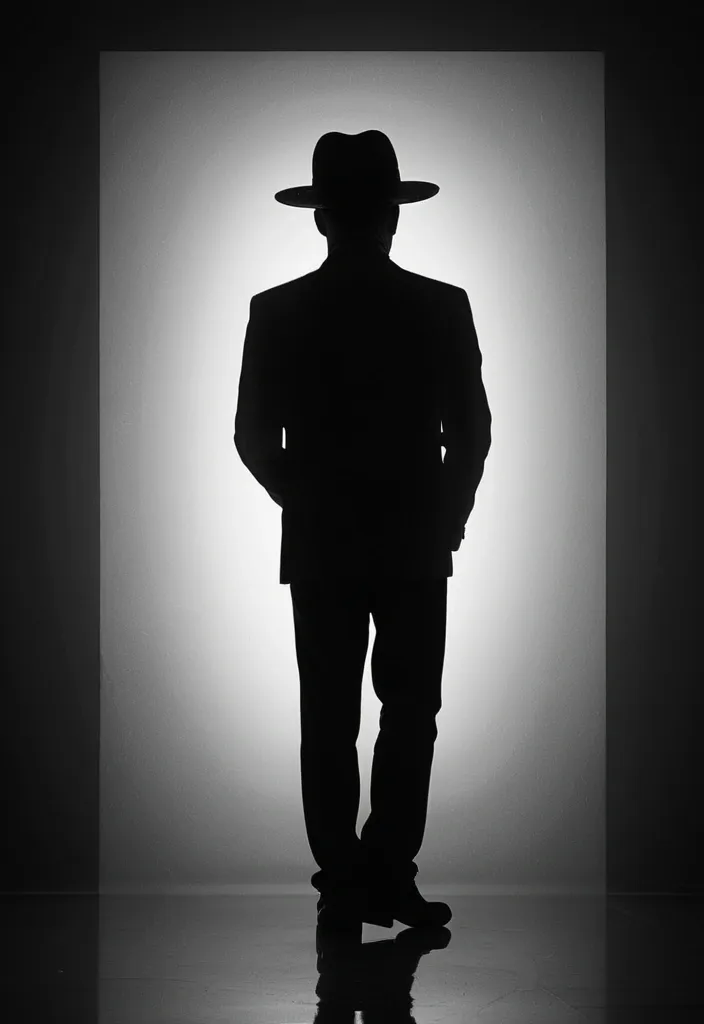
Generate a portrait image of A black and white photograph shows the blurred silhouette of a mature man(from upload) behind a frosted or translucent surface , wearing a big hat to the right , in the style of clever use of negative space. The back is sharply defined and pressed against the surface , creating a stark contrast with the rest of the hazy , indistinct figure. The background is a captured in a Neon Noir Blade-Edge Elegance , where sharp dot and angular neon lights striping out dramatic forms mute tones , enhancing the mysterious and artistic atmosphere. Make it symmetrical. ar 9:16. ,
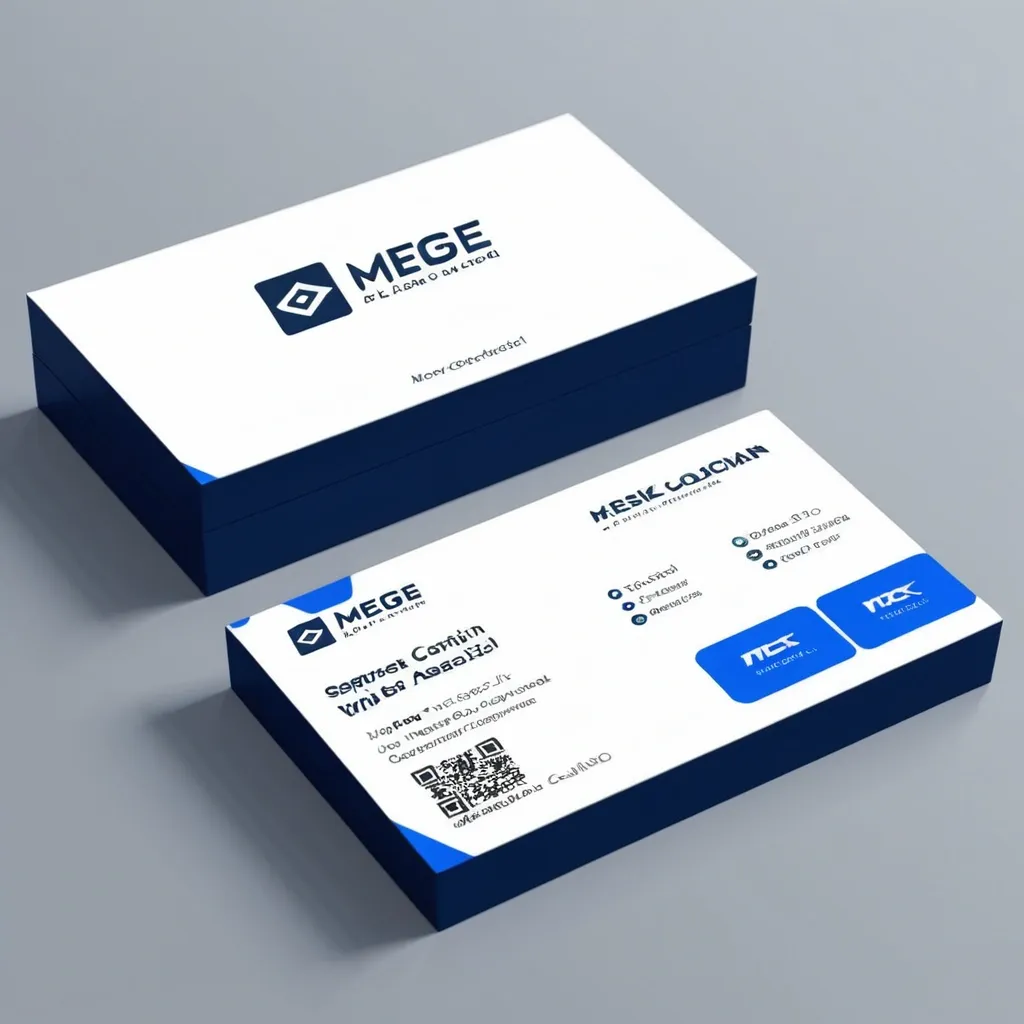
Create a double-sided , horizontal promotional business card design for a brand called Mege Pilot Vadodara. The business offers digital solutions for delivery pilots in the Asia , specifically bots , support , account guidance , setup , and ongoing assistance. Design Objective The card must look modern , professional , trustworthy , tech-oriented , and visually appealing , with a promotional aesthetic that sparks curiosity and encourages people to learn more about Mege Soluciones Digitales. It should convey support for Latino pilots working with delivery apps in the Vadodara. Visual Style Clean , premium , and commercial design Modern , tech-forward look Primary colors: navy blue , bright blue , white , and small red accents Visual feel: trust , clarity , approachability , and opportunity Use a modern Aircraft as a visual element Include a subtle reference to the United States or Miami Avoid visual clutter Do not use large official logos from the platforms Must not look like an official company representing Amazon , Walmart , DoorDash , or similar Card Front Must include: Main name: Mege Pilot Vadodara Subtitle: Digital solutions for drivers Featured services: Bots • Support • Guidance Instagram: @megevadodara A button or visual call-to-action , e.g. , "Learn more via WhatsApp" Image of a modern aircraft Elegant design with clear visual hierarchy The front should generate curiosity and have a promotional feel , rather than just a corporate one Card Back Must include: Catchy headline: Do you work with delivery apps in the Vadodara? Brief text: We help you with bots , support , and solutions to make the most of your time List of services: Delivery bots Account support and guidance Setup and ongoing assistance Mention platforms in text , without giving them excessive prominence: Amazon Flex • Spark • Veho • Instacart • DoorDash • Shipt A prominent space for a QR code CTA text: Scan and message us "MIAMI" on WhatsApp Contact number: WhatsApp: +57 318 082 4559 Small legal text: Independent service. We are not official representatives of the mentioned platforms. Design requirements Horizontal layout , business card format Balanced and attractive composition Legible text Print-ready appearance Consistent front and back designs Conveys a professional , well-presented brand image Expected outcome Generate a visual proposal for a double-sided business card—including front and back mockups—ready to serve as a professional design reference in Canva. ,
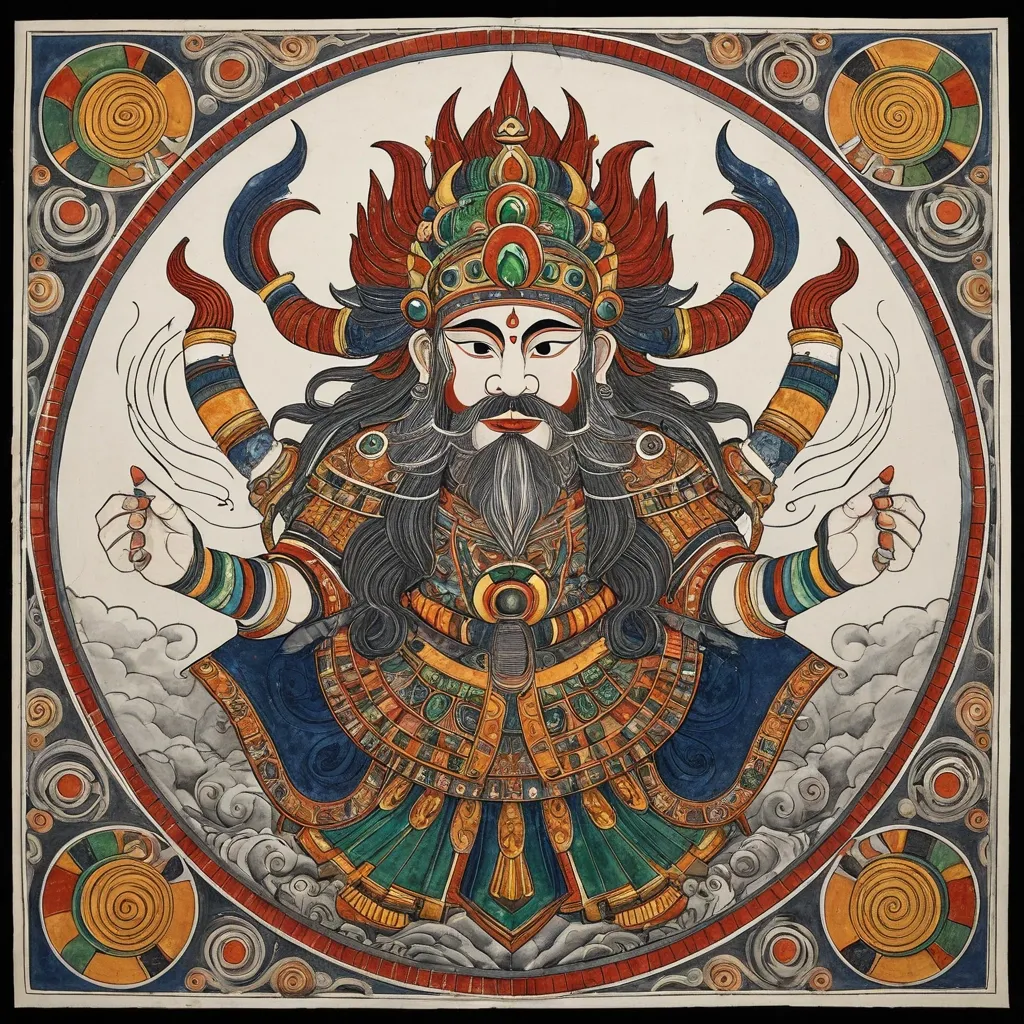
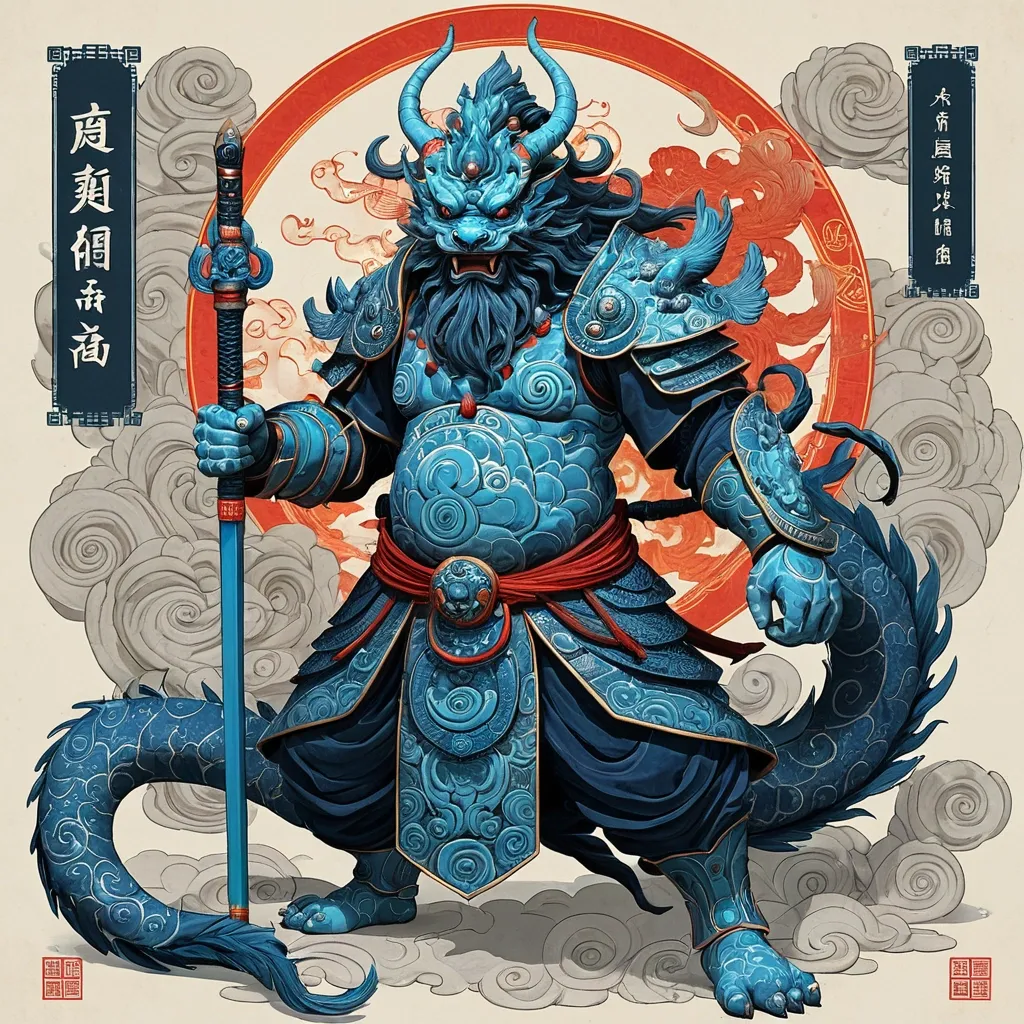
Generate an illustration of an Eastern deity in the style of Madhubani art sacred art , centering on the Zhong Kui and incorporating the Fire-Tipped Spear and Divine Beast to create a cohesive composition. Elements such as artifacts , wings , ghosts , ribbons , clouds , or divine manifestations must not serve merely as decoration; instead , they must collectively form clear structural patterns—such as diagonals , circles , S-curves , radial lines , or frontal subjugation poses—to imbue the image with a distinct sense of dynamic momentum (*shi*). The overall style should blend the aesthetics of traditional deity paintings , *Gongbi* heavy-color painting , *Baimiao* (fine-line drawing) , and ancient illustrated scrolls. The figure should appear solemn , divine , and imposing , avoiding the look of modern idols or game CG characters. Attire should follow traditional systems of divine robes , armor , and headdresses , incorporating continuous patterns such as cloud , thunder , scale , beast-face , meander (Greek key) , and scrolling vine motifs. Prioritize highly continuous Madhubani art line work: render hair , beards , and the fur or feathers of divine beasts with smooth , long lines that follow natural flow; depict clouds , garment hems , and ribbons using unbroken S-curves and C-curves; ensure that patterns on armor , crowns , and clothing are structurally complete and continuously closed. Minimize fragmented textures; avoid random short strokes , dense broken lines , jagged hair edges , or noise-like etching patterns. The color palette employs uniform , rich , and continuous traditional heavy mineral pigments. Centered around a core tone , it incorporates azurite blue , malachite green , ink-blue , antique gold , copper gold , cinnabar , ochre red , and ivory white. While low in saturation , the colors maintain high pigment density and transition naturally and smoothly along the forms; the finish should be free of mottling , fading , stains , graininess , or artificial distressing. The background features clean , warm-toned ivory *xuan* paper with extensive negative space , accented only by minimal continuous-line cloud motifs , vertical inscriptions , and cinnabar seals. The composition balances high information density in the subject matter with low density in the background. The overall aesthetic conveys the refined , fluid , cohesive , and professional quality of traditional Madhubani art painting with heavy mineral pigments on paper. Avoid: broken or fragmented lines , micro-fragmented textures , frizzy hair details , shattered cloud patterns , mottled coloring , faded or distressed effects , modern neon , 3D CG , screen-filling special effects , cluttered backgrounds , and large , modern poster-style headlines. ,
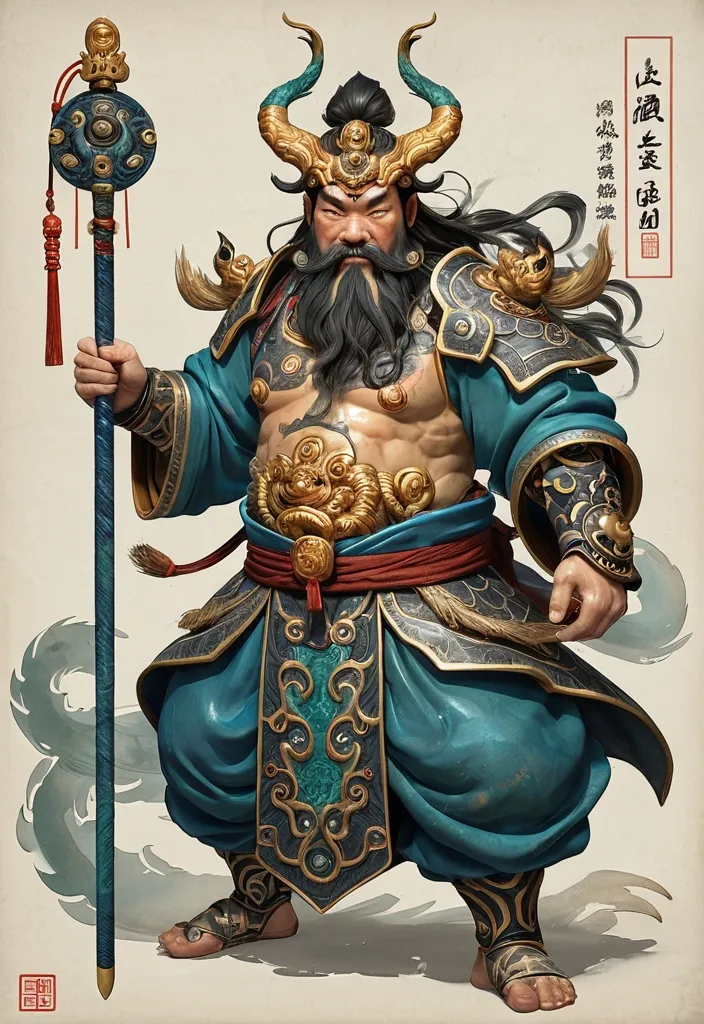
Deity Identity: Zhong Kui Core Artifact: Fire-Tipped Spear Divine Beast: Three-Eyed Manifestation Color Palette: Azurite & Antique Gold Composition Style: Spiraling Leap Overall Aura: Grotesque Aspect Ratio: [5:8] Generate an illustration of an Eastern deity in the style of *Gongbi* (meticulous brushwork) sacred art , centering on the Zhong Kui and incorporating the Fire-Tipped Spear and Divine Beast to create a cohesive composition. Elements such as artifacts , wings , ghosts , ribbons , clouds , or divine manifestations must not serve merely as decoration; instead , they must collectively form clear structural patterns—such as diagonals , circles , S-curves , radial lines , or frontal subjugation poses—to imbue the image with a distinct sense of dynamic momentum (*shi*). The overall style should blend the aesthetics of traditional deity paintings , *Gongbi* heavy-color painting , *Baimiao* (fine-line drawing) , and ancient illustrated scrolls. The figure should appear solemn , divine , and imposing , avoiding the look of modern idols or game CG characters. Attire should follow traditional systems of divine robes , armor , and headdresses , incorporating continuous patterns such as cloud , thunder , scale , beast-face , meander (Greek key) , and scrolling vine motifs. Prioritize highly continuous *Gongbi* line work: render hair , beards , and the fur or feathers of divine beasts with smooth , long lines that follow natural flow; depict clouds , garment hems , and ribbons using unbroken S-curves and C-curves; ensure that patterns on armor , crowns , and clothing are structurally complete and continuously closed. Minimize fragmented textures; avoid random short strokes , dense broken lines , jagged hair edges , or noise-like etching patterns. The color palette employs uniform , rich , and continuous traditional heavy mineral pigments. Centered around a core tone , it incorporates azurite blue , malachite green , ink-blue , antique gold , copper gold , cinnabar , ochre red , and ivory white. While low in saturation , the colors maintain high pigment density and transition naturally and smoothly along the forms; the finish should be free of mottling , fading , stains , graininess , or artificial distressing. The background features clean , warm-toned ivory *xuan* paper with extensive negative space , accented only by minimal continuous-line cloud motifs , vertical inscriptions , and cinnabar seals. The composition balances high information density in the subject matter with low density in the background. The overall aesthetic conveys the refined , fluid , cohesive , and professional quality of traditional *gongbi* (meticulous brushwork) painting with heavy mineral pigments on paper. Avoid: broken or fragmented lines , micro-fragmented textures , frizzy hair details , shattered cloud patterns , mottled coloring , faded or distressed effects , modern neon , 3D CG , screen-filling special effects , cluttered backgrounds , and large , modern poster-style headlines. ,
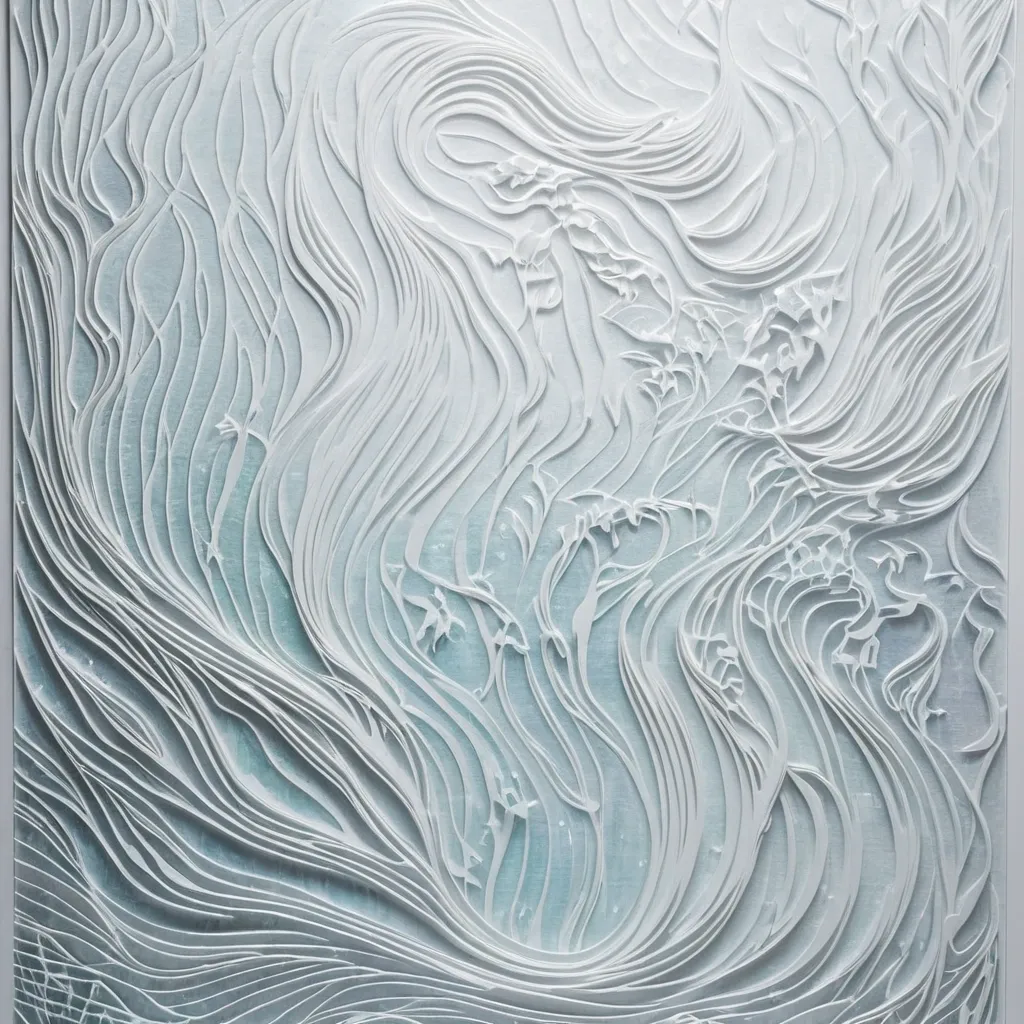
Generate a 9:16 poster featuring an Eastern poetic aesthetic , characterized by flowing light and generous negative space. Distill a two-character theme and a core emotion from the original poetic verse. Avoid replicating a complete traditional scene; instead , achieve a visual translation using a small , singular subject and a specific form of light movement (e.g. , fragmented , continuous , scattered , converging , flowing , veiled , or translucent). Use a background of premium , pure-white handmade art paper with 65%–75% negative space , while the subject occupies only 8%–20% of the composition. Incorporate meaningful white bas-relief elements—such as rain streaks , water ripples , mountain ridges , wind lines , old paths , or floral shadows—that appear minimalist from a distance but reveal themselves upon closer inspection. Subtly introduce iridescent accents—pearl white , ice blue , pale violet , celadon green , champagne gold , or amber gold—allowing light to emerge naturally from elements like water , porcelain , jade , paper , or spatial paths to create a shimmering , ethereal glow. Keep the use of color restrained; avoid neon effects or full-screen gradients. Human figures may appear minuscule or be omitted entirely , with "human presence" suggested only through objects such as a teacup , bamboo staff , empty chair , letter , or illuminated window. Feature the two-character theme as the main title , accompanied by a concise poetic line , location , date , and an English subtitle. ,
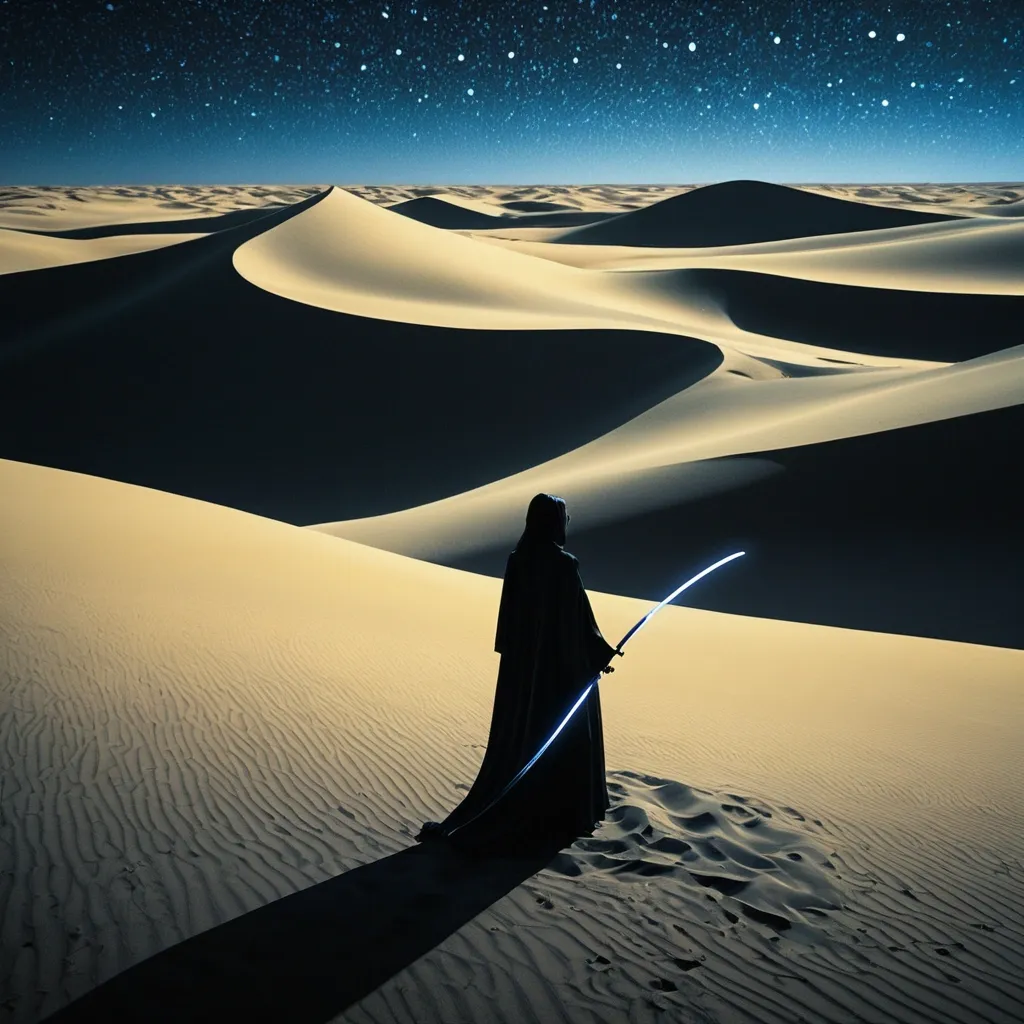
Generate a 9:16 poster featuring an Eastern poetic aesthetic , characterized by flowing light and generous negative space. A vast desert of black sand where the dunes form perfect negative shapes of inverted peak , a solitary woman in a long dark robe holds a katana at her side. An enormous translucent fabric train billows dramatically behind her across a reflective surface , standing among tall yellow reeds at the edge of a quiet land. As it progresses , the blue vortex dots towards sky , by Matisse to the right and then to the left , becoming progressively narrower to create a strong sense of perspective and depth , inversion surreal dreamlike strong contrast between dark sand and luminous figure impossible landscape cinematic presence highly detailed striking composition. ,
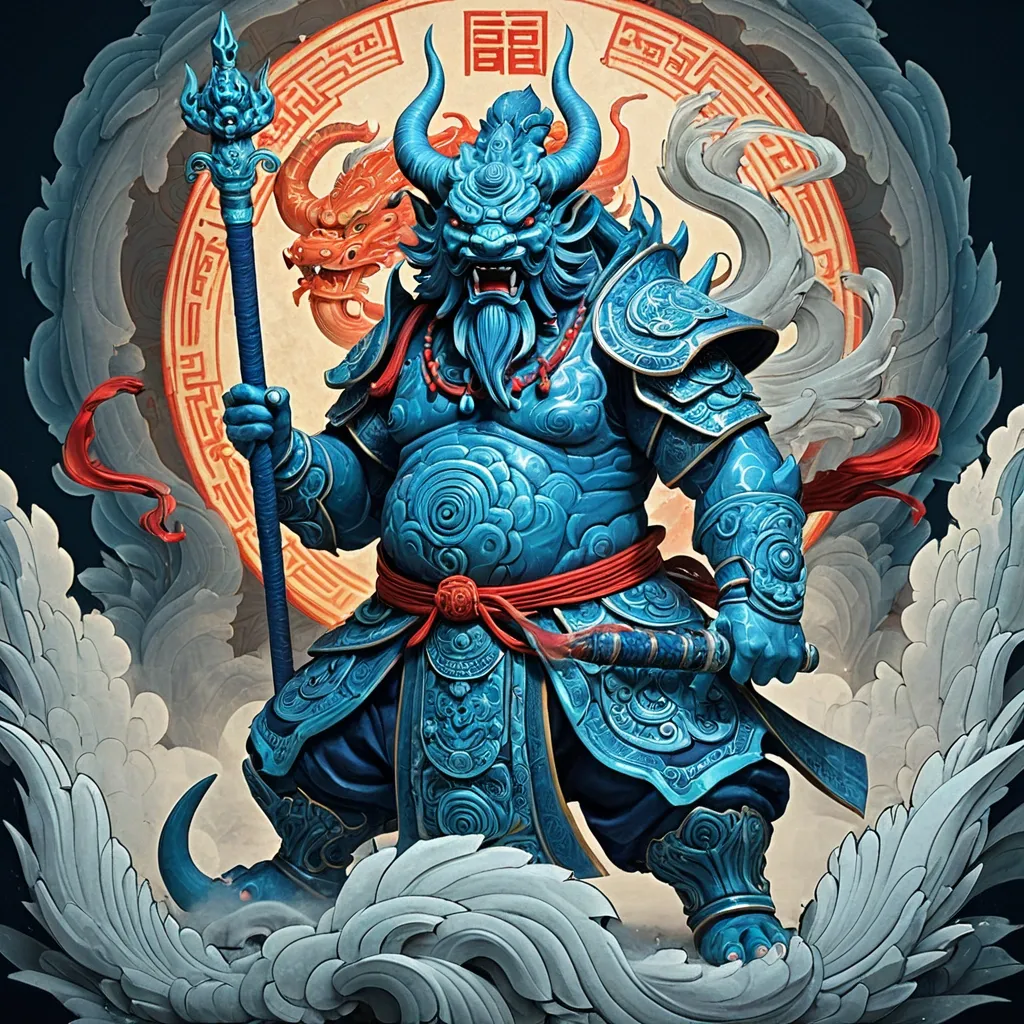
Deity Identity: Emperor Zhenwu Mythical Beast Type: Divine Rhino Weapon: Divine Sword Color Palette: Azurite Blue , Silver , & Gray Overall Aura: Exorcising Evil Composition Direction: Frontal Subjugation Generate an illustration of an Eastern deity and their mythical beast mount , blending visual languages from traditional deity paintings , *Gongbi* (meticulous brushwork) with rich colors , *Baimiao* (fine-line drawing) , folk woodblock prints , and ancient illustrated scrolls. The image features the "Deity + Mythical Beast" as dual subjects. The deity serves as the core visual focus , while the beast possesses significant scale and presence; they engage in a clear , dynamic interaction—such as mounting , guarding , charging side-by-side , or circling in protection—rather than a simple collage. The deity's face exudes majesty , divinity , and an imposing aura , avoiding both modern "idol-like" features and excessive demon-like distortion. Attire consists of highly detailed traditional divine armor or ritual robes , incorporating intricate patterns such as cloud motifs , thunder patterns , beast-face masks , scale armor textures , and scrolling vines. While details are rich , the figure's overall silhouette must remain distinct. The mythical beast embodies the spirit of a divine creature , spirit beast , or evil-warding mount , possessing a robust physique and a powerful stance. Fur , scales , and tortoise shells are rendered using numerous fine , directional lines to emphasize the texture of traditional *Gongbi* painting (defining form through line); avoid photorealistic fur or 3D CG textures. Weapons or artifacts are integrated into the composition to create distinct diagonal lines , vertical lines , or a primary axis of action. Avoid stiff , static poses for the figures; instead , incorporate actions such as twisting the torso , lowering a shoulder , leaning forward , wielding a weapon , forming a ritual hand seal , patrolling , or launching an attack to imbue the image with a distinct sense of dynamic momentum (*shi*). Integrate elements such as flowing sashes , fluttering sleeves , headdress ribbons , wisps of hair or beard , and swirls of cloud , smoke , or mist. These should harmonize with the figure's movement to create S-shaped , C-shaped , or swirling fluid lines. Ensure these flowing elements serve the overall theme rather than cluttering the composition merely for the sake of detail. Maintain the aesthetic of traditional *xuan* paper by preserving negative space. Use an off-white , ivory , or aged-paper tone as the base , adding only minimal elements—such as inscriptions , vermilion seals , cloud patterns , or wisps of smoke—to evoke the feel of an ancient illustrated scroll or sacred icon. Avoid complex backgrounds depicting palaces , battlefields , or full-scale landscapes. Employ a palette of low-saturation mineral pigments centered around a dominant hue. Complement this with colors such as ink black , deep blue-black , azurite blue , malachite green , antique gold , cinnabar , ochre red , and grayish-white. The overall tone should be elegant and restrained , using small accents of high-saturation color to add vibrancy. The final image must simultaneously convey the solemnity of an Eastern deity , the imposing presence of a mythical beast , the intricate detail of fine-line brushwork (*gongbi*) , the serene atmosphere of ancient *xuan* paper , and a clear , powerful compositional dynamism. Avoid: modern "Guochao" neon aesthetics , cyberpunk styles , the look of 3D game concept art , "plastic" CG textures , cluttered backgrounds , stiff figures , generic-looking mythical beasts , loose or sloppy linework , and excessive or garbled text. ,
Prompt: [Replaceable Content] Deity Identity: Emperor Zhenwu Mythical Beast Type: Divine Hound Weapon: Divine Sword Color Palette: Azurite Blue , Silver , & Gray Overall Aura: Exorcising Evil Composition Direction: Frontal Subjugation Generate an illustration of an Eastern deity and their mythical beast mount , blending visual languages from traditional deity paintings , *Gongbi* (meticulous brushwork) with rich colors , *Baimiao* (fine-line drawing) , folk woodblock prints , and ancient illustrated scrolls. The image features the "Deity + Mythical Beast" as dual subjects. The deity serves as the core visual focus , while the beast possesses significant scale and presence; they engage in a clear , dynamic interaction—such as mounting , guarding , charging side-by-side , or circling in protection—rather than a simple collage. The deity's face exudes majesty , divinity , and an imposing aura , avoiding both modern "idol-like" features and excessive demon-like distortion. Attire consists of highly detailed traditional divine armor or ritual robes , incorporating intricate patterns such as cloud motifs , thunder patterns , beast-face masks , scale armor textures , and scrolling vines. While details are rich , the figure's overall silhouette must remain distinct. The mythical beast embodies the spirit of a divine creature , spirit beast , or evil-warding mount , possessing a robust physique and a powerful stance. Fur , scales , and tortoise shells are rendered using numerous fine , directional lines to emphasize the texture of traditional *Gongbi* painting (defining form through line); avoid photorealistic fur or 3D CG textures. Weapons or artifacts are integrated into the composition to create distinct diagonal lines , vertical lines , or a primary axis of action. Avoid stiff , static poses for the figures; instead , incorporate actions such as twisting the torso , lowering a shoulder , leaning forward , wielding a weapon , forming a ritual hand seal , patrolling , or launching an attack to imbue the image with a distinct sense of dynamic momentum (*shi*). Integrate elements such as flowing sashes , fluttering sleeves , headdress ribbons , wisps of hair or beard , and swirls of cloud , smoke , or mist. These should harmonize with the figure's movement to create S-shaped , C-shaped , or swirling fluid lines. Ensure these flowing elements serve the overall theme rather than cluttering the composition merely for the sake of detail. Maintain the aesthetic of traditional *xuan* paper by preserving negative space. Use an off-white , ivory , or aged-paper tone as the base , adding only minimal elements—such as inscriptions , vermilion seals , cloud patterns , or wisps of smoke—to evoke the feel of an ancient illustrated scroll or sacred icon. Avoid complex backgrounds depicting palaces , battlefields , or full-scale landscapes. Employ a palette of low-saturation mineral pigments centered around a dominant hue. Complement this with colors such as ink black , deep blue-black , azurite blue , malachite green , antique gold , cinnabar , ochre red , and grayish-white. The overall tone should be elegant and restrained , using small accents of high-saturation color to add vibrancy. The final image must simultaneously convey the solemnity of an Eastern deity , the imposing presence of a mythical beast , the intricate detail of fine-line brushwork (*gongbi*) , the serene atmosphere of ancient *xuan* paper , and a clear , powerful compositional dynamism. Avoid: modern "Guochao" neon aesthetics , cyberpunk styles , the look of 3D game concept art , "plastic" CG textures , cluttered backgrounds , stiff figures , generic-looking mythical beasts , loose or sloppy linework , and excessive or garbled text. ,
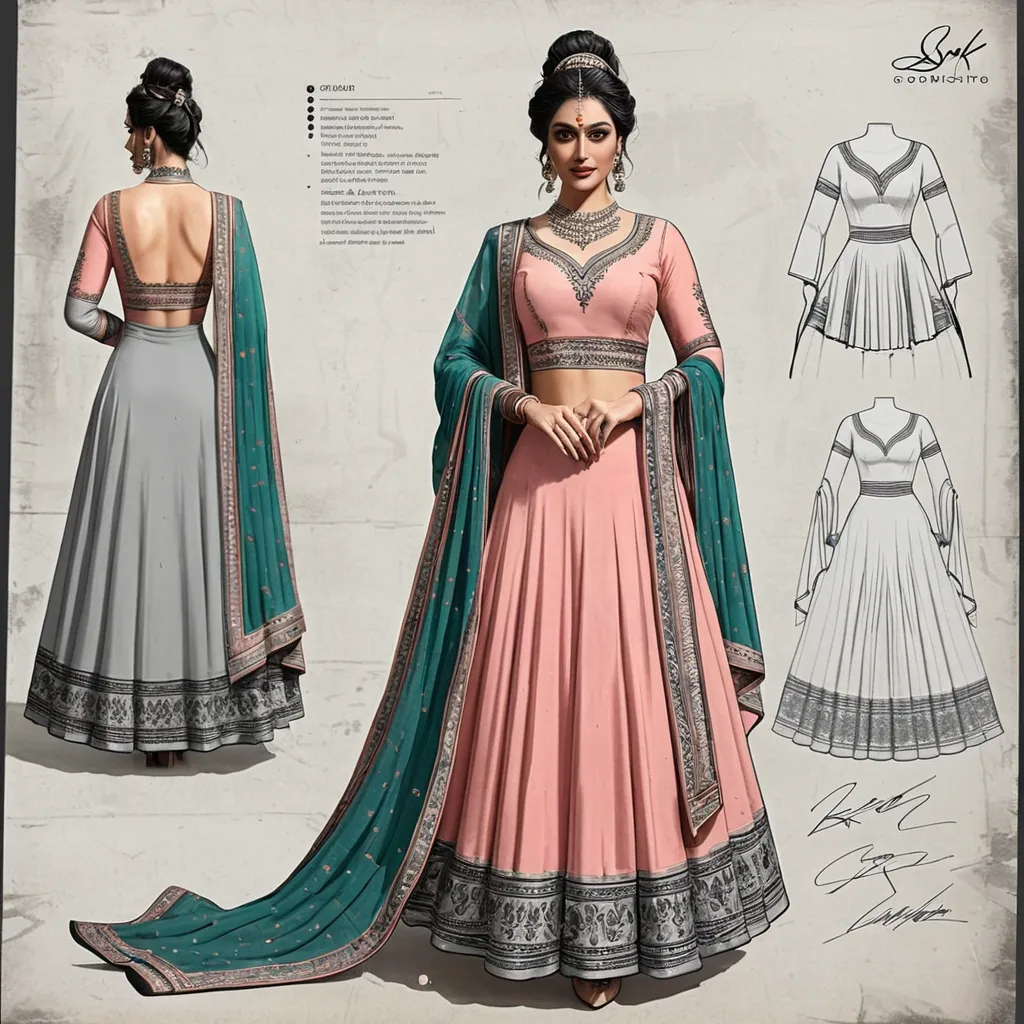
Generate an image in the style of "Concrete Comes to Life · Ancient Style Exquisite Draft": Awakening of a high-end Eastern ancient-style costume design sketch , 4:5 vertical format. The scene is shot from a top-down view + slight oblique angle perspective , with a concrete floor. The main subject is a mature Indian ancient-style realistic beauty , naturally awakening from the costume design sketch on the concrete floor. The character is highly realistic , with fair and natural skin , delicate facial features , and eyes full of emotional tension. Temperament options: coquettish and lively. Costume direction options: Chinon Silk Reception Salwar Kameez. Transition method: The upper body and upper portion of the costume are a complete realistic finished product; the main Salwar Kameez is a Chinon Silk Reception Salwar Kameez in in Pink and Majenta with Sequence work , sketch that has just been painted , retaining pencil construction lines , dress pleat lines , ribbon flow directions , and light coloring; at the very bottom of the dress hem , one corner of the side hem , or near the shoe tips , retain a small amount of unfinished Charcoal sketches. Add a few handwritten annotations on the concrete floor: LOOK 01 , sleeve volume , palave flow , dress movement , hair ornament , and may include Indian traditional: sleeve shape , dress hem dynamics , hair bun structure , palave flow direction. On the concrete floor , add fabric swatches , Charcoal , ceramic teacups , jade ornaments , hairpins , small sketch cards; in the bottom right corner , include a real hand-held Charcoal continuing to draw. Realistic photography feel , high-end Eastern aesthetics , ancient-style portrait sense , costume design sketch contrast , real concrete floor texture , accurate shadows , clean composition. Avoid cartoonish , anime faces , plastic skin , text garbling , incorrect human proportions , fully gray-white lower body , disjointed upper and lower halves. ,
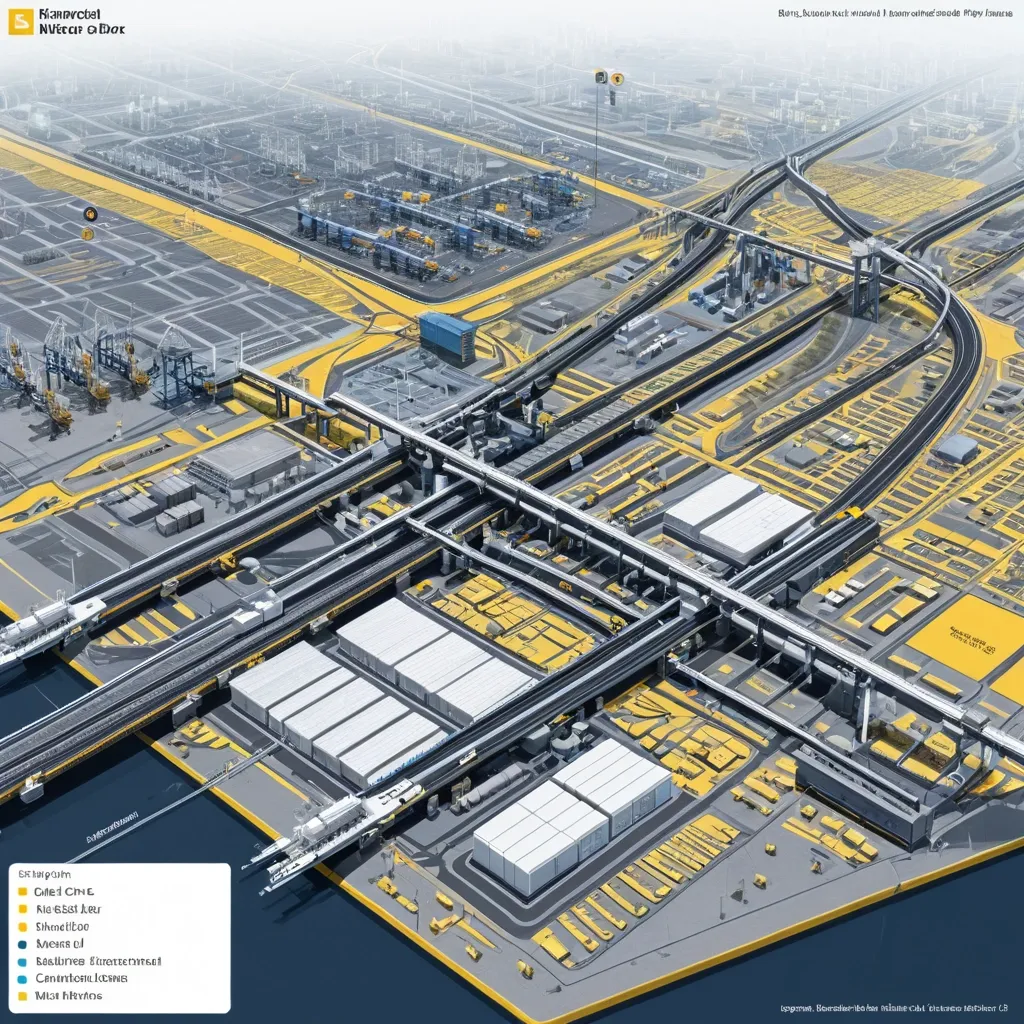
Generate a single complete image of Illustration Profile Long Scroll , one full image , no tiling , no multi-grid , no columns , horizontal 3:1 format. Theme: Port Logistics System. Title: Deendayal Port. Core Content: Dry Cargo Berths , Liquid Terminals , Container Terminals. Supply Chain & Hinterland Connectivity: Railway lines connect , Seamless connectivity to National Highways , Backed by Container Freight Stations. Information Modules: [Limit to 6–8] Style: Illustrated Knowledge Visualization with Text and Images. Color Scheme: yellow , blue , gray-white. The visual focus is to clearly explain the surface , internal structure , functional zoning , and operational process of complex systems all at once. Images primary , text secondary. Use only short labels , module names , function words , and one extremely brief description—no long paragraphs , no dense text blocks. Optionally add a small number of labels , arrows , flow lines , thin annotation lines , and a legend bar to help viewers understand how the system operates. Overall , like a museum science long scroll , city system infographic , or advanced profile diagram from a PPT proposal. Avoid text overload , cluttered information , tiled feel , multi-grid , ordinary landscape images , low resolution. ,
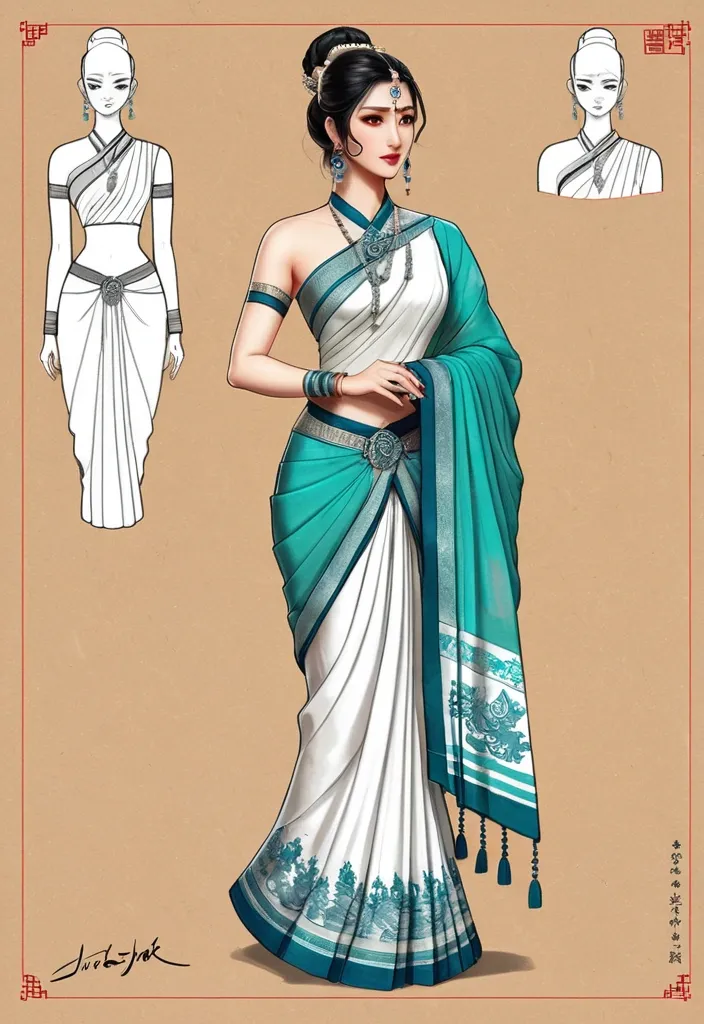
Generate an image in the style of "Paper Comes to Life · Ancient Style Exquisite Draft": Awakening of a high-end Eastern ancient-style costume design sketch , 4:5 vertical format. The scene is shot from a top-down view + slight oblique angle perspective , with a sheet of off-white costume design sketch paper clipped to a wooden drawing board , placed on a warm wood-toned design workbench. The main subject is an adult Chinese ancient-style realistic beauty , naturally awakening from the costume design sketch on the paper. The character is highly realistic , with fair and natural skin , delicate facial features , and eyes full of emotional tension. Temperament options: coquettish and lively. Costume direction options: Chinon Silk Traditional Saree. Transition method: The upper body and upper portion of the costume are a complete realistic finished product; the main Saree hem is a Chinon Silk Traditional Saree sketch that has just been painted , retaining pencil construction lines , Saree pleat lines , ribbon flow directions , and light coloring; at the very bottom of the Saree hem , one corner of the side hem , or near the shoe tips , retain a small amount of unfinished pencil sketches. Add a few handwritten annotations on the paper: LOOK 01 , sleeve volume , palave flow , Saree movement , hair ornament , and may include Indian traditional: sleeve shape , Saree hem dynamics , hair bun structure , palave flow direction. On the desk , add fabric swatches , color cards , pencils , dip pens , ceramic teacups , jade ornaments , hairpins , small sketch cards; in the bottom right corner , include a real hand-held pencil continuing to draw. Realistic photography feel , high-end Eastern aesthetics , ancient-style portrait sense , costume design sketch contrast , real paper texture , accurate shadows , clean composition. Avoid cartoonish , anime faces , plastic skin , text garbling , incorrect human proportions , fully gray-white lower body , disjointed upper and lower halves. ,
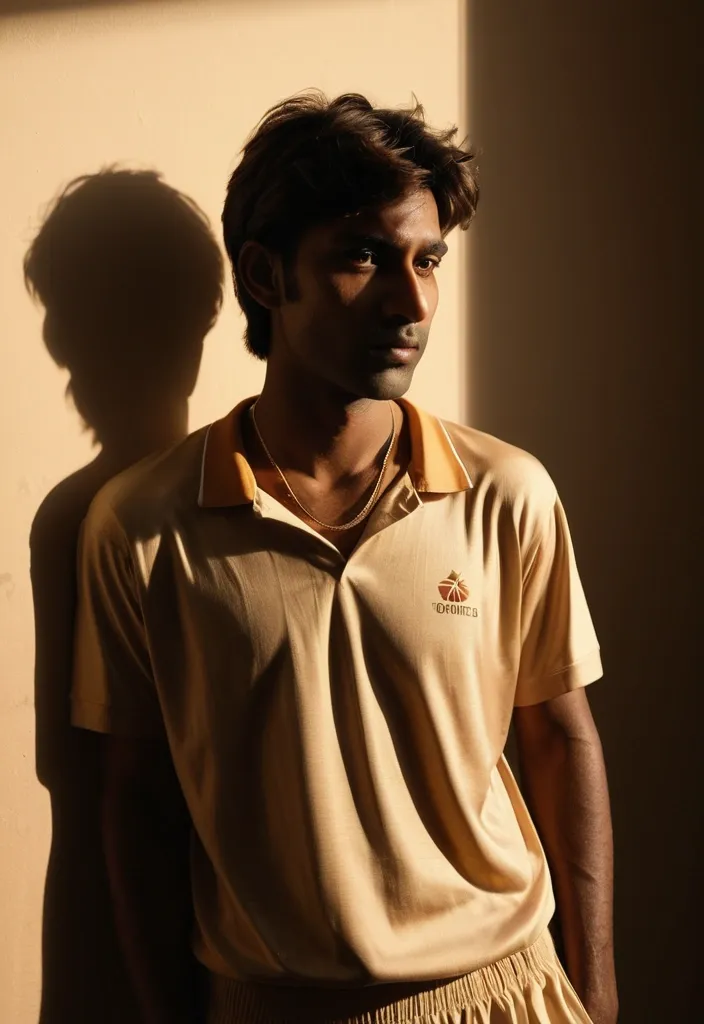
Generate a warm-toned indoor light-and-shadow portrait. The scene is set in a dimly lit room , where a light-colored wall and beverage containers in the corner are faintly visible in the background. The main subject of the uploaded image is the person pictured , whose appearance remains unchanged. He is captured from a front , looking. He wears a Gujarat Titans cricket team jersey , and a delicate gold chain necklace around his neck. his posture is relaxed and effortless. Warm , directional light from the left-back directly casts sharp contour shadows on his shoulders , neck , hair , and the wall. The light creates a contrasting soft-focus glow on her skin and clothing , while the dim environment amplifies the layered dynamics of light and shadow. The overall color palette is based on warm browns and soft gold tones. The hard light emphasizes the relaxed folds of the clothing and the delicate texture of the skin. The shooting style is a lazy , mood-driven portrait , clearly capturing the contour shadows cast by the light , the casual wrinkles of the outfit , and the airy details of the hair. It blends an everyday , relaxed demeanor with the comforting atmosphere of soft , warm light. ,
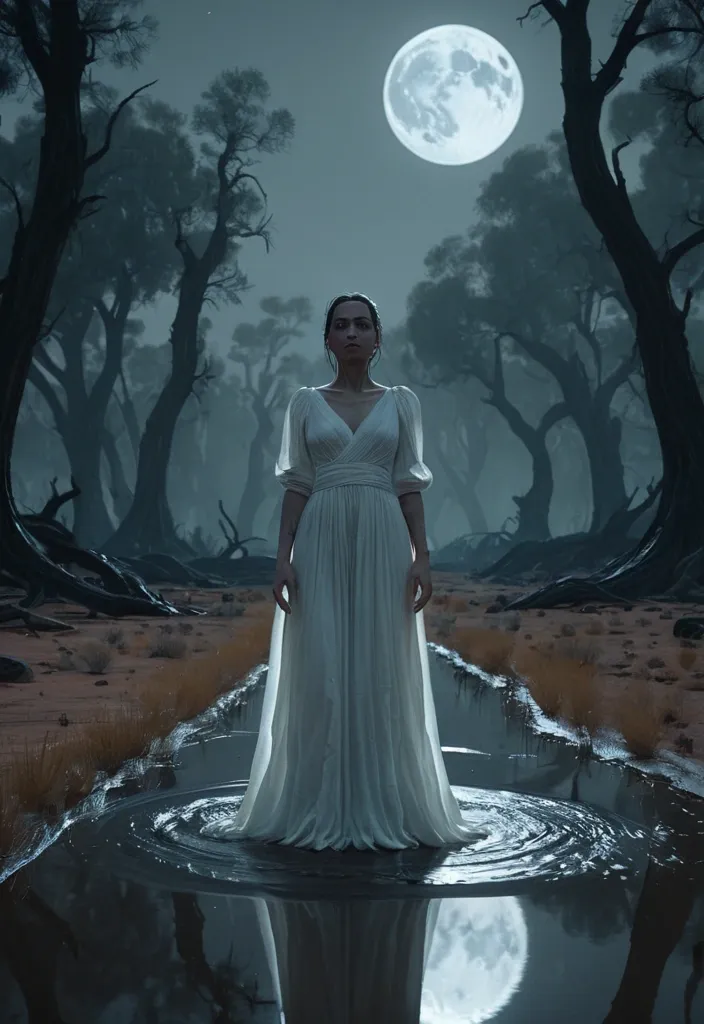
Generate an image of a character dressed in a long white dress , looking down , standing on a path covered by a large , dark puddle of water , surrounded by dense smoke and a forest of dry trees. It is getting dark , and a giant moon is in the background of the image. It's a cinematic scene in the middle of the desert. The image is in 16:9 aspect ratio , mdjrny-v4 style , ultra-realistic , cinematic lighting , Unreal Engine , ultra-detailed , short by Wayne Barlowe , James Jean , and Syd Mead. ,
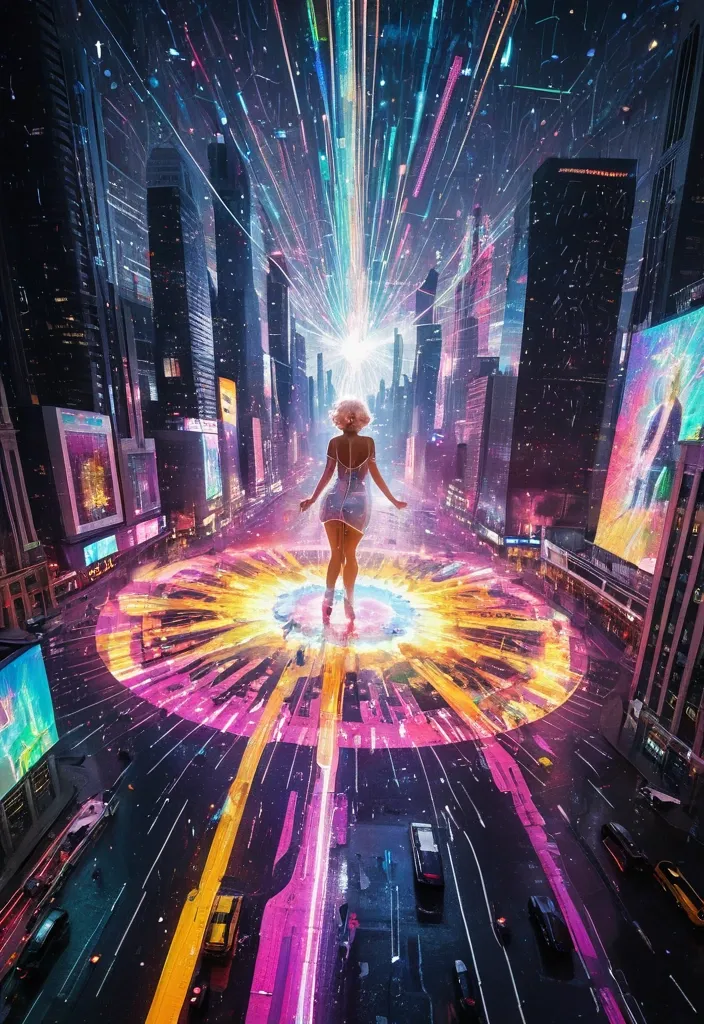
Generate a realistic image of a futuristic metropolis at night , with towering skyscrapers and neon-lit billboards reflecting off wet pavement. In the center , a colossal Marilyn Monroe , depicted in a luminous , exploding form , fragments into thousands of glowing , translucent rainbow gradient dots. These dots burst across the city's skyline , creating an animated light art display. Swirling nebulae and drones made of pure energy , rendered in expressive , dancing brushstrokes , traverse the buildings. This spectacle casts a kaleidoscope of fluorescent colors onto the streets below , creating an electric atmosphere with streaking white light trails. The scene embodies a sense of dynamic movement , as if the city itself is alive and celebrating its innovative spirit. ,