Search Results for region
Explore AI generated designs, images, art and prompts by top community artists and designers.


Design a modern and meaningful logo for a humanitarian NGO named 'Vpered Ukrayina' (Forward Ukraine). The logo should symbolize support , unity , and resilience for disabled and elderly people in conflict-affected regions. Incorporate elements representing accessibility , care , and protection , using colors like blue and yellow to reflect the Ukrainian identity. The design should be simple yet impactful , evoking hope and collaboration. Consider using abstract or symbolic icons that reflect community support , mobility , and peace ,

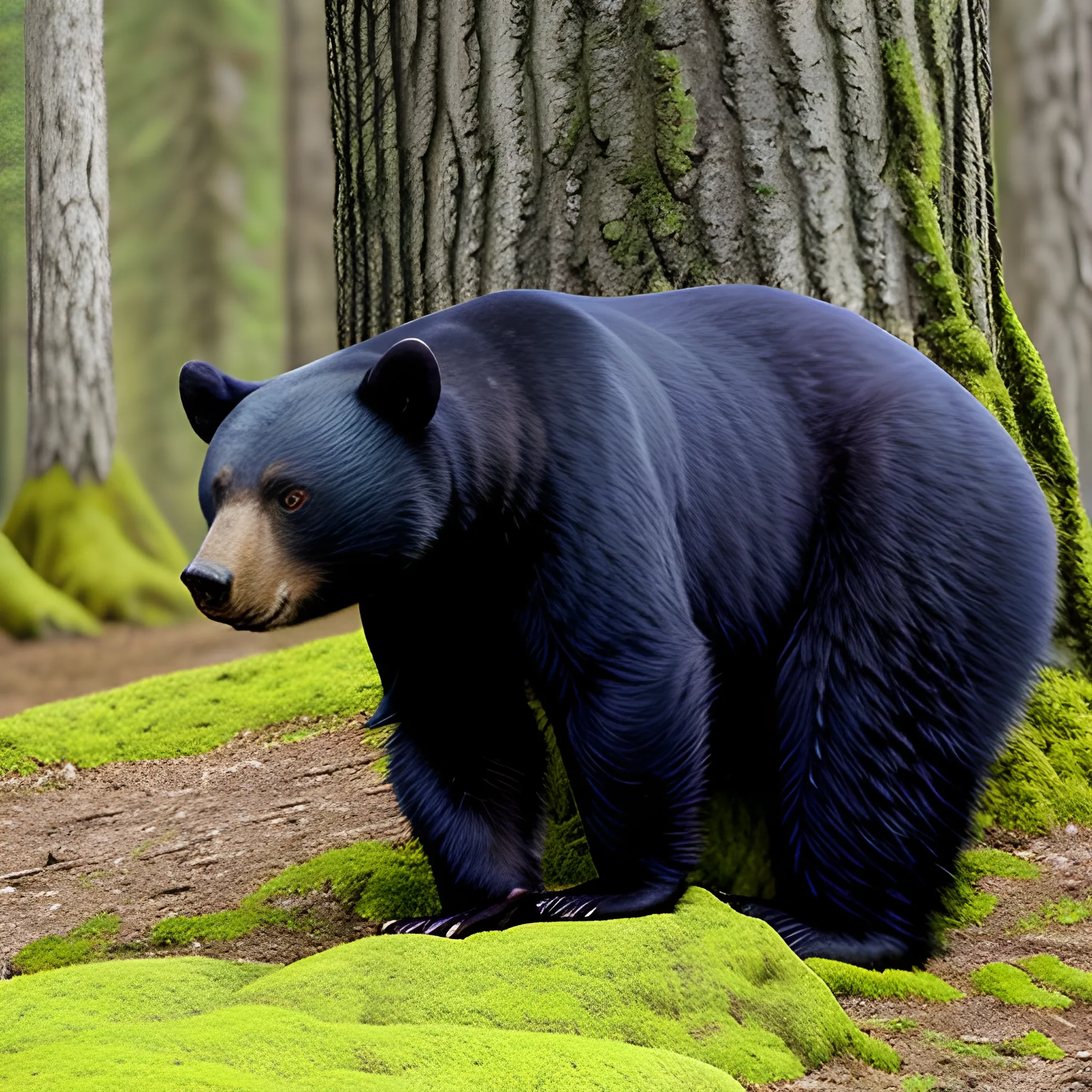
Appearance: The black bear is a large mammal with a sturdy build. Its fur is thick and mostly black , hence its name , although some individuals may have a light-brown muzzle or a small white patch on their chest. The fur is soft to the touch , providing excellent insulation during colder seasons. Adult black bears typically stand around 5 to 7 feet tall when on their hind legs and can weigh anywhere between 200 to 600 pounds , with males being larger than females. Features: The black bear has a distinctive humped back , which is a result of powerful muscles that enable them to dig and climb with ease. Their shoulders are well-developed , and their front paws have sharp claws , which they use for digging and climbing trees. Their strong jaws are equipped with sharp teeth , allowing them to consume various foods , including fruits , nuts , insects , and small animals. Despite their name , black bears can come in various shades of brown and cinnamon , but their fur generally appears dark from a distance. Habitat: Black bears are highly adaptable creatures and can be found in a range of habitats , including dense forests , mountainous regions , swamps , and even arid scrublands. They tend to favor areas with ample food sources , such as berries , nuts , and smaller mammals. In your DND world , they could inhabit ancient forests or remote wilderness areas , sometimes sharing territories with other woodland creatures. Behavior: Black bears are generally solitary animals , with the exception of mothers with their cubs. They are omnivorous , meaning they eat both plant matter and meat , but they are not typically aggressive unless provoked or threatened. They are skilled climbers , often seeking refuge in trees to avoid danger or to rest. During colder months , black bears may hibernate , using their stored fat reserves to survive the winter. Role in the World: In your DND world , black bears could play various roles , serving as guardians of certain areas , or sometimes appearing as natural obstacles for adventurers traveling through the wilderness. Druids and rangers might have a special connection with these majestic creatures , and they could be revered as symbols of strength , endurance , and adaptability. Encountering a black bear in the wild could offer opportunities for non-combat interactions , such as avoiding the creature by using stealth or calming it through the use of animal handling skills. However , if threatened or cornered , black bears could defend themselves fiercely , making them a potential challenge for adventurers who aren't careful in their approach. ,

Appearance: The Bandit is a rugged and cunning individual , often dressed in worn and nondescript clothing that allows them to blend in with common folk or the wilderness. They may wear tattered cloaks or hoods to conceal their identity while on the prowl. Their attire is practical , allowing them to move swiftly and quietly during their illicit activities. Bandits often sport an unkempt appearance , with scruffy beards or unkempt hair , reflecting their rough and lawless lifestyle. Features: Bandits are opportunistic criminals , skilled in ambushes , theft , and intimidation. They may wield a variety of weapons , from rusty daggers to notched swords or stolen bows , depending on their individual expertise. While they lack the training and discipline of seasoned soldiers , their resourcefulness and willingness to resort to violence make them dangerous adversaries. Habitat: Bandits are commonly found in lawless or remote regions , where they can operate without interference from authorities. They may establish secret hideouts in caves , abandoned buildings , or hidden forest encampments. In your DND world , they might be part of organized criminal networks , operating out of seedy taverns or disreputable establishments. Behavior: Bandits are typically driven by a desire for wealth and power , willing to prey on the vulnerable and unsuspecting to achieve their goals. They are not afraid to use intimidation and violence to achieve their objectives , making them a menace to travelers and isolated communities. Some bandits may be driven by desperation or a sense of rebellion against authority , while others simply embrace a life of lawlessness. Role in the World: In your DND world , Bandits can be a common and persistent threat to the safety of travelers and the stability of settlements. They may operate independently or as part of larger criminal organizations , profiting from extortion , smuggling , or raiding caravans. Lawful characters , such as paladins and city guards , might consider it their duty to confront and bring these lawbreakers to justice. Encountering Bandits in your campaign can provide opportunities for diverse interactions and moral choices. Players may face the dilemma of showing mercy to those driven to crime by hardship or rooting out dangerous and malicious criminals. Bandit encounters can range from tense negotiations to thrilling skirmishes , offering a chance for characters to display their skills , morals , and resourcefulness. The presence of Bandits in your campaign world adds an element of danger and unpredictability to travel and exploration. Players will need to be cautious when traversing remote areas or encountering strangers on the road. Bandit encounters can serve as minor challenges for lower-level parties or become more significant threats when part of a larger , more organized criminal enterprise. Regardless of their role , Bandits provide an opportunity to explore themes of law and order , survival , and the blurred lines between good and evil in your DND world. ,
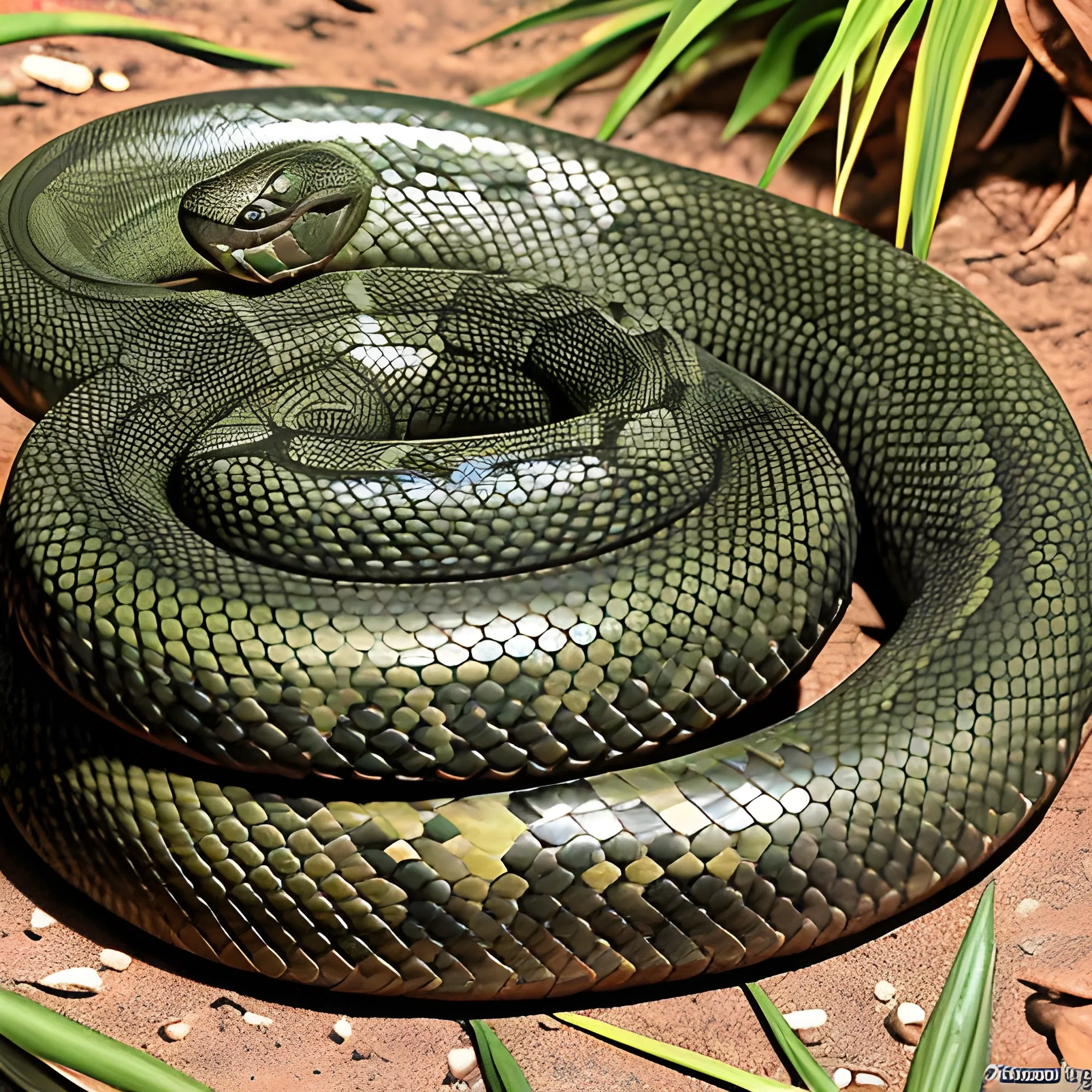
Appearance: The Constrictor Snake is a long and powerful reptile , known for its impressive ability to squeeze and suffocate its prey. It typically has a slender and muscular body , covered in scales that can vary in color from dull brown and green to vibrant patterns. Constrictor snakes have sharp , recurved teeth designed to grip and hold their prey as they constrict it. They are typically non-venomous and rely on their powerful constriction to subdue their victims. Features: The Constrictor Snake is a stealthy predator , relying on its keen senses to locate prey and ambush it. Its long , forked tongue allows it to taste the air and track potential food sources. Once it catches its prey , the snake coils around it , using its powerful muscles to squeeze and immobilize it. This method of hunting allows the snake to subdue prey larger than its mouth , as it doesn't need to swallow the victim whole. Habitat: Constrictor Snakes are found in a wide range of environments , from dense jungles and swamps to arid deserts and grasslands. They prefer warm climates and can be active both during the day and at night. In your DND world , they might inhabit untamed wilderness areas or hidden lairs , waiting for prey to pass by. Behavior: Constrictor snakes are generally solitary creatures , except during mating season. They are non-aggressive toward larger creatures , preferring to avoid confrontation when possible. When hunting , they rely on stealth and patience to surprise their prey. Their constriction technique is highly effective , allowing them to overpower and devour a variety of creatures. Role in the World: In your DND world , Constrictor Snakes could be a common predator in certain regions , often preying on small to medium-sized creatures. Druids and rangers might have a connection with these snakes , viewing them as symbols of balance in the natural world. Encountering a Constrictor Snake in the wild could be a challenging and potentially dangerous situation for adventurers. While they are not typically aggressive toward larger creatures , they may perceive humanoids as potential threats if they feel cornered or provoked. Players might need to exercise caution and use appropriate skills , such as animal handling or survival , to safely navigate through areas where these snakes are known to dwell. If adventurers find themselves facing a Constrictor Snake , they must be prepared for a battle of strength and wits , as the snake's constricting abilities can be deadly if not dealt with carefully. ,

Appearance: The polar bear is an imposing and majestic creature that roams the icy , frozen expanses of the polar regions. Its most distinctive feature is its dense , white fur , which provides excellent camouflage against the snow and ice. Polar bears have black skin , which helps them absorb and retain heat from the sun. This unique adaptation helps them survive in the frigid temperatures of their habitat. Adult polar bears can reach heights of 8 to 10 feet when on their hind legs and can weigh anywhere from 900 to 1 , 600 pounds , making them one of the largest bear species. Features: Polar bears have a streamlined body shape and powerful limbs that make them excellent swimmers. Their large paws are equipped with sharp claws , which aid them in catching prey and providing traction on ice. Their keen sense of smell allows them to detect seals , their primary food source , from great distances. Their jaws are incredibly strong , allowing them to crush through thick ice to access breathing holes of seals. Habitat: Polar bears are uniquely adapted to live in the Arctic regions , where they inhabit ice floes , coastlines , and pack ice. In your DND world , they might roam the frozen wastelands , guarding their territory and hunting for seals and other Arctic creatures. Behavior: Polar bears are solitary animals and are well-adapted to the harsh conditions of the Arctic. They are opportunistic predators , mainly preying on seals , but they may also scavenge on carcasses and eat vegetation if necessary. Polar bears are excellent swimmers and can travel long distances over ice and open water in search of food. Role in the World: In your DND world , polar bears might symbolize the resilience and adaptability of life in extreme environments. They could be revered by Arctic-dwelling tribes or seen as protectors of the icy wilderness. Druids and rangers with a connection to the Arctic might find a spiritual affinity with polar bears. Encountering a polar bear in the Arctic could be a rare and awe-inspiring sight for adventurers. Due to their remote habitat , polar bear encounters might be infrequent but incredibly memorable. In your campaign , adventurers might have opportunities to observe polar bears from a distance , engage in non-combat interactions , or witness their powerful hunting prowess. However , as with any wild predator , provoking or engaging in combat with a polar bear would be a dangerous endeavor , as they are incredibly strong and capable predators. ,
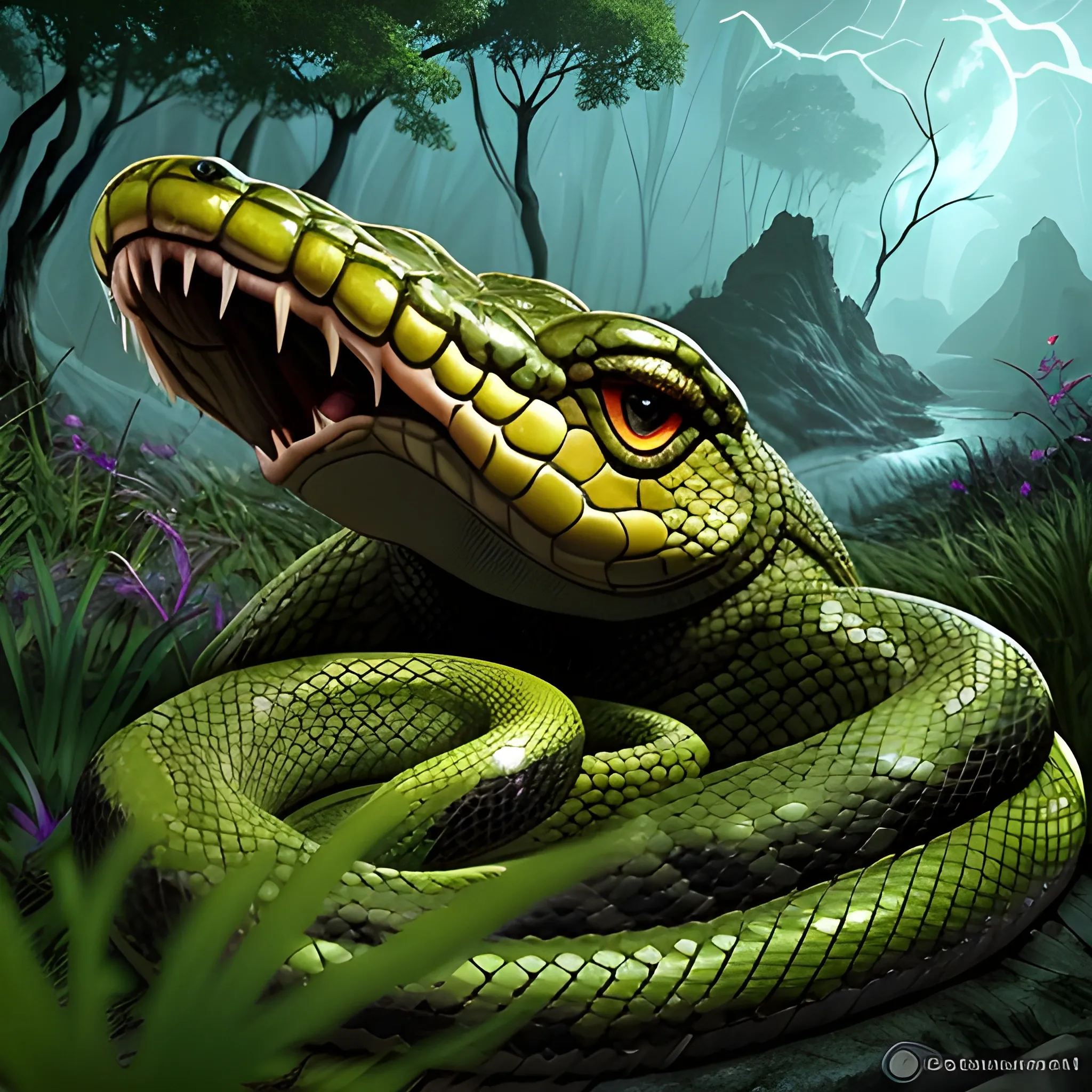
Appearance: The Giant Poisonous Snake is a massive and fearsome reptile , much larger than its smaller counterpart. It has a thick and muscular body , and its scales can have a range of colors , from mottled greens and browns to striking patterns that allow it to blend in with its surroundings. The snake's head is large and triangular , with a pair of long , hollow fangs through which it delivers its potent venom. Features: The Giant Poisonous Snake is known for its deadly venomous bite , which it uses to incapacitate and devour prey. Its venom is significantly more potent than that of its smaller cousin , making it a formidable threat to adventurers. A bite from a Giant Poisonous Snake can cause severe pain , paralysis , or even death , depending on the creature's size and resilience. Habitat: Giant Poisonous Snakes typically inhabit dense jungles , dark swamps , and other untamed wilderness areas. They prefer warm and humid environments and may be found in hidden lairs or lurking near water sources. In your DND world , they could guard sacred sites or serve as minions of malevolent beings. Behavior: Like their smaller counterparts , Giant Poisonous Snakes are stealthy predators , using their large size and camouflage to ambush prey. They strike swiftly and accurately , delivering their venom to immobilize their victims before consuming them. While generally non-aggressive , they may attack if they feel threatened or if potential prey ventures too close. Role in the World: In your DND world , Giant Poisonous Snakes could be apex predators in their habitat , feared and respected by other creatures. They might be associated with ancient legends or guarded by nature spirits. Druids and rangers might view them as symbols of balance and the wild's dangers. Encountering a Giant Poisonous Snake in the wild is a perilous and potentially deadly event for adventurers. The snake's venomous bite can have severe consequences , making quick thinking and decisive action essential to survive an encounter. Players must be well-prepared with protective spells , antidotes , or other means to counteract the venom's effects. The presence of Giant Poisonous Snakes in your campaign can create an atmosphere of danger and suspense , particularly in jungles or other untamed regions. Players will need to be vigilant and cautious during their explorations , as the looming threat of these massive venomous serpents adds an element of peril to their adventures. Giant Poisonous Snakes can serve as significant challenges for higher-level adventurers , reminding them of the dangers that still lurk even in seemingly familiar environments. ,
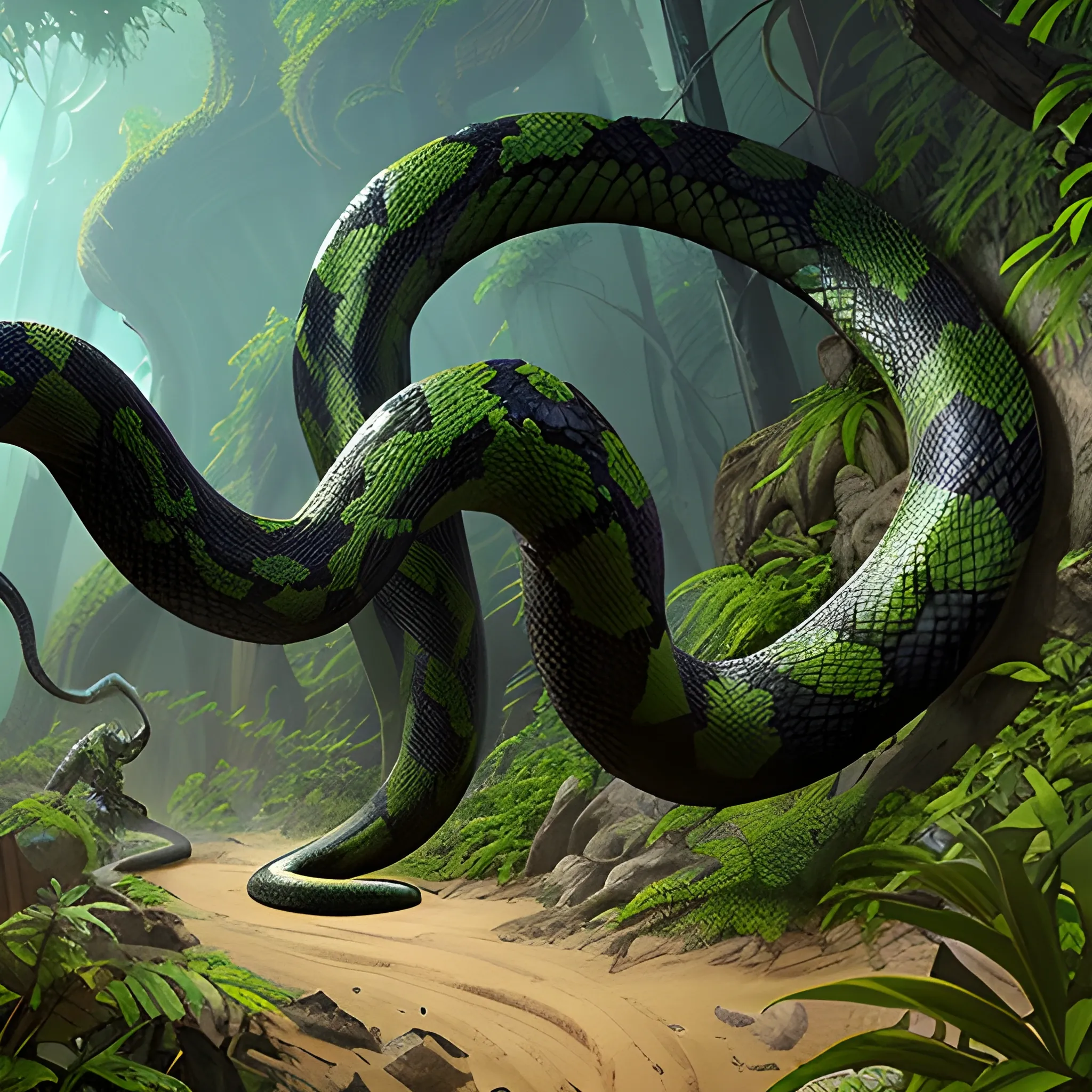
Appearance: The Giant Poisonous Snake is a massive and fearsome reptile , much larger than its smaller counterpart. It has a thick and muscular body , and its scales can have a range of colors , from mottled greens and browns to striking patterns that allow it to blend in with its surroundings. The snake's head is large and triangular , with a pair of long , hollow fangs through which it delivers its potent venom. Features: The Giant Poisonous Snake is known for its deadly venomous bite , which it uses to incapacitate and devour prey. Its venom is significantly more potent than that of its smaller cousin , making it a formidable threat to adventurers. A bite from a Giant Poisonous Snake can cause severe pain , paralysis , or even death , depending on the creature's size and resilience. Habitat: Giant Poisonous Snakes typically inhabit dense jungles , dark swamps , and other untamed wilderness areas. They prefer warm and humid environments and may be found in hidden lairs or lurking near water sources. In your DND world , they could guard sacred sites or serve as minions of malevolent beings. Behavior: Like their smaller counterparts , Giant Poisonous Snakes are stealthy predators , using their large size and camouflage to ambush prey. They strike swiftly and accurately , delivering their venom to immobilize their victims before consuming them. While generally non-aggressive , they may attack if they feel threatened or if potential prey ventures too close. Role in the World: In your DND world , Giant Poisonous Snakes could be apex predators in their habitat , feared and respected by other creatures. They might be associated with ancient legends or guarded by nature spirits. Druids and rangers might view them as symbols of balance and the wild's dangers. Encountering a Giant Poisonous Snake in the wild is a perilous and potentially deadly event for adventurers. The snake's venomous bite can have severe consequences , making quick thinking and decisive action essential to survive an encounter. Players must be well-prepared with protective spells , antidotes , or other means to counteract the venom's effects. The presence of Giant Poisonous Snakes in your campaign can create an atmosphere of danger and suspense , particularly in jungles or other untamed regions. Players will need to be vigilant and cautious during their explorations , as the looming threat of these massive venomous serpents adds an element of peril to their adventures. Giant Poisonous Snakes can serve as significant challenges for higher-level adventurers , reminding them of the dangers that still lurk even in seemingly familiar environments. ,

Create a painting of the Indus Civilization in the style of Gustave Courbet , showcasing the artist's unique perspective and techniques. The painting should depict the grandeur and mystique of the ancient civilization , with a focus on the landscape and architectural elements. Courbet's signature realism and attention to detail should bring the scene to life , capturing the essence of the Indus Civilization with his masterful brushstrokes. The colors should be rich and earthy , reflecting the natural hues of the region. The painting should evoke a sense of awe and curiosity , inviting viewers to explore the wonders of the Indus Civilization through Courbet's artistic vision. --ar 2:3 --v 4 , 3D , 3D ,

Appearance: The Constrictor Snake is a long and powerful reptile , known for its impressive ability to squeeze and suffocate its prey. It typically has a slender and muscular body , covered in scales that can vary in color from dull brown and green to vibrant patterns. Constrictor snakes have sharp , recurved teeth designed to grip and hold their prey as they constrict it. They are typically non-venomous and rely on their powerful constriction to subdue their victims. Features: The Constrictor Snake is a stealthy predator , relying on its keen senses to locate prey and ambush it. Its long , forked tongue allows it to taste the air and track potential food sources. Once it catches its prey , the snake coils around it , using its powerful muscles to squeeze and immobilize it. This method of hunting allows the snake to subdue prey larger than its mouth , as it doesn't need to swallow the victim whole. Habitat: Constrictor Snakes are found in a wide range of environments , from dense jungles and swamps to arid deserts and grasslands. They prefer warm climates and can be active both during the day and at night. In your DND world , they might inhabit untamed wilderness areas or hidden lairs , waiting for prey to pass by. Behavior: Constrictor snakes are generally solitary creatures , except during mating season. They are non-aggressive toward larger creatures , preferring to avoid confrontation when possible. When hunting , they rely on stealth and patience to surprise their prey. Their constriction technique is highly effective , allowing them to overpower and devour a variety of creatures. Role in the World: In your DND world , Constrictor Snakes could be a common predator in certain regions , often preying on small to medium-sized creatures. Druids and rangers might have a connection with these snakes , viewing them as symbols of balance in the natural world. Encountering a Constrictor Snake in the wild could be a challenging and potentially dangerous situation for adventurers. While they are not typically aggressive toward larger creatures , they may perceive humanoids as potential threats if they feel cornered or provoked. Players might need to exercise caution and use appropriate skills , such as animal handling or survival , to safely navigate through areas where these snakes are known to dwell. If adventurers find themselves facing a Constrictor Snake , they must be prepared for a battle of strength and wits , as the snake's constricting abilities can be deadly if not dealt with carefully. ,

The camera lens captures the bustling market scene in the Indus Valley Civilization , framing the lively activity and vibrant atmosphere. The lens choice is a wide-angle lens , allowing for a broader perspective that encompasses the entirety of the market. This lens captures the intricate details of the scene , from the colorful textiles to the animated expressions of the people. The market is a vibrant tapestry of colors , with stalls adorned in vibrant hues of red , blue , and yellow. The textiles hanging from the stalls create a mesmerizing visual display , showcasing an array of patterns and designs. The air is filled with the aroma of spices and the sounds of animated conversations , laughter , and the occasional haggling. People of various backgrounds and ethnicities can be seen , reflecting the diversity of the Indus Valley Civilization. Women in vibrant saris and men in flowing robes move through the market , their attire reflecting the rich culture and traditions of the region. Traders are engaged in animated discussions , showcasing their wares and enticing potential customers. Stalls are filled with a variety of goods , ranging from precious gemstones and intricate jewelry to handcrafted pottery , textiles , and aromatic spices. Skilled artisans proudly display their creations , while merchants passionately describe the unique qualities and craftsmanship of their products. The market is abuzz with activity , as customers inspect the merchandise , feel the textures , and engage in lively negotiations. Traders employ persuasive gestures and charismatic smiles to attract buyers , their voices blending into a harmonious symphony of commerce. In the background , the market square is adorned with decorative motifs , reflecting the architectural finesse of the civilization. The bustling market seamlessly integrates with the urban landscape , with well-planned streets and courtyards providing a backdrop for this lively exchange of goods and culture. ,

Create a painting of the Indus Civilization in the style of Gustave Courbet , showcasing the artist's unique perspective and techniques. The painting should depict the grandeur and mystique of the ancient civilization , with a focus on the landscape and architectural elements. Courbet's signature realism and attention to detail should bring the scene to life , capturing the essence of the Indus Civilization with his masterful brushstrokes. The colors should be rich and earthy , reflecting the natural hues of the region. The painting should evoke a sense of awe and curiosity , inviting viewers to explore the wonders of the Indus Civilization through Courbet's artistic vision. --ar 2:3 --v 4 , 3D , 3D ,
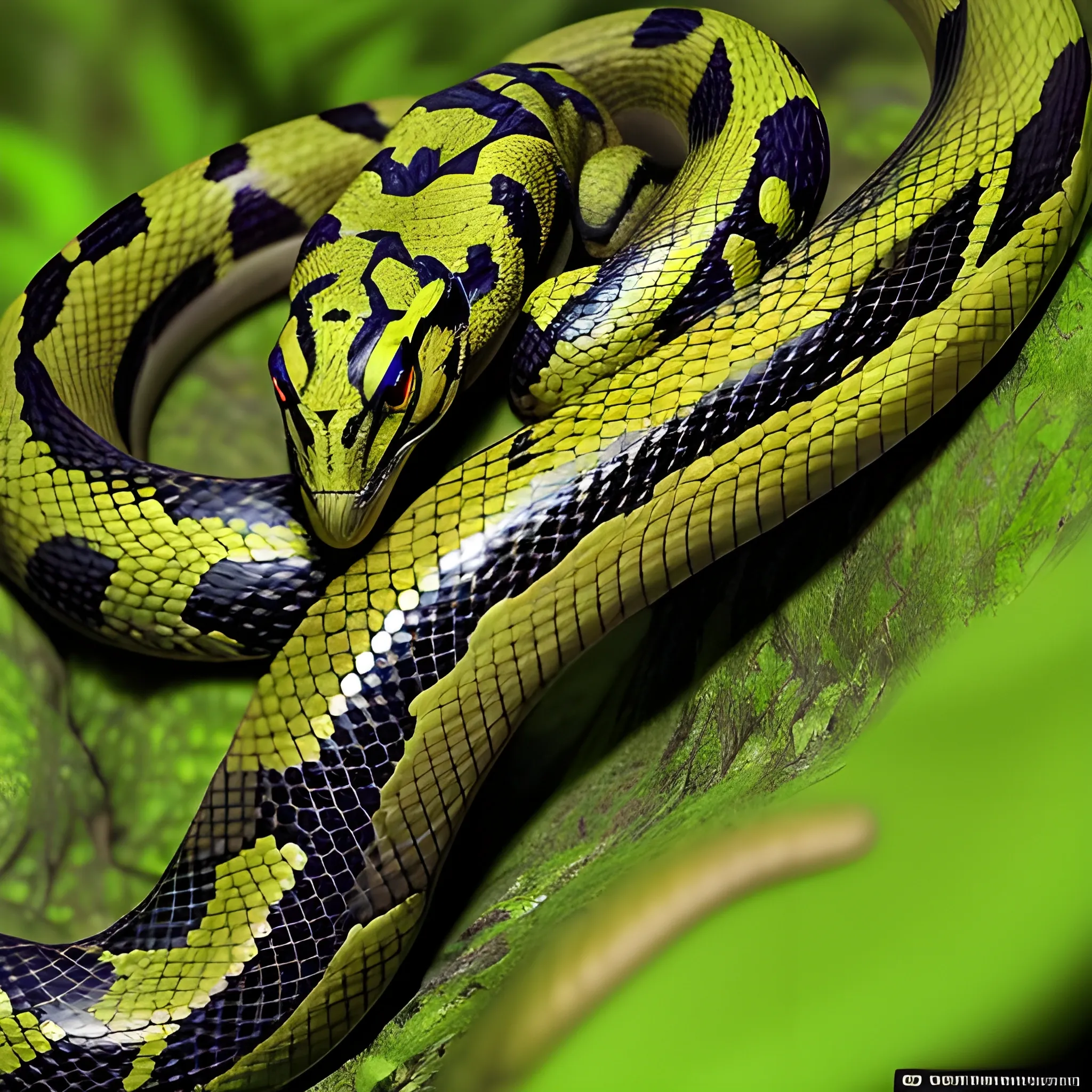
Appearance: The Poisonous Snake is a small to medium-sized reptile with a slender body and a distinctive pattern of scales. Its colors can vary widely , from vibrant and striking patterns to more muted earth tones , helping it blend into its natural surroundings. The snake's head is triangular , and it has a pair of fangs at the front of its mouth , through which it delivers its venom. Features: The Poisonous Snake is known for its venomous bite , which it uses to incapacitate its prey and defend itself from threats. Its venom can vary in potency , from causing mild discomfort to being deadly , depending on the species. While not as powerful as the venom of more dangerous creatures , the Poisonous Snake's bite can still cause considerable harm to unwary adventurers. Habitat: Poisonous Snakes can be found in a wide range of environments , from dense jungles and forests to dry deserts and grasslands. They are highly adaptable creatures and can thrive in various conditions , making them a common sight in untamed wilderness areas. Behavior: The Poisonous Snake is a stealthy predator , relying on its camouflage and patience to ambush its prey. It strikes quickly and accurately , using its venom to immobilize and begin the process of consuming its victim. Poisonous Snakes are generally non-aggressive towards larger creatures , preferring to flee rather than confront a potential threat. Role in the World: In your DND world , Poisonous Snakes could serve as common dangers in the wild , particularly in regions where adventurers explore untamed territories. Druids and rangers might have a connection with these creatures , viewing them as part of the natural balance. Encountering a Poisonous Snake in the wild can be a common and potentially hazardous event for adventurers. While they are generally not aggressive , they may strike if they feel threatened or cornered. Players might need to exercise caution and use skills such as animal handling or survival to avoid confrontations with these venomous reptiles. If adventurers do find themselves bitten , they must act quickly to counteract the effects of the venom and avoid more serious consequences. The presence of Poisonous Snakes in your campaign adds an element of realism and danger to the wilderness. Players will need to be vigilant and watchful during their travels , as the risk of encountering these venomous creatures is ever-present. Poisonous Snakes can also serve as a minor but meaningful challenge , especially for lower-level adventurers , teaching them the importance of preparation and awareness in the untamed wilderness. ,

Central Icon: Design a logo that prominently features a coffee cup with the steam rising from it. Inside the coffee cup , incorporate a simplified representation of the Santander region's mountainous landscape. This fusion symbolizes the connection between the coffee and the region. Nature Elements: Surround the coffee cup with elements inspired by the natural beauty of Santander , such as native flowers , trees , or birds. These elements can add a touch of the region's unique biodiversity. Colors: Use a color palette that reflects the colors of Santander's natural environment. Shades of green for lush landscapes , earthy tones for coffee , and blues for skies and water bodies would be fitting. Typography: Select a font that matches the personality of your brand , whether it's rustic , modern , or elegant. Ensure that the brand name "Emmanuel Coffee" is clear and legible. Text: Place the brand name "Emmanuel Coffee" and the location "Santander , Colombia" close to or around the central coffee cup icon. Bag Background: Natural Background: Utilize a background image or pattern that showcases the beauty of Santander , with scenes of mountains , valleys , or coffee plantations. This gives a sense of place and highlights the region's connection to the coffee. Colors: Make sure that the background colors complement the logo's palette , creating an overall cohesive and visually appealing design. Product Information: Include important details about your coffee on the back of the bag , such as the coffee's variety , processing method , flavor notes , and any unique qualities that set Emmanuel Coffee apart. Remember , working with a professional graphic designer is crucial to bringing this design concept to life and creating an eye-catching design. Customization will ensure that the design aligns with your brand identity and preferences. Additionally , make sure your coffee bag complies with all legal requirements for coffee packaging and labeling in Colombia and any other markets where you plan to sell your coffee. ,


Create a painting of the Indus Civilization in the style of Gustave Courbet , showcasing the artist's unique perspective and techniques. The painting should depict the grandeur and mystique of the ancient civilization , with a focus on the landscape and architectural elements. Courbet's signature realism and attention to detail should bring the scene to life , capturing the essence of the Indus Civilization with his masterful brushstrokes. The colors should be rich and earthy , reflecting the natural hues of the region. The painting should evoke a sense of awe and curiosity , inviting viewers to explore the wonders of the Indus Civilization through Courbet's artistic vision. , ,

Appearance: The Giant Poisonous Snake is a massive and fearsome reptile , much larger than its smaller counterpart. It has a thick and muscular body , and its scales can have a range of colors , from mottled greens and browns to striking patterns that allow it to blend in with its surroundings. The snake's head is large and triangular , with a pair of long , hollow fangs through which it delivers its potent venom. Features: The Giant Poisonous Snake is known for its deadly venomous bite , which it uses to incapacitate and devour prey. Its venom is significantly more potent than that of its smaller cousin , making it a formidable threat to adventurers. A bite from a Giant Poisonous Snake can cause severe pain , paralysis , or even death , depending on the creature's size and resilience. Habitat: Giant Poisonous Snakes typically inhabit dense jungles , dark swamps , and other untamed wilderness areas. They prefer warm and humid environments and may be found in hidden lairs or lurking near water sources. In your DND world , they could guard sacred sites or serve as minions of malevolent beings. Behavior: Like their smaller counterparts , Giant Poisonous Snakes are stealthy predators , using their large size and camouflage to ambush prey. They strike swiftly and accurately , delivering their venom to immobilize their victims before consuming them. While generally non-aggressive , they may attack if they feel threatened or if potential prey ventures too close. Role in the World: In your DND world , Giant Poisonous Snakes could be apex predators in their habitat , feared and respected by other creatures. They might be associated with ancient legends or guarded by nature spirits. Druids and rangers might view them as symbols of balance and the wild's dangers. Encountering a Giant Poisonous Snake in the wild is a perilous and potentially deadly event for adventurers. The snake's venomous bite can have severe consequences , making quick thinking and decisive action essential to survive an encounter. Players must be well-prepared with protective spells , antidotes , or other means to counteract the venom's effects. The presence of Giant Poisonous Snakes in your campaign can create an atmosphere of danger and suspense , particularly in jungles or other untamed regions. Players will need to be vigilant and cautious during their explorations , as the looming threat of these massive venomous serpents adds an element of peril to their adventures. Giant Poisonous Snakes can serve as significant challenges for higher-level adventurers , reminding them of the dangers that still lurk even in seemingly familiar environments. ,


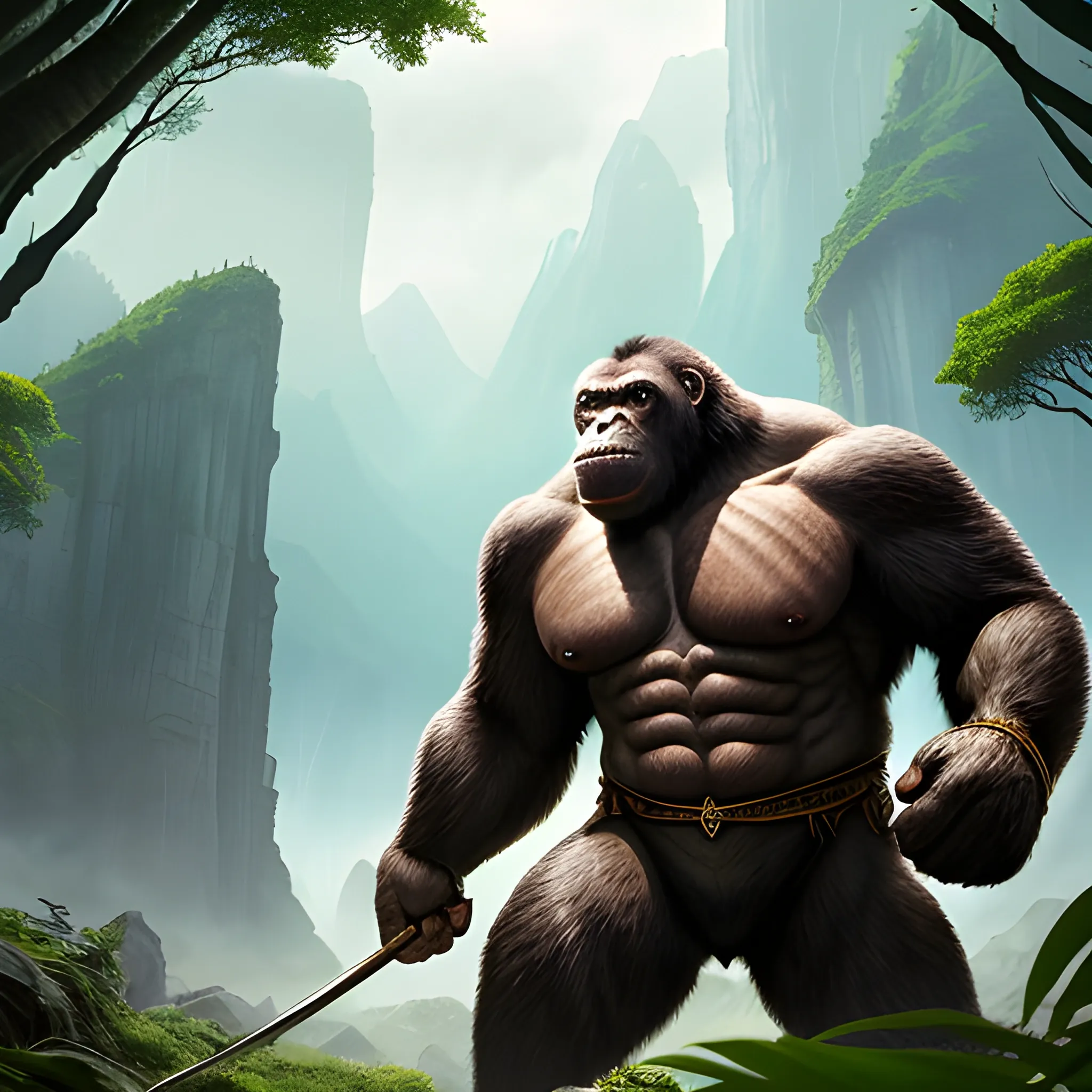
Appearance: The Giant Strong-Looking Ape is a colossal and awe-inspiring creature , towering over its smaller relatives with unmatched size and strength. It stands at least 15 feet tall when fully upright , its massive frame covered in thick and coarse fur that can range from dark brown to gray. The ape's muscular arms are capable of delivering devastating blows , and its hands have opposable thumbs , allowing it to manipulate objects with surprising dexterity for a creature of its size. Features: The Giant Strong-Looking Ape is a behemoth of raw power , possessing unmatched physical strength and resilience. Its formidable arms and massive claws make it a terrifying combatant , capable of crushing enemies with ease. In addition to its physical prowess , the Giant Strong-Looking Ape's intelligence is exceptional , enabling it to solve problems and even learn simple communication with others. Habitat: Giant Strong-Looking Apes inhabit remote and isolated regions , such as deep jungles , unexplored mountains , or hidden valleys. They are reclusive creatures , rarely encountered by humanoids. In your DND world , they might be guardians of ancient temples or sacred groves , revered as wise and powerful beings. Behavior: The Giant Strong-Looking Ape lives in small family groups , consisting of a dominant male , females , and offspring. While generally peaceful , they are fiercely protective of their territory and kin , resorting to aggressive displays or combat if threatened. Despite their fearsome appearance , they prefer to avoid conflict and are known to be surprisingly gentle with those who show respect and kindness. Role in the World: In your DND world , Giant Strong-Looking Apes could be enigmatic and mythical beings , seen as guardians of ancient secrets or protectors of nature's balance. Druids and rangers might form deep bonds with these majestic creatures , viewing them as ancient and wise allies in their quest to safeguard the natural world. Encountering a Giant Strong-Looking Ape in the wild is a rare and breathtaking event for adventurers. Players may feel a sense of awe and wonder as they behold this colossal creature , dwarfing everything around it with its immense size. If approached with caution and respect , adventurers might witness the intelligence and wisdom behind the Giant Strong-Looking Ape's eyes , offering opportunities for meaningful interactions and alliances. The presence of Giant Strong-Looking Apes in your campaign adds an air of mystery and majesty to remote and unexplored regions. Players may encounter these legendary creatures while venturing into uncharted territories or seeking to uncover ancient knowledge. Interacting with Giant Strong-Looking Apes can become a profound and transformative experience for adventurers , reminding them of the delicate balance between humanity and the natural world. These colossal beings can serve as both formidable opponents and steadfast allies , enriching the tapestry of your DND world with their legendary presence. ,

Appearance: The Constrictor Snake is a long and powerful reptile , known for its impressive ability to squeeze and suffocate its prey. It typically has a slender and muscular body , covered in scales that can vary in color from dull brown and green to vibrant patterns. Constrictor snakes have sharp , recurved teeth designed to grip and hold their prey as they constrict it. They are typically non-venomous and rely on their powerful constriction to subdue their victims. Features: The Constrictor Snake is a stealthy predator , relying on its keen senses to locate prey and ambush it. Its long , forked tongue allows it to taste the air and track potential food sources. Once it catches its prey , the snake coils around it , using its powerful muscles to squeeze and immobilize it. This method of hunting allows the snake to subdue prey larger than its mouth , as it doesn't need to swallow the victim whole. Habitat: Constrictor Snakes are found in a wide range of environments , from dense jungles and swamps to arid deserts and grasslands. They prefer warm climates and can be active both during the day and at night. In your DND world , they might inhabit untamed wilderness areas or hidden lairs , waiting for prey to pass by. Behavior: Constrictor snakes are generally solitary creatures , except during mating season. They are non-aggressive toward larger creatures , preferring to avoid confrontation when possible. When hunting , they rely on stealth and patience to surprise their prey. Their constriction technique is highly effective , allowing them to overpower and devour a variety of creatures. Role in the World: In your DND world , Constrictor Snakes could be a common predator in certain regions , often preying on small to medium-sized creatures. Druids and rangers might have a connection with these snakes , viewing them as symbols of balance in the natural world. Encountering a Constrictor Snake in the wild could be a challenging and potentially dangerous situation for adventurers. While they are not typically aggressive toward larger creatures , they may perceive humanoids as potential threats if they feel cornered or provoked. Players might need to exercise caution and use appropriate skills , such as animal handling or survival , to safely navigate through areas where these snakes are known to dwell. If adventurers find themselves facing a Constrictor Snake , they must be prepared for a battle of strength and wits , as the snake's constricting abilities can be deadly if not dealt with carefully. ,

Appearance: The brown bear is a large and powerful creature , often considered the embodiment of strength and ferocity. It has a distinctive hump of muscle on its shoulders , which sets it apart from other bear species. Despite its name , the brown bear's fur can vary significantly in color , ranging from light brown to dark brown , and even shades of blonde or reddish-brown. Some individuals may have a lighter-colored face , creating a "grizzled" appearance , while others have a more uniform coloration throughout their body. Features: Brown bears are well-adapted for survival in various environments. They have strong limbs with sharp claws , which they use for digging , climbing , and catching prey. Their jaws are equipped with formidable teeth that can crush bones and tear through flesh. Adult brown bears can stand around 6 to 10 feet tall when on their hind legs , and their weight ranges from 400 to 1 , 500 pounds , with males being significantly larger than females. Habitat: Brown bears are versatile creatures , capable of inhabiting a wide range of habitats. They can be found in dense forests , grasslands , tundra , and mountainous regions. In your DND world , they might be common inhabitants of rugged wilderness areas , guarding their territories and foraging for food. Behavior: Brown bears are generally solitary animals , except during the breeding season or when a mother is caring for her cubs. They are omnivorous , having a diverse diet that includes berries , fruits , fish , insects , small mammals , and even carrion. Their intelligence and resourcefulness enable them to adapt to different food sources based on the season and availability. Role in the World: In your DND world , brown bears could play a significant role in the ecosystem. They might be seen as the apex predators of certain regions , balancing the population of prey animals and ensuring the health of the natural environment. Druids and rangers could have a special connection with brown bears , viewing them as symbols of the wild and protectors of nature. Encountering a brown bear in the wilderness could be a thrilling and potentially dangerous experience for adventurers. These formidable creatures are generally not aggressive toward humans , but they may become defensive if they feel threatened or if their territory is encroached upon. Adventurers might have opportunities to peacefully observe brown bears from a distance or use animal handling skills to avoid conflict. However , provoking or attacking a brown bear could lead to a fierce and challenging battle , as they are capable of inflicting significant damage with their powerful claws and jaws. ,

Central Icon: Create a logo featuring an iconic mountain from the Páramo of Santander. The mountain can have a distinctive and elegant silhouette. At the base of the mountain , depict a coffee plantation that seamlessly blends with the landscape. Elements of Nature: Adorn the logo with elements from the flora and fauna of the Páramo region , such as frailejones , native birds , and wildflowers. This will reflect the beauty and biodiversity of the area. Colors: Use a color palette inspired by nature , with shades of green for the mountains and frailejones , brown tones for the coffee , and blue tones to represent the sky and bodies of water in the region. Typography: Choose a font that has a natural or artisanal look for the brand name , "Páramo Santander Coffee." This will convey authenticity and craftsmanship. Text: Place the brand name "Páramo Santander Coffee" below or around the central icon of the logo. ,

Central Icon: Use a central design representing a mountain with a coffee plantation at its base. This symbolizes the location in the Páramo of Santander and coffee production. Nature: Surround the mountain and coffee plantation with elements of the páramo's flora and fauna , such as birds , wildflowers , and typical vegetation. This highlights the richness of the region's biodiversity. Colors: Use a color palette that represents the region's nature and climate. Shades of green for vegetation and blue for the sky and bodies of water can be suitable. You can also incorporate brown and green tones to represent ripe coffee beans. Typography: Choose a rustic or artisanal-style font for your coffee's name. This evokes authenticity and craftsmanship in coffee production in the region. Text: Place your coffee's name and location , "Páramo de Santander , Colombia , " below or around the central icon. ,
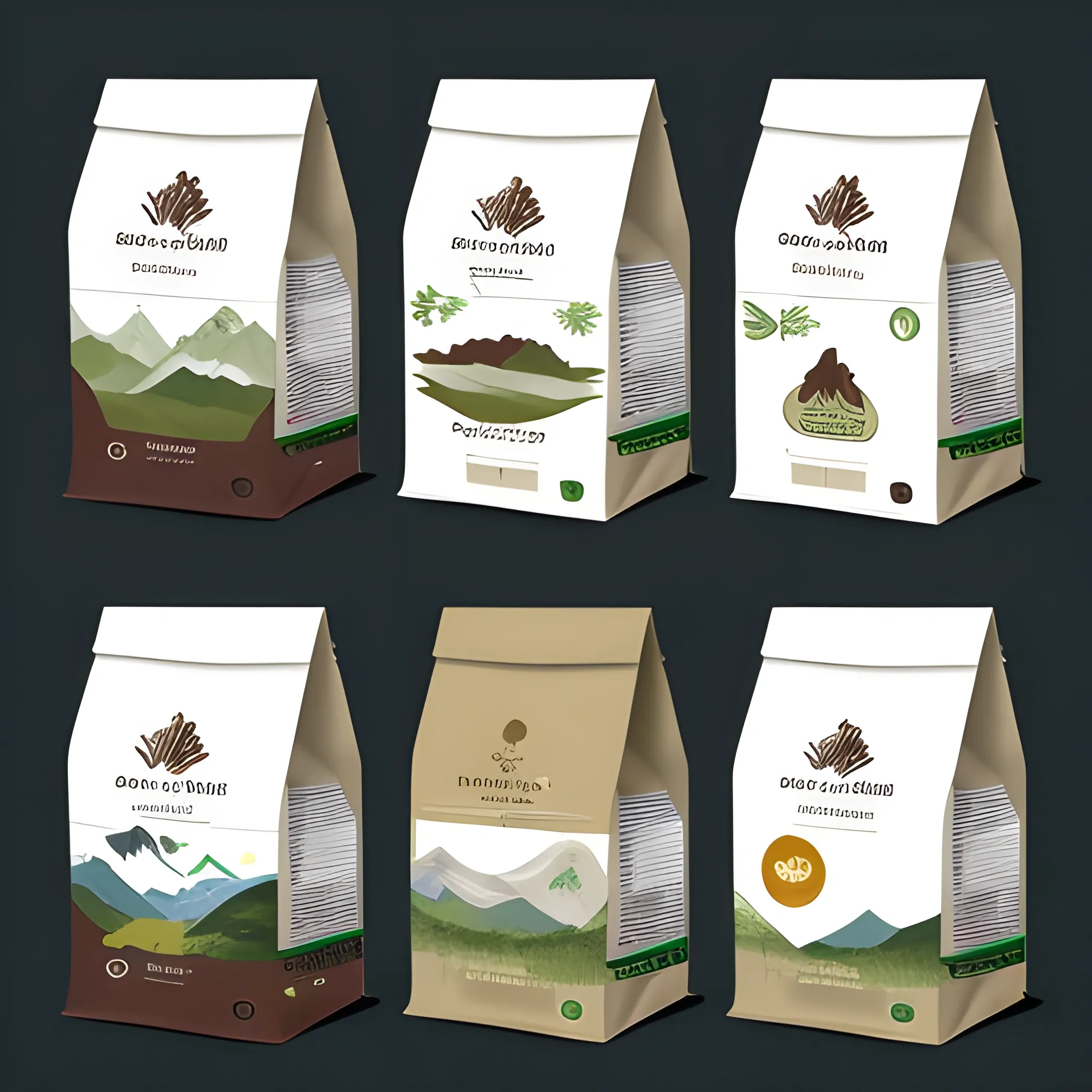
Central Icon: Use a central design representing a mountain with a coffee plantation at its base. This symbolizes the location in the Páramo of Santander and coffee production. Nature: Surround the mountain and coffee plantation with elements of the páramo's flora and fauna , such as birds , wildflowers , and typical vegetation. This highlights the richness of the region's biodiversity. Colors: Use a color palette that represents the region's nature and climate. Shades of green for vegetation and blue for the sky and bodies of water can be suitable. You can also incorporate brown and green tones to represent ripe coffee beans. Typography: Choose a rustic or artisanal-style font for your coffee's name. This evokes authenticity and craftsmanship in coffee production in the region. Text: Place your coffee's name and location , "Páramo de Santander , Colombia , " below or around the central icon. Bag Background: Natural Background: Use an image or pattern that represents the beauty of the Páramo of Santander , such as a mountainous landscape , a panoramic view , or even a drawing of páramo vegetation. This adds authenticity and visual appeal to the bag. Colors: Keep the background color palette in harmony with the logo's colors to create a cohesive appearance. Product Information: Include details about the type of coffee , the cultivation and harvesting process , as well as flavor and aroma notes on the back of the bag. Remember that it's essential to work with a graphic designer or design agency to create an attractive and effective coffee bag. This design is just an initial suggestion and can be customized according to your preferences and your coffee's identity. Also , ensure that the bag complies with all legal and labeling requirements applicable to coffee sales in Colombia and other markets. ,

Welcome to a modern and minimalist organic design room , nestled high on a mountain in the Guanacaste region of Costa Rica. The room is a futuristic architectural masterpiece , with clean lines and a sleek , contemporary feel. The view from the window is breathtaking , showcasing the majestic Arenal Volcano in the distance. The room is filled with lush greenery , including cascading ferns and hanging vines that give the space a natural and tranquil feel. The furniture is sparse , but elegant , with polished wooden floors and sleek , sculptural chairs. The walls are painted in a soft shade of cream , which creates a warm and inviting atmosphere. This room is the perfect retreat for anyone looking to escape the chaos of the modern world and immerse themselves in nature's serenity ,
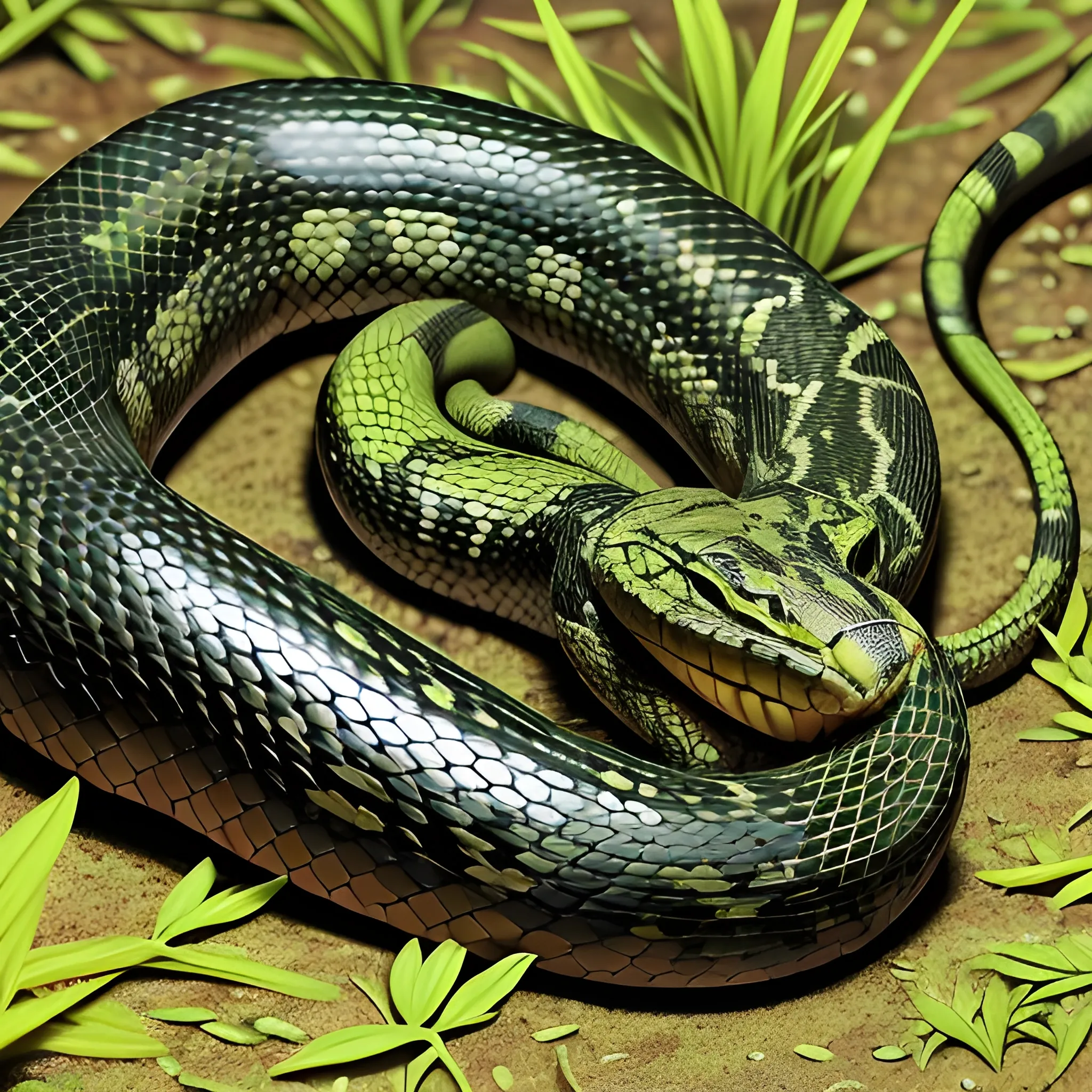
Appearance: The Poisonous Snake is a small to medium-sized reptile with a slender body and a distinctive pattern of scales. Its colors can vary widely , from vibrant and striking patterns to more muted earth tones , helping it blend into its natural surroundings. The snake's head is triangular , and it has a pair of fangs at the front of its mouth , through which it delivers its venom. Features: The Poisonous Snake is known for its venomous bite , which it uses to incapacitate its prey and defend itself from threats. Its venom can vary in potency , from causing mild discomfort to being deadly , depending on the species. While not as powerful as the venom of more dangerous creatures , the Poisonous Snake's bite can still cause considerable harm to unwary adventurers. Habitat: Poisonous Snakes can be found in a wide range of environments , from dense jungles and forests to dry deserts and grasslands. They are highly adaptable creatures and can thrive in various conditions , making them a common sight in untamed wilderness areas. Behavior: The Poisonous Snake is a stealthy predator , relying on its camouflage and patience to ambush its prey. It strikes quickly and accurately , using its venom to immobilize and begin the process of consuming its victim. Poisonous Snakes are generally non-aggressive towards larger creatures , preferring to flee rather than confront a potential threat. Role in the World: In your DND world , Poisonous Snakes could serve as common dangers in the wild , particularly in regions where adventurers explore untamed territories. Druids and rangers might have a connection with these creatures , viewing them as part of the natural balance. Encountering a Poisonous Snake in the wild can be a common and potentially hazardous event for adventurers. While they are generally not aggressive , they may strike if they feel threatened or cornered. Players might need to exercise caution and use skills such as animal handling or survival to avoid confrontations with these venomous reptiles. If adventurers do find themselves bitten , they must act quickly to counteract the effects of the venom and avoid more serious consequences. The presence of Poisonous Snakes in your campaign adds an element of realism and danger to the wilderness. Players will need to be vigilant and watchful during their travels , as the risk of encountering these venomous creatures is ever-present. Poisonous Snakes can also serve as a minor but meaningful challenge , especially for lower-level adventurers , teaching them the importance of preparation and awareness in the untamed wilderness. ,

Comets are celestial bodies composed of ice , dust , and rock that orbit the sun. They often have a distinctive tail that trails behind them as they move through space. Comets can be seen from Earth with the naked eye and have fascinated astronomers and the general public for centuries. Comets are thought to originate from two different regions of the solar system: the Kuiper Belt and the Oort Cloud. When a comet's orbit brings it close enough to the sun , the heat causes the ice to vaporize and release dust and gas , which form the comet's tail. Comets have been associated with many different cultural beliefs and traditions throughout history. In some cultures , comets were seen as harbingers of doom or omens of significant events. In others , they were considered to be messengers from the gods or bringers of good luck. Scientists study comets to learn more about the early solar system and the conditions that existed when it was formed. The study of comets has also helped scientists understand the composition of other bodies in the solar system , such as asteroids and planets. In summary , comets are fascinating celestial bodies that have captured the imagination of people for centuries. They provide insight into the history and formation of the solar system , and continue to be an important area of study for astronomers and scientists today. ,


wide angle shot of bustling market scene in the Indus Valley Civilization , framing the lively activity and vibrant atmosphere. The market is a vibrant tapestry of colors , with stalls adorned in vibrant hues of red , blue , and yellow. The textiles hanging from the stalls create a mesmerizing visual display , showcasing an array of patterns and designs. The air is filled with the aroma of spices and the sounds of animated conversations , laughter , and the occasional haggling. People of various backgrounds and ethnicities can be seen , reflecting the diversity of the Indus Valley Civilization. Women in vibrant saris and men in flowing robes move through the market , their attire reflecting the rich culture and traditions of the region. Traders are engaged in animated discussions , showcasing their wares and enticing potential customers.Stalls are filled with a variety of goods , ranging from precious gemstones and intricate jewelry to handcrafted pottery , textiles , and aromatic spices. Skilled artisans proudly display their creations , while merchants passionately describe the unique qualities and craftsmanship of their products. Digital Art , Photorealistic ,