Search Results for region
Explore AI generated designs, images, art and prompts by top community artists and designers.
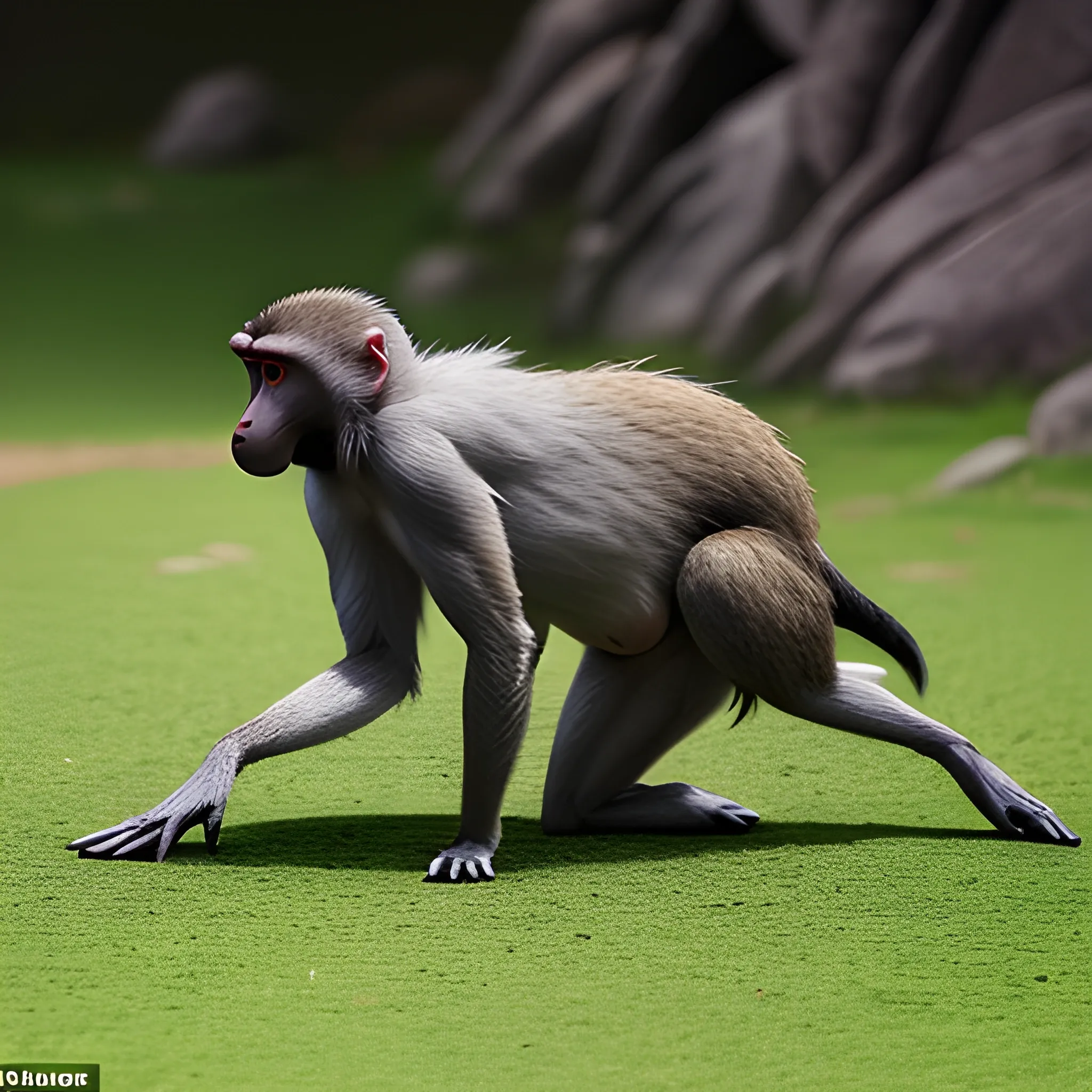

Appearance: The Baboon is a medium-sized primate with a distinctive and charismatic appearance. It has a robust and muscular body , covered in short fur that can range in color from brown to gray or even olive-green. Baboons have a dog-like snout , sharp teeth , and a hairless face with prominent cheek pouches , which they use to store food. They have long arms and powerful legs , allowing them to move quickly and with agility. Features: Baboons are highly social creatures , living in close-knit troops that can consist of a few individuals to larger groups. Their intelligence and adaptability enable them to survive in various environments , from lush jungles to arid savannahs. They are known for their strong social hierarchy and complex communication , using vocalizations , gestures , and facial expressions to convey emotions and intentions. Habitat: Baboons are versatile animals that can thrive in a range of habitats , including forests , grasslands , and mountainous regions. They are often found near water sources , as they require regular access to drinking water. In your DND world , baboons might inhabit areas with lush vegetation or live in proximity to humanoid settlements , scavenging for food scraps. Behavior: Baboons are opportunistic omnivores , with a varied diet that includes fruits , leaves , seeds , insects , and small animals. They are skilled climbers and can use their agility to escape predators or reach high-up food sources. Baboons are known for their playfulness , engaging in social interactions , grooming , and even games with each other. Role in the World: In your DND world , baboons could serve as a part of the natural ecosystem or be associated with certain deities or nature spirits. Druids and rangers might have a special connection with baboons , viewing them as symbols of adaptability and community. Encountering baboons in the wild could present various opportunities for adventurers. They might have non-combat interactions with the primates , such as observing their social behaviors or using animal handling skills to communicate with them. Baboons could also play a role in quests involving local tribes or settlements , where their presence might be considered either beneficial or problematic depending on the circumstances. While not inherently aggressive , baboons can defend themselves and their troop if they feel threatened , making it essential for adventurers to approach them with respect and caution. ,

Welcome to a modern and minimalist organic design room , nestled high on a mountain in the Guanacaste region of Costa Rica. The room is a futuristic architectural masterpiece , with clean lines and a sleek , contemporary feel. The view from the window is breathtaking , showcasing the majestic Arenal Volcano in the distance. The room is filled with lush greenery , including cascading ferns and hanging vines that give the space a natural and tranquil feel. The furniture is sparse , but elegant , with polished wooden floors and sleek , sculptural chairs. The walls are painted in a soft shade of cream , which creates a warm and inviting atmosphere. This room is the perfect retreat for anyone looking to escape the chaos of the modern world and immerse themselves in nature's serenity ,
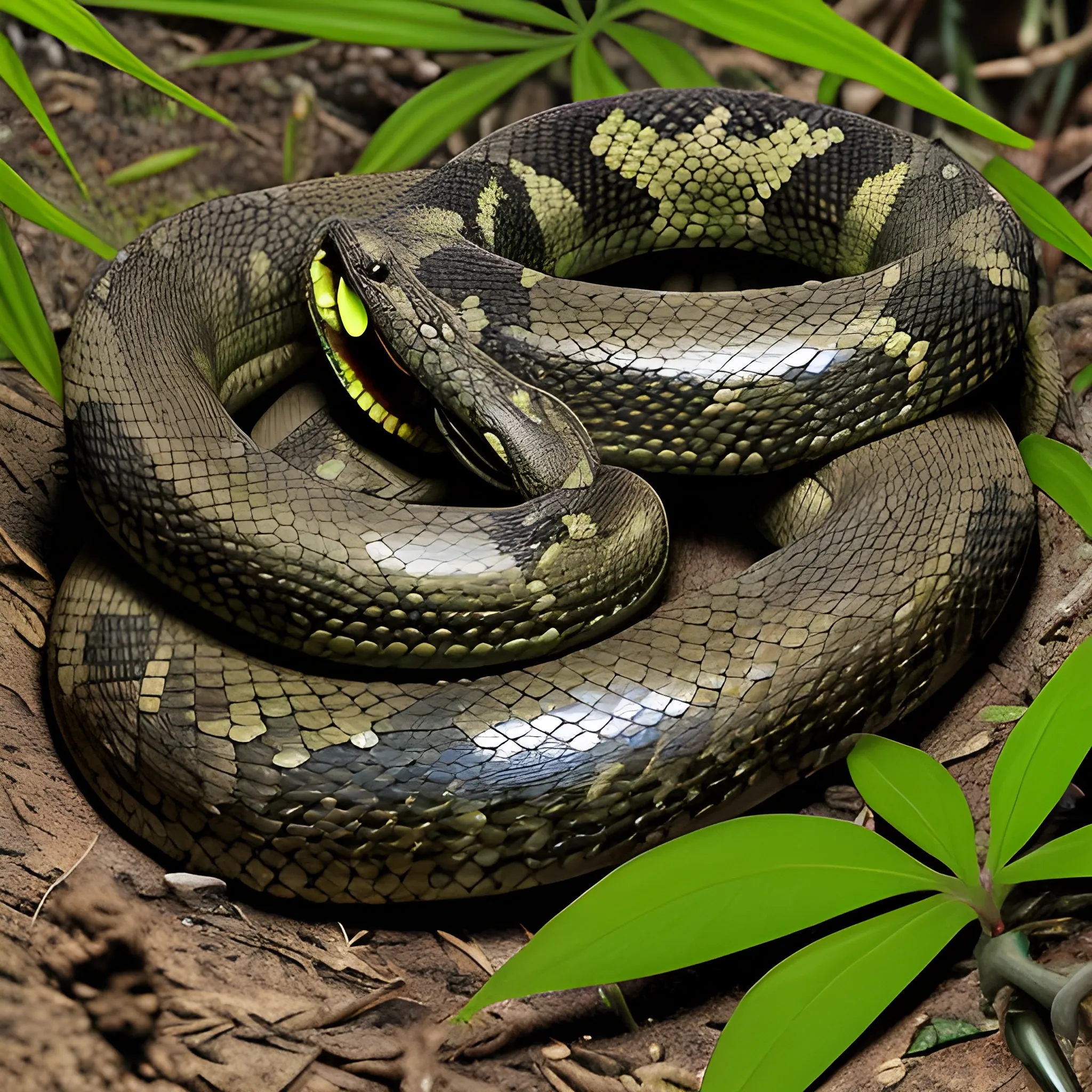
Appearance: The Poisonous Snake is a small to medium-sized reptile with a slender body and a distinctive pattern of scales. Its colors can vary widely , from vibrant and striking patterns to more muted earth tones , helping it blend into its natural surroundings. The snake's head is triangular , and it has a pair of fangs at the front of its mouth , through which it delivers its venom. Features: The Poisonous Snake is known for its venomous bite , which it uses to incapacitate its prey and defend itself from threats. Its venom can vary in potency , from causing mild discomfort to being deadly , depending on the species. While not as powerful as the venom of more dangerous creatures , the Poisonous Snake's bite can still cause considerable harm to unwary adventurers. Habitat: Poisonous Snakes can be found in a wide range of environments , from dense jungles and forests to dry deserts and grasslands. They are highly adaptable creatures and can thrive in various conditions , making them a common sight in untamed wilderness areas. Behavior: The Poisonous Snake is a stealthy predator , relying on its camouflage and patience to ambush its prey. It strikes quickly and accurately , using its venom to immobilize and begin the process of consuming its victim. Poisonous Snakes are generally non-aggressive towards larger creatures , preferring to flee rather than confront a potential threat. Role in the World: In your DND world , Poisonous Snakes could serve as common dangers in the wild , particularly in regions where adventurers explore untamed territories. Druids and rangers might have a connection with these creatures , viewing them as part of the natural balance. Encountering a Poisonous Snake in the wild can be a common and potentially hazardous event for adventurers. While they are generally not aggressive , they may strike if they feel threatened or cornered. Players might need to exercise caution and use skills such as animal handling or survival to avoid confrontations with these venomous reptiles. If adventurers do find themselves bitten , they must act quickly to counteract the effects of the venom and avoid more serious consequences. The presence of Poisonous Snakes in your campaign adds an element of realism and danger to the wilderness. Players will need to be vigilant and watchful during their travels , as the risk of encountering these venomous creatures is ever-present. Poisonous Snakes can also serve as a minor but meaningful challenge , especially for lower-level adventurers , teaching them the importance of preparation and awareness in the untamed wilderness. ,


Design a modern and meaningful logo for a humanitarian NGO named 'Vpered Ukrayina' (Forward Ukraine). The logo should symbolize support , unity , and resilience for disabled and elderly people in conflict-affected regions. Incorporate elements representing accessibility , care , and protection , using colors like blue and yellow to reflect the Ukrainian identity. The design should be simple yet impactful , evoking hope and collaboration. Consider using abstract or symbolic icons that reflect community support , mobility , and peace. ,


Generates a cartoon-style map with five clearly sectioned locations. The locations are Arauca , Casanare , Vichada , Cundinamarca and Boyacá. Each location must be represented by an icon or drawing that is easily identifiable as related to the respective region (for example , an element representative of the culture or geography of that area). Locations should be connected to each other by lines or paths , similar to a level map in a video game. Make sure the lines are smooth , streamlined curves , as if drawn by hand. Each location must have a connection point on one side that connects to another connection point at the adjacent location. Below each location , include the name of the region in a bold , legible font so that the names are clearly visible and associated with the corresponding locations. The map background must be white. The end result should be an attractive and playful visual representation of these five locations in a cartoonish style and with the connections between them as described above. ,


A red-haired girl , pale skin , and piercing blue eyes , wearing a mischievous expression , is sitting across from a boy with dark hair , blue eyes , and pale skin. They are intensely focused on playing the board game 'Terraforming Mars' by Jacob Fryxelius. The central game board features a hexagonal map of Mars with clearly defined regions , including blue ocean tiles , green areas representing greenery , and grey tiles for cities. Surrounding the board are player mats filled with resource cubes representing steal or plants , alongside project and corporation cards scattered across the table. At the top of the board , visual indicators show the planet's current oxygen levels , temperature , and ocean tiles. Nearby , a slightly chubby man with glasses and a beard , nearby a bald man with pale skin , no beard , and sunglasses. Next to them , a woman with blue eyes , pale skin , and a ponytail stands , holding a small blonde baby , watching the game unfold. ,
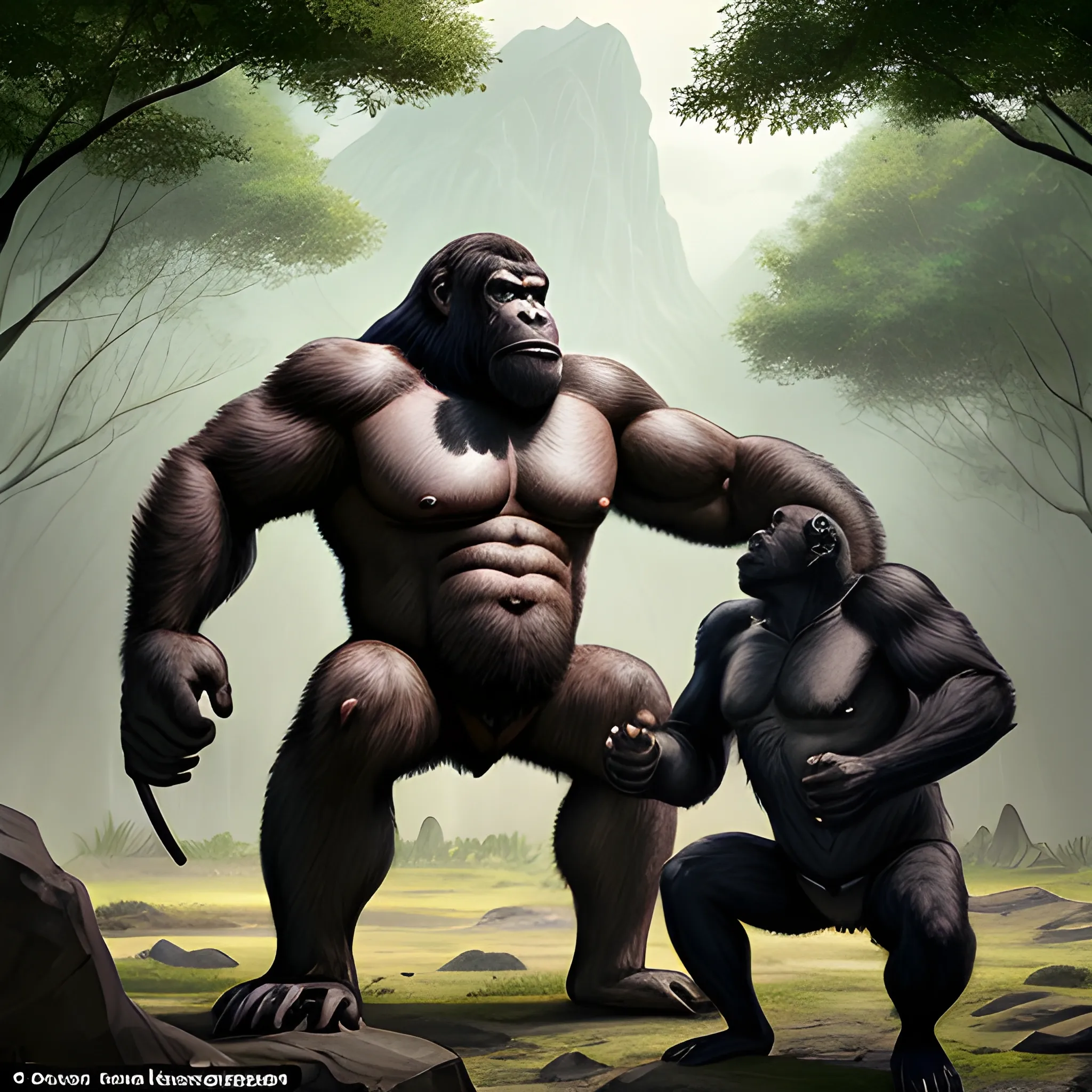
Appearance: The Strong-Looking Ape is a large and imposing primate , exuding raw strength and power in its every movement. It has a robust and muscular body covered in coarse , dark fur , which can range from black to deep brown or reddish hues. Its shoulders are broad and powerful , and its arms are long and muscular , capable of delivering devastating blows. The Strong-Looking Ape's face is expressive , with intelligent eyes that convey both curiosity and a hint of primal ferocity. Features: The Strong-Looking Ape is a formidable creature , possessing incredible physical strength and agility. Its powerful arms allow it to swing through trees with ease , making it a skilled climber and acrobat. In addition to its raw physical power , the Strong-Looking Ape's thick fur offers protection against environmental elements and minor injuries. Habitat: Strong-Looking Apes are typically found in dense jungles , vast forests , and remote mountainous regions. They are highly adaptable creatures , capable of surviving in a variety of environments. In your DND world , they might inhabit hidden valleys or ancient ruins , guarding sacred territories or serving as protectors of natural wonders. Behavior: While the Strong-Looking Ape is an intelligent creature , it primarily relies on its physical prowess to navigate its surroundings and interact with others. It lives in social groups or troops , exhibiting complex communication through vocalizations , body language , and gestures. While generally non-aggressive toward other creatures , the Strong-Looking Ape fiercely defends its territory and family from perceived threats. Role in the World: In your DND world , Strong-Looking Apes could be seen as noble creatures embodying the untamed spirit of nature. Druids and rangers might have a special connection with these primates , viewing them as symbols of strength , adaptability , and primal wisdom. Encountering a Strong-Looking Ape in the wild can be a captivating and potentially dangerous experience for adventurers. Players may witness the ape's impressive physical abilities as it swings effortlessly through the trees or engages in playful displays with other members of its troop. While generally non-aggressive , provoking or threatening a Strong-Looking Ape or its family could lead to a fierce defense , forcing players to use diplomacy or demonstrate respect for the creatures' territory. The presence of Strong-Looking Apes in your campaign adds an element of mystery and awe to the wilderness. Players might encounter these intelligent and powerful creatures during their explorations , offering opportunities for unique and memorable interactions. Strong-Looking Apes can serve as guardians of ancient sites , allies to druids seeking to protect the natural world , or even opponents in thrilling feats of strength and agility. Their presence in your DND world contributes to the rich tapestry of wildlife and brings a sense of wonder to the untamed corners of your campaign setting. ,

Designing a coffee bag from Páramo de Santander , Colombia , will require a logo and background that reflects the beauty and uniqueness of this region and its coffee. Here is a description of a possible design: Logo: Central icon: Use a central design that represents a mountain with a coffee plantation at its base. This symbolizes the location in the Páramo de Santander and the production of coffee. Nature: Surround the mountains and the coffee plantation with elements of the flora and fauna of the moor , such as birds , wild flowers and typical vegetation. This highlights the rich biodiversity of the region. Colors: Use a color palette that represents the nature and climate of the region. Shades of green for vegetation and blue for the sky and bodies of water may be appropriate. You can also incorporate brown and green tones to represent ripe coffee beans. Typography: Choose a rustic or artisan style font for your cafe's name. This evokes authenticity and craftsmanship in coffee production in the region.Tex ,

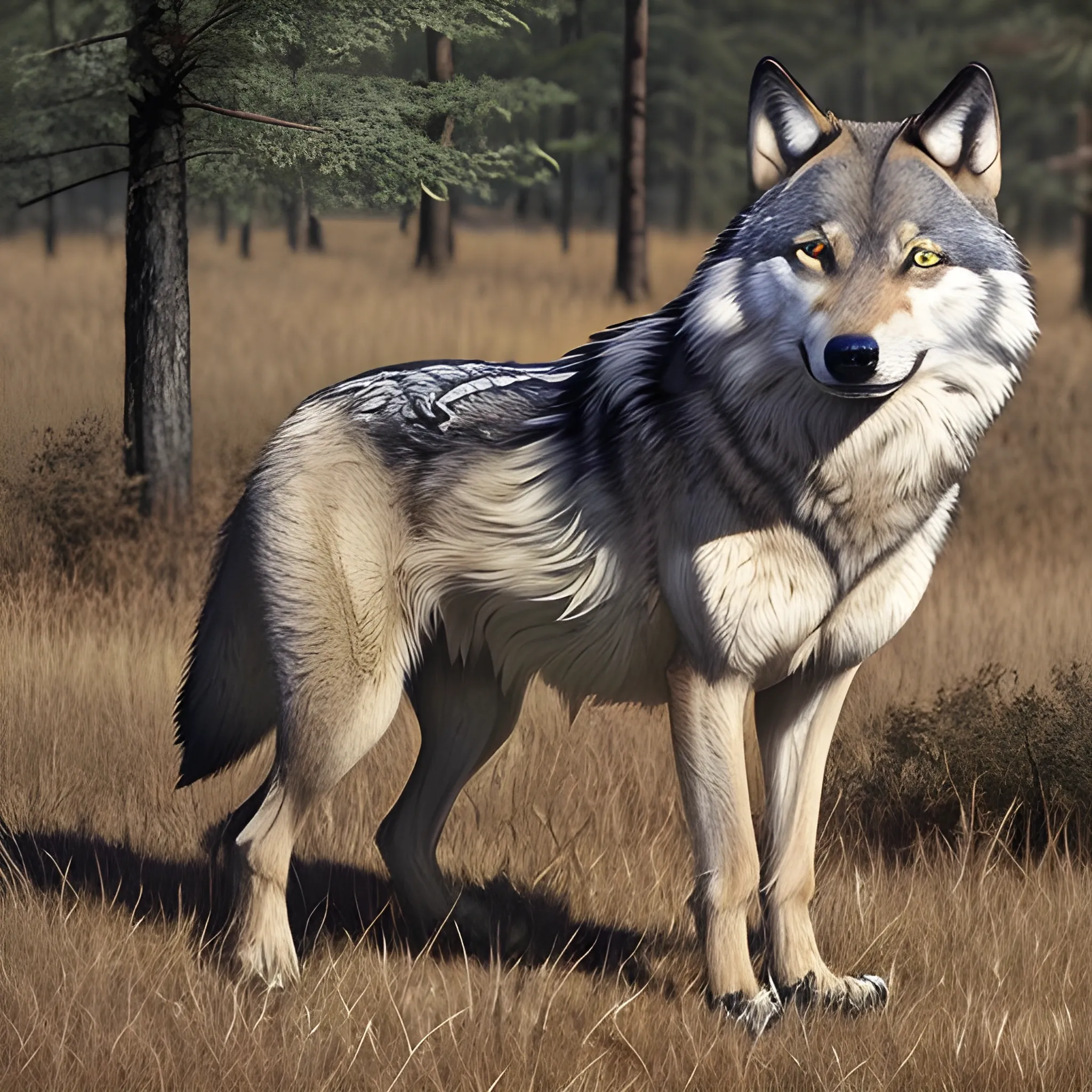
Appearance: The wolf is a majestic and intelligent creature that roams the untamed wilderness of your DND world. Wolves have a lean and muscular build , with a fur coat that can vary in color , including shades of gray , brown , black , and white. Their fur is usually thick and provides protection against harsh weather conditions. Adult wolves typically stand around 2 to 3 feet tall at the shoulder and can weigh between 60 to 150 pounds , with males being larger than females. Features: Wolves have keen senses , including exceptional hearing and a powerful sense of smell. Their sharp teeth and strong jaws are designed for hunting and consuming a wide range of prey. They have long legs , allowing them to cover great distances quickly when pursuing prey or patrolling their territory. Wolves' paws have well-developed pads , enabling them to move silently and skillfully through various terrains. Habitat: Wolves are highly adaptable creatures and can be found in a variety of habitats , including forests , grasslands , and tundra. They often inhabit remote and untouched regions , away from human settlements. In your DND world , they might roam vast stretches of wilderness or even be associated with specific forested areas. Behavior: Wolves are social animals , living in close-knit packs led by an alpha male and female. They exhibit strong family bonds , working together to hunt and protect their territory. In your DND world , packs of wolves might be seen as symbols of loyalty , teamwork , and the balance of nature. Lone wolves could also be encountered , either as solitary hunters or as outcasts from their original packs. Role in the World: In your DND world , wolves might play an essential role in the ecosystem , helping to control the populations of herbivores and maintaining a healthy balance in the natural environment. Druids and rangers might have a special connection with wolves , viewing them as guardians of the wild and emblems of freedom. Encountering wolves in the wild could present various opportunities for adventurers. They might have chances to peacefully observe wolves from a distance or use animal handling skills to communicate with them. In certain situations , adventurers could witness the social dynamics of a wolf pack or even be assisted by friendly wolves in their quests. However , engaging in combat with a pack of wolves could be a challenging encounter , as their coordinated attacks and pack mentality make them formidable predators. ,

