Search Results for ranger
Explore AI generated designs, images, art and prompts by top community artists and designers.
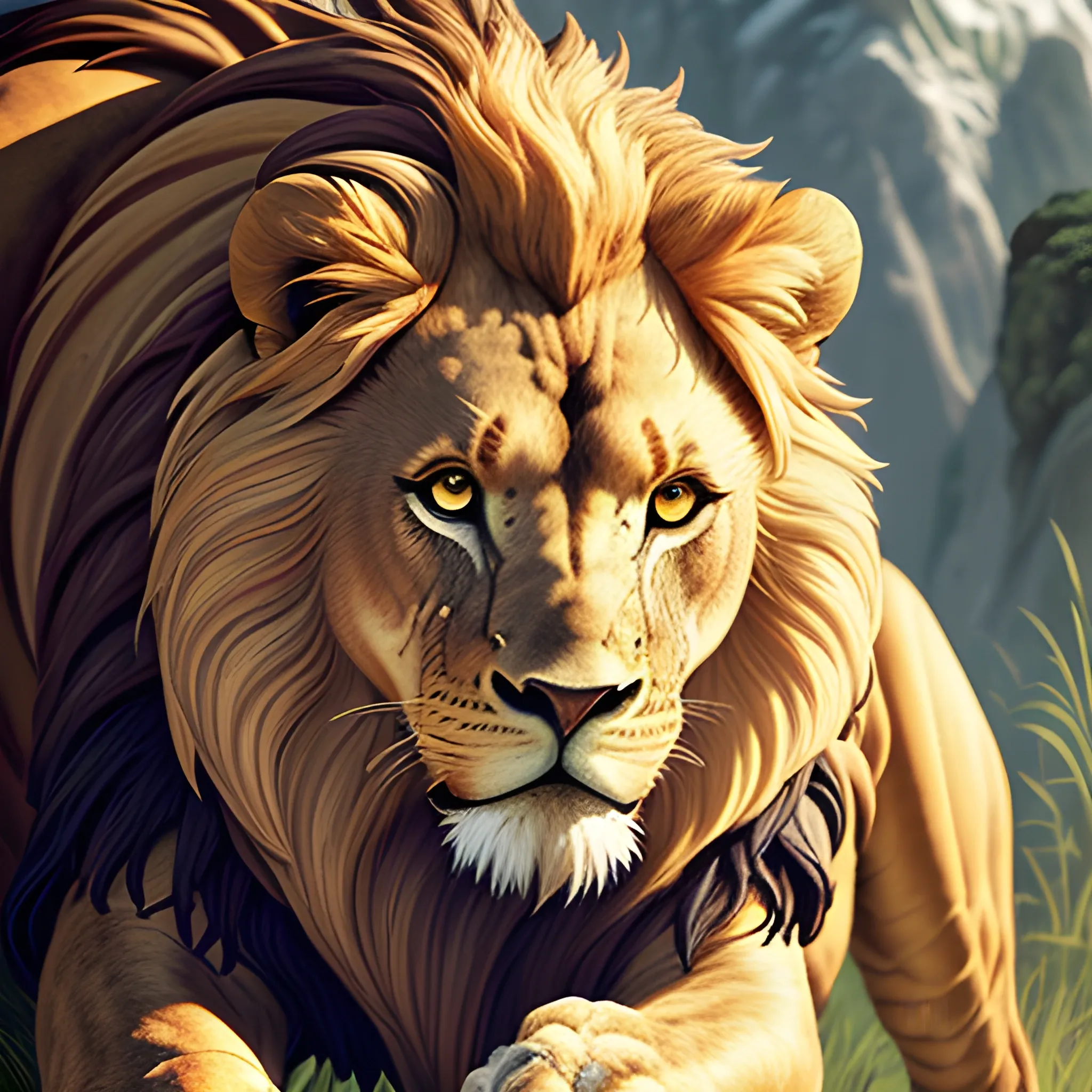

high details , best quality , 8k , [ultra detailed] , masterpiece , best quality , (extremely detailed) , dynamic angle , ultra wide shot , RAW , photorealistic , fantasy art , dnd art , rpg art , realistic art , a wide angle picture of a male human ranger and he pet lion , warrior of nature , fighter of nature , full body , [[anatomically correct]]. dynamic position (1.5 intricate details , Masterpiece , best quality) talking to a lion (1.6 intricate details , Masterpiece , best quality) in gra ,
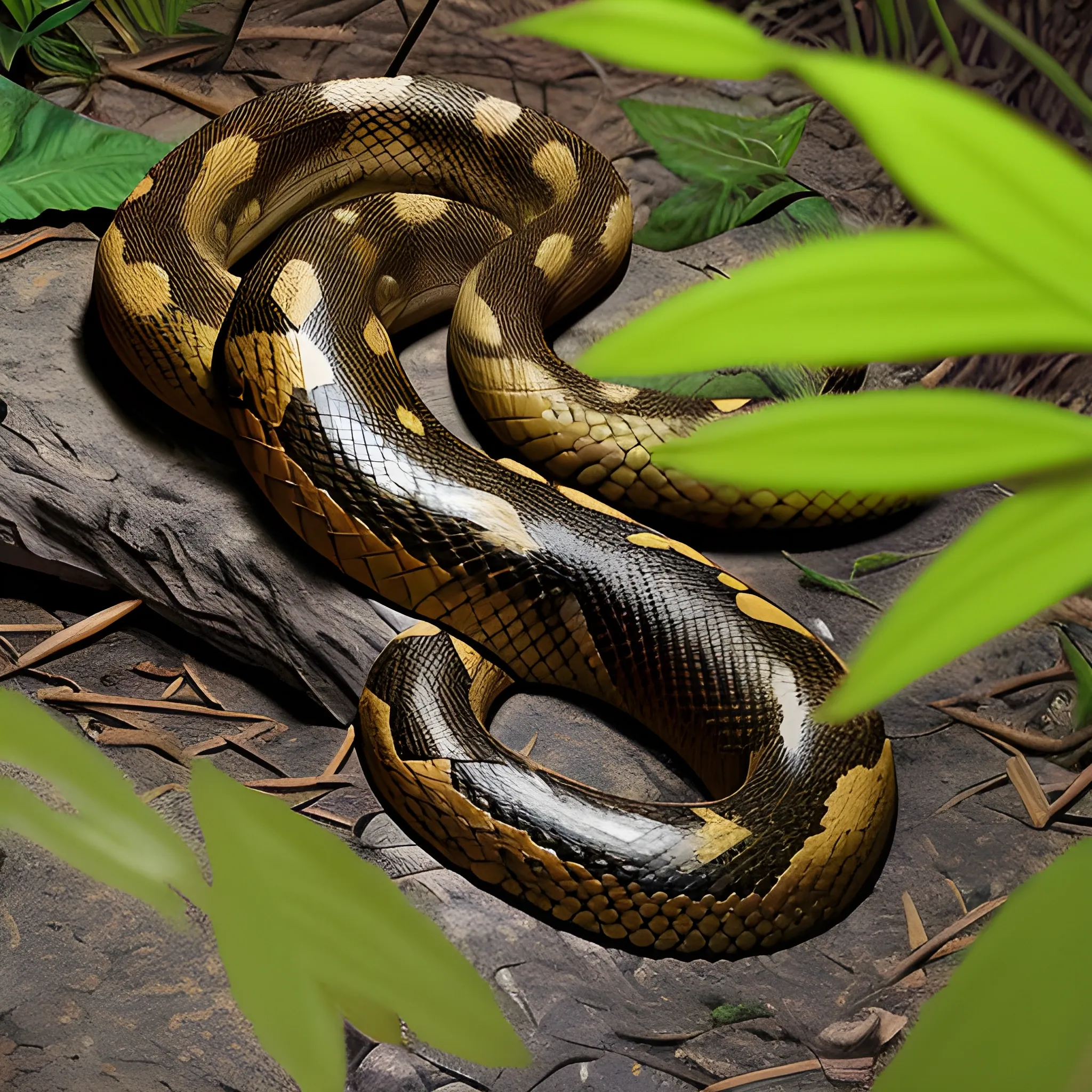
Appearance: The Poisonous Snake is a small to medium-sized reptile with a slender body and a distinctive pattern of scales. Its colors can vary widely , from vibrant and striking patterns to more muted earth tones , helping it blend into its natural surroundings. The snake's head is triangular , and it has a pair of fangs at the front of its mouth , through which it delivers its venom. Features: The Poisonous Snake is known for its venomous bite , which it uses to incapacitate its prey and defend itself from threats. Its venom can vary in potency , from causing mild discomfort to being deadly , depending on the species. While not as powerful as the venom of more dangerous creatures , the Poisonous Snake's bite can still cause considerable harm to unwary adventurers. Habitat: Poisonous Snakes can be found in a wide range of environments , from dense jungles and forests to dry deserts and grasslands. They are highly adaptable creatures and can thrive in various conditions , making them a common sight in untamed wilderness areas. Behavior: The Poisonous Snake is a stealthy predator , relying on its camouflage and patience to ambush its prey. It strikes quickly and accurately , using its venom to immobilize and begin the process of consuming its victim. Poisonous Snakes are generally non-aggressive towards larger creatures , preferring to flee rather than confront a potential threat. Role in the World: In your DND world , Poisonous Snakes could serve as common dangers in the wild , particularly in regions where adventurers explore untamed territories. Druids and rangers might have a connection with these creatures , viewing them as part of the natural balance. Encountering a Poisonous Snake in the wild can be a common and potentially hazardous event for adventurers. While they are generally not aggressive , they may strike if they feel threatened or cornered. Players might need to exercise caution and use skills such as animal handling or survival to avoid confrontations with these venomous reptiles. If adventurers do find themselves bitten , they must act quickly to counteract the effects of the venom and avoid more serious consequences. The presence of Poisonous Snakes in your campaign adds an element of realism and danger to the wilderness. Players will need to be vigilant and watchful during their travels , as the risk of encountering these venomous creatures is ever-present. Poisonous Snakes can also serve as a minor but meaningful challenge , especially for lower-level adventurers , teaching them the importance of preparation and awareness in the untamed wilderness. ,


male , Gold with black trimming , power ranger , up-armor , full body , , 3D , Pencil Sketch , Oil Painting ,






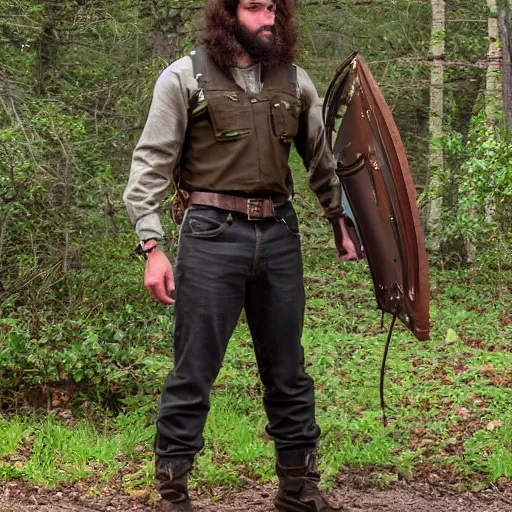

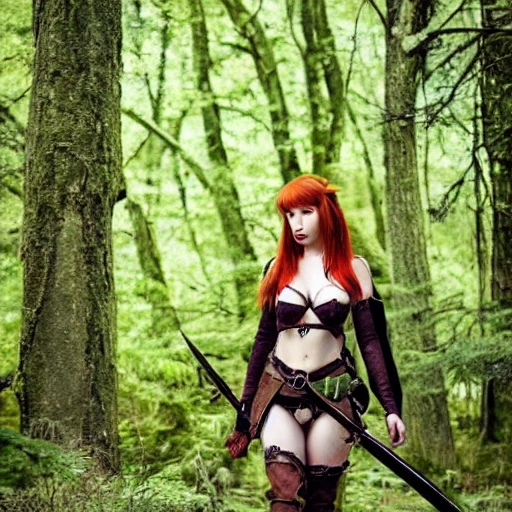
redhead , green eyes , female , ranger , fantasy , semi elf , with long bow , and two swords , chainmail , in a forest , with a wolf companion ,


elf , female , ranger , priestess , hair blue long , skin color white , eyes color yellow , accessory diamond ,



male , Gold with black trimming , power ranger , up-armor , full body , , 3D , Pencil Sketch , Oil Painting ,




Appearance: The black bear is a large mammal with a sturdy build. Its fur is thick and mostly black , hence its name , although some individuals may have a light-brown muzzle or a small white patch on their chest. The fur is soft to the touch , providing excellent insulation during colder seasons. Adult black bears typically stand around 5 to 7 feet tall when on their hind legs and can weigh anywhere between 200 to 600 pounds , with males being larger than females. Features: The black bear has a distinctive humped back , which is a result of powerful muscles that enable them to dig and climb with ease. Their shoulders are well-developed , and their front paws have sharp claws , which they use for digging and climbing trees. Their strong jaws are equipped with sharp teeth , allowing them to consume various foods , including fruits , nuts , insects , and small animals. Despite their name , black bears can come in various shades of brown and cinnamon , but their fur generally appears dark from a distance. Habitat: Black bears are highly adaptable creatures and can be found in a range of habitats , including dense forests , mountainous regions , swamps , and even arid scrublands. They tend to favor areas with ample food sources , such as berries , nuts , and smaller mammals. In your DND world , they could inhabit ancient forests or remote wilderness areas , sometimes sharing territories with other woodland creatures. Behavior: Black bears are generally solitary animals , with the exception of mothers with their cubs. They are omnivorous , meaning they eat both plant matter and meat , but they are not typically aggressive unless provoked or threatened. They are skilled climbers , often seeking refuge in trees to avoid danger or to rest. During colder months , black bears may hibernate , using their stored fat reserves to survive the winter. Role in the World: In your DND world , black bears could play various roles , serving as guardians of certain areas , or sometimes appearing as natural obstacles for adventurers traveling through the wilderness. Druids and rangers might have a special connection with these majestic creatures , and they could be revered as symbols of strength , endurance , and adaptability. Encountering a black bear in the wild could offer opportunities for non-combat interactions , such as avoiding the creature by using stealth or calming it through the use of animal handling skills. However , if threatened or cornered , black bears could defend themselves fiercely , making them a potential challenge for adventurers who aren't careful in their approach. ,




Appearance: The Bandit is a rugged and cunning individual , often dressed in worn and nondescript clothing that allows them to blend in with common folk or the wilderness. They may wear tattered cloaks or hoods to conceal their identity while on the prowl. Their attire is practical , allowing them to move swiftly and quietly during their illicit activities. Bandits often sport an unkempt appearance , with scruffy beards or unkempt hair , reflecting their rough and lawless lifestyle. Features: Bandits are opportunistic criminals , skilled in ambushes , theft , and intimidation. They may wield a variety of weapons , from rusty daggers to notched swords or stolen bows , depending on their individual expertise. While they lack the training and discipline of seasoned soldiers , their resourcefulness and willingness to resort to violence make them dangerous adversaries. Habitat: Bandits are commonly found in lawless or remote regions , where they can operate without interference from authorities. They may establish secret hideouts in caves , abandoned buildings , or hidden forest encampments. In your DND world , they might be part of organized criminal networks , operating out of seedy taverns or disreputable establishments. Behavior: Bandits are typically driven by a desire for wealth and power , willing to prey on the vulnerable and unsuspecting to achieve their goals. They are not afraid to use intimidation and violence to achieve their objectives , making them a menace to travelers and isolated communities. Some bandits may be driven by desperation or a sense of rebellion against authority , while others simply embrace a life of lawlessness. Role in the World: In your DND world , Bandits can be a common and persistent threat to the safety of travelers and the stability of settlements. They may operate independently or as part of larger criminal organizations , profiting from extortion , smuggling , or raiding caravans. Lawful characters , such as paladins and city guards , might consider it their duty to confront and bring these lawbreakers to justice. Encountering Bandits in your campaign can provide opportunities for diverse interactions and moral choices. Players may face the dilemma of showing mercy to those driven to crime by hardship or rooting out dangerous and malicious criminals. Bandit encounters can range from tense negotiations to thrilling skirmishes , offering a chance for characters to display their skills , morals , and resourcefulness. The presence of Bandits in your campaign world adds an element of danger and unpredictability to travel and exploration. Players will need to be cautious when traversing remote areas or encountering strangers on the road. Bandit encounters can serve as minor challenges for lower-level parties or become more significant threats when part of a larger , more organized criminal enterprise. Regardless of their role , Bandits provide an opportunity to explore themes of law and order , survival , and the blurred lines between good and evil in your DND world. ,