Search Results for proximity
Explore AI generated designs, images, art and prompts by top community artists and designers.
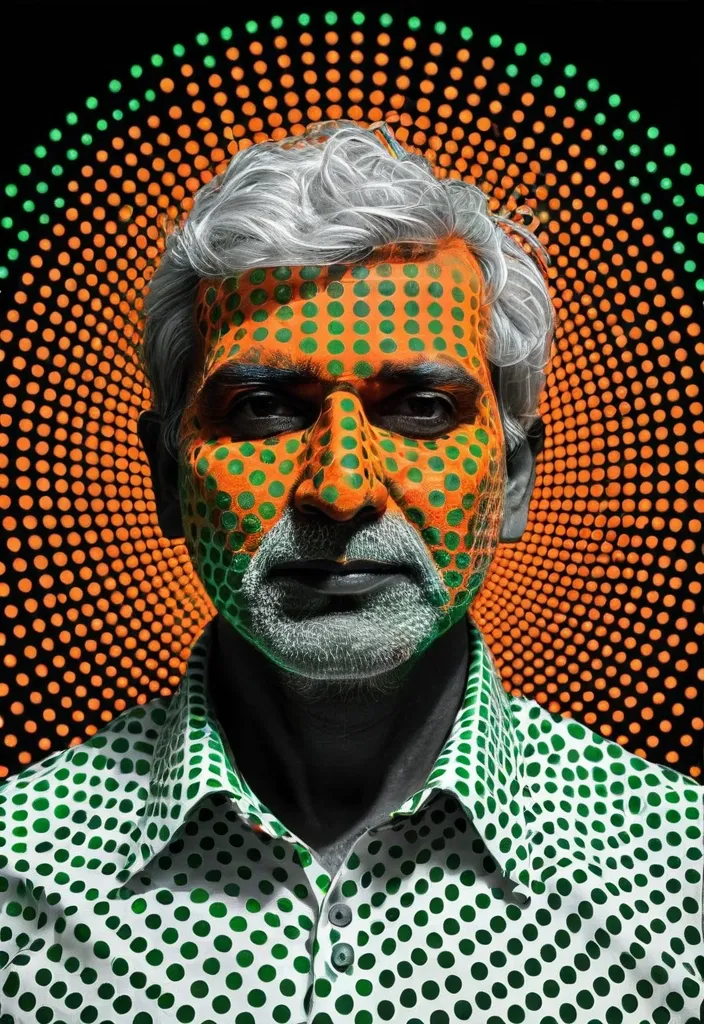

A striking Indian tricolour (Orange. White , Green) optical illusion portrait of a mature man (Use the uploaded reference image as the exact character reference) wearing a shirt against a black background , constructed entirely from dynamic , radiating Indian tricolour 3D dots. A dense array of fine rays dots outward from the center , continuously extending across the composition to form a stark , high-contrast visual. These kinetic dots vortex , undulate , and shift in thickness to define the three-dimensional volume of the man's facial features , and the wavering fabric of his shirt. Shading and highlights emerge strictly through the varying proximity and density of the lines , mimicking a topographical map or precision digital engraving. The plain background consists of straight , tightly spaced diverging rays , providing a sharp geometric contrast to the sculpted , organic contours of the central figure and producing an intense , mesmerizing optical illusion. ,
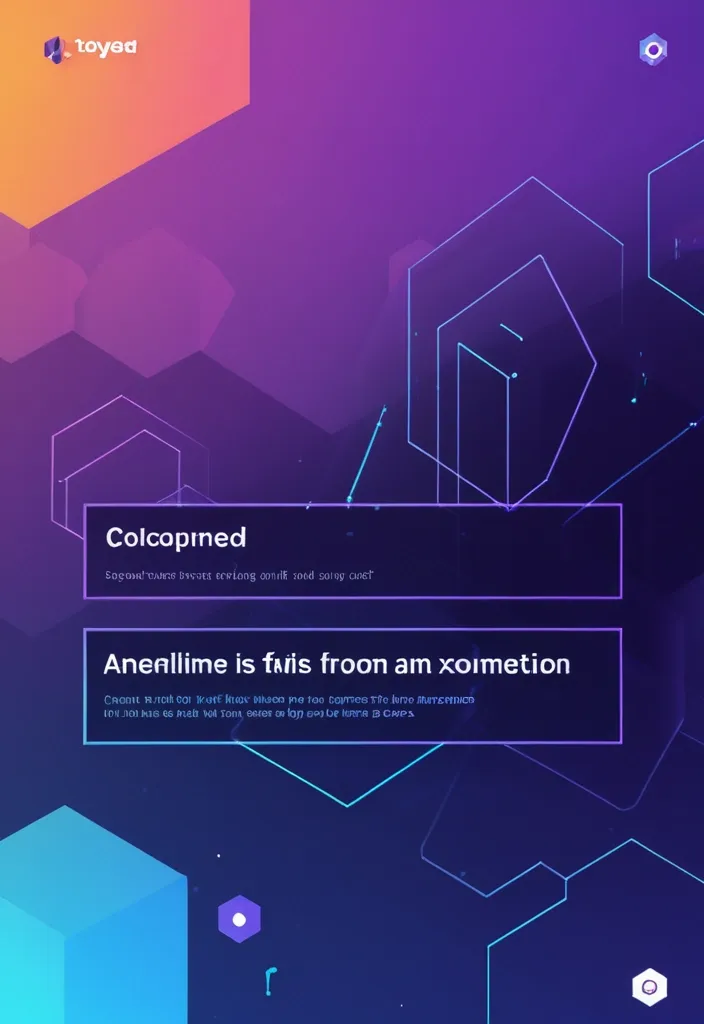
Landing Page Hero Section Reimagined: Create a modern , immersive hero section featuring a dynamic holographic gradient background that subtly shifts between deep purple (#6B46C1) to electric blue (#3B82F6) to cyan (#06B6D4) , creating a futuristic AI-inspired atmosphere. The gradient should have a gentle animated flow (3-5 second loop) suggesting data streams or neural networks. Visual Elements & Depth: Add floating geometric shapes (translucent hexagons , nodes , and connection lines) that subtly parallax scroll , suggesting AI neural networks and automated systems Integrate a glassmorphism card overlaying the gradient for your main content area , with frosted glass effect (backdrop-filter: blur(12px) , white/10% opacity) to create sophisticated depth Replace the static photo with an AI-enhanced portrait that has subtle edge glow in accent colors (cyan/purple) and animated particle effects around the edges , suggesting tech proficiency Typography & Content: Use fluid , variable typography for the headline with a gradient text effect (purple to cyan) that responds to cursor proximity with subtle scale animations Add a pricing transparency badge in the top right ("Competitive Rates - Premium Quality") with a subtle pulse animation in your accent color Include micro-animations on hover for navigation items—subtle underline draws with gradient effect Color Palette: Primary gradient: Deep Purple (#6B46C1) → Electric Blue (#3B82F6) → Cyan (#06B6D4) Accent: Warm Orange (#F97316) for CTAs to create powerful contrast and confidence Background: Rich dark (#0A0A0F) with subtle noise texture for depth Text: White (#FFFFFF) with reduced opacity variations for hierarchy Interactive Elements: Transform "Hire me" button into a premium CTA with orange gradient background , white text , and animated hover state (expands slightly , adds glow effect) Add scroll-triggered animations revealing a "Tech Stack" section with floating tech icons (TypeScript , React , Node.js , AI tools) that fade in with stagger effect Include a "Built with AI Assistance" badge with robot icon and subtle animation to showcase your AI-forward approach Unique Differentiators: Animated code snippets running in the background (subtle , low opacity) showing TypeScript/functional programming patterns Interactive pricing calculator widget that slides in from the side , demonstrating transparency and reasonable rates "Precision Meter" visualization—an animated circular progress indicator showing "99.9% Attention to Detail" with gradient stroke AI Assistant chatbot icon (bottom right) with pulsing gradient glow suggesting immediate , automated responses Additional Sections: Add a "Why Choose Me" grid with hover cards that reveal detailed benefits—each card lifts with shadow and gradient border on hover Include client testimonials with star ratings and subtle fade-in animations emphasizing quality and detail Feature a "Process" timeline with AI integration points highlighted , showing how you leverage AI for better results ,

A small child stands close to a brightly lit Christmas tree , positioned on the right side of the scene and facing left , gazing upward with wide , focused eyes. The child wears soft , light-colored pajamas with a gentle printed pattern , the fabric slightly loose and rumpled , suggesting a quiet moment at home. Their posture is upright but cautious , body leaning subtly forward , hands resting near their sides as if resisting the urge to touch. The tree fills the left half of the frame , dense with warm white and multicolored lights that glow softly against the surrounding room. Instead of traditional ornaments , the branches are heavily decorated with plush toys and small character figures in pastel yellows , blues , pinks , and greens , layered thickly from top to bottom. At the base of the tree , a shallow box overflows with additional stuffed animals , spilling outward and crowding the floor with color and soft shapes. The carpet beneath is pale and textured , catching scattered reflections from the lights above. The background recedes gently into soft focus , with hints of furniture and blue-toned walls framing the scene. The atmosphere is intimate and hushed , defined by warmth , proximity , and the suspended moment just before movement , where curiosity holds perfectly still. ,
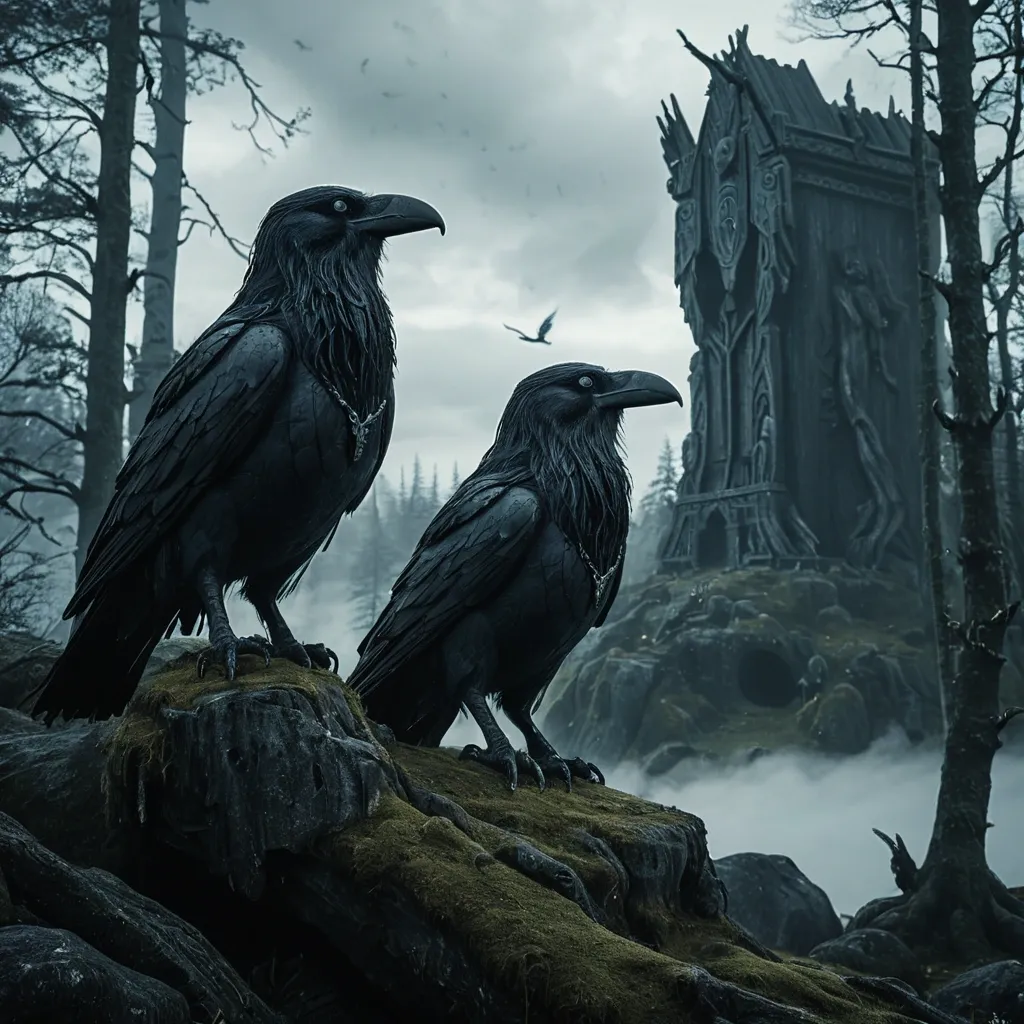
A detailed portrait of Huginn and Muninn , Odin’s ravens , in a typical Norse setting. Huginn , with bright black feathers and intelligent eyes , is perched on an ancient oak branch , while Muninn , similar-looking but with a slight bluish tint to his wings , looks on in the distance. The setting is a dense , gloomy forest , with moss covering the rocks and fog hovering among the trees. In the background , a cloudy sky and the silhouette of a large Nordic hall can be seen , suggesting the proximity of Valhalla. The atmosphere is mystical and enveloping , with cool tones and realistic details that highlight the importance of these divine messengers. ,
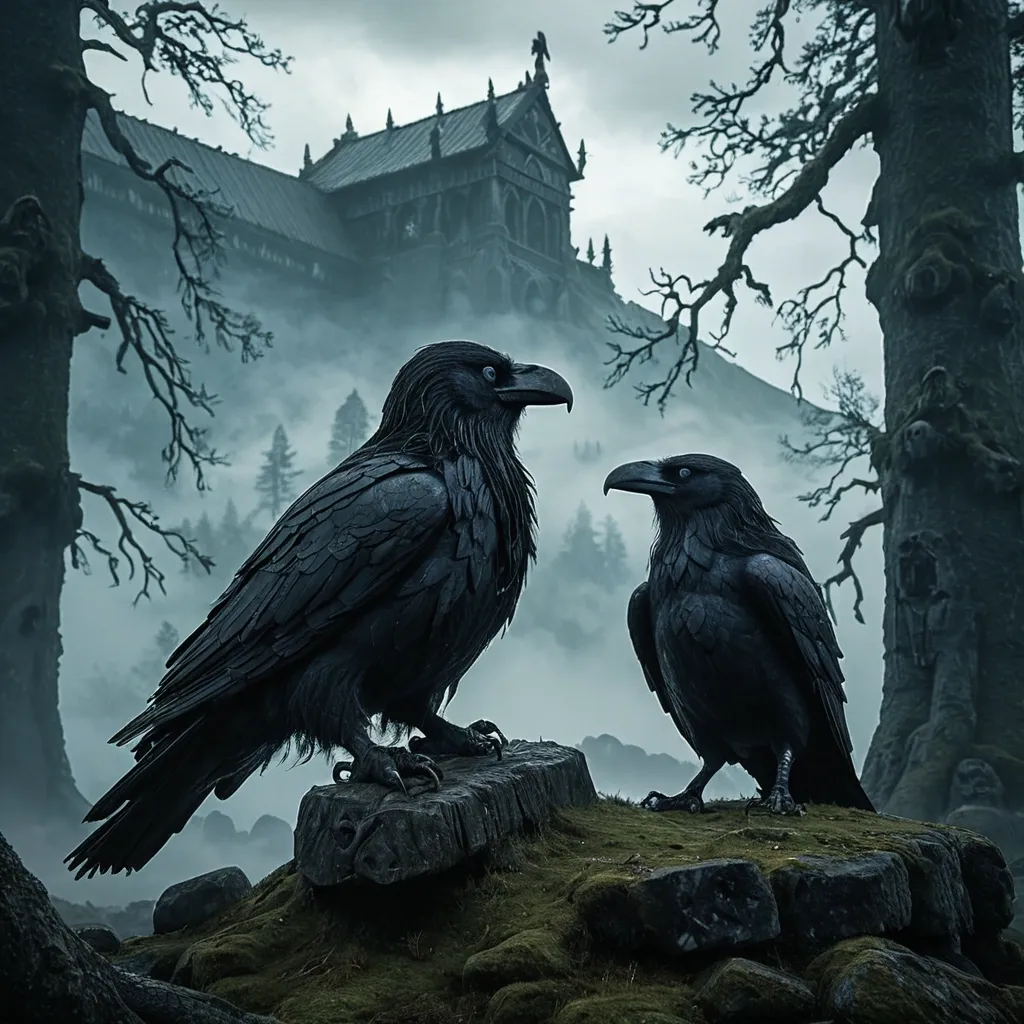
A detailed portrait of Huginn and Muninn , Odin's ravens , in a typical Norse setting. Huginn , with bright black feathers and intelligent eyes , is perched on an ancient oak branch , while Muninn , similar-looking but with a slight bluish tint to his wings , looks on in the distance. The setting is a dense , gloomy forest , with moss covering the rocks and fog hovering among the trees. In the background , a cloudy sky and the silhouette of a large Nordic hall can be seen , suggesting the proximity of Valhalla. The atmosphere is mystical and enveloping , with cool tones and realistic details that highlight the importance of these divine messengers. ,

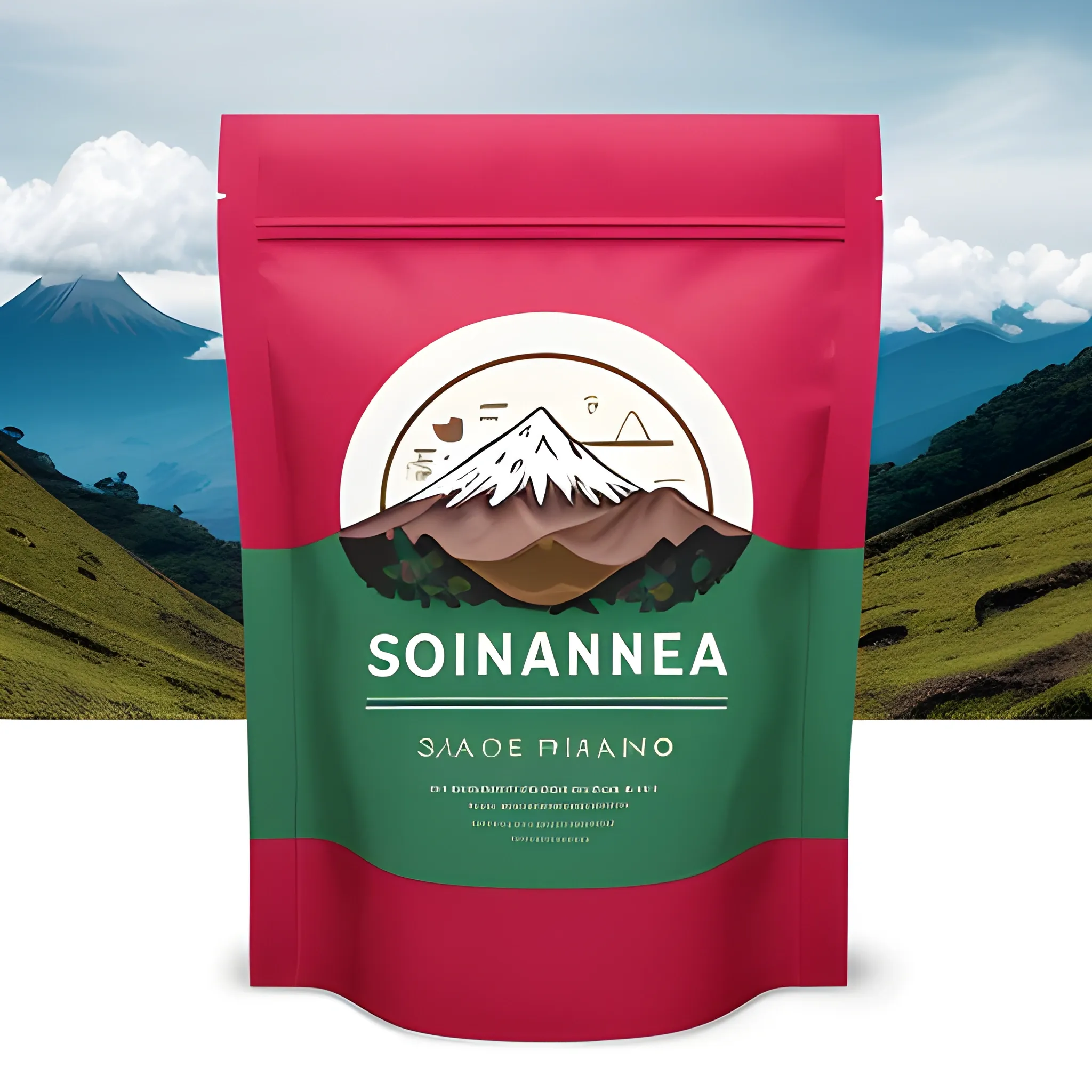
Designing a coffee bag for "John Coffee" in the Páramo of Santander , Colombia , will require a logo and background that reflect the brand's identity and the unique characteristics of the region. Here's a description of a possible design: Logo: Central Icon: Consider using an iconic element that represents both coffee and the Páramo of Santander. This could be a combination of a coffee cup and the silhouette of the páramo's mountains. Nature: Incorporate elements of the páramo's natural beauty , such as native flora , like frailejones , and fauna like birds or rabbits. These elements can encircle the central icon. Colors: Utilize a color palette that captures the essence of the Páramo , with shades of green and blue representing the natural landscape and perhaps deep brown for coffee. Typography: Choose a font that reflects the brand's personality , whether it's rustic , modern , or elegant. Ensure that the brand name "John Coffee" is clearly legible. Text: Place the brand name "John Coffee" and the location "Páramo of Santander , Colombia" in proximity to or around the central icon. Bag Background: Natural Background: Use a background image or pattern that showcases the stunning scenery of the Páramo of Santander. This could include mountains , rolling hills , and clouds. It should create a sense of place and emphasize the brand's connection to the region. Colors: Harmonize the background colors with the logo's color palette to create a cohesive and visually pleasing design. Product Information: On the back of the bag , provide essential details about the coffee , including its variety , processing method , tasting notes , and any unique selling points. Remember , it's crucial to collaborate with a professional graphic designer to bring your vision to life. This design concept is a starting point and can be tailored to fit your brand's identity and preferences. Additionally , ensure that the bag complies with all legal requirements for coffee packaging and labeling in Colombia and any target markets. ,
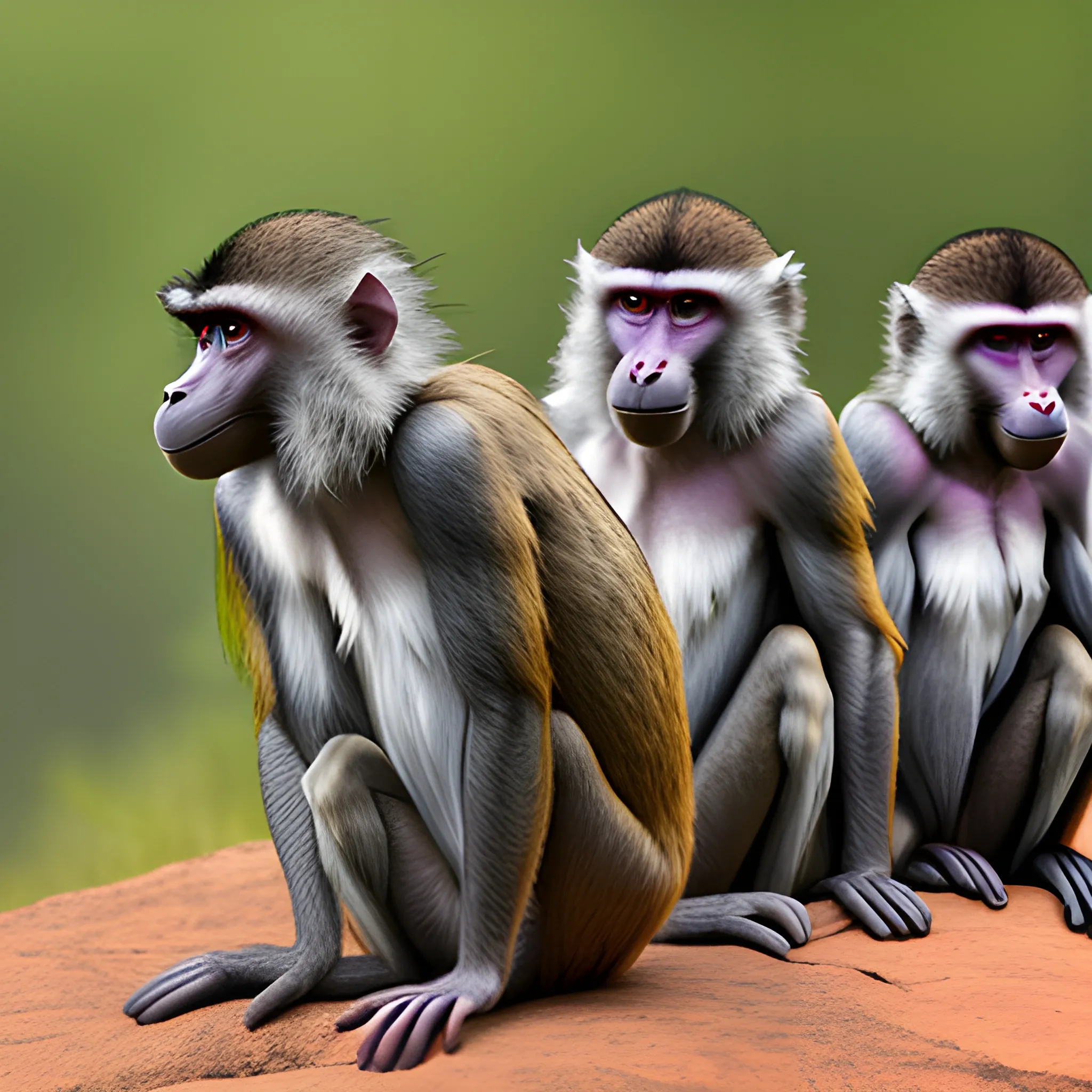
Appearance: The Baboon is a medium-sized primate with a distinctive and charismatic appearance. It has a robust and muscular body , covered in short fur that can range in color from brown to gray or even olive-green. Baboons have a dog-like snout , sharp teeth , and a hairless face with prominent cheek pouches , which they use to store food. They have long arms and powerful legs , allowing them to move quickly and with agility. Features: Baboons are highly social creatures , living in close-knit troops that can consist of a few individuals to larger groups. Their intelligence and adaptability enable them to survive in various environments , from lush jungles to arid savannahs. They are known for their strong social hierarchy and complex communication , using vocalizations , gestures , and facial expressions to convey emotions and intentions. Habitat: Baboons are versatile animals that can thrive in a range of habitats , including forests , grasslands , and mountainous regions. They are often found near water sources , as they require regular access to drinking water. In your DND world , baboons might inhabit areas with lush vegetation or live in proximity to humanoid settlements , scavenging for food scraps. Behavior: Baboons are opportunistic omnivores , with a varied diet that includes fruits , leaves , seeds , insects , and small animals. They are skilled climbers and can use their agility to escape predators or reach high-up food sources. Baboons are known for their playfulness , engaging in social interactions , grooming , and even games with each other. Role in the World: In your DND world , baboons could serve as a part of the natural ecosystem or be associated with certain deities or nature spirits. Druids and rangers might have a special connection with baboons , viewing them as symbols of adaptability and community. Encountering baboons in the wild could present various opportunities for adventurers. They might have non-combat interactions with the primates , such as observing their social behaviors or using animal handling skills to communicate with them. Baboons could also play a role in quests involving local tribes or settlements , where their presence might be considered either beneficial or problematic depending on the circumstances. While not inherently aggressive , baboons can defend themselves and their troop if they feel threatened , making it essential for adventurers to approach them with respect and caution. ,
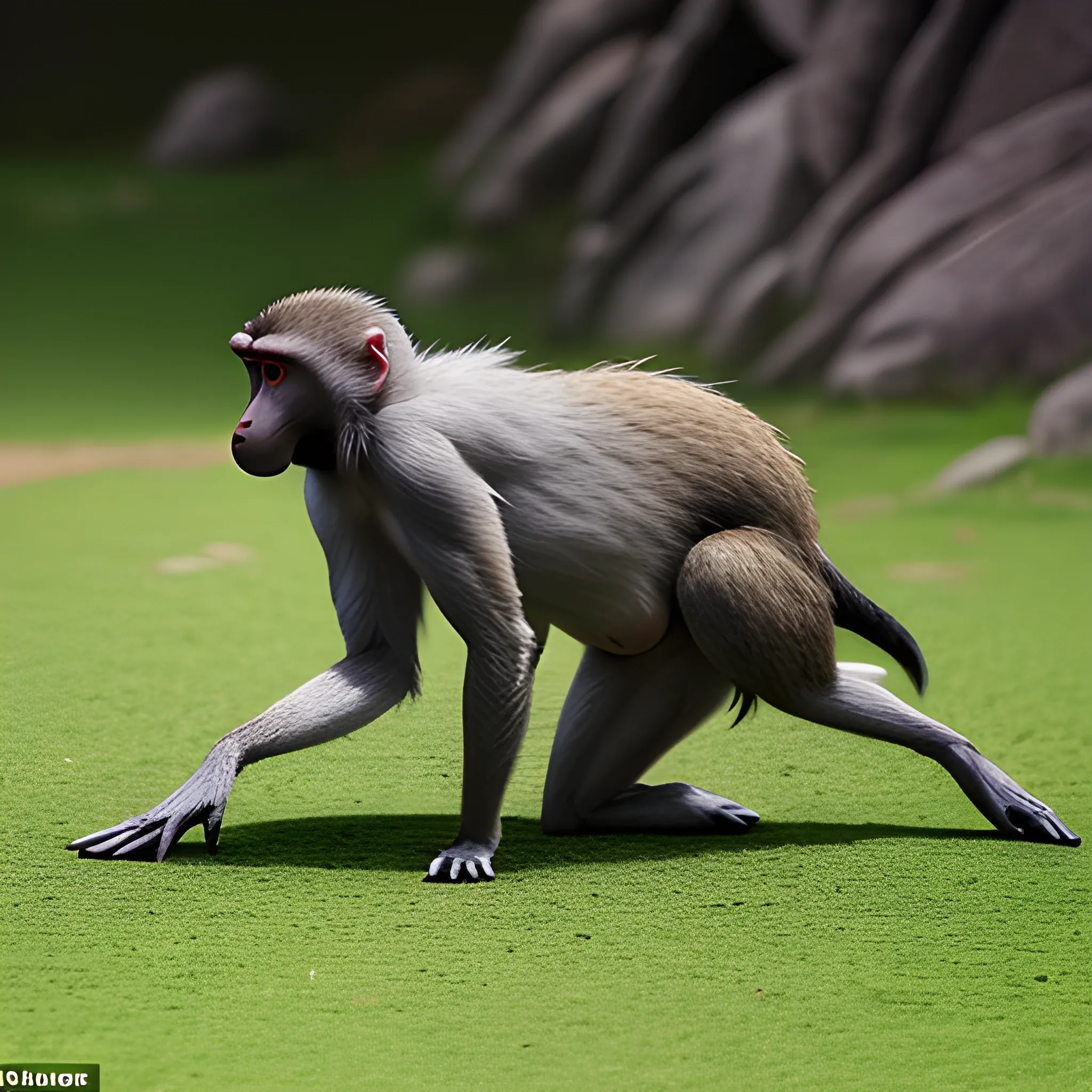
Appearance: The Baboon is a medium-sized primate with a distinctive and charismatic appearance. It has a robust and muscular body , covered in short fur that can range in color from brown to gray or even olive-green. Baboons have a dog-like snout , sharp teeth , and a hairless face with prominent cheek pouches , which they use to store food. They have long arms and powerful legs , allowing them to move quickly and with agility. Features: Baboons are highly social creatures , living in close-knit troops that can consist of a few individuals to larger groups. Their intelligence and adaptability enable them to survive in various environments , from lush jungles to arid savannahs. They are known for their strong social hierarchy and complex communication , using vocalizations , gestures , and facial expressions to convey emotions and intentions. Habitat: Baboons are versatile animals that can thrive in a range of habitats , including forests , grasslands , and mountainous regions. They are often found near water sources , as they require regular access to drinking water. In your DND world , baboons might inhabit areas with lush vegetation or live in proximity to humanoid settlements , scavenging for food scraps. Behavior: Baboons are opportunistic omnivores , with a varied diet that includes fruits , leaves , seeds , insects , and small animals. They are skilled climbers and can use their agility to escape predators or reach high-up food sources. Baboons are known for their playfulness , engaging in social interactions , grooming , and even games with each other. Role in the World: In your DND world , baboons could serve as a part of the natural ecosystem or be associated with certain deities or nature spirits. Druids and rangers might have a special connection with baboons , viewing them as symbols of adaptability and community. Encountering baboons in the wild could present various opportunities for adventurers. They might have non-combat interactions with the primates , such as observing their social behaviors or using animal handling skills to communicate with them. Baboons could also play a role in quests involving local tribes or settlements , where their presence might be considered either beneficial or problematic depending on the circumstances. While not inherently aggressive , baboons can defend themselves and their troop if they feel threatened , making it essential for adventurers to approach them with respect and caution. ,