Search Results for conditions
Explore AI generated designs, images, art and prompts by top community artists and designers.
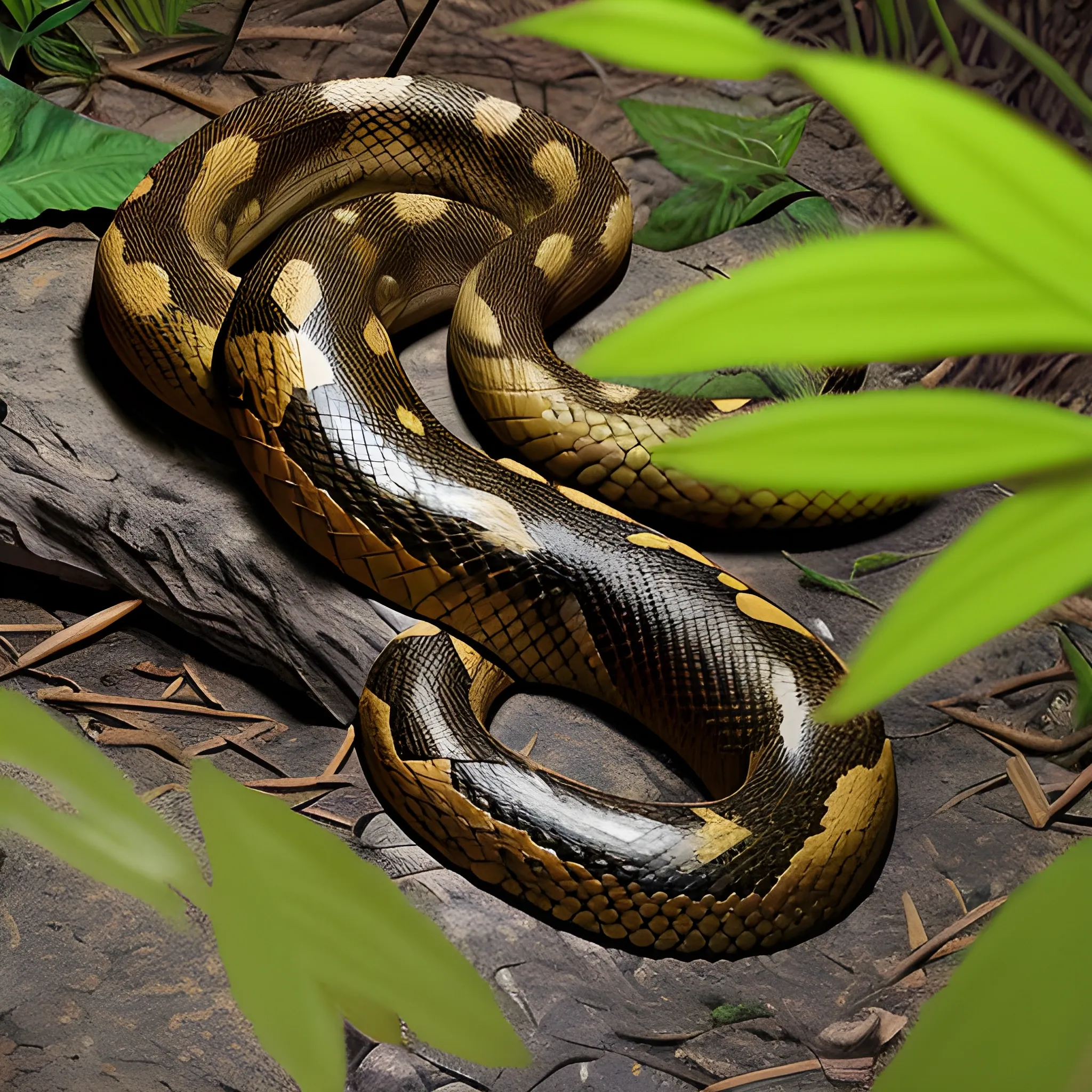

Appearance: The Poisonous Snake is a small to medium-sized reptile with a slender body and a distinctive pattern of scales. Its colors can vary widely , from vibrant and striking patterns to more muted earth tones , helping it blend into its natural surroundings. The snake's head is triangular , and it has a pair of fangs at the front of its mouth , through which it delivers its venom. Features: The Poisonous Snake is known for its venomous bite , which it uses to incapacitate its prey and defend itself from threats. Its venom can vary in potency , from causing mild discomfort to being deadly , depending on the species. While not as powerful as the venom of more dangerous creatures , the Poisonous Snake's bite can still cause considerable harm to unwary adventurers. Habitat: Poisonous Snakes can be found in a wide range of environments , from dense jungles and forests to dry deserts and grasslands. They are highly adaptable creatures and can thrive in various conditions , making them a common sight in untamed wilderness areas. Behavior: The Poisonous Snake is a stealthy predator , relying on its camouflage and patience to ambush its prey. It strikes quickly and accurately , using its venom to immobilize and begin the process of consuming its victim. Poisonous Snakes are generally non-aggressive towards larger creatures , preferring to flee rather than confront a potential threat. Role in the World: In your DND world , Poisonous Snakes could serve as common dangers in the wild , particularly in regions where adventurers explore untamed territories. Druids and rangers might have a connection with these creatures , viewing them as part of the natural balance. Encountering a Poisonous Snake in the wild can be a common and potentially hazardous event for adventurers. While they are generally not aggressive , they may strike if they feel threatened or cornered. Players might need to exercise caution and use skills such as animal handling or survival to avoid confrontations with these venomous reptiles. If adventurers do find themselves bitten , they must act quickly to counteract the effects of the venom and avoid more serious consequences. The presence of Poisonous Snakes in your campaign adds an element of realism and danger to the wilderness. Players will need to be vigilant and watchful during their travels , as the risk of encountering these venomous creatures is ever-present. Poisonous Snakes can also serve as a minor but meaningful challenge , especially for lower-level adventurers , teaching them the importance of preparation and awareness in the untamed wilderness. ,
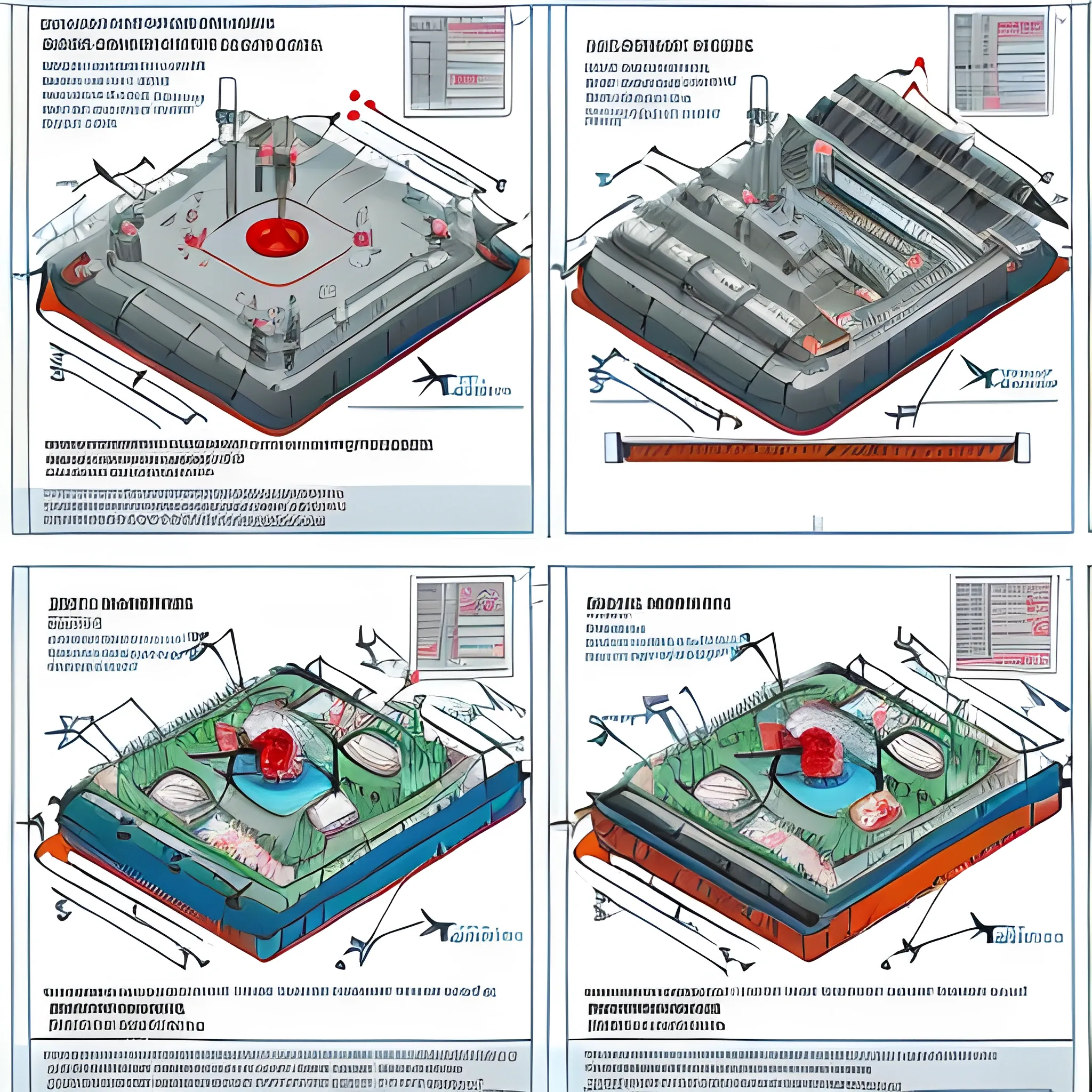
Positive Prompt: "A detailed technical illustration that shows two key stages of oil well operation using modern and clear visual design. On the left side , the 'Heat Carrier Injection' process is depicted. A pump jack , widely used in the oil industry to move liquid from the well , is shown on the surface. Red arrows highlight key steps in the process. The first step is the plunger lift , which plays a crucial role in the operation of the pump. This process is facilitated by lifting the plunger inside the pumping equipment in preparation for the injection. The second step involves securing the tubing column to a suspended plug , an important measure to ensure the temporary closure of the well and prevent unwanted discharge while preparing for the heat carrier injection. Subsurface , the illustration shows components like the tubing and working rods involved in this process. The entire system is presented in cross-section to demonstrate how it functions in real conditions , providing a deeper understanding of the equipment interaction during heat carrier injection. On the right side of the illustration , the 'Production Phase' is shown. The pump jack is again depicted on the surface , but now the focus is on the oil extraction process. Arrows indicate several important operations. First , the dismantling of a solid ring is shown , which is removed to prepare the well for operation. Next , the installation of a polished rod is highlighted , an important component of the pumping system that allows for effective force transmission for the pump's operation. Finally , the lowering of the plunger is illustrated , which initiates the system's operation in extraction mode. The cross-sectional view of the well illustrates how the pumping system elements work during oil extraction. Specifically , equipment such as the SPR-57 cylinder and plunger are highlighted as crucial for ensuring oil production. All elements are clearly labeled with descriptions , making it easier to understand the processes and equipment. The illustration is designed in a modern style with clear lines and bright colors to simplify the perception of complex technical processes. All key operations are marked with explanatory arrows , and labels help quickly orient the viewer on the actions being performed at each stage. Both surface and subsurface equipment are represented in cross-section , providing a comprehensive understanding of all stages of well operation. This illustration is suitable for use in educational and professional materials within the oil and gas industry , as it provides a visual and understandable representation of the heat carrier injection process and subsequent oil extraction." Negative Prompt: "The illustration lacks sufficient detail , reducing its practical value for technical specialists and engineers. Firstly , key components of the equipment , such as the tubing , column pipes , and plunger , are presented schematically and without explanatory labels , making it challenging to understand specific processes and steps. Important stages , such as the plunger lift or the dismantling of the solid ring , are depicted too simplistically , and due to the lack of detailed indicators , it is unclear how these operations are carried out. The subsurface part of the equipment in cross-section is also inadequately detailed: there are no precise labels for all layers and components necessary to understand the complete structure and system interactions. The SPR-57 cylinder , which is a crucial part of the production process , is not visualized with sufficient clarity , potentially leading to misunderstandings of its functions and role in the process. Additionally , there is no clear indication of the flow of fluids , such as the heat carrier injection or liquid circulation. The red arrows used to highlight key processes are not sufficiently informative: their trajectory may confuse the user , as they do not clearly point to specific elements of the system , and their placement on the diagram appears cluttered. This complicates the perception of the overall logic of the processes. As a result , the illustration appears superficial and unsuitable for use in professional technical instructions or educational materials. Finally , the overall design of the illustration is outdated , which diminishes its visual appeal. Modern illustrations require cleaner , clearer graphics with bright and unambiguous indicators and explanatory captions to enhance clarity and ease of understanding , which is lacking in this case. All these factors make the illustration less useful for engineering tasks and necessitate revisions to meet contemporary quality standards in the oil and gas industry." These prompts provide a comprehensive overview of both the strengths and weaknesses of the illustration. ,

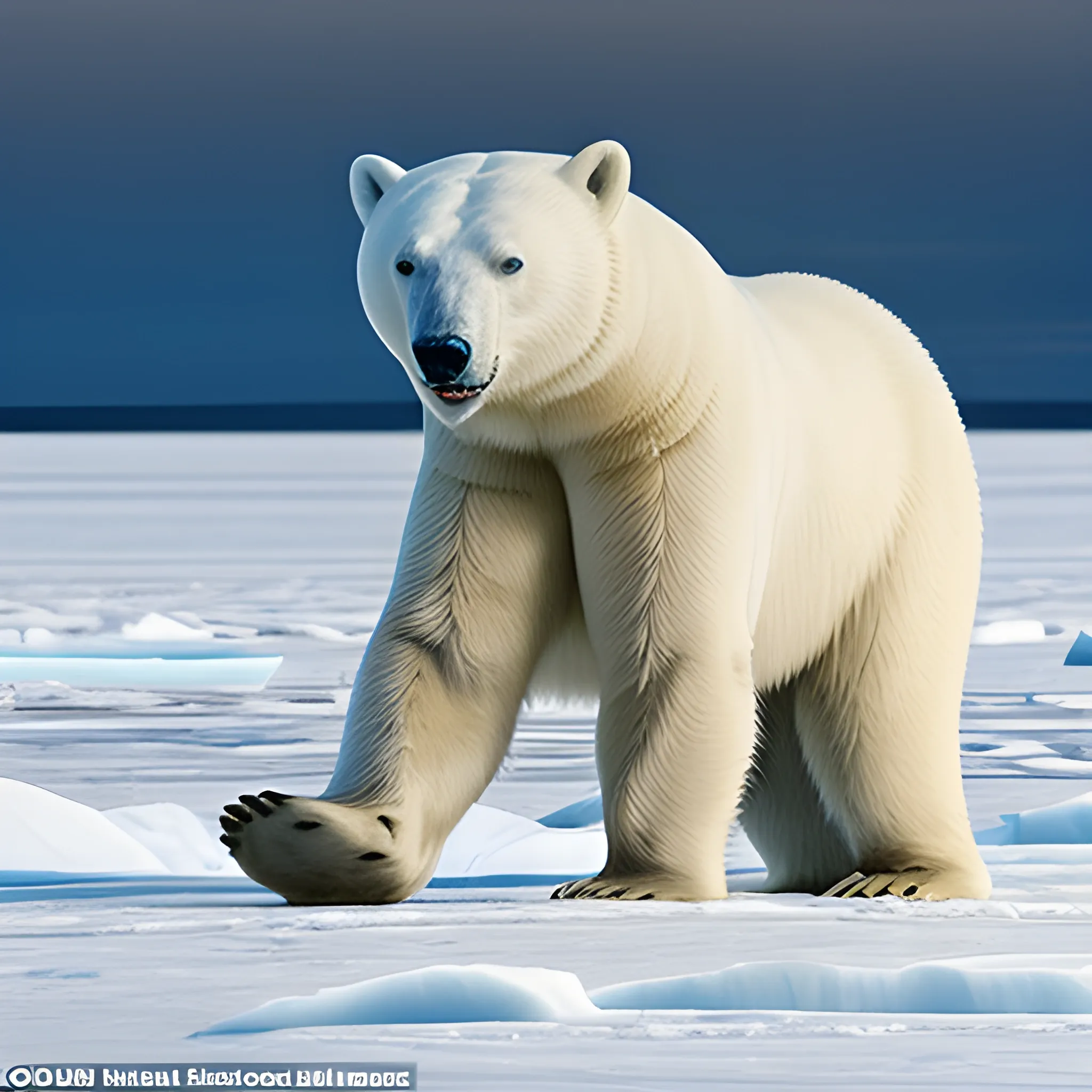
Appearance: The polar bear is an imposing and majestic creature that roams the icy , frozen expanses of the polar regions. Its most distinctive feature is its dense , white fur , which provides excellent camouflage against the snow and ice. Polar bears have black skin , which helps them absorb and retain heat from the sun. This unique adaptation helps them survive in the frigid temperatures of their habitat. Adult polar bears can reach heights of 8 to 10 feet when on their hind legs and can weigh anywhere from 900 to 1 , 600 pounds , making them one of the largest bear species. Features: Polar bears have a streamlined body shape and powerful limbs that make them excellent swimmers. Their large paws are equipped with sharp claws , which aid them in catching prey and providing traction on ice. Their keen sense of smell allows them to detect seals , their primary food source , from great distances. Their jaws are incredibly strong , allowing them to crush through thick ice to access breathing holes of seals. Habitat: Polar bears are uniquely adapted to live in the Arctic regions , where they inhabit ice floes , coastlines , and pack ice. In your DND world , they might roam the frozen wastelands , guarding their territory and hunting for seals and other Arctic creatures. Behavior: Polar bears are solitary animals and are well-adapted to the harsh conditions of the Arctic. They are opportunistic predators , mainly preying on seals , but they may also scavenge on carcasses and eat vegetation if necessary. Polar bears are excellent swimmers and can travel long distances over ice and open water in search of food. Role in the World: In your DND world , polar bears might symbolize the resilience and adaptability of life in extreme environments. They could be revered by Arctic-dwelling tribes or seen as protectors of the icy wilderness. Druids and rangers with a connection to the Arctic might find a spiritual affinity with polar bears. Encountering a polar bear in the Arctic could be a rare and awe-inspiring sight for adventurers. Due to their remote habitat , polar bear encounters might be infrequent but incredibly memorable. In your campaign , adventurers might have opportunities to observe polar bears from a distance , engage in non-combat interactions , or witness their powerful hunting prowess. However , as with any wild predator , provoking or engaging in combat with a polar bear would be a dangerous endeavor , as they are incredibly strong and capable predators. ,

Create an image with have five people dressed in urban white and black clothing pose in front of a red sphere in the center of Santiago of chile. The images will be taken with a professional camera at sunset , while people walk at high speed behind the sphere. Use a DSLR camera with a large sensor and a wide-angle lens with a wide aperture , such as f/2.8 or f/1.4 , to capture the entire scene and context behind the red sphere. Adjust the ISO value to 400 and the shutter speed to at least 1/100 second to capture the movement of people walking behind the sphere at high speed. Use manual exposure mode and adjust the white balance according to the lighting conditions at sunset to get accurate color tones and a more realistic image. ,
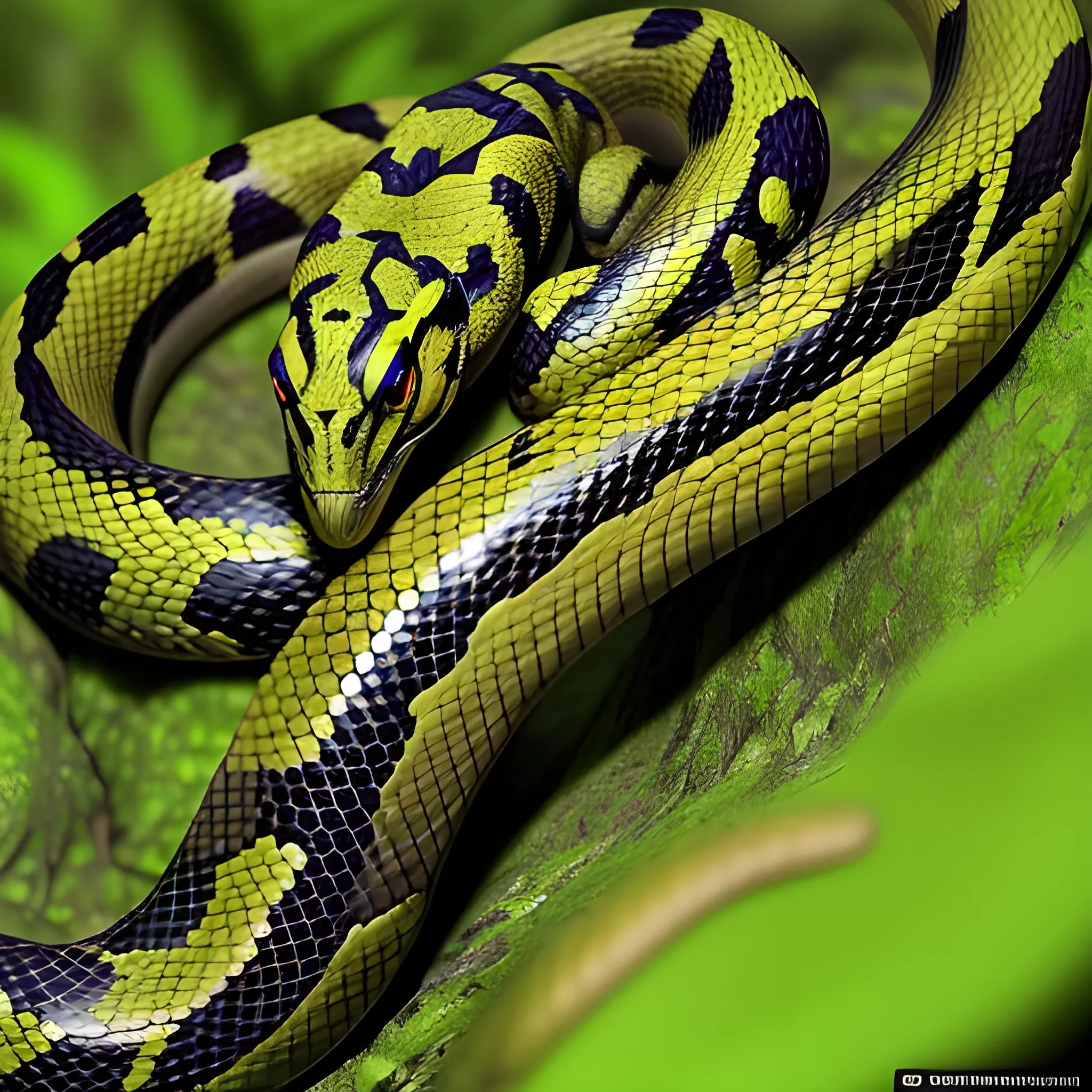
Appearance: The Poisonous Snake is a small to medium-sized reptile with a slender body and a distinctive pattern of scales. Its colors can vary widely , from vibrant and striking patterns to more muted earth tones , helping it blend into its natural surroundings. The snake's head is triangular , and it has a pair of fangs at the front of its mouth , through which it delivers its venom. Features: The Poisonous Snake is known for its venomous bite , which it uses to incapacitate its prey and defend itself from threats. Its venom can vary in potency , from causing mild discomfort to being deadly , depending on the species. While not as powerful as the venom of more dangerous creatures , the Poisonous Snake's bite can still cause considerable harm to unwary adventurers. Habitat: Poisonous Snakes can be found in a wide range of environments , from dense jungles and forests to dry deserts and grasslands. They are highly adaptable creatures and can thrive in various conditions , making them a common sight in untamed wilderness areas. Behavior: The Poisonous Snake is a stealthy predator , relying on its camouflage and patience to ambush its prey. It strikes quickly and accurately , using its venom to immobilize and begin the process of consuming its victim. Poisonous Snakes are generally non-aggressive towards larger creatures , preferring to flee rather than confront a potential threat. Role in the World: In your DND world , Poisonous Snakes could serve as common dangers in the wild , particularly in regions where adventurers explore untamed territories. Druids and rangers might have a connection with these creatures , viewing them as part of the natural balance. Encountering a Poisonous Snake in the wild can be a common and potentially hazardous event for adventurers. While they are generally not aggressive , they may strike if they feel threatened or cornered. Players might need to exercise caution and use skills such as animal handling or survival to avoid confrontations with these venomous reptiles. If adventurers do find themselves bitten , they must act quickly to counteract the effects of the venom and avoid more serious consequences. The presence of Poisonous Snakes in your campaign adds an element of realism and danger to the wilderness. Players will need to be vigilant and watchful during their travels , as the risk of encountering these venomous creatures is ever-present. Poisonous Snakes can also serve as a minor but meaningful challenge , especially for lower-level adventurers , teaching them the importance of preparation and awareness in the untamed wilderness. ,
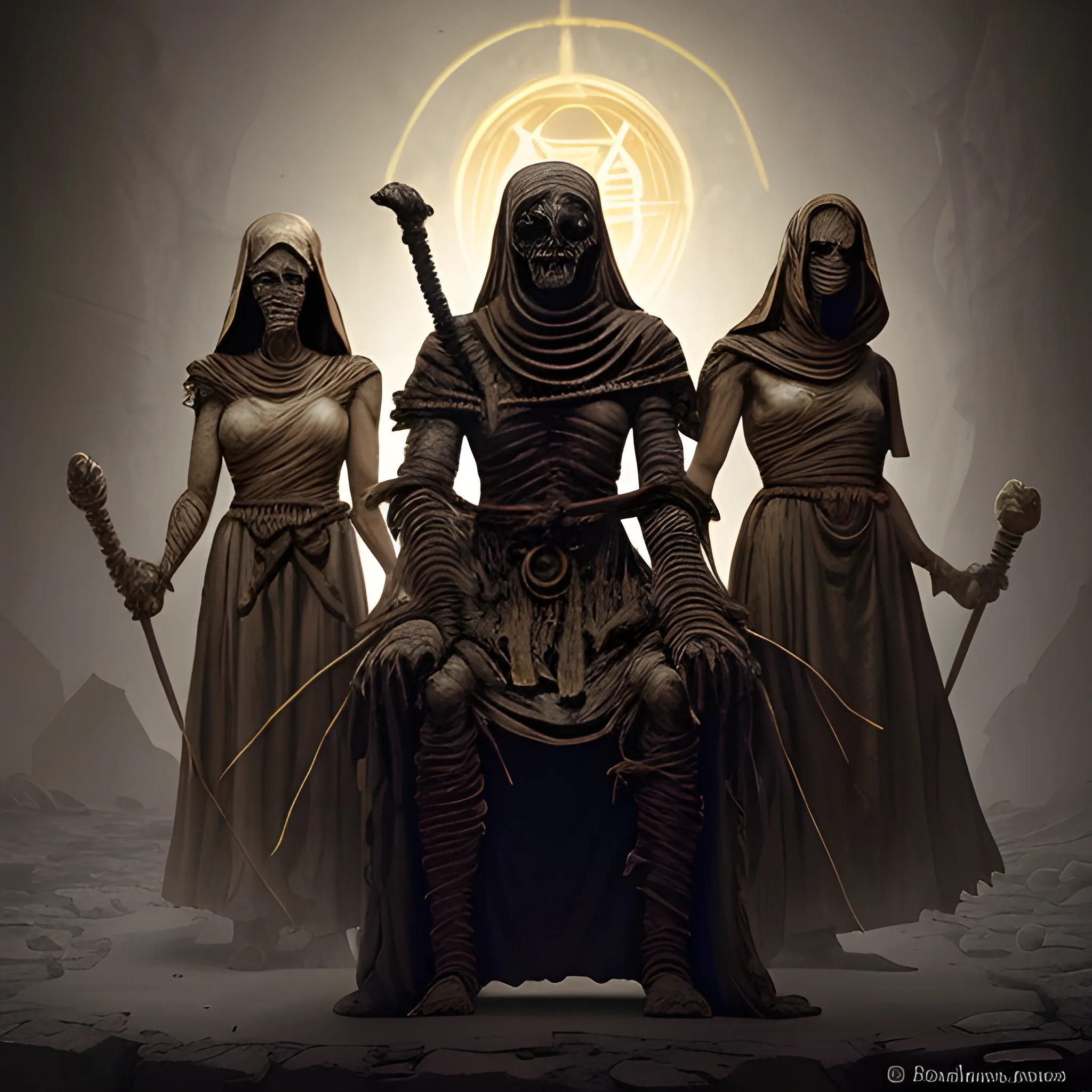
Appearance: A Mummy is an undead creature that was once a living being but has been preserved through dark magic and rituals. Its flesh has desiccated over time , leaving behind a shriveled and withered form. The Mummy's skin is often taut and dry , with a mummified appearance , and it may be adorned with ancient wrappings and burial garments. Its eyes glow with an eerie and malevolent light , a sign of the unnatural magic that sustains its existence. Features: Mummies are imbued with unholy strength and resilience , making them formidable foes in combat. They are immune to many common conditions , such as exhaustion and being charmed or frightened. Additionally , their touch carries a deadly curse that can afflict those they strike , causing the victim's flesh to wither and age rapidly. Habitat: Mummies are often found in ancient tombs , crypts , or burial sites where they were originally laid to rest. They may also be encountered in places of dark magic or necromantic influence , guarding ancient relics or carrying out the will of malevolent spellcasters. Behavior: Mummies are driven by a malevolent and unyielding purpose , often seeking revenge on those who disturbed their resting place or fulfilling some ancient oath or curse. As undead creatures , they have no emotions or desires , existing solely to enact their nefarious intent. Role in the World: In your DND world , Mummies could be the remnants of once-powerful individuals , priests , or pharaohs who sought immortality through dark rituals. They might be associated with ancient curses , guarding sacred treasures or ancient knowledge. Mummies could also serve as pawns of evil necromancers or malevolent entities seeking to spread their influence in the mortal realm. Encountering a Mummy in your campaign is a harrowing and perilous event for adventurers. Their curse-inflicting touch can rapidly age and weaken even the most stalwart of warriors. Players might need to uncover ancient lore or utilize specific magical items to protect themselves from the curse's effects. Holy magic or radiant damage can be particularly effective against these undead creatures , and players must be well-prepared to stand a chance against the Mummy's formidable strength and unholy powers. The presence of Mummies in your world can create an atmosphere of mystery and danger , adding an element of ancient history and eerie dread to the exploration of tombs and ruins. Players will need to be cautious and resourceful when dealing with these malevolent undead , as Mummies can prove to be one of the most formidable challenges they face in their quest for adventure and glory. ,
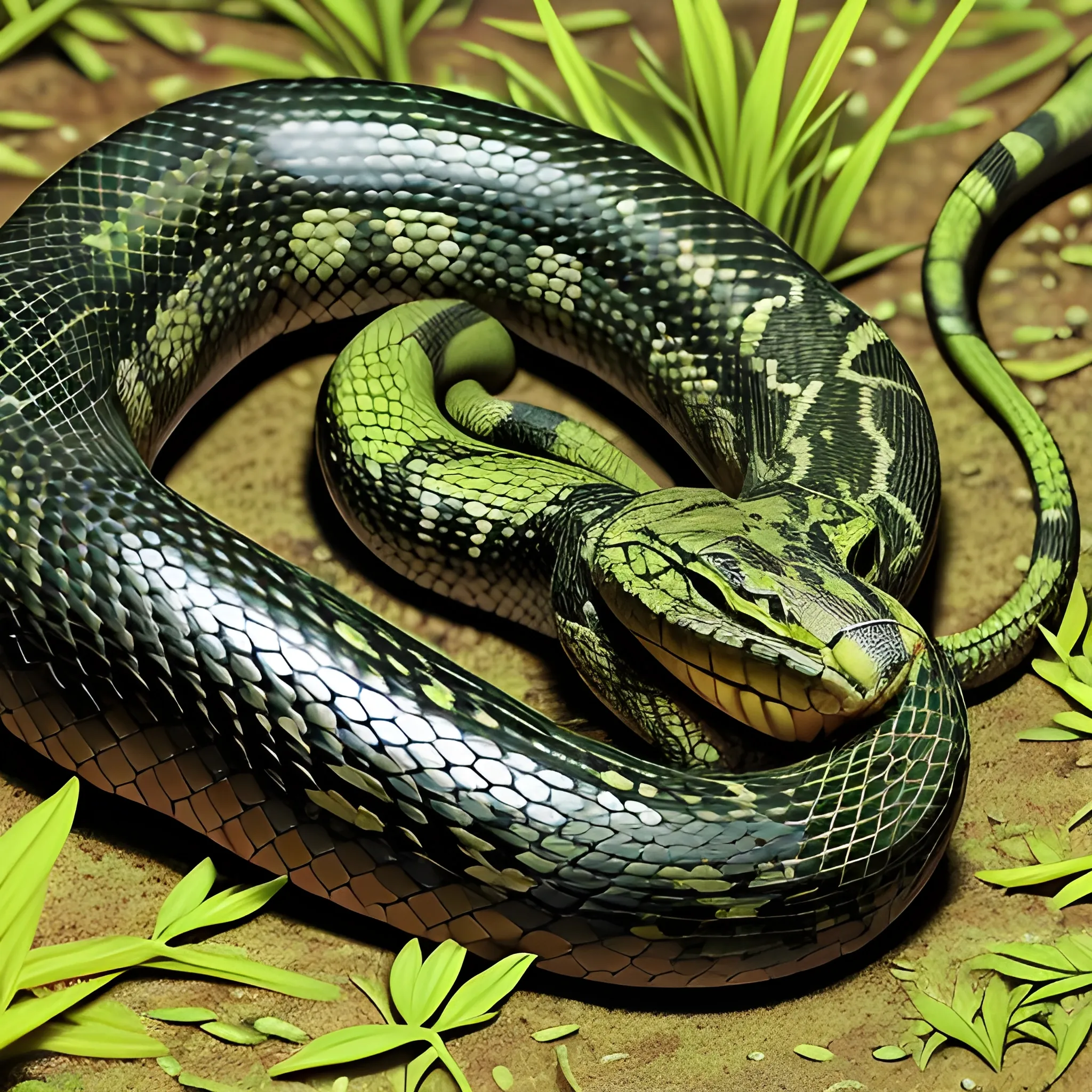
Appearance: The Poisonous Snake is a small to medium-sized reptile with a slender body and a distinctive pattern of scales. Its colors can vary widely , from vibrant and striking patterns to more muted earth tones , helping it blend into its natural surroundings. The snake's head is triangular , and it has a pair of fangs at the front of its mouth , through which it delivers its venom. Features: The Poisonous Snake is known for its venomous bite , which it uses to incapacitate its prey and defend itself from threats. Its venom can vary in potency , from causing mild discomfort to being deadly , depending on the species. While not as powerful as the venom of more dangerous creatures , the Poisonous Snake's bite can still cause considerable harm to unwary adventurers. Habitat: Poisonous Snakes can be found in a wide range of environments , from dense jungles and forests to dry deserts and grasslands. They are highly adaptable creatures and can thrive in various conditions , making them a common sight in untamed wilderness areas. Behavior: The Poisonous Snake is a stealthy predator , relying on its camouflage and patience to ambush its prey. It strikes quickly and accurately , using its venom to immobilize and begin the process of consuming its victim. Poisonous Snakes are generally non-aggressive towards larger creatures , preferring to flee rather than confront a potential threat. Role in the World: In your DND world , Poisonous Snakes could serve as common dangers in the wild , particularly in regions where adventurers explore untamed territories. Druids and rangers might have a connection with these creatures , viewing them as part of the natural balance. Encountering a Poisonous Snake in the wild can be a common and potentially hazardous event for adventurers. While they are generally not aggressive , they may strike if they feel threatened or cornered. Players might need to exercise caution and use skills such as animal handling or survival to avoid confrontations with these venomous reptiles. If adventurers do find themselves bitten , they must act quickly to counteract the effects of the venom and avoid more serious consequences. The presence of Poisonous Snakes in your campaign adds an element of realism and danger to the wilderness. Players will need to be vigilant and watchful during their travels , as the risk of encountering these venomous creatures is ever-present. Poisonous Snakes can also serve as a minor but meaningful challenge , especially for lower-level adventurers , teaching them the importance of preparation and awareness in the untamed wilderness. ,

Man wearing post-apocalyptic attire: Gender: A man in his late thirties. Hair: Short and rough , with some gray strands showing signs of survival in harsh conditions. Unkempt but reflecting a life filled with constant struggle. Face: His face is worn , with scars and a light stubble of a few days' growth. His eyes are sharp – one clouded from an old injury , giving him an intimidating appearance. Clothing: Jacket: A dark , torn , and battered leather jacket with visible patches and rips , adorned with small metal spikes serving as makeshift armor. The jacket looks like it's been through numerous battles and still holds up. ,

Comets are celestial bodies composed of ice , dust , and rock that orbit the sun. They often have a distinctive tail that trails behind them as they move through space. Comets can be seen from Earth with the naked eye and have fascinated astronomers and the general public for centuries. Comets are thought to originate from two different regions of the solar system: the Kuiper Belt and the Oort Cloud. When a comet's orbit brings it close enough to the sun , the heat causes the ice to vaporize and release dust and gas , which form the comet's tail. Comets have been associated with many different cultural beliefs and traditions throughout history. In some cultures , comets were seen as harbingers of doom or omens of significant events. In others , they were considered to be messengers from the gods or bringers of good luck. Scientists study comets to learn more about the early solar system and the conditions that existed when it was formed. The study of comets has also helped scientists understand the composition of other bodies in the solar system , such as asteroids and planets. In summary , comets are fascinating celestial bodies that have captured the imagination of people for centuries. They provide insight into the history and formation of the solar system , and continue to be an important area of study for astronomers and scientists today. ,


Create a realistic , full-body portrait of a 22-year-old man standing tall at 1.85 meters with a slender build. He is dressed in a worn-out , sleeveless vest layered over a long black raincoat that reaches his knees , suggesting exposure to harsh conditions. For his lower half , he wears black camouflaged military pants , slightly tattered at the edges , and completes the look with sturdy military boots , showing signs of wear from his experiences. His face portrays a sense of exhaustion and weariness , with eyes resembling striking white pearls that appear fatigued and haunted. Prominent dark circles beneath his eyes further emphasize the hardships he has endured. Notably , there is a visible scar near his left eye , a mark of past struggles that has added to his rugged appearance. His hair is styled in a striking white Mohawk cut , showcasing a prominent crest that adds an element of fierceness to his overall demeanor. The hair , like the rest of his appearance , should be depicted with attention to detail and realism. The image should capture the essence of a determined yet battle-worn individual , evoking a profound sense of strength and resilience. The viewer should feel a deep connection to the man's journey , reflecting the challenges he has faced and the perseverance he embodies ,

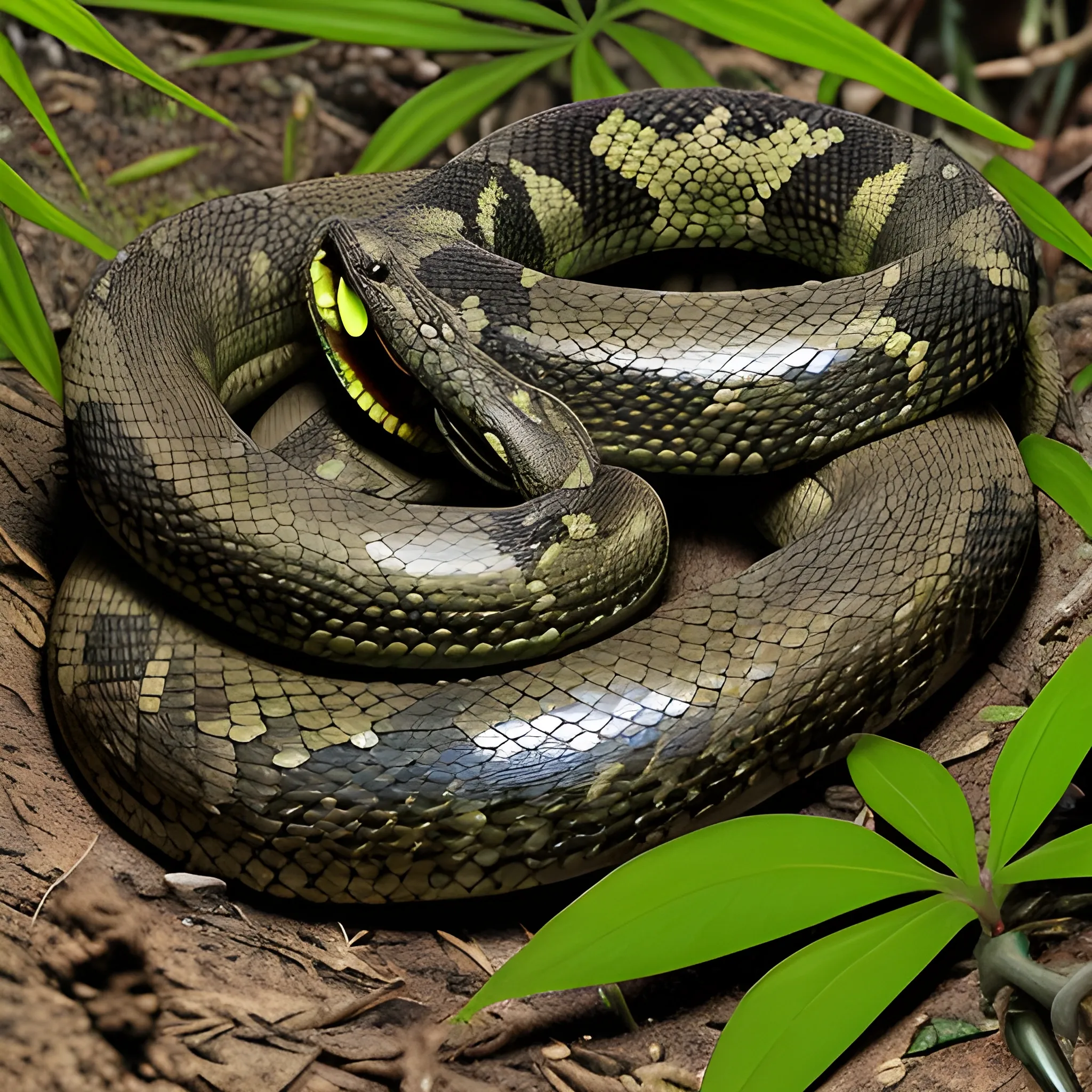
Appearance: The Poisonous Snake is a small to medium-sized reptile with a slender body and a distinctive pattern of scales. Its colors can vary widely , from vibrant and striking patterns to more muted earth tones , helping it blend into its natural surroundings. The snake's head is triangular , and it has a pair of fangs at the front of its mouth , through which it delivers its venom. Features: The Poisonous Snake is known for its venomous bite , which it uses to incapacitate its prey and defend itself from threats. Its venom can vary in potency , from causing mild discomfort to being deadly , depending on the species. While not as powerful as the venom of more dangerous creatures , the Poisonous Snake's bite can still cause considerable harm to unwary adventurers. Habitat: Poisonous Snakes can be found in a wide range of environments , from dense jungles and forests to dry deserts and grasslands. They are highly adaptable creatures and can thrive in various conditions , making them a common sight in untamed wilderness areas. Behavior: The Poisonous Snake is a stealthy predator , relying on its camouflage and patience to ambush its prey. It strikes quickly and accurately , using its venom to immobilize and begin the process of consuming its victim. Poisonous Snakes are generally non-aggressive towards larger creatures , preferring to flee rather than confront a potential threat. Role in the World: In your DND world , Poisonous Snakes could serve as common dangers in the wild , particularly in regions where adventurers explore untamed territories. Druids and rangers might have a connection with these creatures , viewing them as part of the natural balance. Encountering a Poisonous Snake in the wild can be a common and potentially hazardous event for adventurers. While they are generally not aggressive , they may strike if they feel threatened or cornered. Players might need to exercise caution and use skills such as animal handling or survival to avoid confrontations with these venomous reptiles. If adventurers do find themselves bitten , they must act quickly to counteract the effects of the venom and avoid more serious consequences. The presence of Poisonous Snakes in your campaign adds an element of realism and danger to the wilderness. Players will need to be vigilant and watchful during their travels , as the risk of encountering these venomous creatures is ever-present. Poisonous Snakes can also serve as a minor but meaningful challenge , especially for lower-level adventurers , teaching them the importance of preparation and awareness in the untamed wilderness. ,


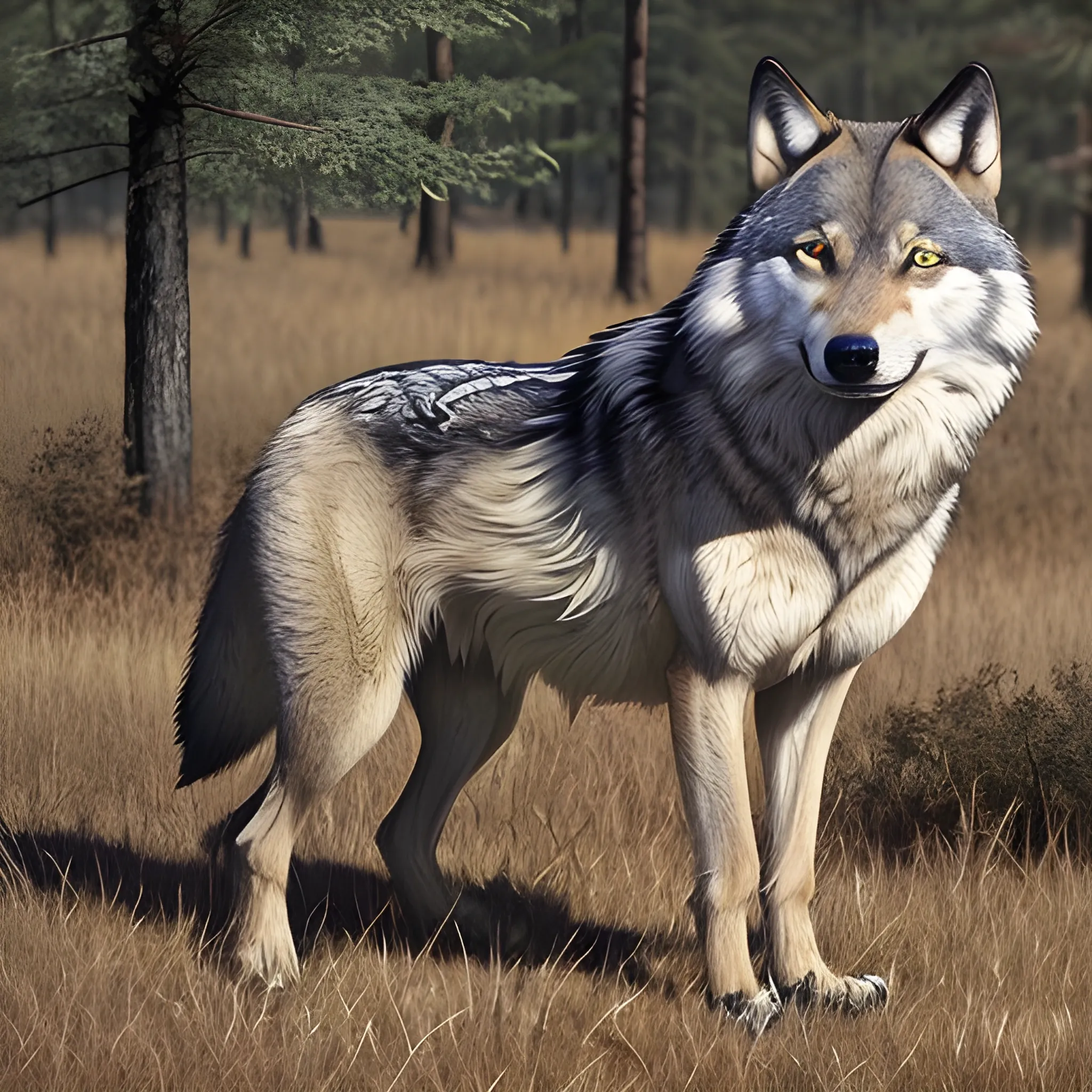
Appearance: The wolf is a majestic and intelligent creature that roams the untamed wilderness of your DND world. Wolves have a lean and muscular build , with a fur coat that can vary in color , including shades of gray , brown , black , and white. Their fur is usually thick and provides protection against harsh weather conditions. Adult wolves typically stand around 2 to 3 feet tall at the shoulder and can weigh between 60 to 150 pounds , with males being larger than females. Features: Wolves have keen senses , including exceptional hearing and a powerful sense of smell. Their sharp teeth and strong jaws are designed for hunting and consuming a wide range of prey. They have long legs , allowing them to cover great distances quickly when pursuing prey or patrolling their territory. Wolves' paws have well-developed pads , enabling them to move silently and skillfully through various terrains. Habitat: Wolves are highly adaptable creatures and can be found in a variety of habitats , including forests , grasslands , and tundra. They often inhabit remote and untouched regions , away from human settlements. In your DND world , they might roam vast stretches of wilderness or even be associated with specific forested areas. Behavior: Wolves are social animals , living in close-knit packs led by an alpha male and female. They exhibit strong family bonds , working together to hunt and protect their territory. In your DND world , packs of wolves might be seen as symbols of loyalty , teamwork , and the balance of nature. Lone wolves could also be encountered , either as solitary hunters or as outcasts from their original packs. Role in the World: In your DND world , wolves might play an essential role in the ecosystem , helping to control the populations of herbivores and maintaining a healthy balance in the natural environment. Druids and rangers might have a special connection with wolves , viewing them as guardians of the wild and emblems of freedom. Encountering wolves in the wild could present various opportunities for adventurers. They might have chances to peacefully observe wolves from a distance or use animal handling skills to communicate with them. In certain situations , adventurers could witness the social dynamics of a wolf pack or even be assisted by friendly wolves in their quests. However , engaging in combat with a pack of wolves could be a challenging encounter , as their coordinated attacks and pack mentality make them formidable predators. ,