Search Results for Predator
Explore AI generated designs, images, art and prompts by top community artists and designers.




A Fragmented Echoes Montage of a fantasy Predator-woman with green-lemon glowing eyes , standing on the edge of mountain rock in mid-night , Mayan wild-Elemental Sword in his hands inscribed with raw elemental energy speeding through a mountain pass , where overlapping images create a sense of movement via Data Mosh: Employ azure and amber to create the distorted perspective , revealing the true form when viewed correctly , ,

A Fragmented Echoes Montage of a predator stand front of it with body with green-lemon glowing eyes riding on the back of a red Whale in underwater , holding the Trident in crystal glass , multiple exposure with many layers , motion speed , wielding a silver halberd , group of vibrant Mermaid's quickly fly around the layers of the sky's interior , layered with Employ azure and amber to create the distorted perspective , revealing the true form when viewed correctly ,

A character fusion between Hulk and Predator , in his right hand is a menacing , blood-drenched battle axe that gleams ominously in the pale winter light standing near window. A breathtaking view of outside window a futuristic Underworld Realm , designed as a massive walls structure floating in the cosmos. The interior of the spacecraft reveals a meticulously planned city with lush green areas , shimmering small ponds (A battleship-shaped spaceship performs warp travel.:2.0) , (sf:2.0) , (A streamlined Underworld resembling the battleship:2.0) , emphasizing the scale and grandeur of the structure ,

A breathtaking view of outside window a futuristic Underworld Realm , designed as a massive walls structure floating in the cosmos. The interior of the spacecraft reveals a meticulously planned city with lush green areas , shimmering small ponds and A character fusion between Hulk and Predator , in his right hand is a menacing , blood-drenched battle axe that gleams ominously in the pale winter light standing near window. (A battleship-shaped spaceship performs warp travel.:2.0) , (sf:2.0) , (A streamlined Underworld resembling the battleship:2.0) , emphasizing the scale and grandeur of the structure ,

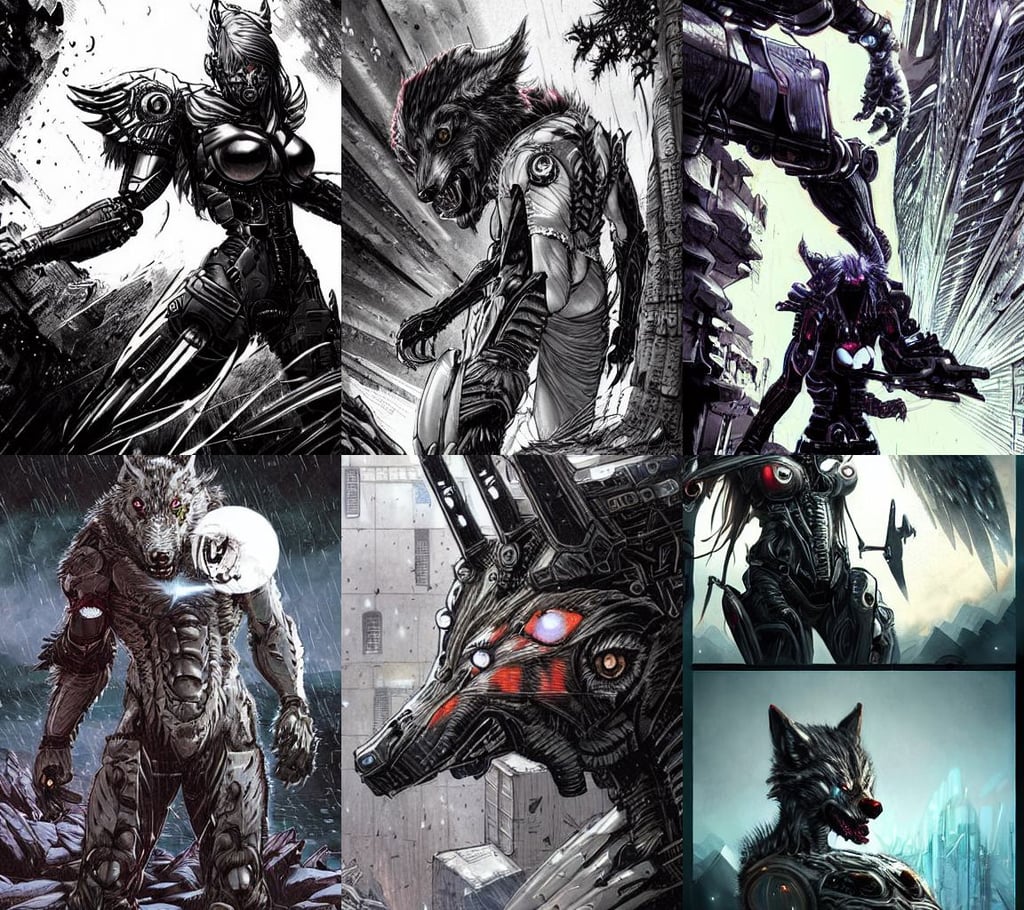
an angry cyborg wolf apex predator. intricate , illustration by Greg Rutkowski , arctic composition , a demon girl and a angel girl kissing , works by artgerm and greg rutkowski , calm night. Over shoulder shot , art by shintaro kago and carne griffiths , black and white color scheme!!! ( ( snowy glaciated robotic dystopian city background ) ) , comic book by Alex Ross and Adam Adamowicz cover art , mandy jurgens trending on artstation 8 k 1 5 0 mpx , wow!!!!!! , red and yellow , with phantom servants in background , Fred Tomaselli , artgerm 2. 0 , rusty metal plating , subtropical plants ,

a photorealistic dramatic hyperrealistic portrait render of predator the alien hunter , art by wlop and artgerm and greg rutkowski and alphonse mucha and kidmo , shaved!! , detailed space graphics in background , liosh , soviet , dramatic scene , photography by haris nukem , worthlessness , graphic art , realistic shaded Perfect face , soft lustrous biotech raver white clowncore infant cyborg , sacred tiger , red wine , peter morbacher , very vey very detailed face , newspapers flying in the background , digital concept art , 3 5 mm!!!!! photography , parted in the middle , rpg style ,


Predator humanoid , complex 3d render ultra detailed of a beautiful porcelain profile warrior android face , cyborg , robotic parts , 150 mm , beautiful studio soft light , rim light , vibrant details , luxurious cyberpunk , hyperrealistic , anatomical , facial muscles , cable electric wires , blades , futuristic weapons , microchip , elegant , beautiful background , octane render , 8k ,
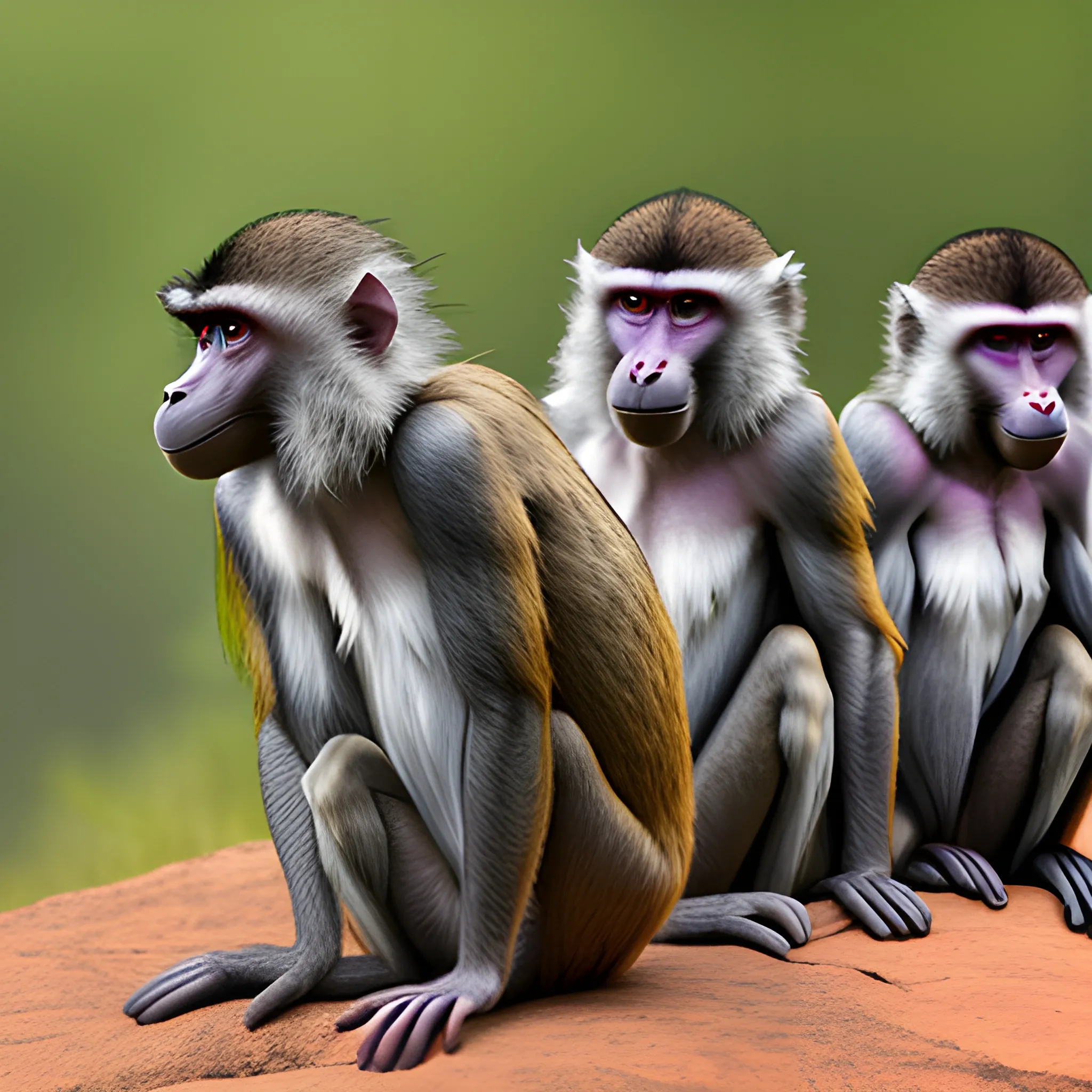
Appearance: The Baboon is a medium-sized primate with a distinctive and charismatic appearance. It has a robust and muscular body , covered in short fur that can range in color from brown to gray or even olive-green. Baboons have a dog-like snout , sharp teeth , and a hairless face with prominent cheek pouches , which they use to store food. They have long arms and powerful legs , allowing them to move quickly and with agility. Features: Baboons are highly social creatures , living in close-knit troops that can consist of a few individuals to larger groups. Their intelligence and adaptability enable them to survive in various environments , from lush jungles to arid savannahs. They are known for their strong social hierarchy and complex communication , using vocalizations , gestures , and facial expressions to convey emotions and intentions. Habitat: Baboons are versatile animals that can thrive in a range of habitats , including forests , grasslands , and mountainous regions. They are often found near water sources , as they require regular access to drinking water. In your DND world , baboons might inhabit areas with lush vegetation or live in proximity to humanoid settlements , scavenging for food scraps. Behavior: Baboons are opportunistic omnivores , with a varied diet that includes fruits , leaves , seeds , insects , and small animals. They are skilled climbers and can use their agility to escape predators or reach high-up food sources. Baboons are known for their playfulness , engaging in social interactions , grooming , and even games with each other. Role in the World: In your DND world , baboons could serve as a part of the natural ecosystem or be associated with certain deities or nature spirits. Druids and rangers might have a special connection with baboons , viewing them as symbols of adaptability and community. Encountering baboons in the wild could present various opportunities for adventurers. They might have non-combat interactions with the primates , such as observing their social behaviors or using animal handling skills to communicate with them. Baboons could also play a role in quests involving local tribes or settlements , where their presence might be considered either beneficial or problematic depending on the circumstances. While not inherently aggressive , baboons can defend themselves and their troop if they feel threatened , making it essential for adventurers to approach them with respect and caution. ,

Scary predatory face with a repeating line of contours and background , multi-layered lines , COLOR drawing , vector style , closed contours , At a neglected railway platform , an out-of-service train boasts luminous graffiti. The area , overrun by jungle-like vegetation and crisscrossed by abandoned tracks , is engulfed in mist. Created Using: urban exploration theme , glowing murals , jungle-like vegetation , fog-covered ambiance , dramatic framing , true-to-life detail , early morning glow. , Cartoon ,
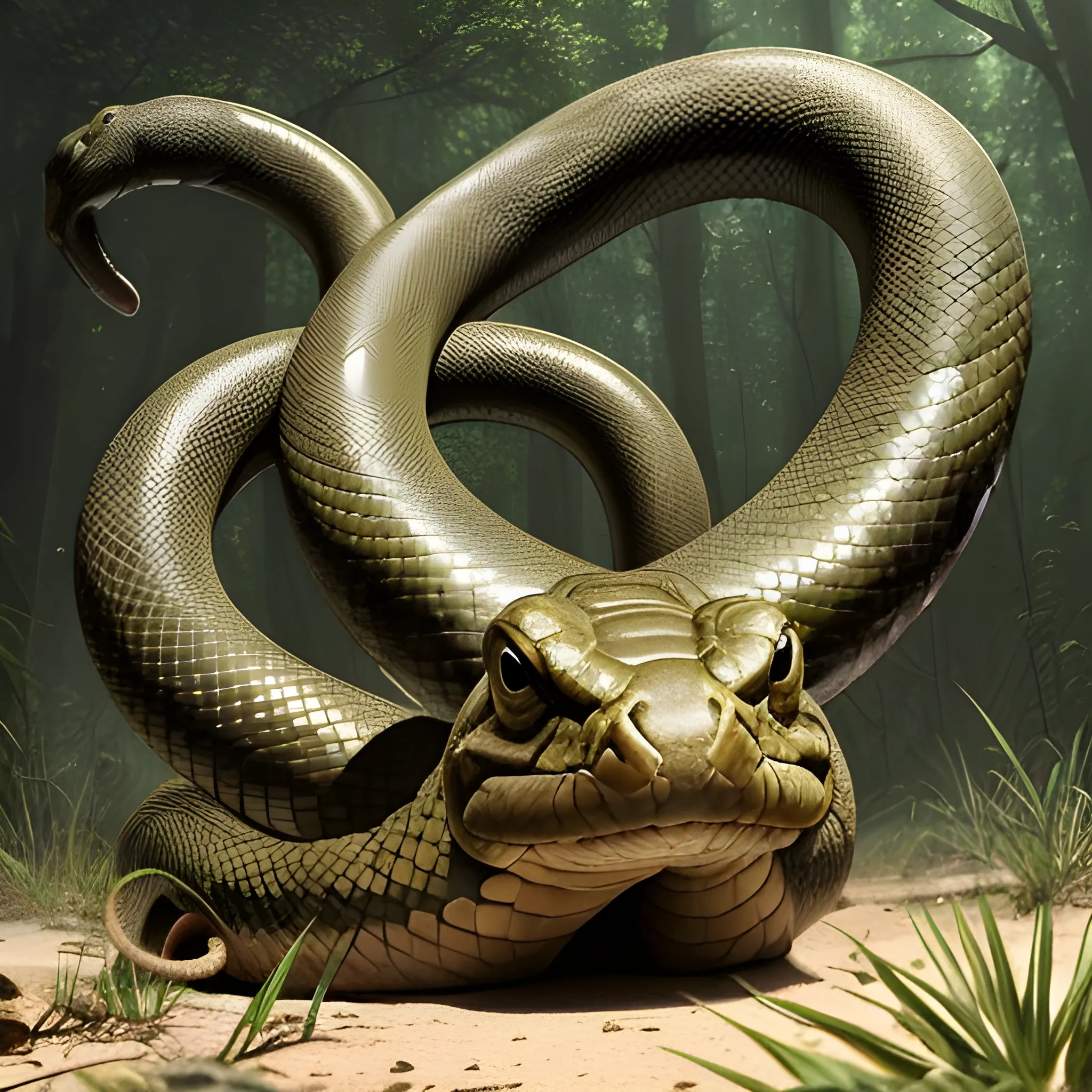
Appearance: The Giant Constrictor Snake is an enormous and intimidating reptile , a massive version of its smaller counterpart. It is a sight to behold , with a length that can reach up to 30 feet or more and a girth that makes it a formidable predator. The snake's scales can have various colors , ranging from earthy browns and greens to patterns that blend in with its environment. Its head is large and triangular , equipped with sharp teeth for grasping and holding its prey. Features: As its name suggests , the Giant Constrictor Snake possesses immense strength , allowing it to overpower and crush prey with its powerful coils. Despite its size , the snake is incredibly agile and swift , capable of striking with lightning speed when attacking. It is a non-venomous predator , relying on its constriction technique to subdue and immobilize its prey before consuming it. Habitat: Giant Constrictor Snakes are usually found in areas with an abundance of large prey , such as dense jungles , swamps , and even underground tunnels or caves. They are equally at home in terrestrial environments or in aquatic habitats , making them versatile hunters. In your DND world , they might inhabit untamed wilderness areas , guarding ancient ruins , or lurking near water sources. Behavior: Like their smaller counterparts , Giant Constrictor Snakes are solitary creatures and prefer to hunt alone. They are opportunistic predators , preying on a wide range of creatures , from smaller animals to larger beasts. Giant Constrictor Snakes have a keen sense of smell , which allows them to detect potential prey from a distance. Role in the World: In your DND world , Giant Constrictor Snakes could be apex predators , feared and respected by other creatures in their territory. They might be guardians of sacred places or serve as the subjects of local legends. Druids and rangers might view them as powerful symbols of the untamed and natural world. Encountering a Giant Constrictor Snake in the wild is a perilous and memorable experience for adventurers. The snake's size and strength make it a deadly foe , capable of overpowering even well-armored individuals. Players must exercise extreme caution and strategic thinking when dealing with these formidable predators. Fighting a Giant Constrictor Snake often involves a combination of ranged attacks , mobility , and teamwork to avoid its crushing coils and deliver damaging blows. The presence of Giant Constrictor Snakes in your campaign can add an element of danger and excitement to wilderness encounters , making players wary of exploring areas where these colossal serpents might lurk. ,
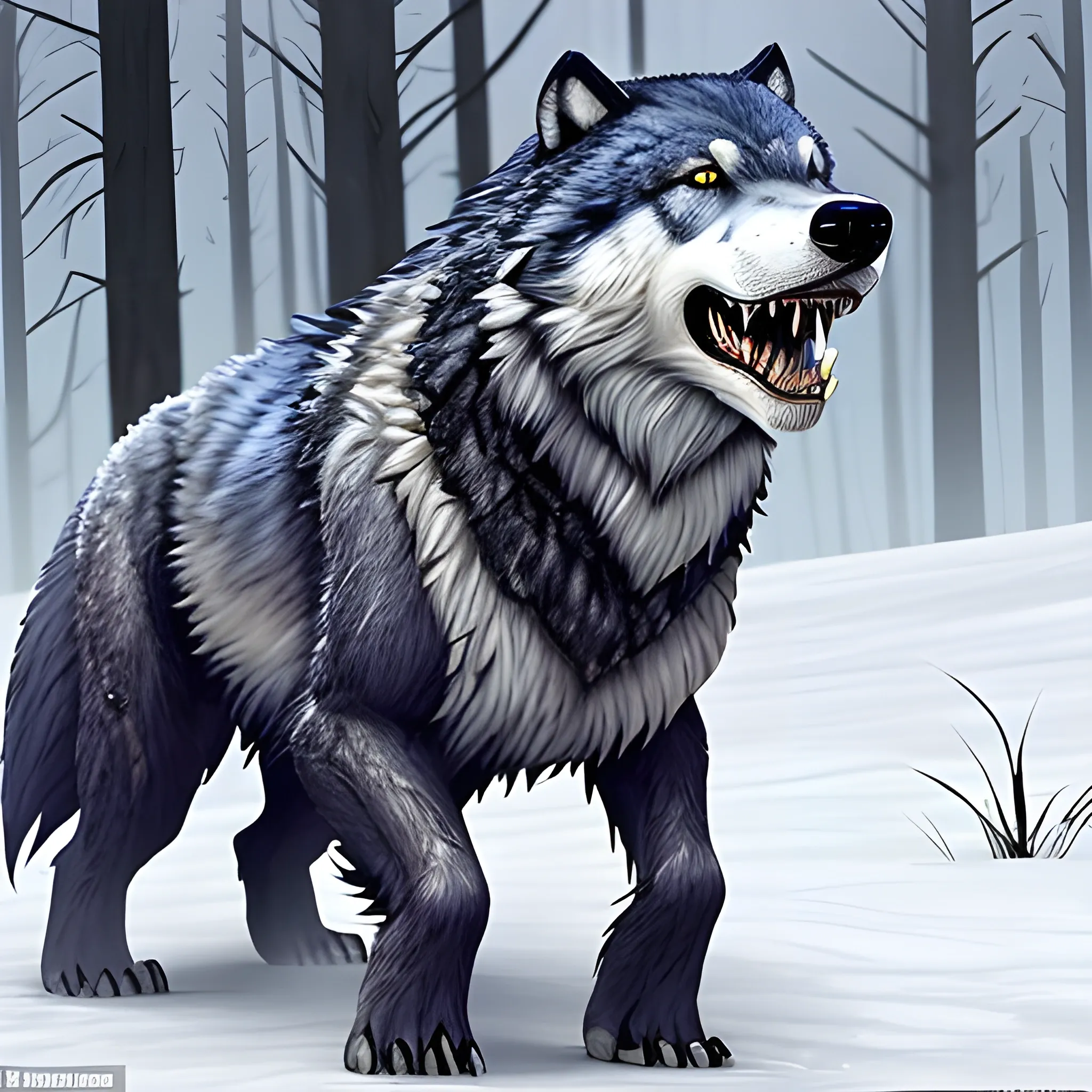
Appearance: The dire wolf is a massive and fearsome creature , closely related to the regular wolf but significantly larger and more imposing. It stands at around 4 to 5 feet tall at the shoulder and can weigh up to 800 pounds or more , dwarfing its smaller cousins. Its fur coat is thick and usually ranges in color from gray to black , providing excellent camouflage in various environments. The dire wolf's powerful jaws and sharp teeth make it a formidable predator in the wild. Features: The dire wolf shares many features with regular wolves but possesses even more enhanced physical capabilities. Its heightened strength , speed , and endurance make it a top-tier predator , capable of taking down large prey with ease. The dire wolf's large , muscular build and powerful limbs give it the advantage of overwhelming its opponents in combat. Habitat: Dire wolves tend to inhabit the wildest and most remote regions of your DND world , far away from civilization. They can be found in dense forests , icy tundras , and even rugged mountainous terrain. As apex predators , they rule over their territories and command respect from other creatures in their domain. Behavior: Like their smaller counterparts , dire wolves are social creatures that often form packs to hunt and survive. They exhibit strong loyalty to their packmates , and the alpha pair leads the group with a mix of intelligence and ferocity. Dire wolves are skilled hunters and work together to bring down formidable prey , such as large mammals and even other monstrous creatures. ,
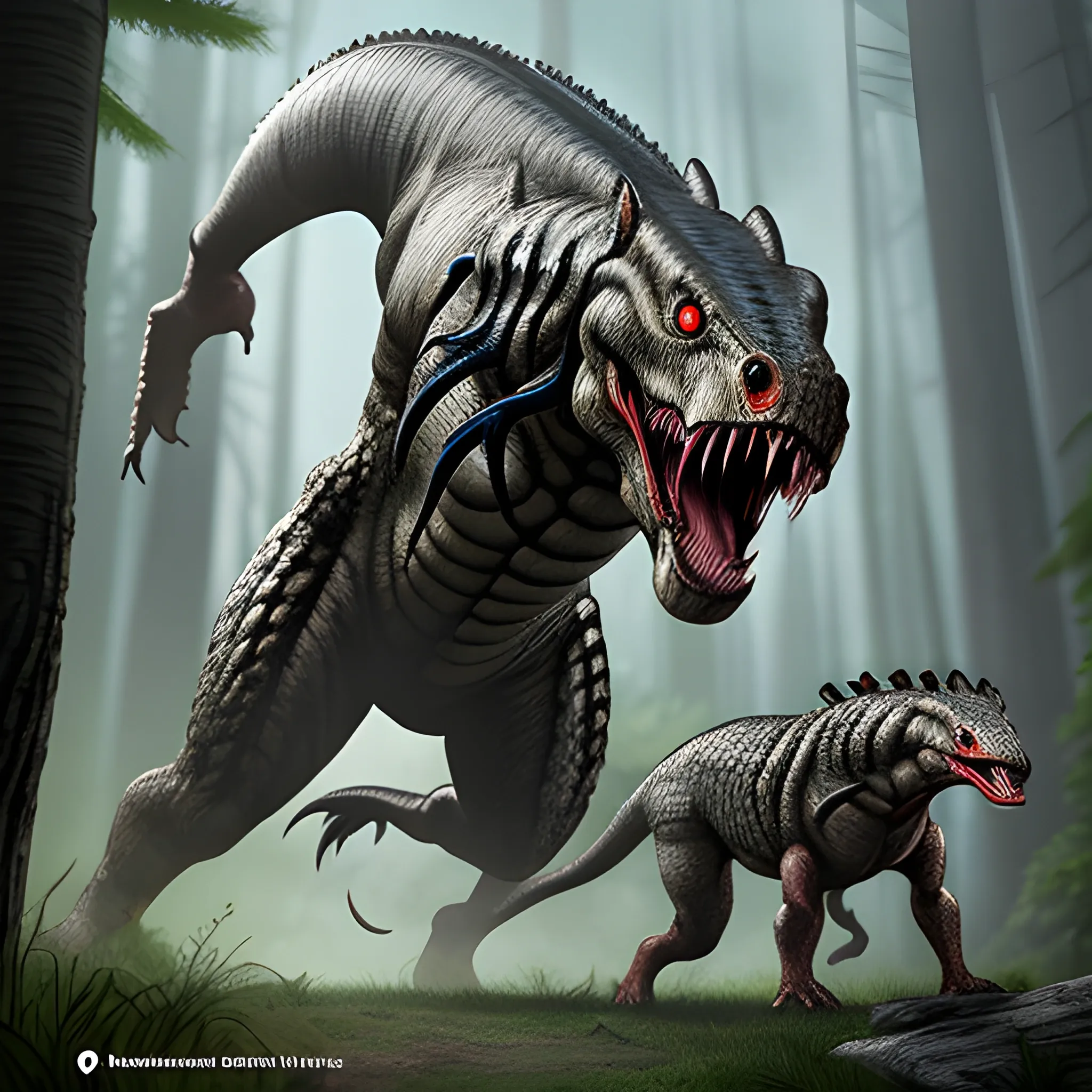

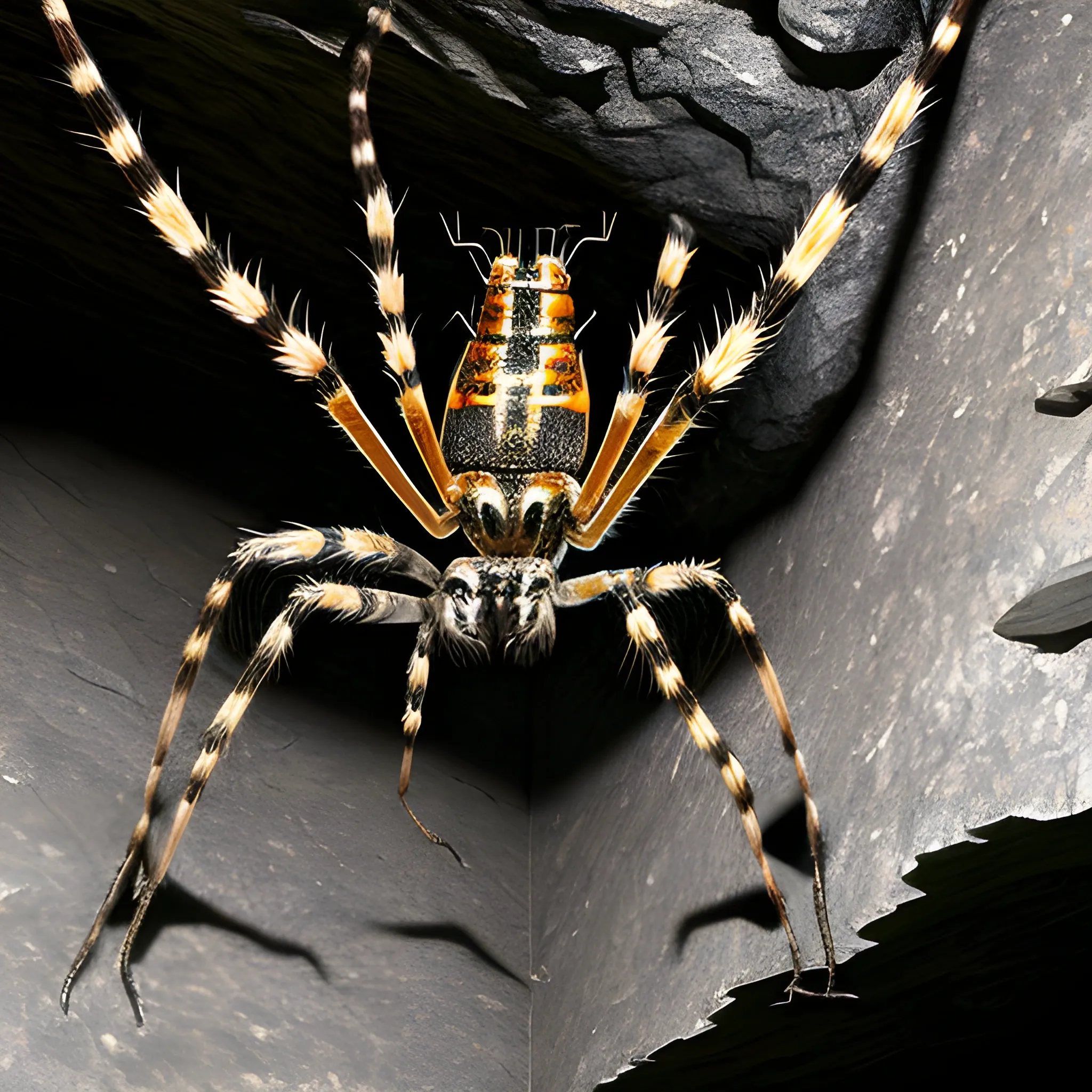
Appearance: The Giant Wolf Spider is an enormous arachnid , resembling a regular wolf spider but scaled up to a terrifying size. It has long , hairy legs , and its body can be up to 3 feet in length. The spider's exoskeleton is a mix of dark brown and black , camouflaging it in shadows and making it hard to spot in dimly lit environments. Its multiple eyes gleam with an eerie luminescence , providing it with excellent night vision. Features: Giant Wolf Spiders possess venomous fangs that they use to paralyze their prey. While their venom is not usually fatal to human-sized creatures , it can cause temporary paralysis and intense pain. They are incredibly agile and quick , making them adept ambush predators. Habitat: Giant Wolf Spiders are most commonly found in dark and damp environments , such as caves , forests , and subterranean tunnels. They are skilled at weaving complex webs that serve as both traps for their prey and a means to detect nearby movement. Behavior: These arachnids are solitary creatures and prefer to hunt alone. Despite their size , they are surprisingly stealthy and capable of stalking their prey unnoticed until they strike. They are skilled climbers and can scale walls and ceilings with ease. Role in the World: In your DND world , Giant Wolf Spiders might be common threats in certain regions , especially in dense forests or caves. They could be encountered as natural inhabitants of the wilderness or serve as guardians to ancient ruins and abandoned places. Their venomous bite and ability to ensnare their prey in webs make them formidable foes for adventurers. Encountering a Giant Wolf Spider in your campaign could lead to tense and suspenseful moments. The spiders might ambush adventurers , trying to paralyze them with their venom before delivering a deadly bite. Players might need to exercise caution and utilize strategies to counter the spider's agility and web traps effectively. Additionally , the presence of Giant Wolf Spiders can add an element of danger and fear to the wild and untamed areas of your world , making players wary of what lurks in the shadows and the darkness. ,
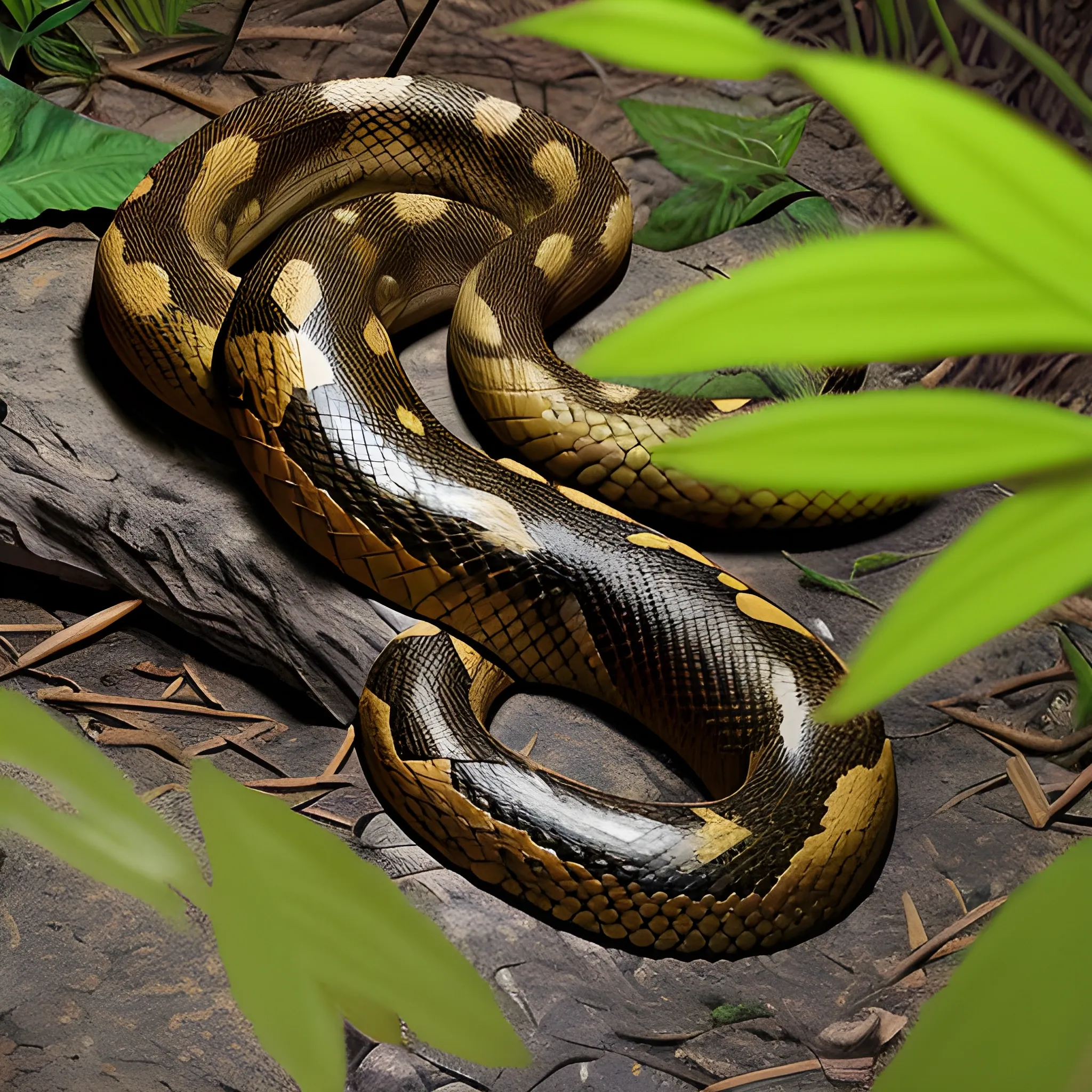
Appearance: The Poisonous Snake is a small to medium-sized reptile with a slender body and a distinctive pattern of scales. Its colors can vary widely , from vibrant and striking patterns to more muted earth tones , helping it blend into its natural surroundings. The snake's head is triangular , and it has a pair of fangs at the front of its mouth , through which it delivers its venom. Features: The Poisonous Snake is known for its venomous bite , which it uses to incapacitate its prey and defend itself from threats. Its venom can vary in potency , from causing mild discomfort to being deadly , depending on the species. While not as powerful as the venom of more dangerous creatures , the Poisonous Snake's bite can still cause considerable harm to unwary adventurers. Habitat: Poisonous Snakes can be found in a wide range of environments , from dense jungles and forests to dry deserts and grasslands. They are highly adaptable creatures and can thrive in various conditions , making them a common sight in untamed wilderness areas. Behavior: The Poisonous Snake is a stealthy predator , relying on its camouflage and patience to ambush its prey. It strikes quickly and accurately , using its venom to immobilize and begin the process of consuming its victim. Poisonous Snakes are generally non-aggressive towards larger creatures , preferring to flee rather than confront a potential threat. Role in the World: In your DND world , Poisonous Snakes could serve as common dangers in the wild , particularly in regions where adventurers explore untamed territories. Druids and rangers might have a connection with these creatures , viewing them as part of the natural balance. Encountering a Poisonous Snake in the wild can be a common and potentially hazardous event for adventurers. While they are generally not aggressive , they may strike if they feel threatened or cornered. Players might need to exercise caution and use skills such as animal handling or survival to avoid confrontations with these venomous reptiles. If adventurers do find themselves bitten , they must act quickly to counteract the effects of the venom and avoid more serious consequences. The presence of Poisonous Snakes in your campaign adds an element of realism and danger to the wilderness. Players will need to be vigilant and watchful during their travels , as the risk of encountering these venomous creatures is ever-present. Poisonous Snakes can also serve as a minor but meaningful challenge , especially for lower-level adventurers , teaching them the importance of preparation and awareness in the untamed wilderness. ,


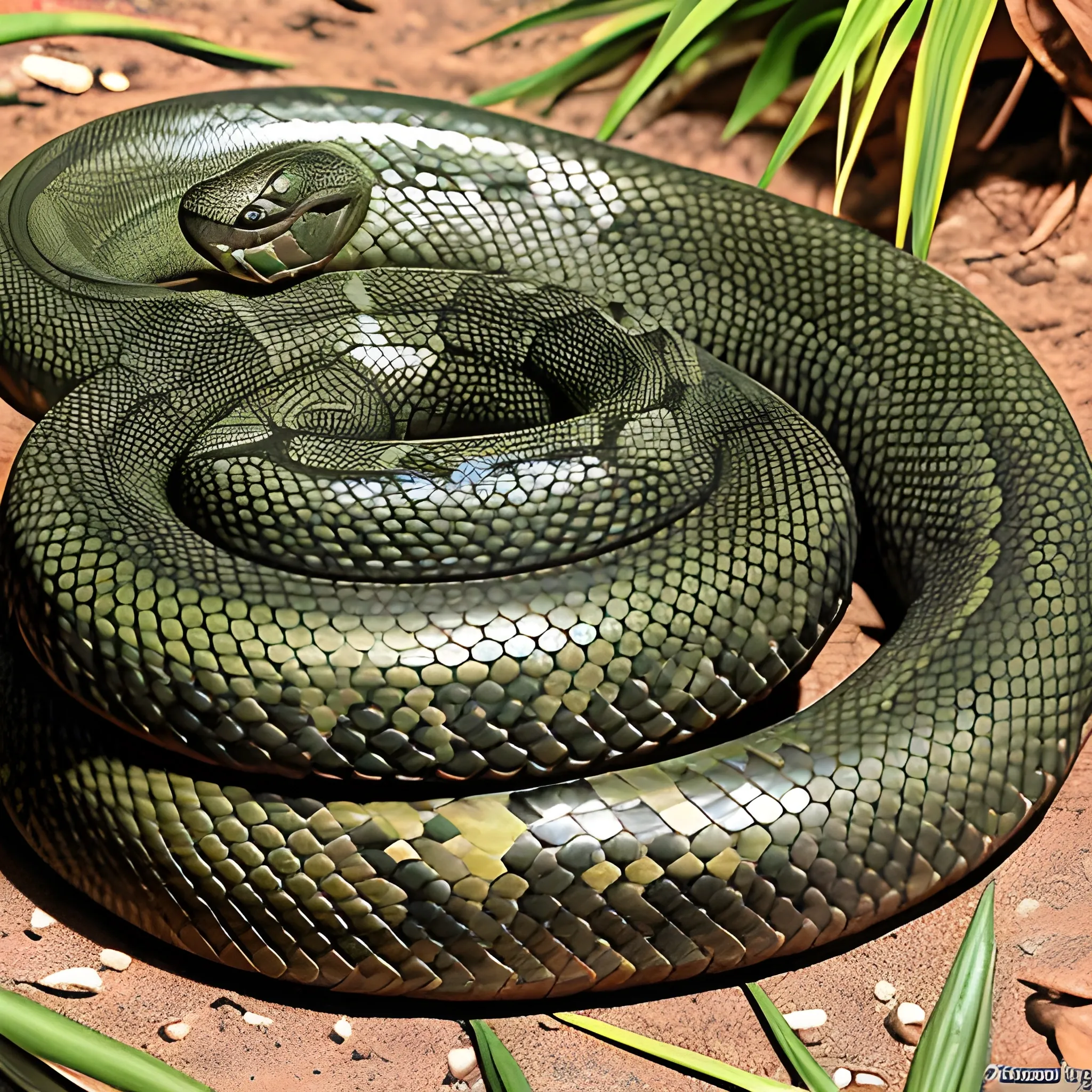
Appearance: The Constrictor Snake is a long and powerful reptile , known for its impressive ability to squeeze and suffocate its prey. It typically has a slender and muscular body , covered in scales that can vary in color from dull brown and green to vibrant patterns. Constrictor snakes have sharp , recurved teeth designed to grip and hold their prey as they constrict it. They are typically non-venomous and rely on their powerful constriction to subdue their victims. Features: The Constrictor Snake is a stealthy predator , relying on its keen senses to locate prey and ambush it. Its long , forked tongue allows it to taste the air and track potential food sources. Once it catches its prey , the snake coils around it , using its powerful muscles to squeeze and immobilize it. This method of hunting allows the snake to subdue prey larger than its mouth , as it doesn't need to swallow the victim whole. Habitat: Constrictor Snakes are found in a wide range of environments , from dense jungles and swamps to arid deserts and grasslands. They prefer warm climates and can be active both during the day and at night. In your DND world , they might inhabit untamed wilderness areas or hidden lairs , waiting for prey to pass by. Behavior: Constrictor snakes are generally solitary creatures , except during mating season. They are non-aggressive toward larger creatures , preferring to avoid confrontation when possible. When hunting , they rely on stealth and patience to surprise their prey. Their constriction technique is highly effective , allowing them to overpower and devour a variety of creatures. Role in the World: In your DND world , Constrictor Snakes could be a common predator in certain regions , often preying on small to medium-sized creatures. Druids and rangers might have a connection with these snakes , viewing them as symbols of balance in the natural world. Encountering a Constrictor Snake in the wild could be a challenging and potentially dangerous situation for adventurers. While they are not typically aggressive toward larger creatures , they may perceive humanoids as potential threats if they feel cornered or provoked. Players might need to exercise caution and use appropriate skills , such as animal handling or survival , to safely navigate through areas where these snakes are known to dwell. If adventurers find themselves facing a Constrictor Snake , they must be prepared for a battle of strength and wits , as the snake's constricting abilities can be deadly if not dealt with carefully. ,

Appearance: The polar bear is an imposing and majestic creature that roams the icy , frozen expanses of the polar regions. Its most distinctive feature is its dense , white fur , which provides excellent camouflage against the snow and ice. Polar bears have black skin , which helps them absorb and retain heat from the sun. This unique adaptation helps them survive in the frigid temperatures of their habitat. Adult polar bears can reach heights of 8 to 10 feet when on their hind legs and can weigh anywhere from 900 to 1 , 600 pounds , making them one of the largest bear species. Features: Polar bears have a streamlined body shape and powerful limbs that make them excellent swimmers. Their large paws are equipped with sharp claws , which aid them in catching prey and providing traction on ice. Their keen sense of smell allows them to detect seals , their primary food source , from great distances. Their jaws are incredibly strong , allowing them to crush through thick ice to access breathing holes of seals. Habitat: Polar bears are uniquely adapted to live in the Arctic regions , where they inhabit ice floes , coastlines , and pack ice. In your DND world , they might roam the frozen wastelands , guarding their territory and hunting for seals and other Arctic creatures. Behavior: Polar bears are solitary animals and are well-adapted to the harsh conditions of the Arctic. They are opportunistic predators , mainly preying on seals , but they may also scavenge on carcasses and eat vegetation if necessary. Polar bears are excellent swimmers and can travel long distances over ice and open water in search of food. Role in the World: In your DND world , polar bears might symbolize the resilience and adaptability of life in extreme environments. They could be revered by Arctic-dwelling tribes or seen as protectors of the icy wilderness. Druids and rangers with a connection to the Arctic might find a spiritual affinity with polar bears. Encountering a polar bear in the Arctic could be a rare and awe-inspiring sight for adventurers. Due to their remote habitat , polar bear encounters might be infrequent but incredibly memorable. In your campaign , adventurers might have opportunities to observe polar bears from a distance , engage in non-combat interactions , or witness their powerful hunting prowess. However , as with any wild predator , provoking or engaging in combat with a polar bear would be a dangerous endeavor , as they are incredibly strong and capable predators. ,
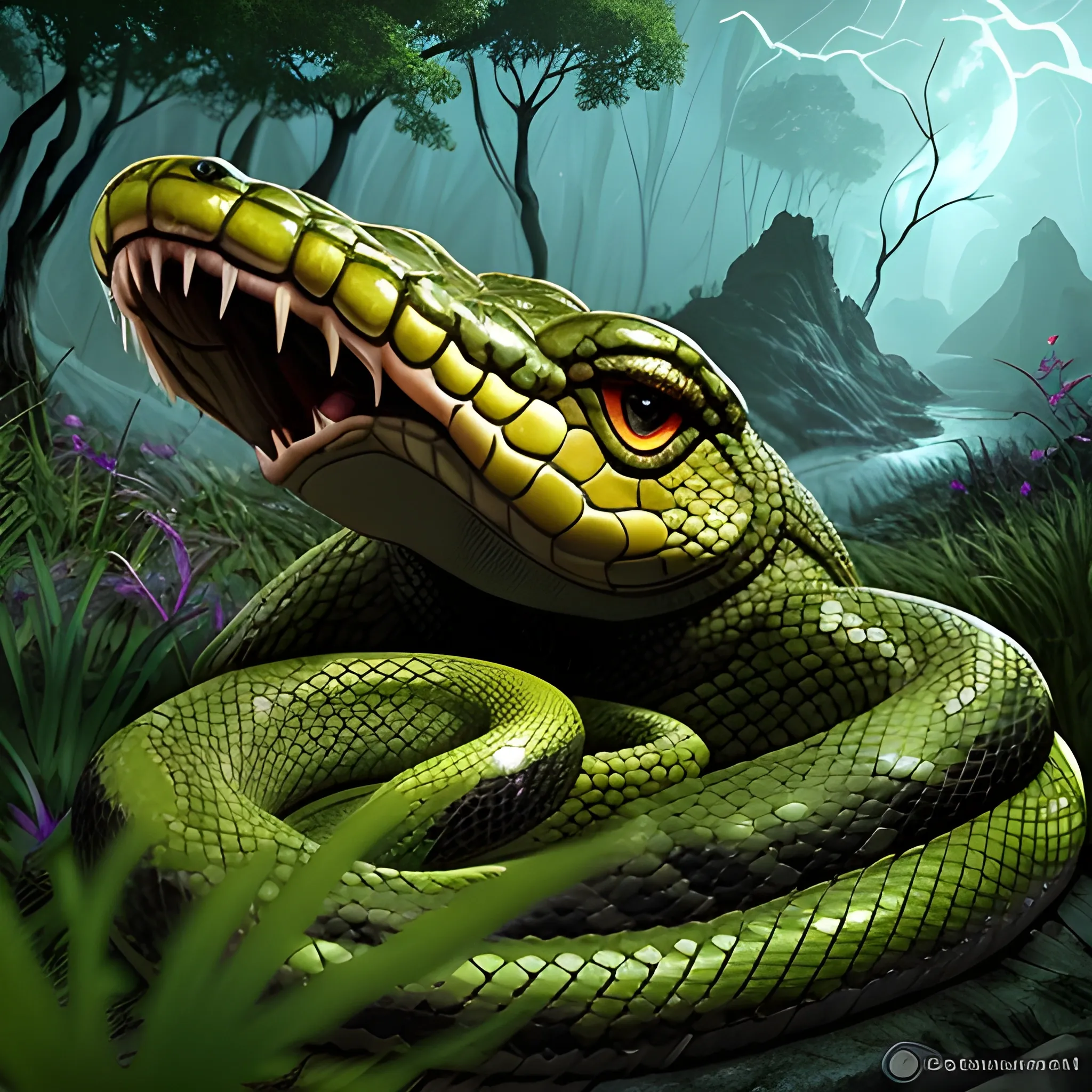
Appearance: The Giant Poisonous Snake is a massive and fearsome reptile , much larger than its smaller counterpart. It has a thick and muscular body , and its scales can have a range of colors , from mottled greens and browns to striking patterns that allow it to blend in with its surroundings. The snake's head is large and triangular , with a pair of long , hollow fangs through which it delivers its potent venom. Features: The Giant Poisonous Snake is known for its deadly venomous bite , which it uses to incapacitate and devour prey. Its venom is significantly more potent than that of its smaller cousin , making it a formidable threat to adventurers. A bite from a Giant Poisonous Snake can cause severe pain , paralysis , or even death , depending on the creature's size and resilience. Habitat: Giant Poisonous Snakes typically inhabit dense jungles , dark swamps , and other untamed wilderness areas. They prefer warm and humid environments and may be found in hidden lairs or lurking near water sources. In your DND world , they could guard sacred sites or serve as minions of malevolent beings. Behavior: Like their smaller counterparts , Giant Poisonous Snakes are stealthy predators , using their large size and camouflage to ambush prey. They strike swiftly and accurately , delivering their venom to immobilize their victims before consuming them. While generally non-aggressive , they may attack if they feel threatened or if potential prey ventures too close. Role in the World: In your DND world , Giant Poisonous Snakes could be apex predators in their habitat , feared and respected by other creatures. They might be associated with ancient legends or guarded by nature spirits. Druids and rangers might view them as symbols of balance and the wild's dangers. Encountering a Giant Poisonous Snake in the wild is a perilous and potentially deadly event for adventurers. The snake's venomous bite can have severe consequences , making quick thinking and decisive action essential to survive an encounter. Players must be well-prepared with protective spells , antidotes , or other means to counteract the venom's effects. The presence of Giant Poisonous Snakes in your campaign can create an atmosphere of danger and suspense , particularly in jungles or other untamed regions. Players will need to be vigilant and cautious during their explorations , as the looming threat of these massive venomous serpents adds an element of peril to their adventures. Giant Poisonous Snakes can serve as significant challenges for higher-level adventurers , reminding them of the dangers that still lurk even in seemingly familiar environments. ,
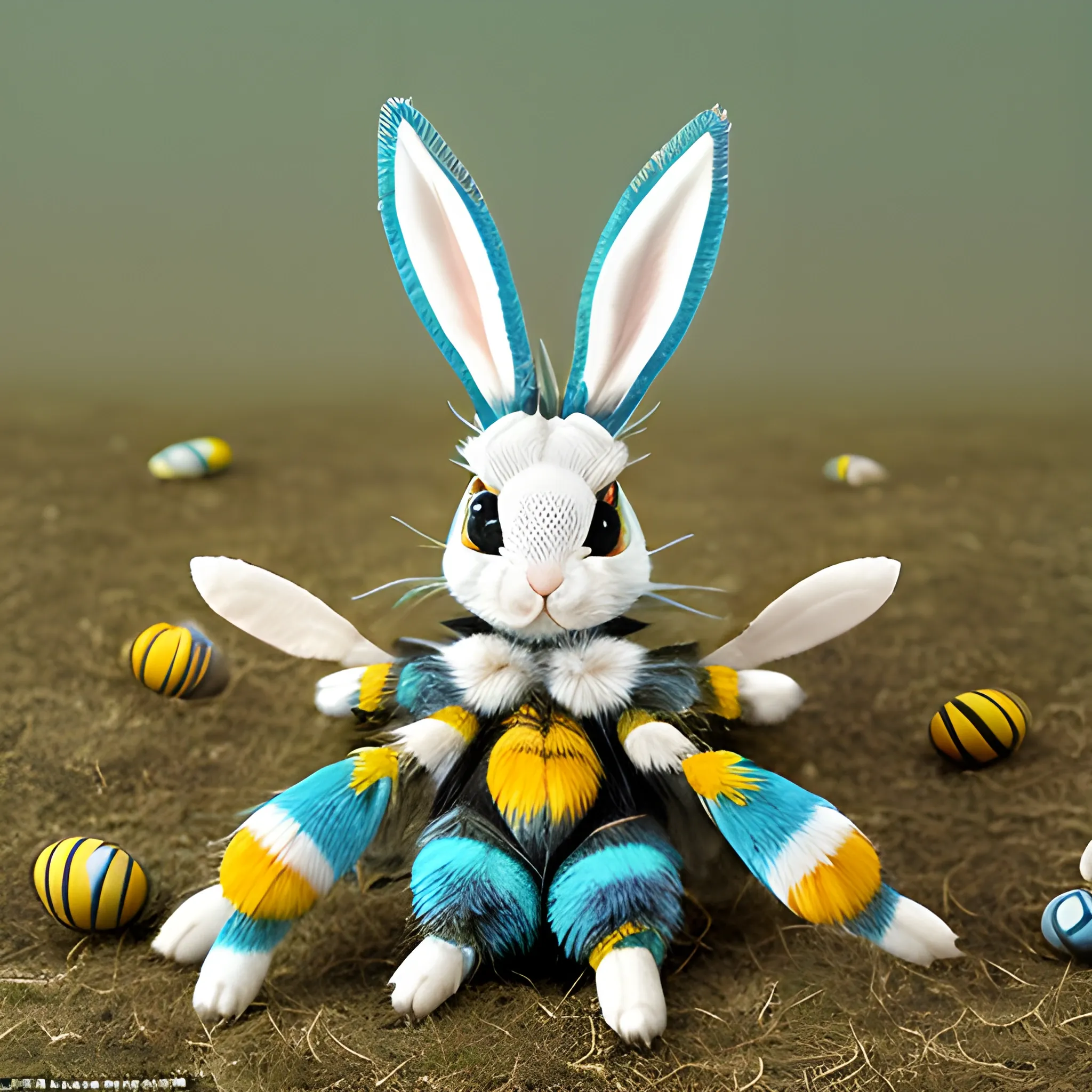
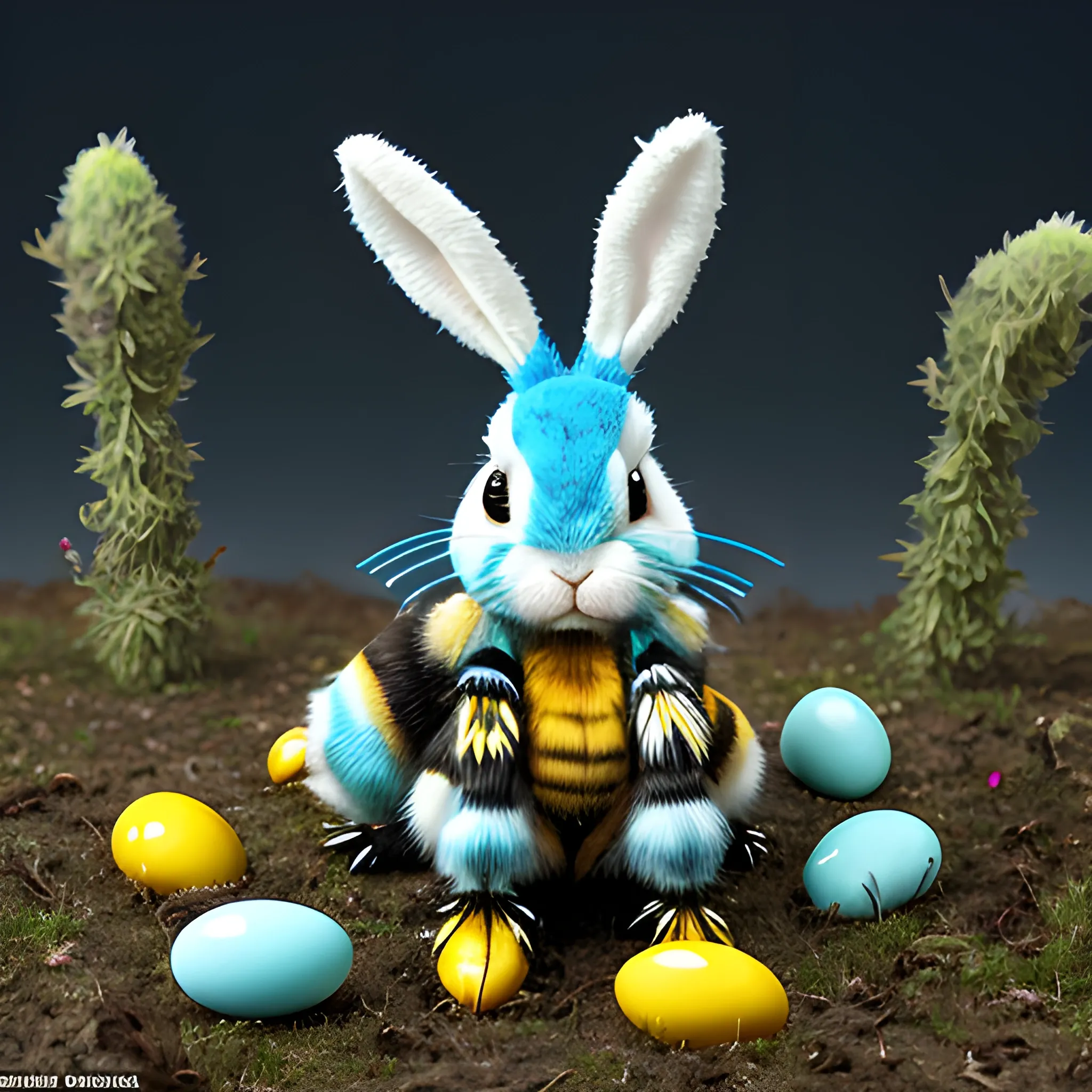
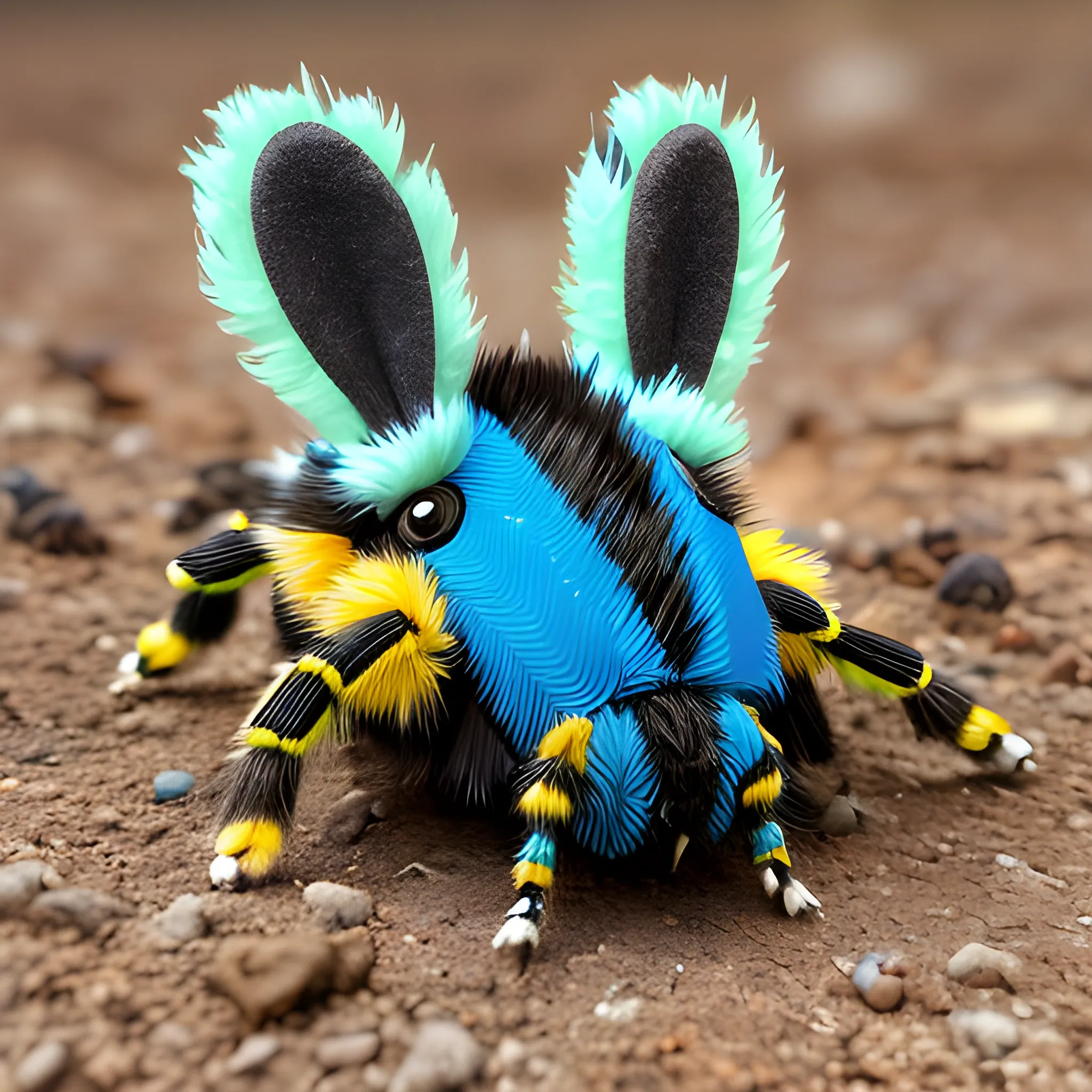
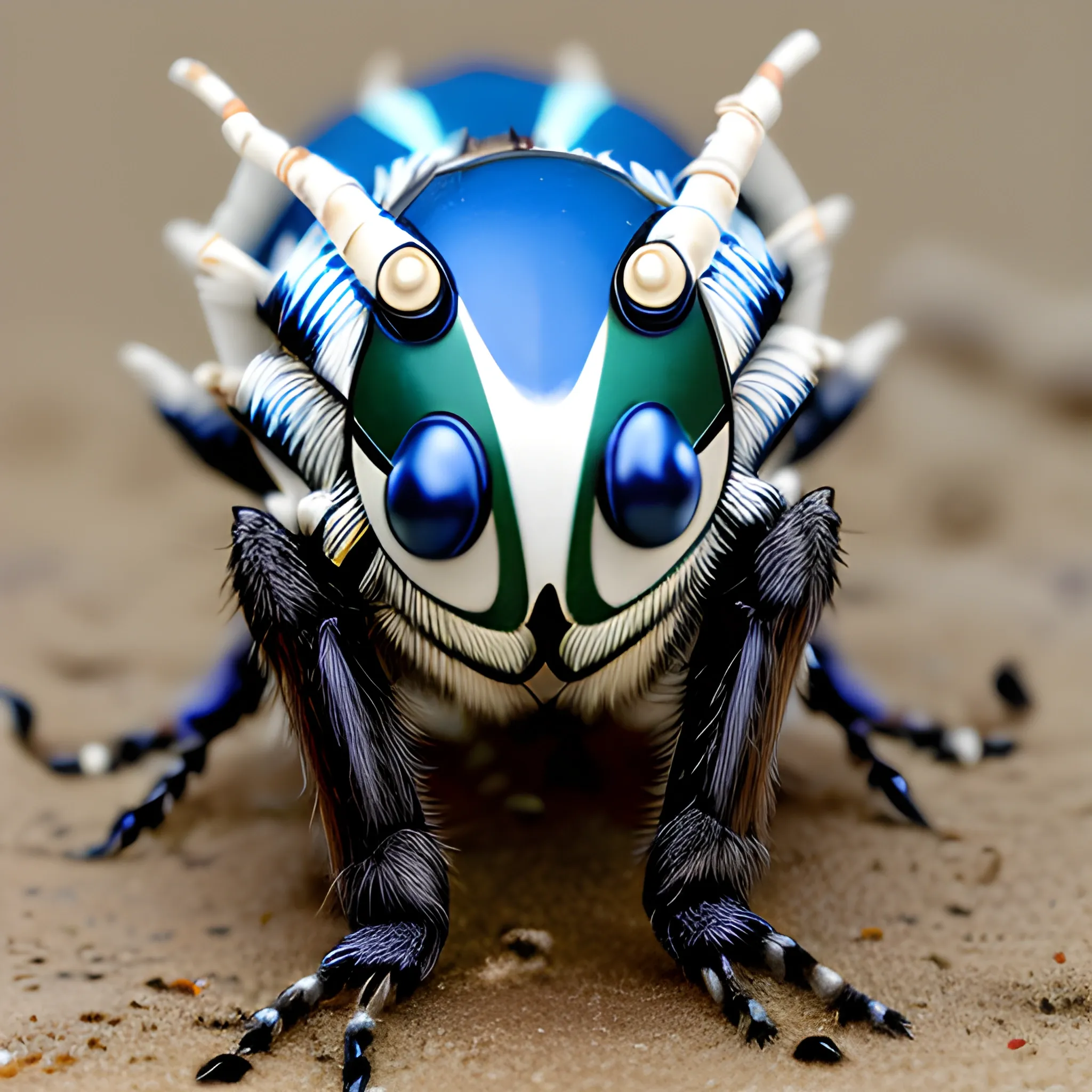
Insectile furry fluffy lapine hybrid of rabbit and bumblebee , with blue and green and white stripes , with bunny ears and butterfly wings , with predatory mandibles and segmented body and six jointed legs with tube feet , with brightly coloured eggs , on rough scrubland , at night , very detailed , Trippy ,

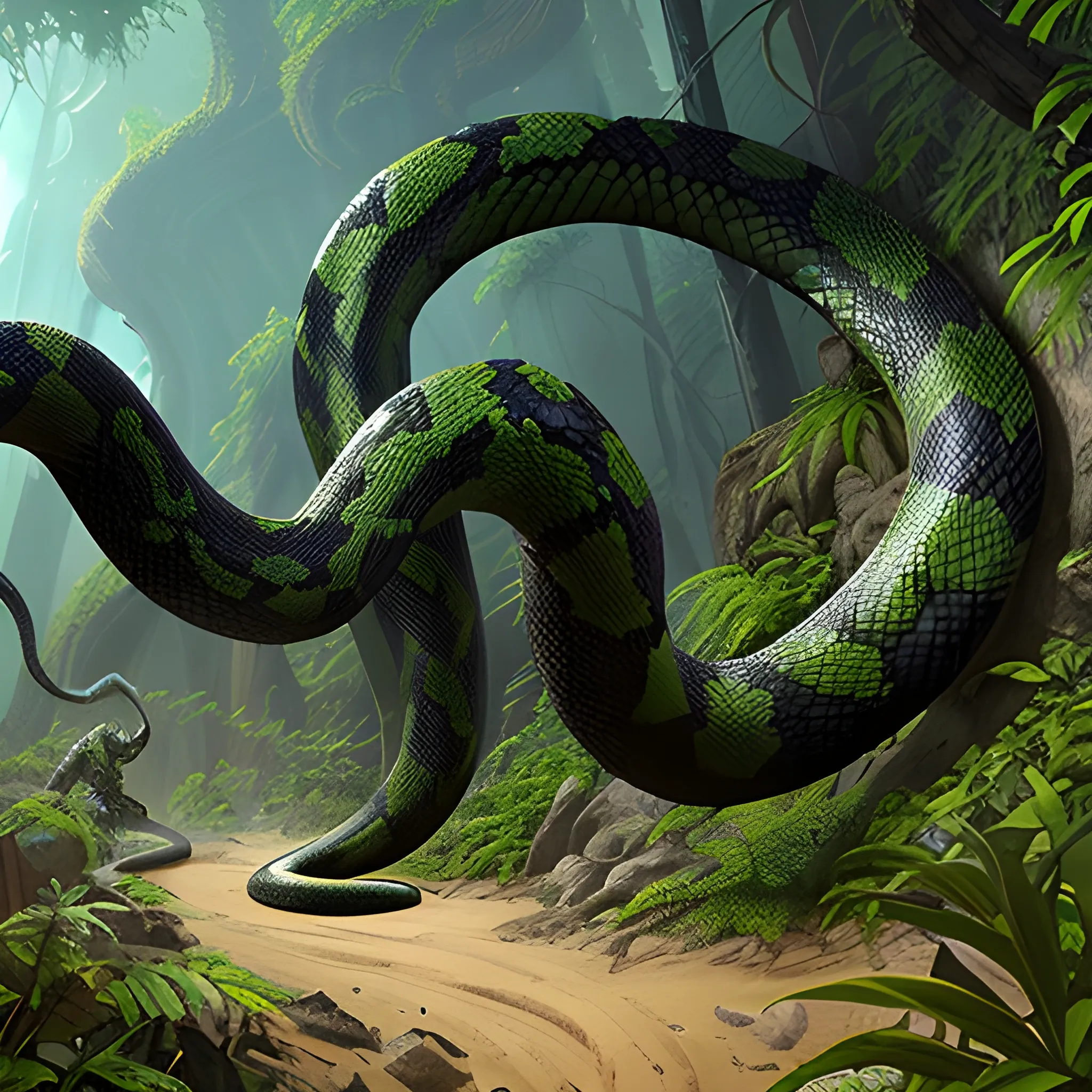
Appearance: The Giant Poisonous Snake is a massive and fearsome reptile , much larger than its smaller counterpart. It has a thick and muscular body , and its scales can have a range of colors , from mottled greens and browns to striking patterns that allow it to blend in with its surroundings. The snake's head is large and triangular , with a pair of long , hollow fangs through which it delivers its potent venom. Features: The Giant Poisonous Snake is known for its deadly venomous bite , which it uses to incapacitate and devour prey. Its venom is significantly more potent than that of its smaller cousin , making it a formidable threat to adventurers. A bite from a Giant Poisonous Snake can cause severe pain , paralysis , or even death , depending on the creature's size and resilience. Habitat: Giant Poisonous Snakes typically inhabit dense jungles , dark swamps , and other untamed wilderness areas. They prefer warm and humid environments and may be found in hidden lairs or lurking near water sources. In your DND world , they could guard sacred sites or serve as minions of malevolent beings. Behavior: Like their smaller counterparts , Giant Poisonous Snakes are stealthy predators , using their large size and camouflage to ambush prey. They strike swiftly and accurately , delivering their venom to immobilize their victims before consuming them. While generally non-aggressive , they may attack if they feel threatened or if potential prey ventures too close. Role in the World: In your DND world , Giant Poisonous Snakes could be apex predators in their habitat , feared and respected by other creatures. They might be associated with ancient legends or guarded by nature spirits. Druids and rangers might view them as symbols of balance and the wild's dangers. Encountering a Giant Poisonous Snake in the wild is a perilous and potentially deadly event for adventurers. The snake's venomous bite can have severe consequences , making quick thinking and decisive action essential to survive an encounter. Players must be well-prepared with protective spells , antidotes , or other means to counteract the venom's effects. The presence of Giant Poisonous Snakes in your campaign can create an atmosphere of danger and suspense , particularly in jungles or other untamed regions. Players will need to be vigilant and cautious during their explorations , as the looming threat of these massive venomous serpents adds an element of peril to their adventures. Giant Poisonous Snakes can serve as significant challenges for higher-level adventurers , reminding them of the dangers that still lurk even in seemingly familiar environments. ,