
acidrebel1


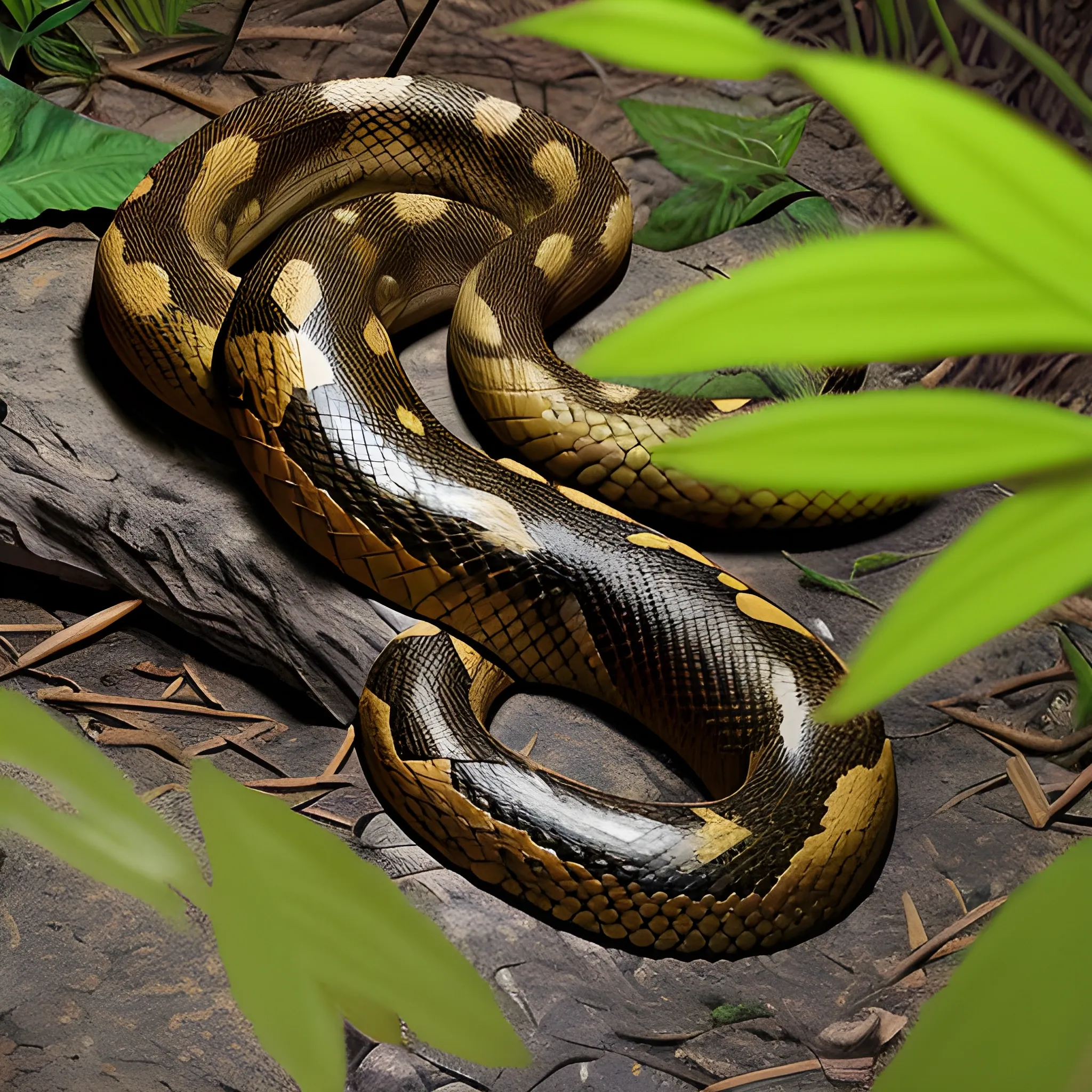
Appearance: The Poisonous Snake is a small to medium-sized reptile with a slender body and a distinctive pattern of scales. Its colors can vary widely , from vibrant and striking patterns to more muted earth tones , helping it blend into its natural surroundings. The snake's head is triangular , and it has a pair of fangs at the front of its mouth , through which it delivers its venom. Features: The Poisonous Snake is known for its venomous bite , which it uses to incapacitate its prey and defend itself from threats. Its venom can vary in potency , from causing mild discomfort to being deadly , depending on the species. While not as powerful as the venom of more dangerous creatures , the Poisonous Snake's bite can still cause considerable harm to unwary adventurers. Habitat: Poisonous Snakes can be found in a wide range of environments , from dense jungles and forests to dry deserts and grasslands. They are highly adaptable creatures and can thrive in various conditions , making them a common sight in untamed wilderness areas. Behavior: The Poisonous Snake is a stealthy predator , relying on its camouflage and patience to ambush its prey. It strikes quickly and accurately , using its venom to immobilize and begin the process of consuming its victim. Poisonous Snakes are generally non-aggressive towards larger creatures , preferring to flee rather than confront a potential threat. Role in the World: In your DND world , Poisonous Snakes could serve as common dangers in the wild , particularly in regions where adventurers explore untamed territories. Druids and rangers might have a connection with these creatures , viewing them as part of the natural balance. Encountering a Poisonous Snake in the wild can be a common and potentially hazardous event for adventurers. While they are generally not aggressive , they may strike if they feel threatened or cornered. Players might need to exercise caution and use skills such as animal handling or survival to avoid confrontations with these venomous reptiles. If adventurers do find themselves bitten , they must act quickly to counteract the effects of the venom and avoid more serious consequences. The presence of Poisonous Snakes in your campaign adds an element of realism and danger to the wilderness. Players will need to be vigilant and watchful during their travels , as the risk of encountering these venomous creatures is ever-present. Poisonous Snakes can also serve as a minor but meaningful challenge , especially for lower-level adventurers , teaching them the importance of preparation and awareness in the untamed wilderness. ,
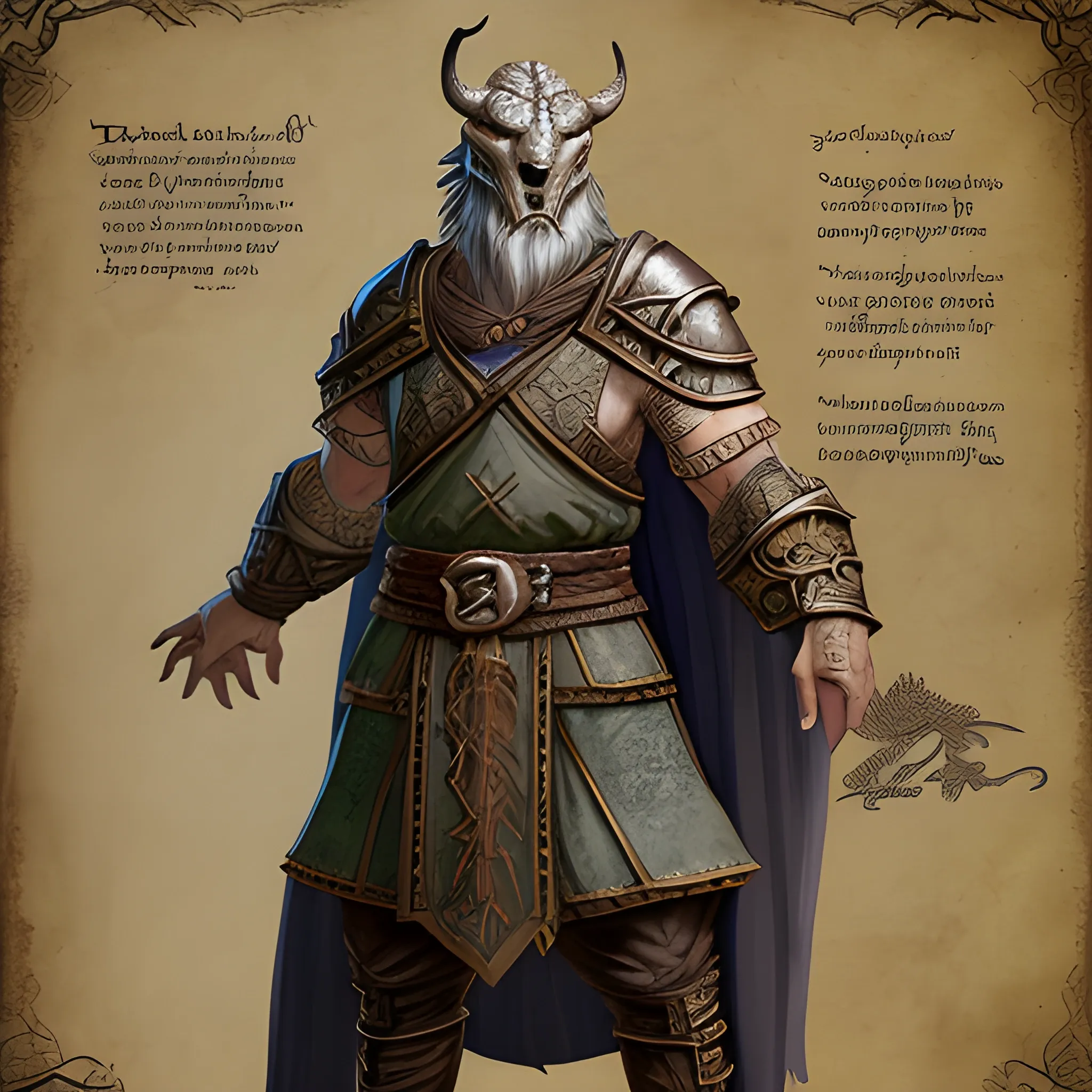
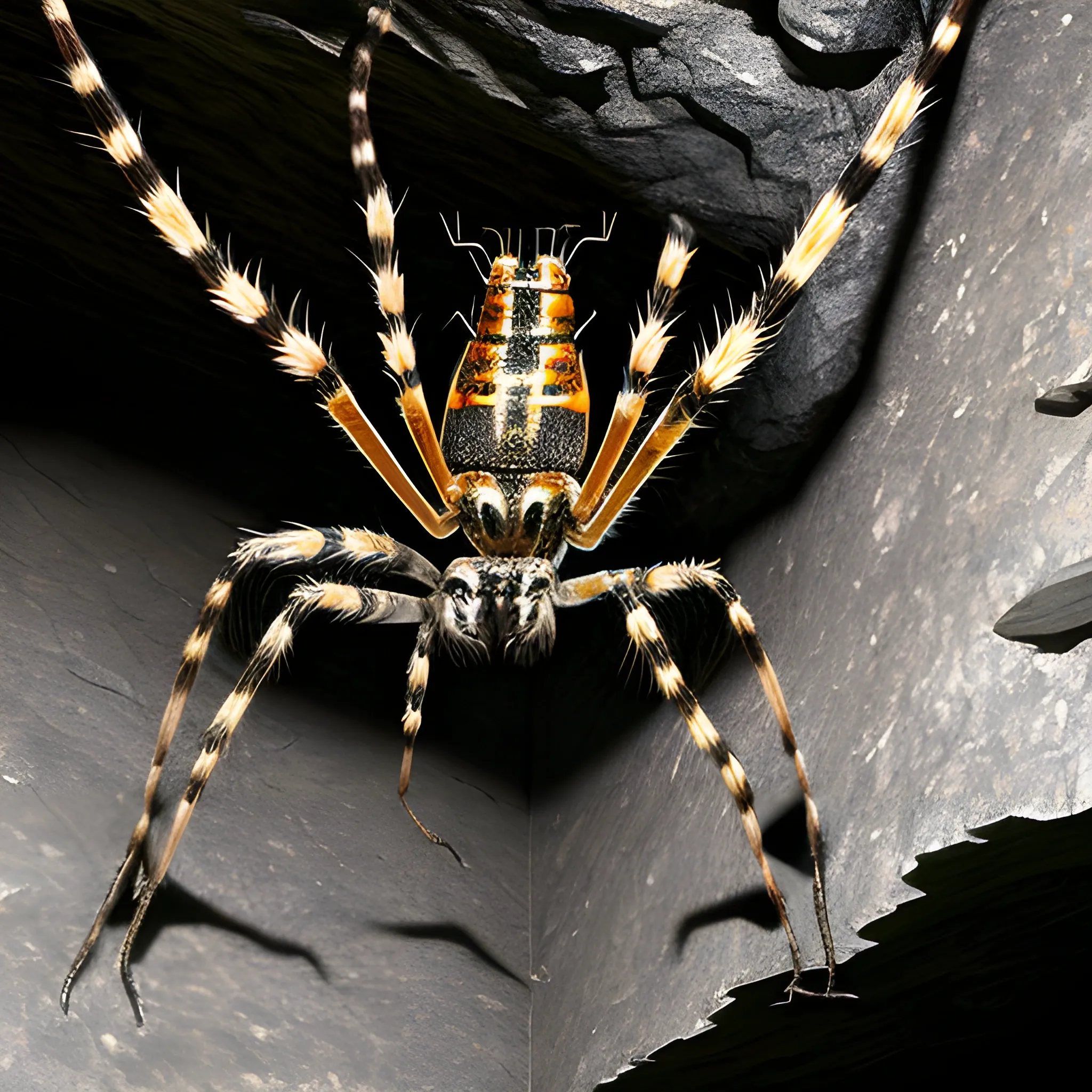
Appearance: The Giant Wolf Spider is an enormous arachnid , resembling a regular wolf spider but scaled up to a terrifying size. It has long , hairy legs , and its body can be up to 3 feet in length. The spider's exoskeleton is a mix of dark brown and black , camouflaging it in shadows and making it hard to spot in dimly lit environments. Its multiple eyes gleam with an eerie luminescence , providing it with excellent night vision. Features: Giant Wolf Spiders possess venomous fangs that they use to paralyze their prey. While their venom is not usually fatal to human-sized creatures , it can cause temporary paralysis and intense pain. They are incredibly agile and quick , making them adept ambush predators. Habitat: Giant Wolf Spiders are most commonly found in dark and damp environments , such as caves , forests , and subterranean tunnels. They are skilled at weaving complex webs that serve as both traps for their prey and a means to detect nearby movement. Behavior: These arachnids are solitary creatures and prefer to hunt alone. Despite their size , they are surprisingly stealthy and capable of stalking their prey unnoticed until they strike. They are skilled climbers and can scale walls and ceilings with ease. Role in the World: In your DND world , Giant Wolf Spiders might be common threats in certain regions , especially in dense forests or caves. They could be encountered as natural inhabitants of the wilderness or serve as guardians to ancient ruins and abandoned places. Their venomous bite and ability to ensnare their prey in webs make them formidable foes for adventurers. Encountering a Giant Wolf Spider in your campaign could lead to tense and suspenseful moments. The spiders might ambush adventurers , trying to paralyze them with their venom before delivering a deadly bite. Players might need to exercise caution and utilize strategies to counter the spider's agility and web traps effectively. Additionally , the presence of Giant Wolf Spiders can add an element of danger and fear to the wild and untamed areas of your world , making players wary of what lurks in the shadows and the darkness. ,
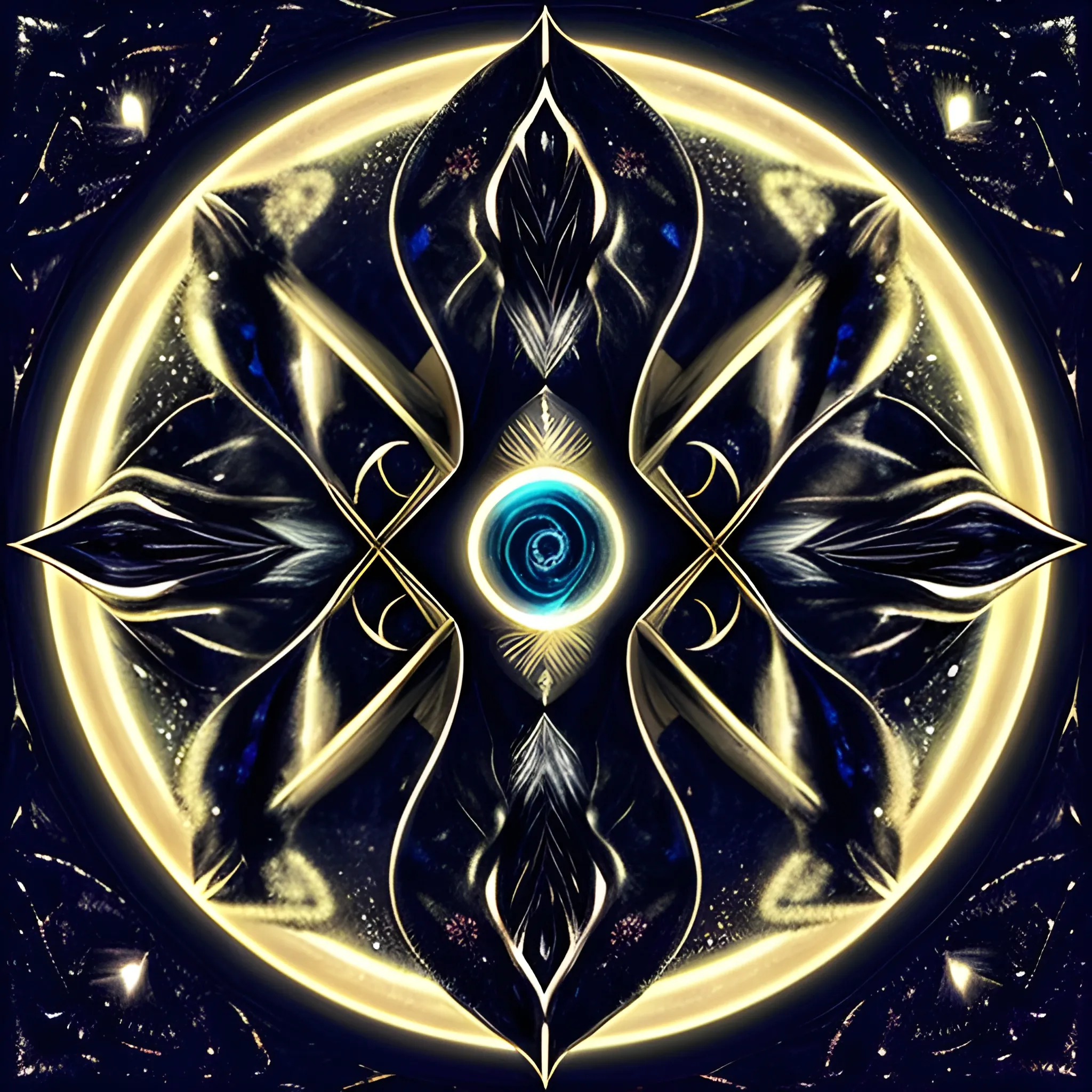
Imagine a depiction of the Holy Trinity that exudes a cool and dark atmosphere , blending elements of mystery and reverence. In this portrayal , envision a cosmic backdrop , a vast and infinite expanse of deep , velvety darkness sprinkled with distant stars. At the center of this cosmic void , imagine three figures emanating an ethereal glow. The Holy Trinity—Father , Son , and Holy Spirit—is symbolized by three imposing , shadowy figures , each distinct yet intertwined. The Father , portrayed as a formidable silhouette , exudes an aura of ancient wisdom and cosmic authority. His eyes , though obscured , shimmer with divine knowledge. The Son , a mysterious figure with a cool , otherworldly radiance , stands at the forefront , cloaked in a flowing garment that seems to absorb and reflect the darkness around. The Holy Spirit , depicted as a swirling , enigmatic mist , weaves through the scene , connecting the figures and adding an air of mystique. To enhance the cool and dark ambiance , subtle celestial patterns and symbols may be etched into the shadows , suggesting a connection between the divine and the cosmic forces. The overall aesthetic should evoke a sense of reverence , with a touch of cosmic grandeur , making this depiction of the Holy Trinity both cool and enigmatically dark. ,
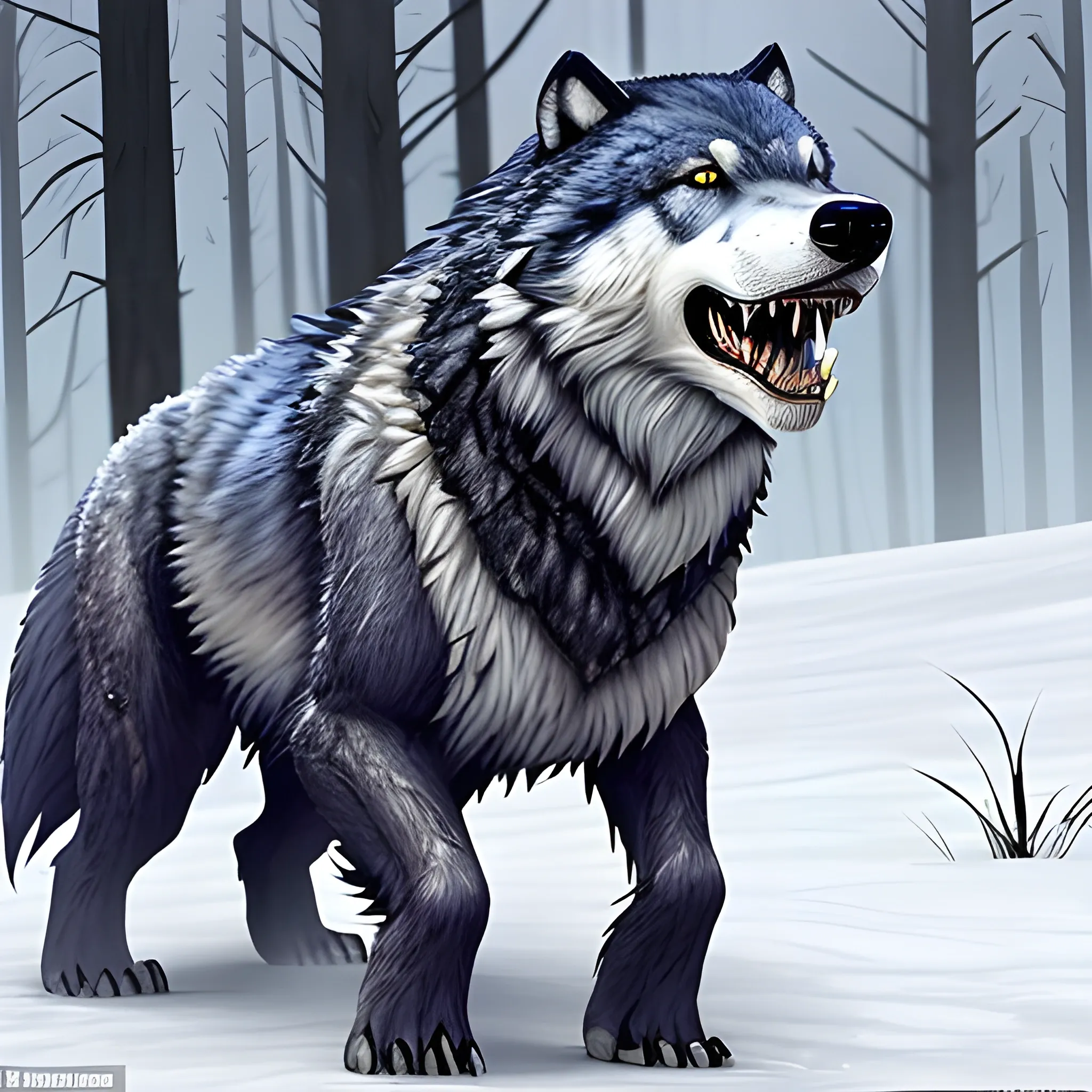
Appearance: The dire wolf is a massive and fearsome creature , closely related to the regular wolf but significantly larger and more imposing. It stands at around 4 to 5 feet tall at the shoulder and can weigh up to 800 pounds or more , dwarfing its smaller cousins. Its fur coat is thick and usually ranges in color from gray to black , providing excellent camouflage in various environments. The dire wolf's powerful jaws and sharp teeth make it a formidable predator in the wild. Features: The dire wolf shares many features with regular wolves but possesses even more enhanced physical capabilities. Its heightened strength , speed , and endurance make it a top-tier predator , capable of taking down large prey with ease. The dire wolf's large , muscular build and powerful limbs give it the advantage of overwhelming its opponents in combat. Habitat: Dire wolves tend to inhabit the wildest and most remote regions of your DND world , far away from civilization. They can be found in dense forests , icy tundras , and even rugged mountainous terrain. As apex predators , they rule over their territories and command respect from other creatures in their domain. Behavior: Like their smaller counterparts , dire wolves are social creatures that often form packs to hunt and survive. They exhibit strong loyalty to their packmates , and the alpha pair leads the group with a mix of intelligence and ferocity. Dire wolves are skilled hunters and work together to bring down formidable prey , such as large mammals and even other monstrous creatures. ,
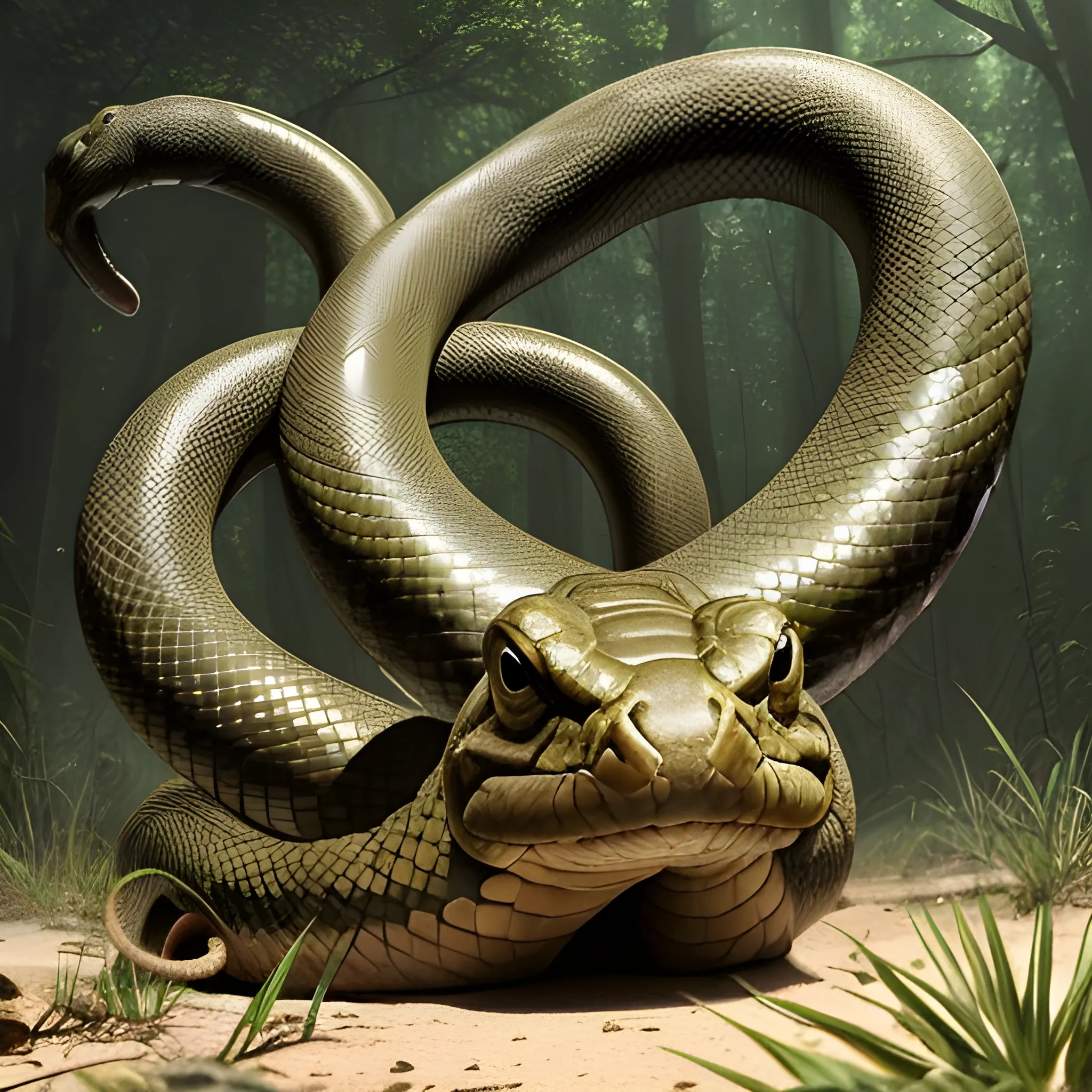
Appearance: The Giant Constrictor Snake is an enormous and intimidating reptile , a massive version of its smaller counterpart. It is a sight to behold , with a length that can reach up to 30 feet or more and a girth that makes it a formidable predator. The snake's scales can have various colors , ranging from earthy browns and greens to patterns that blend in with its environment. Its head is large and triangular , equipped with sharp teeth for grasping and holding its prey. Features: As its name suggests , the Giant Constrictor Snake possesses immense strength , allowing it to overpower and crush prey with its powerful coils. Despite its size , the snake is incredibly agile and swift , capable of striking with lightning speed when attacking. It is a non-venomous predator , relying on its constriction technique to subdue and immobilize its prey before consuming it. Habitat: Giant Constrictor Snakes are usually found in areas with an abundance of large prey , such as dense jungles , swamps , and even underground tunnels or caves. They are equally at home in terrestrial environments or in aquatic habitats , making them versatile hunters. In your DND world , they might inhabit untamed wilderness areas , guarding ancient ruins , or lurking near water sources. Behavior: Like their smaller counterparts , Giant Constrictor Snakes are solitary creatures and prefer to hunt alone. They are opportunistic predators , preying on a wide range of creatures , from smaller animals to larger beasts. Giant Constrictor Snakes have a keen sense of smell , which allows them to detect potential prey from a distance. Role in the World: In your DND world , Giant Constrictor Snakes could be apex predators , feared and respected by other creatures in their territory. They might be guardians of sacred places or serve as the subjects of local legends. Druids and rangers might view them as powerful symbols of the untamed and natural world. Encountering a Giant Constrictor Snake in the wild is a perilous and memorable experience for adventurers. The snake's size and strength make it a deadly foe , capable of overpowering even well-armored individuals. Players must exercise extreme caution and strategic thinking when dealing with these formidable predators. Fighting a Giant Constrictor Snake often involves a combination of ranged attacks , mobility , and teamwork to avoid its crushing coils and deliver damaging blows. The presence of Giant Constrictor Snakes in your campaign can add an element of danger and excitement to wilderness encounters , making players wary of exploring areas where these colossal serpents might lurk. ,
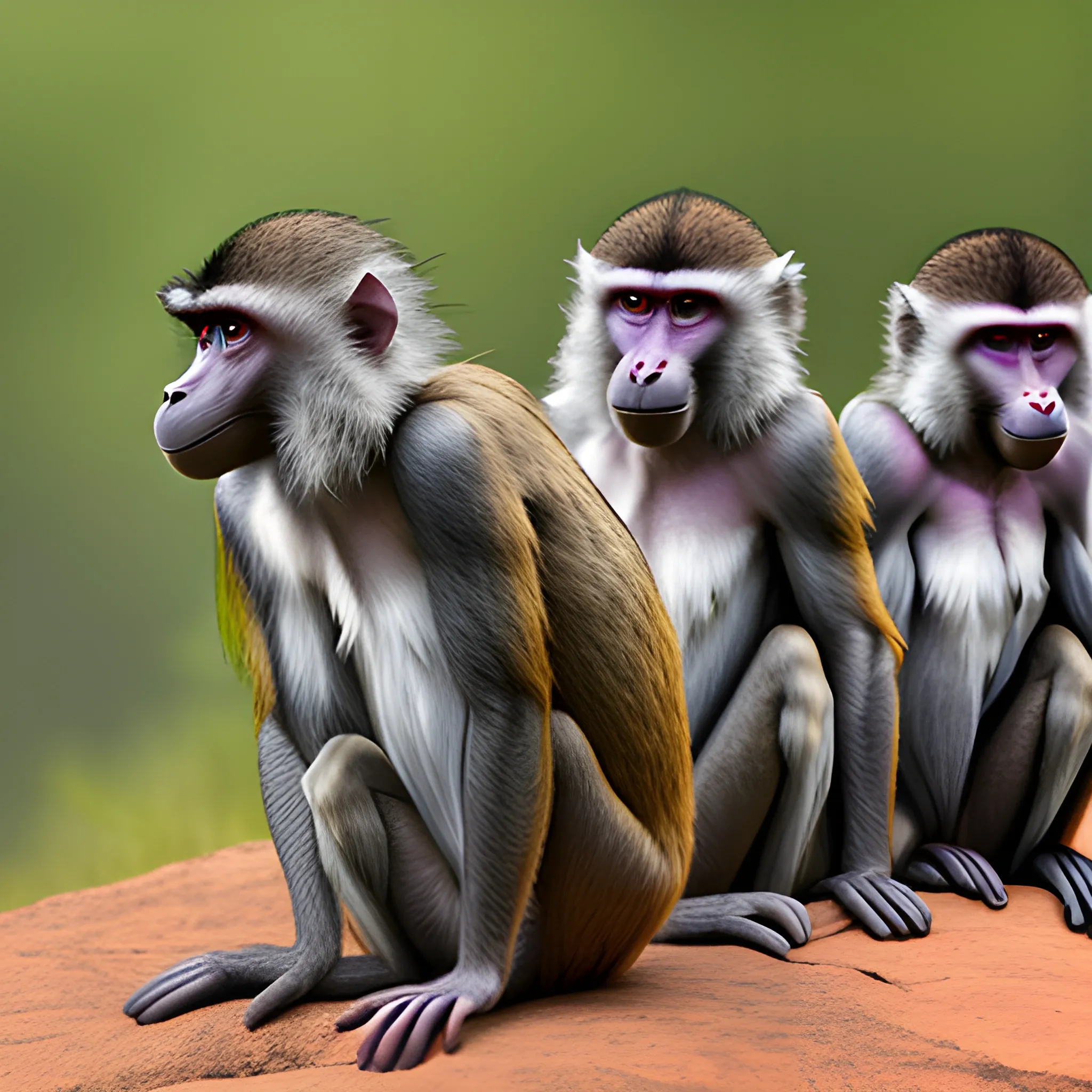
Appearance: The Baboon is a medium-sized primate with a distinctive and charismatic appearance. It has a robust and muscular body , covered in short fur that can range in color from brown to gray or even olive-green. Baboons have a dog-like snout , sharp teeth , and a hairless face with prominent cheek pouches , which they use to store food. They have long arms and powerful legs , allowing them to move quickly and with agility. Features: Baboons are highly social creatures , living in close-knit troops that can consist of a few individuals to larger groups. Their intelligence and adaptability enable them to survive in various environments , from lush jungles to arid savannahs. They are known for their strong social hierarchy and complex communication , using vocalizations , gestures , and facial expressions to convey emotions and intentions. Habitat: Baboons are versatile animals that can thrive in a range of habitats , including forests , grasslands , and mountainous regions. They are often found near water sources , as they require regular access to drinking water. In your DND world , baboons might inhabit areas with lush vegetation or live in proximity to humanoid settlements , scavenging for food scraps. Behavior: Baboons are opportunistic omnivores , with a varied diet that includes fruits , leaves , seeds , insects , and small animals. They are skilled climbers and can use their agility to escape predators or reach high-up food sources. Baboons are known for their playfulness , engaging in social interactions , grooming , and even games with each other. Role in the World: In your DND world , baboons could serve as a part of the natural ecosystem or be associated with certain deities or nature spirits. Druids and rangers might have a special connection with baboons , viewing them as symbols of adaptability and community. Encountering baboons in the wild could present various opportunities for adventurers. They might have non-combat interactions with the primates , such as observing their social behaviors or using animal handling skills to communicate with them. Baboons could also play a role in quests involving local tribes or settlements , where their presence might be considered either beneficial or problematic depending on the circumstances. While not inherently aggressive , baboons can defend themselves and their troop if they feel threatened , making it essential for adventurers to approach them with respect and caution. ,


Imagine a blue nitro bottle , its exterior adorned in a vibrant shade of deep blue. The color is intense , almost electric , giving off a sense of energy and potential. The surface of the bottle appears sleek and metallic , reflecting the ambient light in a captivating way. Now , as you observe the bottle , there's a visual illusion that suggests a state of near-explosion. The blue hue seems to intensify near the top , as if the pressure inside is building up to a critical point. There might be subtle distortions in the reflection , creating a dynamic and distorted appearance , as if the container is straining against an invisible force. The contours of the bottle might appear slightly exaggerated , with the shape subtly warping as though it's on the verge of bursting open. The cap or nozzle may seem to be under tension , as if struggling to contain the contained energy within. This illusion of impending explosion adds an element of drama to the visual , making the bottle appear as though it's frozen in a moment of intense anticipation , caught right before a burst of vibrant energy. ,
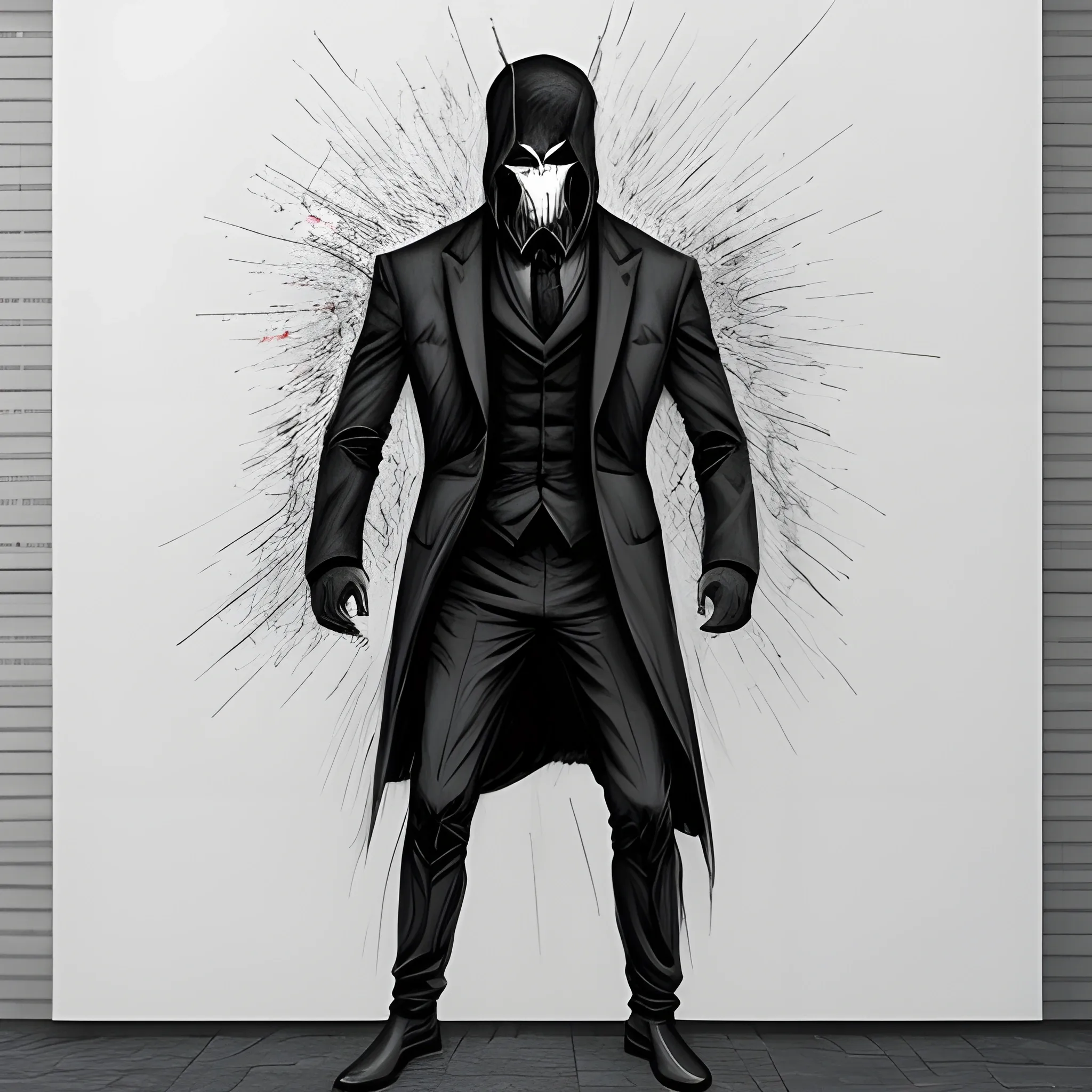
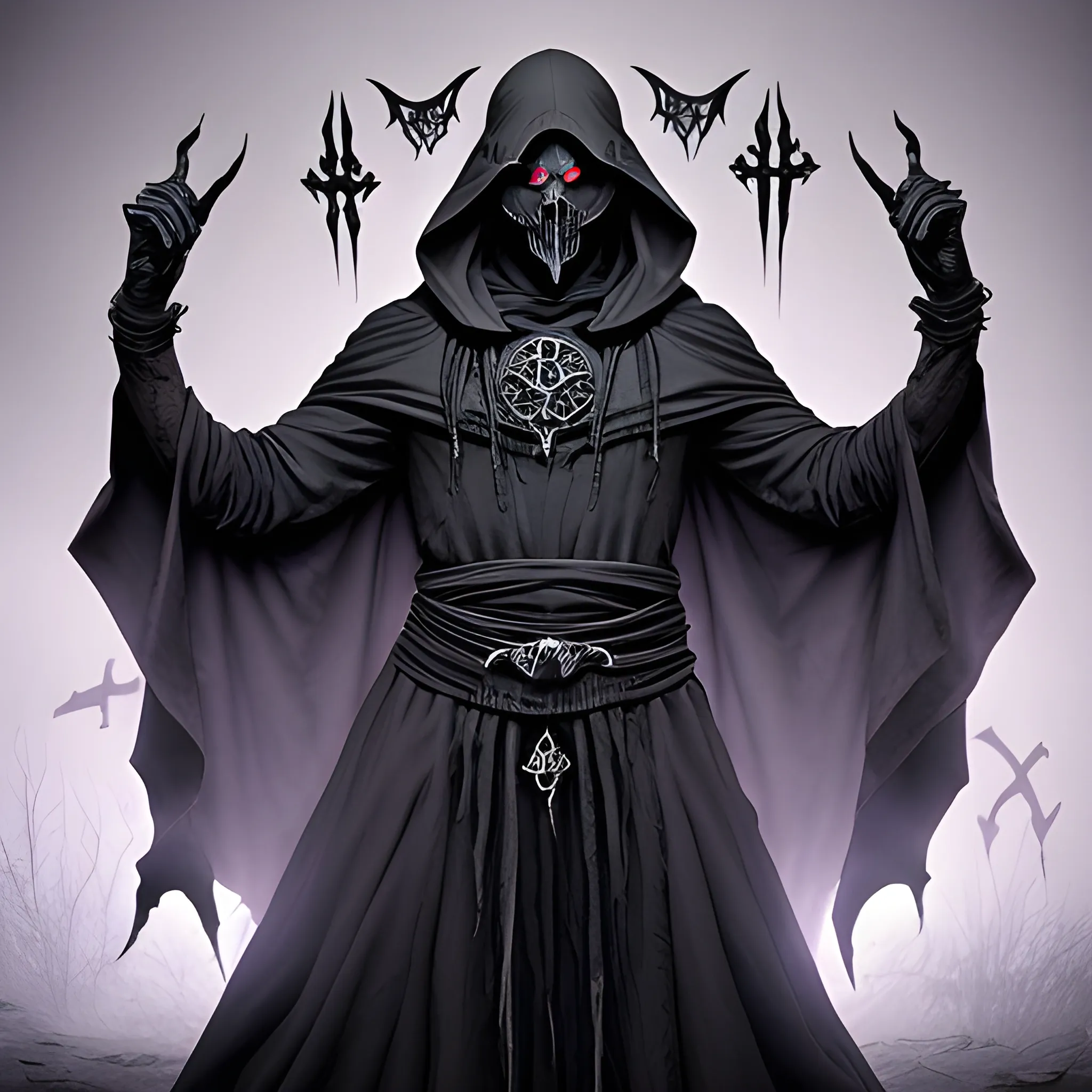
Dark Attire: The cultists wear long , flowing robes in shades of deep purple , black , or dark gray. The robes are often adorned with occult symbols and sigils associated with necromantic magic and Malachi's dark influence. The hoods of their robes are typically pulled up , casting shadows over their faces , giving them an air of mystery and menace. Face Coverings: Some cultists wear face coverings or masks , further obscuring their features. These coverings often feature unsettling designs , such as skeletal faces or demonic visages , symbolizing their allegiance to death and darkness. Occult Accessories: Cultists may wear various occult accessories , such as bone necklaces , finger bones , or amulets adorned with dark gems or symbols. These items are believed to channel the powers of necromancy and connect the wearer to the forces of evil. Pallid Skin: Prolonged exposure to dark magic and their devotion to Malachi may give the cultists' skin a sickly pallor , further emphasizing their otherworldly appearance. Glowing Eyes: In some cases , the eyes of the cultists may glow with an unnatural or eerie light , hinting at their connection to the dark powers they serve. The glow can be a pale blue , sickly green , or even crimson , depending on the nature of their necromantic abilities. Ritualistic Tattoos: Some cultists bear ritualistic tattoos etched into their skin , marking their allegiance to Malachi and the dark arts. These tattoos often depict ominous symbols , arcane runes , or images associated with death and decay. Feral Traits: As a result of their embrace of dark powers , some cultists may display feral traits , such as elongated canine teeth or claw-like nails , reminiscent of creatures of the night. Overall , the appearance of Malachi's cultists is haunting and unsettling , with an aura of darkness and malevolence. Their attire , accessories , and physical features convey their allegiance to the fallen Aasimar and their commitment to furthering his nefarious plans. As they move in shadows and secrecy , they pose a significant threat to the world , ready to carry out their master's bidding and plunge Lumina Isle into everlasting darkness. ,
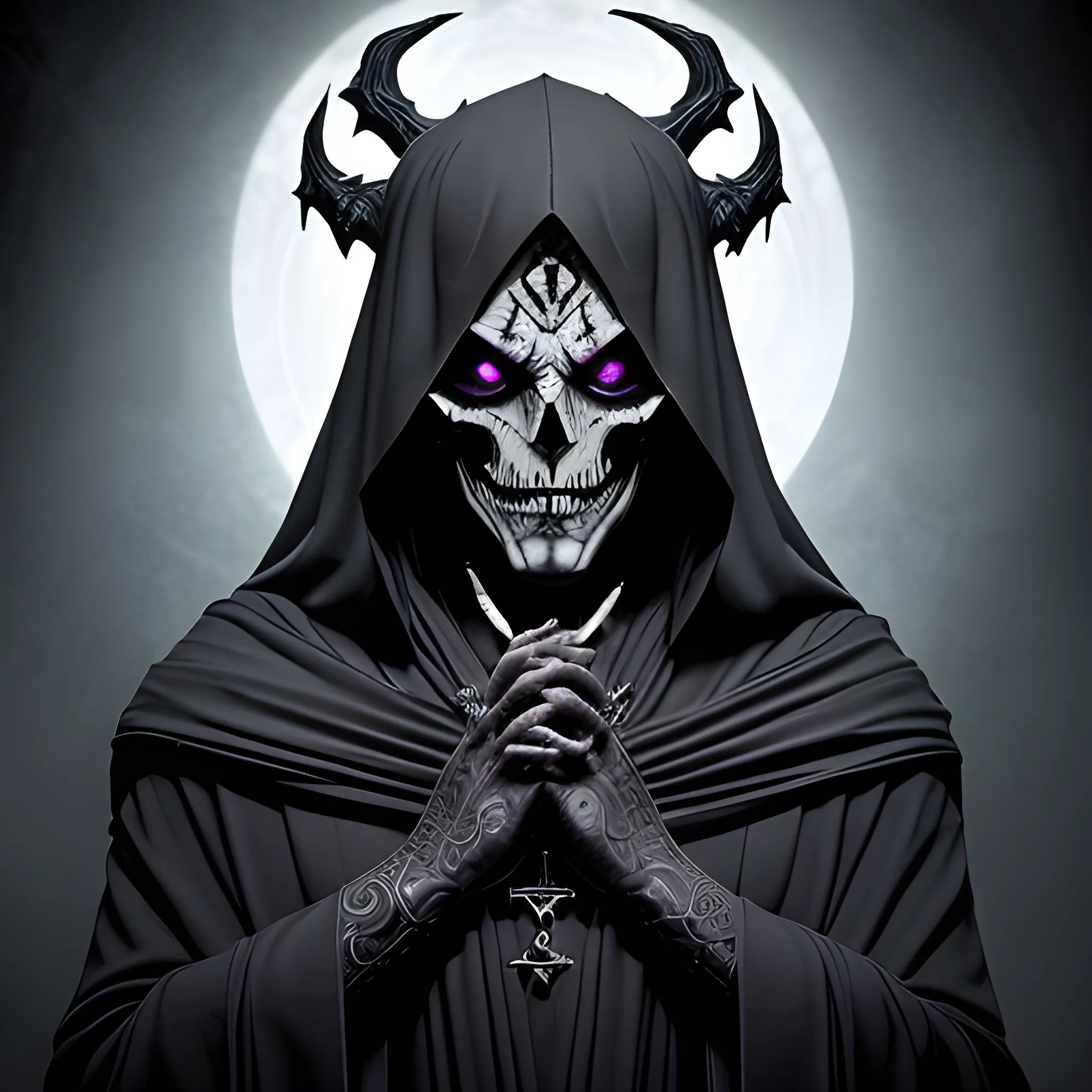
Dark Attire: The cultists wear long , flowing robes in shades of deep purple , black , or dark gray. The robes are often adorned with occult symbols and sigils associated with necromantic magic and Malachi's dark influence. The hoods of their robes are typically pulled up , casting shadows over their faces , giving them an air of mystery and menace. Face Coverings: Some cultists wear face coverings or masks , further obscuring their features. These coverings often feature unsettling designs , such as skeletal faces or demonic visages , symbolizing their allegiance to death and darkness. Occult Accessories: Cultists may wear various occult accessories , such as bone necklaces , finger bones , or amulets adorned with dark gems or symbols. These items are believed to channel the powers of necromancy and connect the wearer to the forces of evil. Pallid Skin: Prolonged exposure to dark magic and their devotion to Malachi may give the cultists' skin a sickly pallor , further emphasizing their otherworldly appearance. Glowing Eyes: In some cases , the eyes of the cultists may glow with an unnatural or eerie light , hinting at their connection to the dark powers they serve. The glow can be a pale blue , sickly green , or even crimson , depending on the nature of their necromantic abilities. Ritualistic Tattoos: Some cultists bear ritualistic tattoos etched into their skin , marking their allegiance to Malachi and the dark arts. These tattoos often depict ominous symbols , arcane runes , or images associated with death and decay. Feral Traits: As a result of their embrace of dark powers , some cultists may display feral traits , such as elongated canine teeth or claw-like nails , reminiscent of creatures of the night. Overall , the appearance of Malachi's cultists is haunting and unsettling , with an aura of darkness and malevolence. Their attire , accessories , and physical features convey their allegiance to the fallen Aasimar and their commitment to furthering his nefarious plans. As they move in shadows and secrecy , they pose a significant threat to the world , ready to carry out their master's bidding and plunge Lumina Isle into everlasting darkness. ,
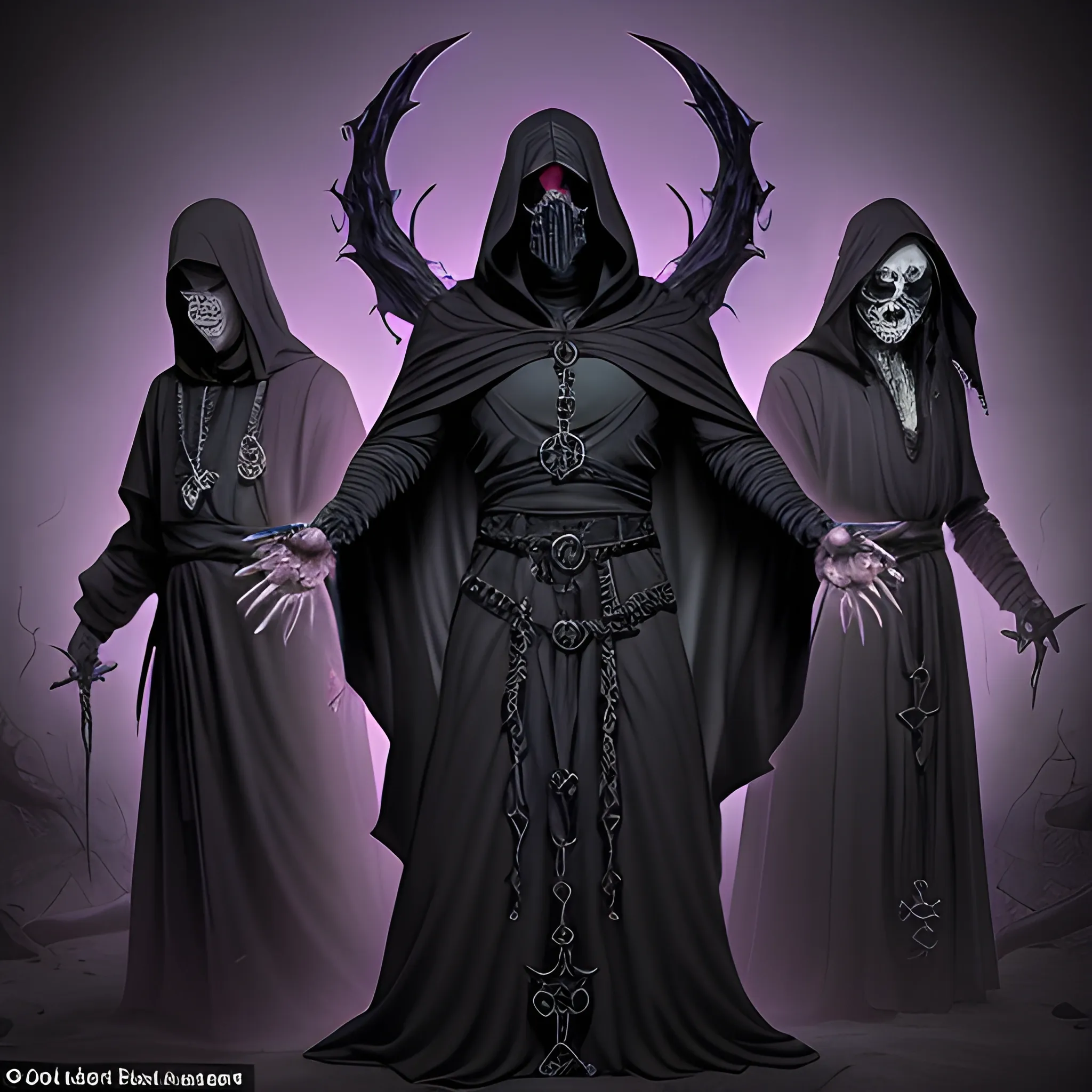
Dark Attire: The cultists wear long , flowing robes in shades of deep purple , black , or dark gray. The robes are often adorned with occult symbols and sigils associated with necromantic magic and Malachi's dark influence. The hoods of their robes are typically pulled up , casting shadows over their faces , giving them an air of mystery and menace. Face Coverings: Some cultists wear face coverings or masks , further obscuring their features. These coverings often feature unsettling designs , such as skeletal faces or demonic visages , symbolizing their allegiance to death and darkness. Occult Accessories: Cultists may wear various occult accessories , such as bone necklaces , finger bones , or amulets adorned with dark gems or symbols. These items are believed to channel the powers of necromancy and connect the wearer to the forces of evil. Pallid Skin: Prolonged exposure to dark magic and their devotion to Malachi may give the cultists' skin a sickly pallor , further emphasizing their otherworldly appearance. Glowing Eyes: In some cases , the eyes of the cultists may glow with an unnatural or eerie light , hinting at their connection to the dark powers they serve. The glow can be a pale blue , sickly green , or even crimson , depending on the nature of their necromantic abilities. Ritualistic Tattoos: Some cultists bear ritualistic tattoos etched into their skin , marking their allegiance to Malachi and the dark arts. These tattoos often depict ominous symbols , arcane runes , or images associated with death and decay. Feral Traits: As a result of their embrace of dark powers , some cultists may display feral traits , such as elongated canine teeth or claw-like nails , reminiscent of creatures of the night. Overall , the appearance of Malachi's cultists is haunting and unsettling , with an aura of darkness and malevolence. Their attire , accessories , and physical features convey their allegiance to the fallen Aasimar and their commitment to furthering his nefarious plans. As they move in shadows and secrecy , they pose a significant threat to the world , ready to carry out their master's bidding and plunge Lumina Isle into everlasting darkness. ,

Dark Attire: The cultists wear long , flowing robes in shades of deep purple , black , or dark gray. The robes are often adorned with occult symbols and sigils associated with necromantic magic and Malachi's dark influence. The hoods of their robes are typically pulled up , casting shadows over their faces , giving them an air of mystery and menace. Face Coverings: Some cultists wear face coverings or masks , further obscuring their features. These coverings often feature unsettling designs , such as skeletal faces or demonic visages , symbolizing their allegiance to death and darkness. Occult Accessories: Cultists may wear various occult accessories , such as bone necklaces , finger bones , or amulets adorned with dark gems or symbols. These items are believed to channel the powers of necromancy and connect the wearer to the forces of evil. Pallid Skin: Prolonged exposure to dark magic and their devotion to Malachi may give the cultists' skin a sickly pallor , further emphasizing their otherworldly appearance. Glowing Eyes: In some cases , the eyes of the cultists may glow with an unnatural or eerie light , hinting at their connection to the dark powers they serve. The glow can be a pale blue , sickly green , or even crimson , depending on the nature of their necromantic abilities. Ritualistic Tattoos: Some cultists bear ritualistic tattoos etched into their skin , marking their allegiance to Malachi and the dark arts. These tattoos often depict ominous symbols , arcane runes , or images associated with death and decay. Feral Traits: As a result of their embrace of dark powers , some cultists may display feral traits , such as elongated canine teeth or claw-like nails , reminiscent of creatures of the night. Overall , the appearance of Malachi's cultists is haunting and unsettling , with an aura of darkness and malevolence. Their attire , accessories , and physical features convey their allegiance to the fallen Aasimar and their commitment to furthering his nefarious plans. As they move in shadows and secrecy , they pose a significant threat to the world , ready to carry out their master's bidding and plunge Lumina Isle into everlasting darkness. ,
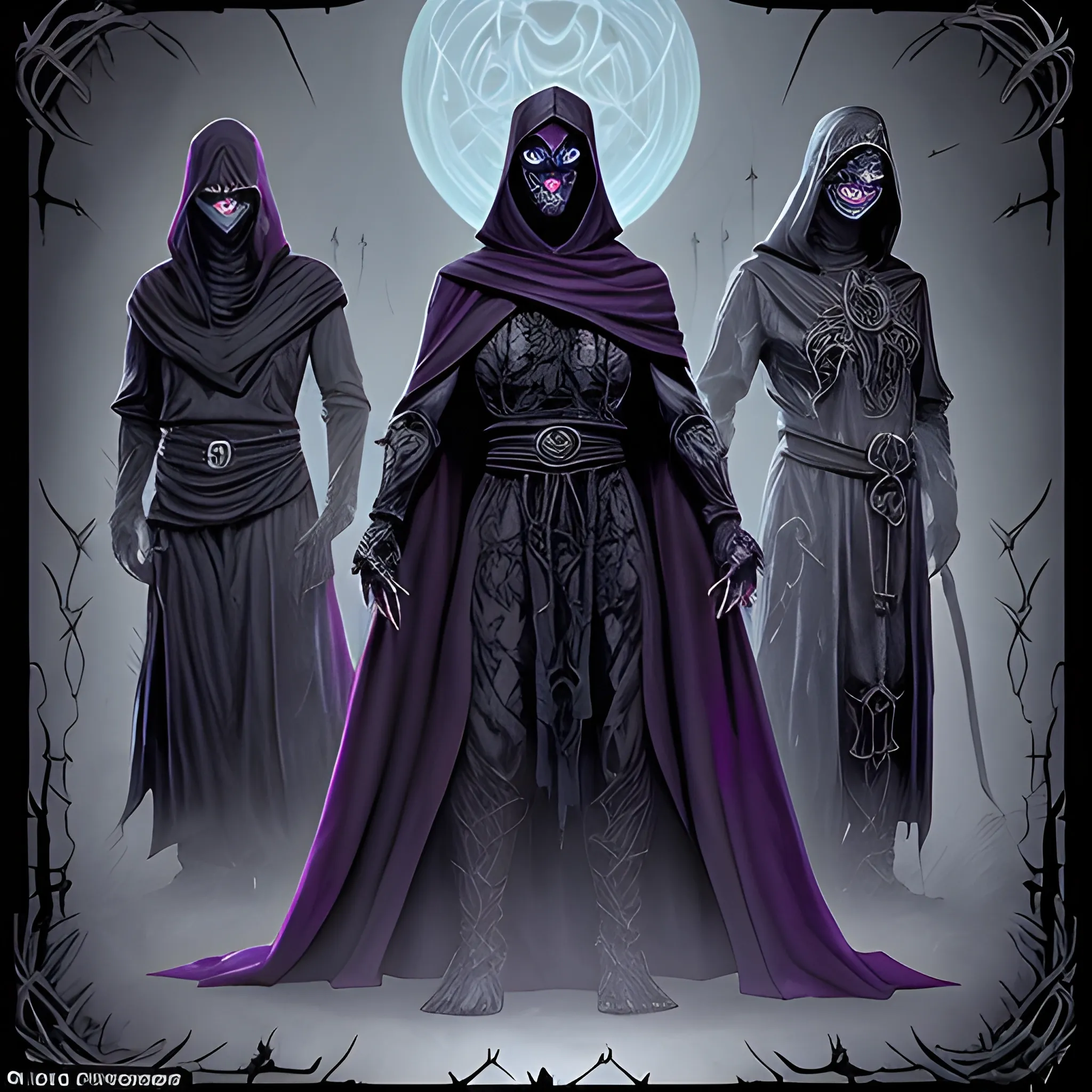
Dark Attire: The cultists wear long , flowing robes in shades of deep purple , black , or dark gray. The robes are often adorned with occult symbols and sigils associated with necromantic magic and Malachi's dark influence. The hoods of their robes are typically pulled up , casting shadows over their faces , giving them an air of mystery and menace. Face Coverings: Some cultists wear face coverings or masks , further obscuring their features. These coverings often feature unsettling designs , such as skeletal faces or demonic visages , symbolizing their allegiance to death and darkness. Occult Accessories: Cultists may wear various occult accessories , such as bone necklaces , finger bones , or amulets adorned with dark gems or symbols. These items are believed to channel the powers of necromancy and connect the wearer to the forces of evil. Pallid Skin: Prolonged exposure to dark magic and their devotion to Malachi may give the cultists' skin a sickly pallor , further emphasizing their otherworldly appearance. Glowing Eyes: In some cases , the eyes of the cultists may glow with an unnatural or eerie light , hinting at their connection to the dark powers they serve. The glow can be a pale blue , sickly green , or even crimson , depending on the nature of their necromantic abilities. Ritualistic Tattoos: Some cultists bear ritualistic tattoos etched into their skin , marking their allegiance to Malachi and the dark arts. These tattoos often depict ominous symbols , arcane runes , or images associated with death and decay. Feral Traits: As a result of their embrace of dark powers , some cultists may display feral traits , such as elongated canine teeth or claw-like nails , reminiscent of creatures of the night. Overall , the appearance of Malachi's cultists is haunting and unsettling , with an aura of darkness and malevolence. Their attire , accessories , and physical features convey their allegiance to the fallen Aasimar and their commitment to furthering his nefarious plans. As they move in shadows and secrecy , they pose a significant threat to the world , ready to carry out their master's bidding and plunge Lumina Isle into everlasting darkness. ,
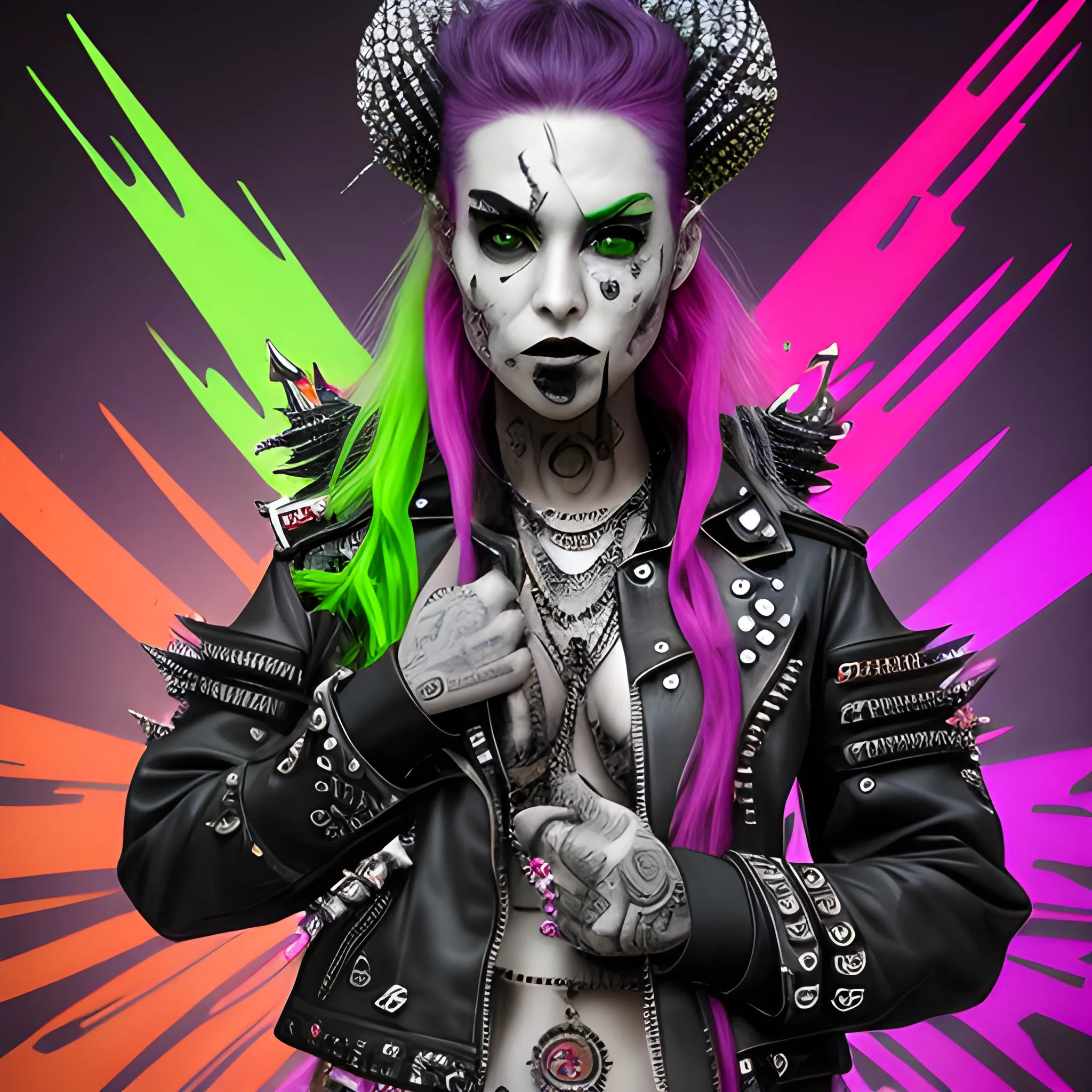
Acid Rebel is a striking and rebellious figure with a unique appearance that reflects their nature as an individual who thrives amidst chaos. Their physical appearance and clothing are a testament to their nonconformity and unpredictable nature. Hair: Acid Rebel's hair is a vivid and wild cascade of neon colors. It may be a mix of lime green , electric blue , and fiery red , extending in untamed locks that flow freely around their head. Eyes: Their eyes are intense and piercing , often a striking shade of emerald green or deep violet , which seems to shimmer with an otherworldly glow. Their gaze exudes confidence and a hint of defiance. Complexion: Acid Rebel's skin tone is usually pale , contrasting with the vibrant colors of their hair and attire. Tattoos and Piercings: The rebel is adorned with various intricate tattoos and piercings that symbolize their affinity for chaos and their journey as a free spirit. They might have tattoos depicting swirling vortexes , chaotic symbols , or images of mythical creatures from the planes of chaos. Clothing: Acid Rebel's clothing is an eclectic mix of styles , all tied together by a theme of chaos and rebellion. They favor leather jackets adorned with spikes and studs , symbolizing their untamed spirit. Their shirts may bear provocative slogans or abstract , chaotic designs. Their pants could be adorned with various straps and buckles , lending to their edgy and unconventional look. Accessories: The character sports a collection of accessories that add to their unique style. These could include fingerless gloves , chunky chains , and a collection of rings and earrings in various shapes and sizes. Weapons: Acid Rebel wields unconventional weapons that embody their chaotic nature. They might carry an acid-imbued whip , a set of throwing knives with colorful handles , or a weapon that changes form with their emotions , reflecting the ever-shifting nature of chaos. Overall Demeanor: Acid Rebel moves with a confident swagger , radiating a sense of unpredictability. Their body language conveys a rebellious spirit , always on the lookout for opportunities to stir up chaos and challenge the status quo. Background: Acid Rebel's background is shrouded in mystery , and they rarely speak about their past. They are known to have traveled across the planes , encountering diverse cultures and embracing the chaos inherent in each one. This journey has shaped their worldview , and they now stand as a fierce defender of the balance between order and chaos , believing that the two forces are necessary for the world to flourish. As a character , Acid Rebel adds a dash of excitement and unpredictability to any campaign. Their appearance and personality make them memorable , and their motives can be both enigmatic and inspiring , driving the plot forward as they seek to navigate the delicate balance between chaos and order. ,

Appearance: The brown bear is a large and powerful creature , often considered the embodiment of strength and ferocity. It has a distinctive hump of muscle on its shoulders , which sets it apart from other bear species. Despite its name , the brown bear's fur can vary significantly in color , ranging from light brown to dark brown , and even shades of blonde or reddish-brown. Some individuals may have a lighter-colored face , creating a "grizzled" appearance , while others have a more uniform coloration throughout their body. Features: Brown bears are well-adapted for survival in various environments. They have strong limbs with sharp claws , which they use for digging , climbing , and catching prey. Their jaws are equipped with formidable teeth that can crush bones and tear through flesh. Adult brown bears can stand around 6 to 10 feet tall when on their hind legs , and their weight ranges from 400 to 1 , 500 pounds , with males being significantly larger than females. Habitat: Brown bears are versatile creatures , capable of inhabiting a wide range of habitats. They can be found in dense forests , grasslands , tundra , and mountainous regions. In your DND world , they might be common inhabitants of rugged wilderness areas , guarding their territories and foraging for food. Behavior: Brown bears are generally solitary animals , except during the breeding season or when a mother is caring for her cubs. They are omnivorous , having a diverse diet that includes berries , fruits , fish , insects , small mammals , and even carrion. Their intelligence and resourcefulness enable them to adapt to different food sources based on the season and availability. Role in the World: In your DND world , brown bears could play a significant role in the ecosystem. They might be seen as the apex predators of certain regions , balancing the population of prey animals and ensuring the health of the natural environment. Druids and rangers could have a special connection with brown bears , viewing them as symbols of the wild and protectors of nature. Encountering a brown bear in the wilderness could be a thrilling and potentially dangerous experience for adventurers. These formidable creatures are generally not aggressive toward humans , but they may become defensive if they feel threatened or if their territory is encroached upon. Adventurers might have opportunities to peacefully observe brown bears from a distance or use animal handling skills to avoid conflict. However , provoking or attacking a brown bear could lead to a fierce and challenging battle , as they are capable of inflicting significant damage with their powerful claws and jaws. ,
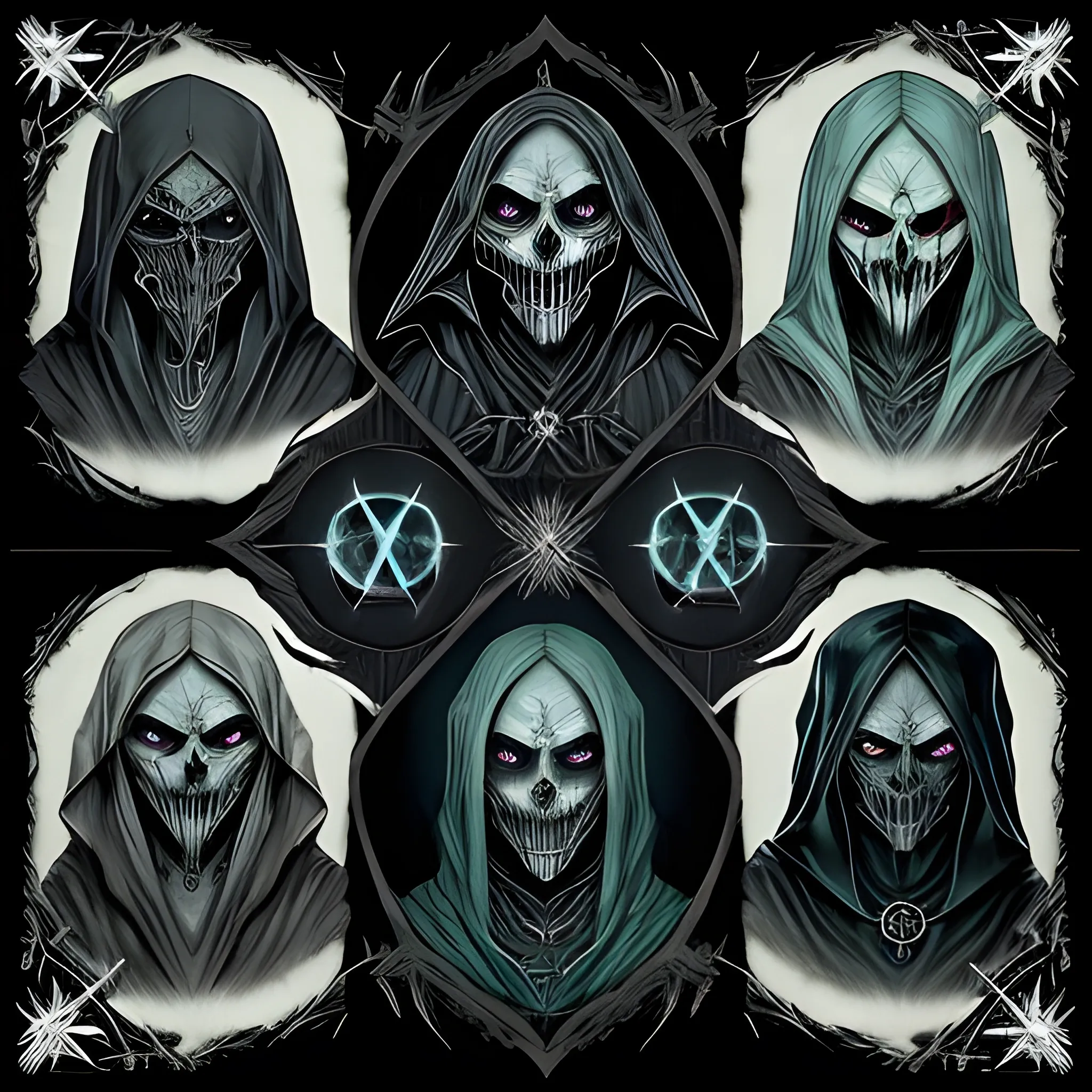
Dark Attire: The cultists wear long , flowing robes in shades of deep purple , black , or dark gray. The robes are often adorned with occult symbols and sigils associated with necromantic magic and Malachi's dark influence. The hoods of their robes are typically pulled up , casting shadows over their faces , giving them an air of mystery and menace. Face Coverings: Some cultists wear face coverings or masks , further obscuring their features. These coverings often feature unsettling designs , such as skeletal faces or demonic visages , symbolizing their allegiance to death and darkness. Occult Accessories: Cultists may wear various occult accessories , such as bone necklaces , finger bones , or amulets adorned with dark gems or symbols. These items are believed to channel the powers of necromancy and connect the wearer to the forces of evil. Pallid Skin: Prolonged exposure to dark magic and their devotion to Malachi may give the cultists' skin a sickly pallor , further emphasizing their otherworldly appearance. Glowing Eyes: In some cases , the eyes of the cultists may glow with an unnatural or eerie light , hinting at their connection to the dark powers they serve. The glow can be a pale blue , sickly green , or even crimson , depending on the nature of their necromantic abilities. Ritualistic Tattoos: Some cultists bear ritualistic tattoos etched into their skin , marking their allegiance to Malachi and the dark arts. These tattoos often depict ominous symbols , arcane runes , or images associated with death and decay. Feral Traits: As a result of their embrace of dark powers , some cultists may display feral traits , such as elongated canine teeth or claw-like nails , reminiscent of creatures of the night. Overall , the appearance of Malachi's cultists is haunting and unsettling , with an aura of darkness and malevolence. Their attire , accessories , and physical features convey their allegiance to the fallen Aasimar and their commitment to furthering his nefarious plans. As they move in shadows and secrecy , they pose a significant threat to the world , ready to carry out their master's bidding and plunge Lumina Isle into everlasting darkness. ,
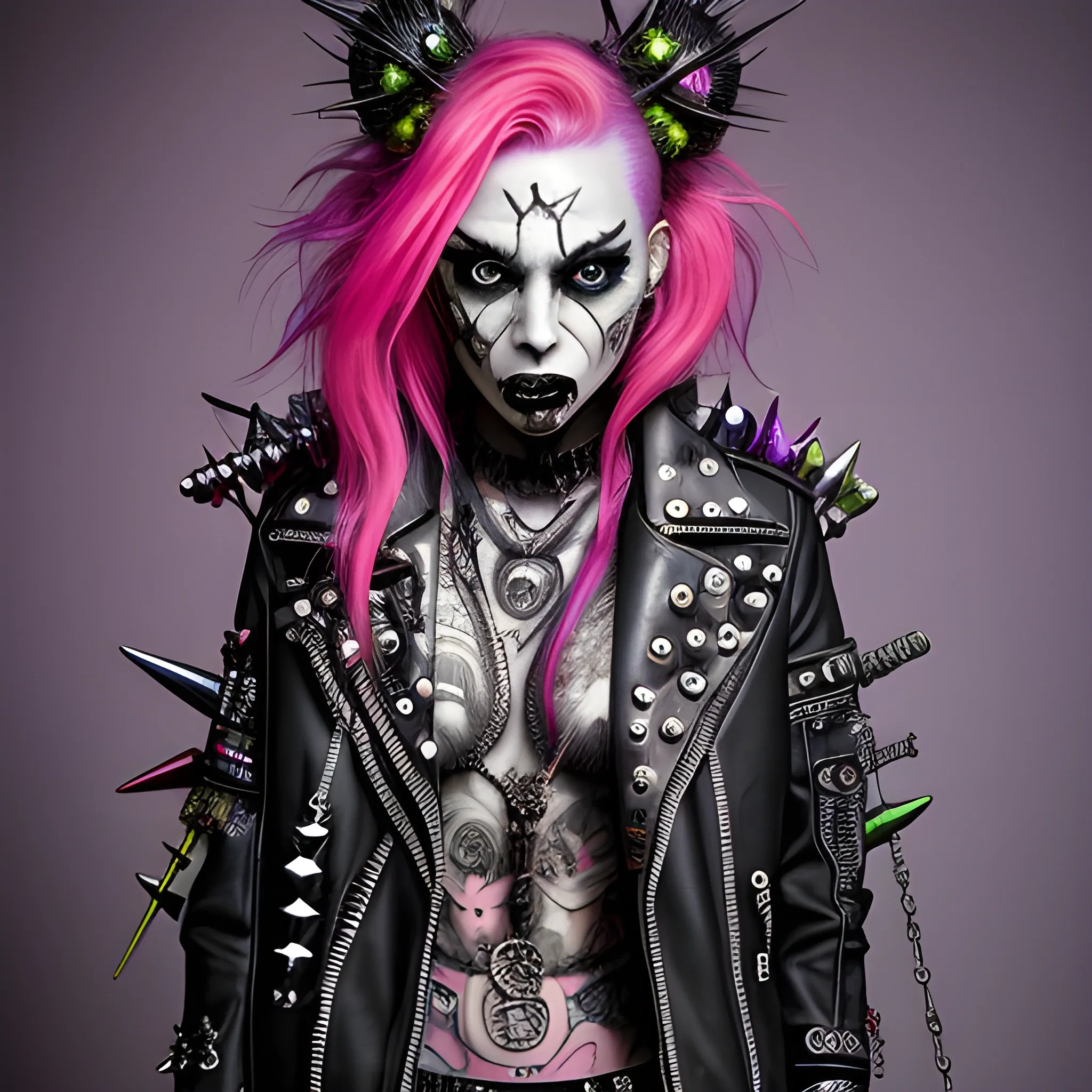
Acid Rebel is a striking and rebellious figure with a unique appearance that reflects their nature as an individual who thrives amidst chaos. Their physical appearance and clothing are a testament to their nonconformity and unpredictable nature. Hair: Acid Rebel's hair is a vivid and wild cascade of neon colors. It may be a mix of lime green , electric blue , and fiery red , extending in untamed locks that flow freely around their head. Eyes: Their eyes are intense and piercing , often a striking shade of emerald green or deep violet , which seems to shimmer with an otherworldly glow. Their gaze exudes confidence and a hint of defiance. Complexion: Acid Rebel's skin tone is usually pale , contrasting with the vibrant colors of their hair and attire. Tattoos and Piercings: The rebel is adorned with various intricate tattoos and piercings that symbolize their affinity for chaos and their journey as a free spirit. They might have tattoos depicting swirling vortexes , chaotic symbols , or images of mythical creatures from the planes of chaos. Clothing: Acid Rebel's clothing is an eclectic mix of styles , all tied together by a theme of chaos and rebellion. They favor leather jackets adorned with spikes and studs , symbolizing their untamed spirit. Their shirts may bear provocative slogans or abstract , chaotic designs. Their pants could be adorned with various straps and buckles , lending to their edgy and unconventional look. Accessories: The character sports a collection of accessories that add to their unique style. These could include fingerless gloves , chunky chains , and a collection of rings and earrings in various shapes and sizes. Weapons: Acid Rebel wields unconventional weapons that embody their chaotic nature. They might carry an acid-imbued whip , a set of throwing knives with colorful handles , or a weapon that changes form with their emotions , reflecting the ever-shifting nature of chaos. Overall Demeanor: Acid Rebel moves with a confident swagger , radiating a sense of unpredictability. Their body language conveys a rebellious spirit , always on the lookout for opportunities to stir up chaos and challenge the status quo. Background: Acid Rebel's background is shrouded in mystery , and they rarely speak about their past. They are known to have traveled across the planes , encountering diverse cultures and embracing the chaos inherent in each one. This journey has shaped their worldview , and they now stand as a fierce defender of the balance between order and chaos , believing that the two forces are necessary for the world to flourish. As a character , Acid Rebel adds a dash of excitement and unpredictability to any campaign. Their appearance and personality make them memorable , and their motives can be both enigmatic and inspiring , driving the plot forward as they seek to navigate the delicate balance between chaos and order. ,
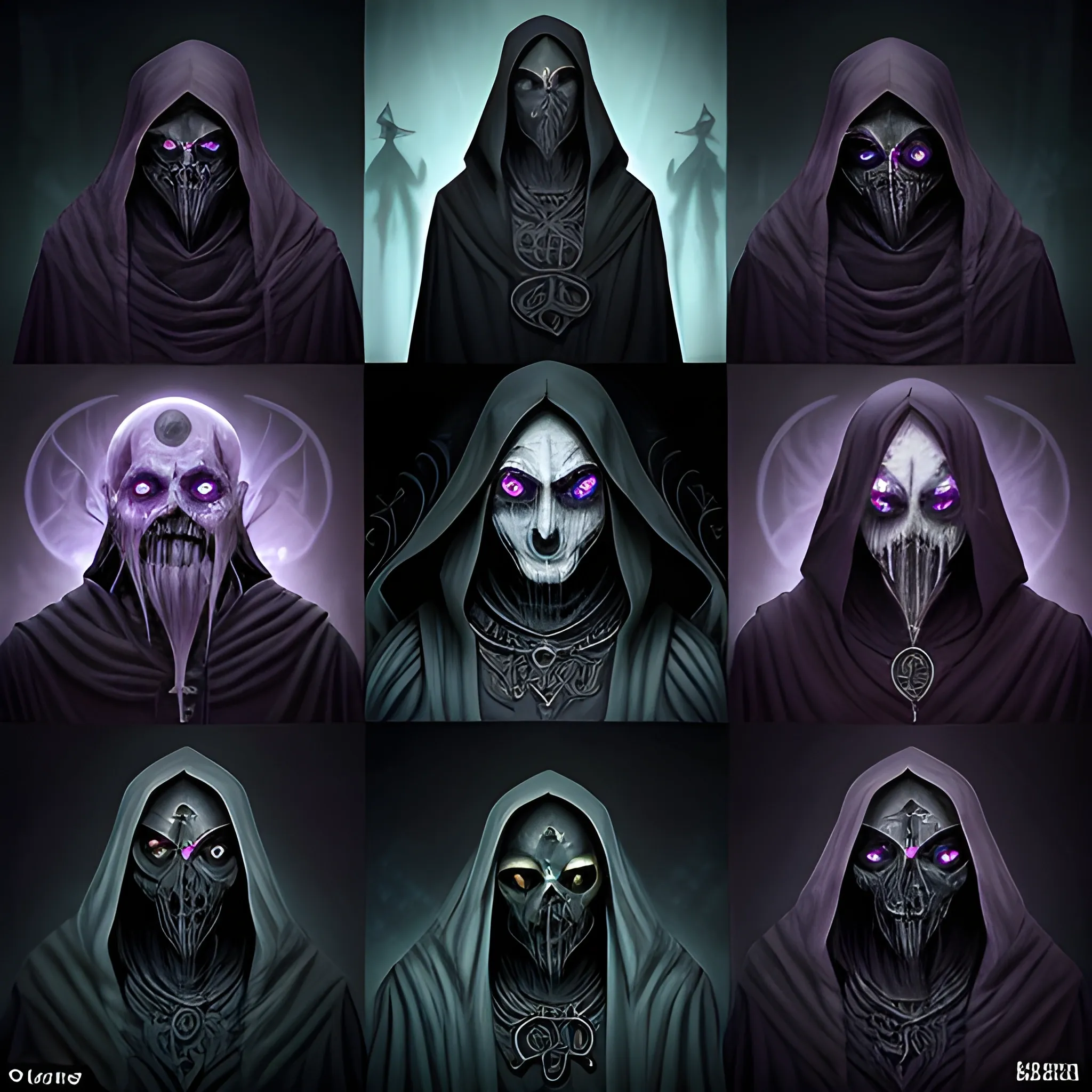
Dark Attire: The cultists wear long , flowing robes in shades of deep purple , black , or dark gray. The robes are often adorned with occult symbols and sigils associated with necromantic magic and Malachi's dark influence. The hoods of their robes are typically pulled up , casting shadows over their faces , giving them an air of mystery and menace. Face Coverings: Some cultists wear face coverings or masks , further obscuring their features. These coverings often feature unsettling designs , such as skeletal faces or demonic visages , symbolizing their allegiance to death and darkness. Occult Accessories: Cultists may wear various occult accessories , such as bone necklaces , finger bones , or amulets adorned with dark gems or symbols. These items are believed to channel the powers of necromancy and connect the wearer to the forces of evil. Pallid Skin: Prolonged exposure to dark magic and their devotion to Malachi may give the cultists' skin a sickly pallor , further emphasizing their otherworldly appearance. Glowing Eyes: In some cases , the eyes of the cultists may glow with an unnatural or eerie light , hinting at their connection to the dark powers they serve. The glow can be a pale blue , sickly green , or even crimson , depending on the nature of their necromantic abilities. Ritualistic Tattoos: Some cultists bear ritualistic tattoos etched into their skin , marking their allegiance to Malachi and the dark arts. These tattoos often depict ominous symbols , arcane runes , or images associated with death and decay. Feral Traits: As a result of their embrace of dark powers , some cultists may display feral traits , such as elongated canine teeth or claw-like nails , reminiscent of creatures of the night. Overall , the appearance of Malachi's cultists is haunting and unsettling , with an aura of darkness and malevolence. Their attire , accessories , and physical features convey their allegiance to the fallen Aasimar and their commitment to furthering his nefarious plans. As they move in shadows and secrecy , they pose a significant threat to the world , ready to carry out their master's bidding and plunge Lumina Isle into everlasting darkness. ,
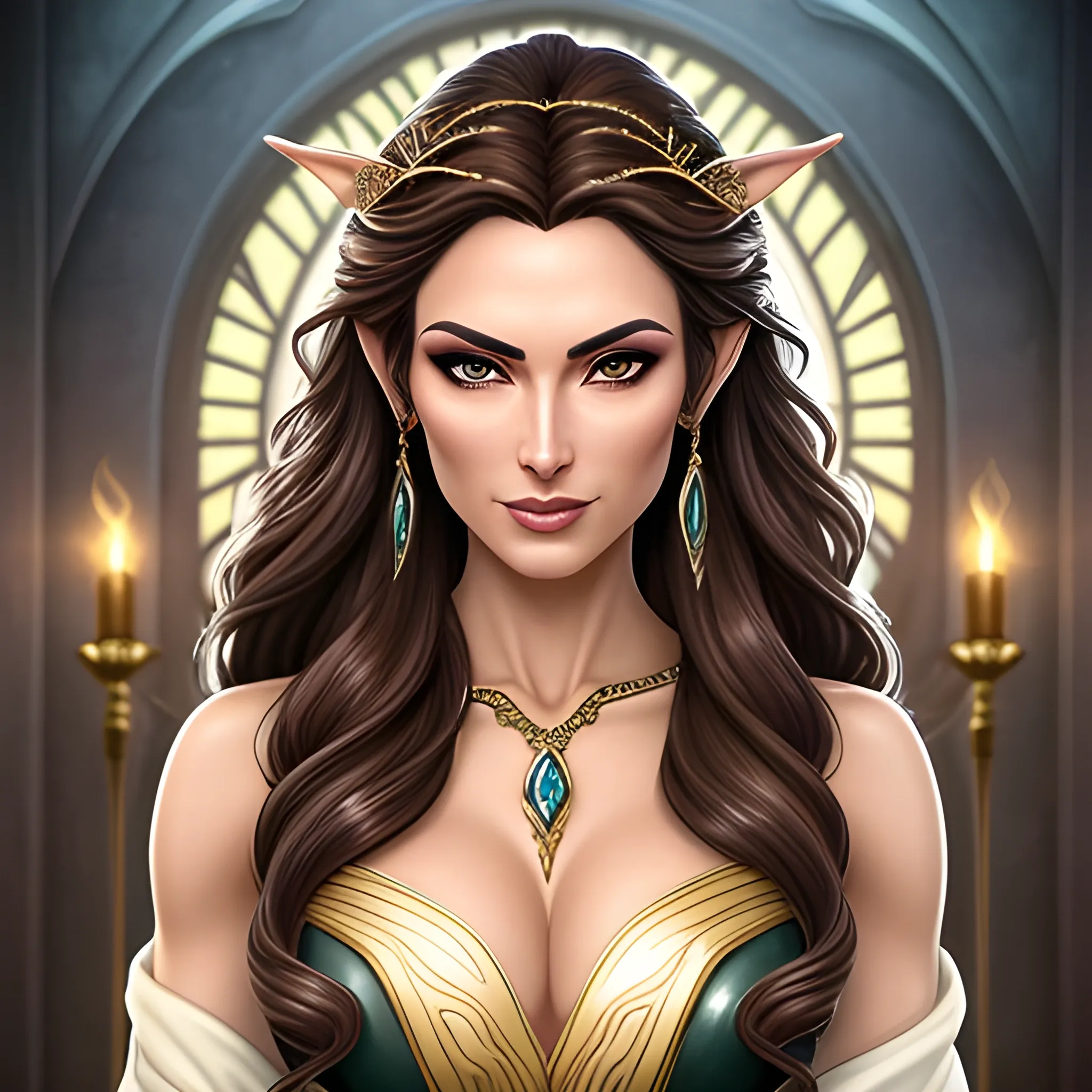
Amara Brightwood , the daughter of Lord Elric Brightwood and the late Isabella , is a young woman who embodies a unique blend of her parents' characteristics and talents. Here is a description of Amara's appearance and age: Amara stands at the cusp of adulthood , having recently reached the age of eighteen. Her presence carries a sense of quiet determination and curiosity. Her youthful energy is tempered by the wisdom she has gained through her family's experiences and the challenges she has faced. With flowing , chestnut-brown hair that falls in loose waves around her shoulders , Amara bears a striking resemblance to her late mother. The rich hues of her hair catch the light , adding depth and dimension to her appearance. Her hair is often adorned with delicate , nature-inspired accessories , reflecting her connection to her elven heritage. Amara's features possess a captivating grace and symmetry. Her eyes , a mesmerizing shade of hazel , seem to mirror her mother's gaze. They hold a sparkle of both intellect and kindness , revealing her sharp intellect and compassionate nature. Her slender nose and softly curved lips add to her overall appeal , conveying a sense of warmth and approachability. While Amara's age places her on the threshold of adulthood , she retains a youthful vitality and enthusiasm for life. Her form exhibits the graceful yet lean build of her elven heritage , with an underlying strength that hints at the inner resilience she has inherited from her family. She typically dresses in attire that combines elements of elven elegance and practicality. Flowing robes in earthy tones and accented with subtle elven motifs reflect her connection to nature and her magical lineage. Her choice of accessories often includes delicate silver jewelry , symbolic of her noble heritage. Amara's age marks a pivotal moment in her life as she navigates the legacy of her family and the challenges she must face. She embodies the potential for growth and transformation , carrying within her the spark of her parents' love and the potential to shape her own destiny in the world of magic and adventure. ,
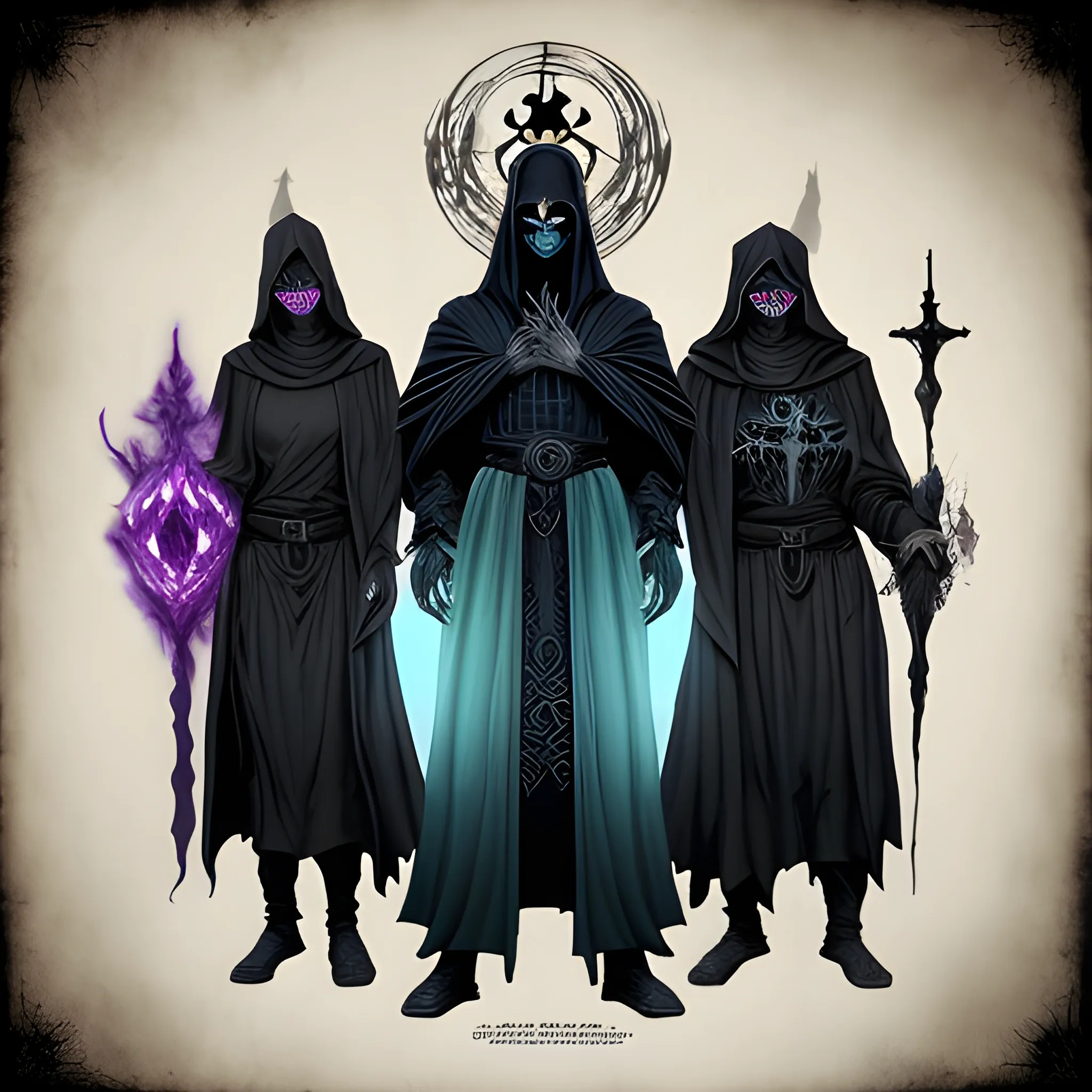
Dark Attire: The cultist wear long , flowing robes in shades of deep purple , black , or dark gray. The robes are often adorned with occult symbols and sigils associated with necromantic magic and Malachi's dark influence. The hoods of their robes are typically pulled up , casting shadows over their faces , giving them an air of mystery and menace. Face Coverings: Some cultists wear face coverings or masks , further obscuring their features. These coverings often feature unsettling designs , such as skeletal faces or demonic visages , symbolizing their allegiance to death and darkness. Occult Accessories: Cultists may wear various occult accessories , such as bone necklaces , finger bones , or amulets adorned with dark gems or symbols. These items are believed to channel the powers of necromancy and connect the wearer to the forces of evil. Pallid Skin: Prolonged exposure to dark magic and their devotion to Malachi may give the cultists' skin a sickly pallor , further emphasizing their otherworldly appearance. Glowing Eyes: In some cases , the eyes of the cultists may glow with an unnatural or eerie light , hinting at their connection to the dark powers they serve. The glow can be a pale blue , sickly green , or even crimson , depending on the nature of their necromantic abilities. Ritualistic Tattoos: Some cultists bear ritualistic tattoos etched into their skin , marking their allegiance to Malachi and the dark arts. These tattoos often depict ominous symbols , arcane runes , or images associated with death and decay. Feral Traits: As a result of their embrace of dark powers , some cultists may display feral traits , such as elongated canine teeth or claw-like nails , reminiscent of creatures of the night. Overall , the appearance of Malachi's cultists is haunting and unsettling , with an aura of darkness and malevolence. Their attire , accessories , and physical features convey their allegiance to the fallen Aasimar and their commitment to furthering his nefarious plans. As they move in shadows and secrecy , they pose a significant threat to the world , ready to carry out their master's bidding and plunge Lumina Isle into everlasting darkness. ,

Appearance: The bartender is a friendly and approachable figure , often standing behind a well-polished wooden counter , ready to greet patrons with a warm smile. They are typically dressed in clean and practical attire , such as a simple shirt and apron , allowing them to move freely while tending to the needs of the establishment. Bartenders may have a knack for stylish flair , flipping bottles and mixing drinks with impressive skill and showmanship. Features: Bartenders are not only skilled at pouring drinks but also possess an innate talent for reading people. They are excellent listeners and storytellers , making them well-versed in the art of conversation and able to keep the spirits of the patrons high. Bartenders are masters of their craft , knowing how to mix a wide variety of beverages , from the strongest spirits to the most refreshing mocktails. Habitat: Bartenders can be found in a variety of establishments , from bustling taverns and rowdy inns to upscale lounges and cozy pubs. They are the heart and soul of these establishments , creating an inviting and social atmosphere where patrons can relax and unwind. In your DND world , bartenders might be found in port cities , adventurers' resting spots , or inns along major trade routes. Behavior: Bartenders are generally friendly and accommodating , treating each patron with respect and providing a listening ear to those who seek to share their tales or troubles. They are skilled at keeping the mood light and the atmosphere lively , helping patrons forget their worries and enjoy the moment. Bartenders are also observant , able to discern when a patron may need some space or when a situation may require their intervention. Role in the World: In your DND world , bartenders play a crucial role in providing information and facilitating interactions between adventurers and locals. They can be valuable sources of rumors , gossip , and leads for quests , as they are often privy to the comings and goings of many travelers and regular patrons. Bartenders can also act as a connection point between characters and quest-givers or provide hints on how to tackle challenges. Encountering a bartender in your campaign can offer players a chance to unwind and immerse themselves in the rich tapestry of the world you've created. These interactions can create opportunities for role-playing and character development as players engage in friendly conversations , exchange stories with locals , or seek information to further their quests. The presence of bartenders in your campaign world adds a touch of authenticity and familiarity , making the settings feel more alive and vibrant. These characters can offer a glimpse into the everyday lives of the people who inhabit your DND world , providing a sense of community and camaraderie amidst the excitement of adventuring. From lively taverns to quiet roadside inns , bartenders can become memorable and beloved NPCs who add depth and flavor to your DND campaign. ,

Appearance: The Strong-Looking Ape is a large and imposing primate , exuding raw strength and power in its every movement. It has a robust and muscular body covered in coarse , dark fur , which can range from black to deep brown or reddish hues. Its shoulders are broad and powerful , and its arms are long and muscular , capable of delivering devastating blows. The Strong-Looking Ape's face is expressive , with intelligent eyes that convey both curiosity and a hint of primal ferocity. Features: The Strong-Looking Ape is a formidable creature , possessing incredible physical strength and agility. Its powerful arms allow it to swing through trees with ease , making it a skilled climber and acrobat. In addition to its raw physical power , the Strong-Looking Ape's thick fur offers protection against environmental elements and minor injuries. Habitat: Strong-Looking Apes are typically found in dense jungles , vast forests , and remote mountainous regions. They are highly adaptable creatures , capable of surviving in a variety of environments. In your DND world , they might inhabit hidden valleys or ancient ruins , guarding sacred territories or serving as protectors of natural wonders. Behavior: While the Strong-Looking Ape is an intelligent creature , it primarily relies on its physical prowess to navigate its surroundings and interact with others. It lives in social groups or troops , exhibiting complex communication through vocalizations , body language , and gestures. While generally non-aggressive toward other creatures , the Strong-Looking Ape fiercely defends its territory and family from perceived threats. Role in the World: In your DND world , Strong-Looking Apes could be seen as noble creatures embodying the untamed spirit of nature. Druids and rangers might have a special connection with these primates , viewing them as symbols of strength , adaptability , and primal wisdom. Encountering a Strong-Looking Ape in the wild can be a captivating and potentially dangerous experience for adventurers. Players may witness the ape's impressive physical abilities as it swings effortlessly through the trees or engages in playful displays with other members of its troop. While generally non-aggressive , provoking or threatening a Strong-Looking Ape or its family could lead to a fierce defense , forcing players to use diplomacy or demonstrate respect for the creatures' territory. The presence of Strong-Looking Apes in your campaign adds an element of mystery and awe to the wilderness. Players might encounter these intelligent and powerful creatures during their explorations , offering opportunities for unique and memorable interactions. Strong-Looking Apes can serve as guardians of ancient sites , allies to druids seeking to protect the natural world , or even opponents in thrilling feats of strength and agility. Their presence in your DND world contributes to the rich tapestry of wildlife and brings a sense of wonder to the untamed corners of your campaign setting. ,
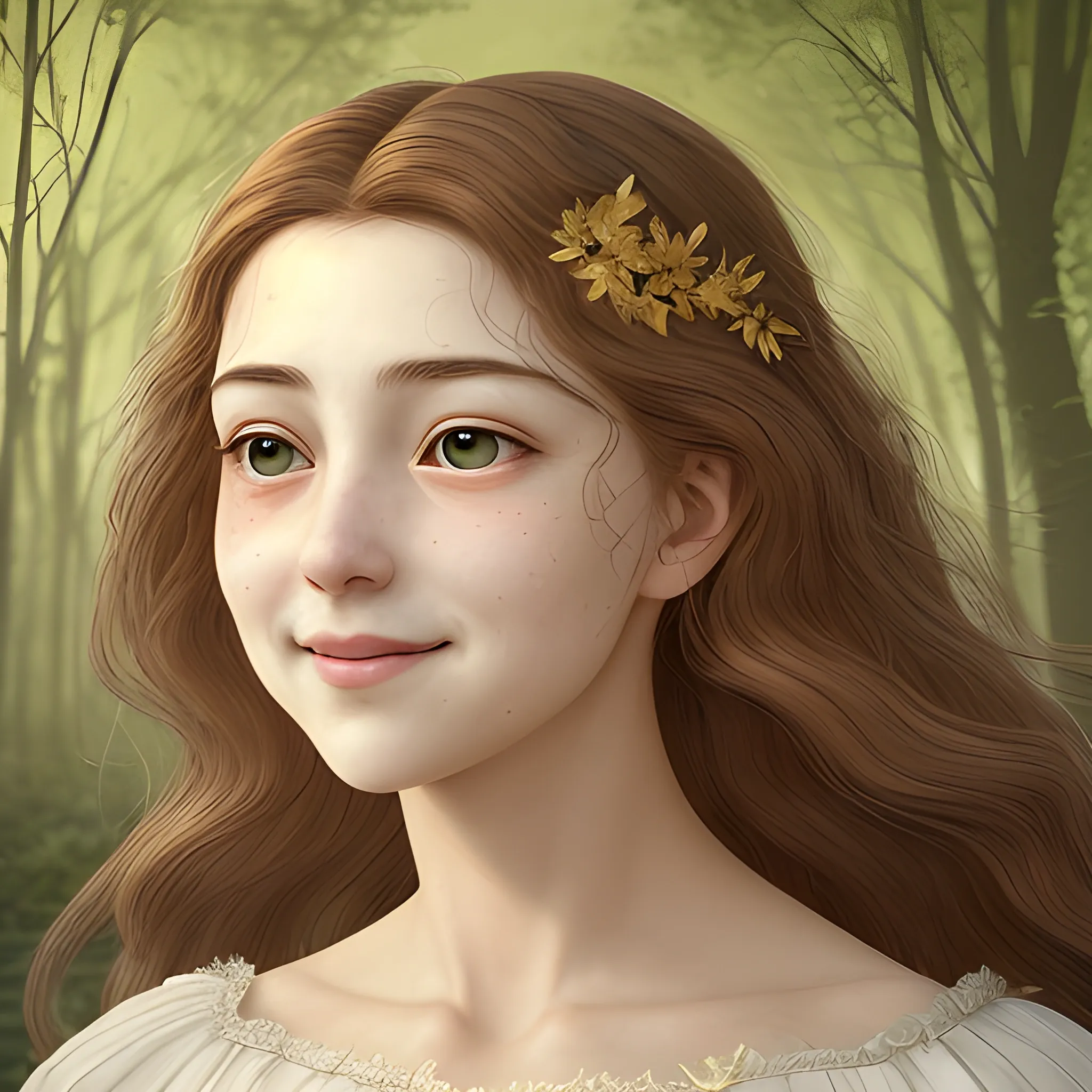
Isabella has a graceful and refined presence , her features reflecting her human lineage. Her fair complexion bears a soft , rosy hue , complementing her warm and compassionate nature. Though touched by the curse , her natural beauty still shines through , albeit with a touch of sorrow in her gaze. Her eyes , once sparkling with life and vitality , now hold a hint of melancholy. They are a mesmerizing shade of hazel , with flecks of gold and green that mirror the hues of a tranquil forest. They radiate kindness and depth , reflecting the empathy and understanding that she embodies. Cascading locks of chestnut-brown hair frame her face , flowing in gentle waves down to her shoulders. The hair retains its luster , albeit somewhat dulled by the curse. It carries a wistful charm , as if whispering tales of a forgotten joy. Isabella's figure is slender and graceful , her movements carrying an elegance befitting her noble upbringing. She adorns herself in simple yet tasteful garments , favoring flowing dresses of muted colors that match the melancholic air that surrounds her. Her countenance , once radiant with joy and laughter , now bears a touch of sadness. Though the curse has taken its toll , her inner strength and resilience still shine through , and a warm smile can occasionally grace her lips , offering glimpses of the joy she once experienced. Despite the Veil of Shadows that cloaks her , Isabella's beauty remains a poignant reminder of the vibrant and loving person she once was. Her appearance serves as a reflection of the tragedy that has befallen her and the enduring spirit that she carries within. ,
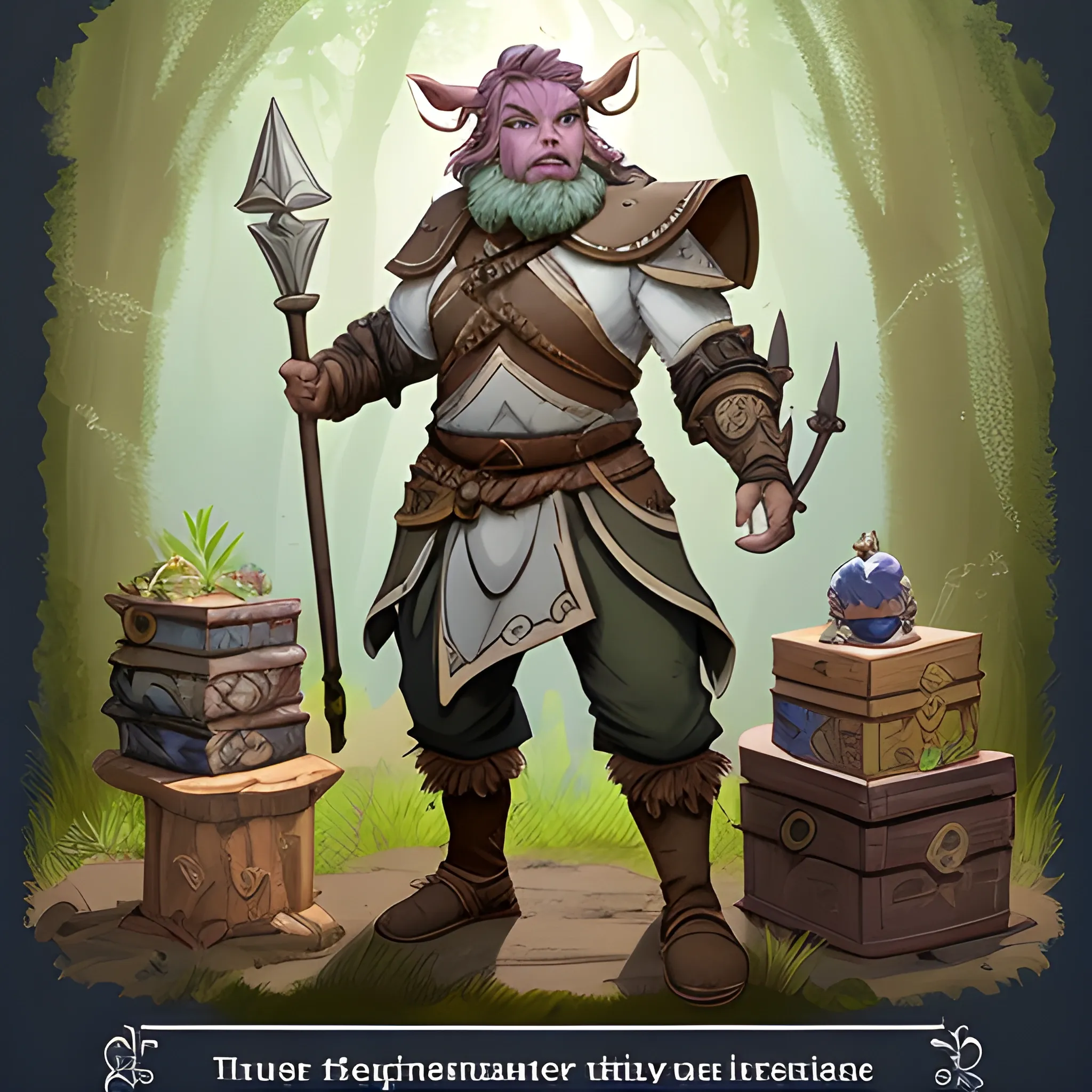
Appearance: The Firbolg paladin merchant is an imposing yet gentle figure , embodying the harmonious blend of strength and compassion. Standing tall , their towering frame is covered in earth-toned fur , seamlessly blending with the natural surroundings. Their eyes radiate a sense of wisdom and kindness , and their warm smile puts even the weariest travelers at ease. They wear simple and practical attire , adorned with handcrafted symbols of their devotion to their chosen path as a paladin. Features: The Firbolg paladin merchant is not just a purveyor of goods but also a protector of the weak and defender of justice. They possess a deep-rooted sense of empathy and strive to bring peace and prosperity to all they encounter. Their connection with nature grants them a unique understanding of the land and its resources , allowing them to offer rare and sustainable goods to their customers. Habitat: The Firbolg paladin merchant can be found traveling far and wide , bringing their wares and ideals to both bustling cities and remote villages. They often set up stalls at the edges of markets or in the midst of nature , attracting customers seeking ethically sourced and ecologically friendly products. In your DND world , this Firbolg might hail from a sacred grove , a guardian of ancient traditions , or a wandering advocate for harmony and balance. Behavior: True to their Firbolg nature , the paladin merchant is a calm and introspective individual , always seeking to understand the needs and desires of others. They are not driven by greed or ambition but by a deep desire to make the world a better place. As a paladin , they uphold a strict code of honor and strive to protect the innocent and bring justice to those who harm others. Role in the World: In your DND world , the Firbolg paladin merchant is a symbol of ethical commerce and responsible entrepreneurship. Their stalls are a haven for those seeking ethically sourced goods and rare items that won't harm the environment. Adventurers may find themselves drawn to the paladin merchant , not just for their unique products , but also for the wisdom and guidance they offer. Encountering a Firbolg paladin merchant in your campaign can be an uplifting and transformative experience for players. It presents an opportunity to explore themes of environmental stewardship , social responsibility , and the impact of commerce on the world. The interactions with this paladin merchant can lead to inspiring role-playing moments , where players might learn about the importance of balance and the interconnectedness of all living things. The presence of a Firbolg paladin merchant in your campaign world adds a touch of nature and spirituality to the commercial landscape. Their presence is a reminder that commerce can be a force for good , and the choices individuals make can have far-reaching consequences for the world. This NPC can become a cherished and respected character in your DND campaign , leaving a lasting impression on players as they navigate the complexities of commerce and ethics in your vibrant and dynamic world. ,
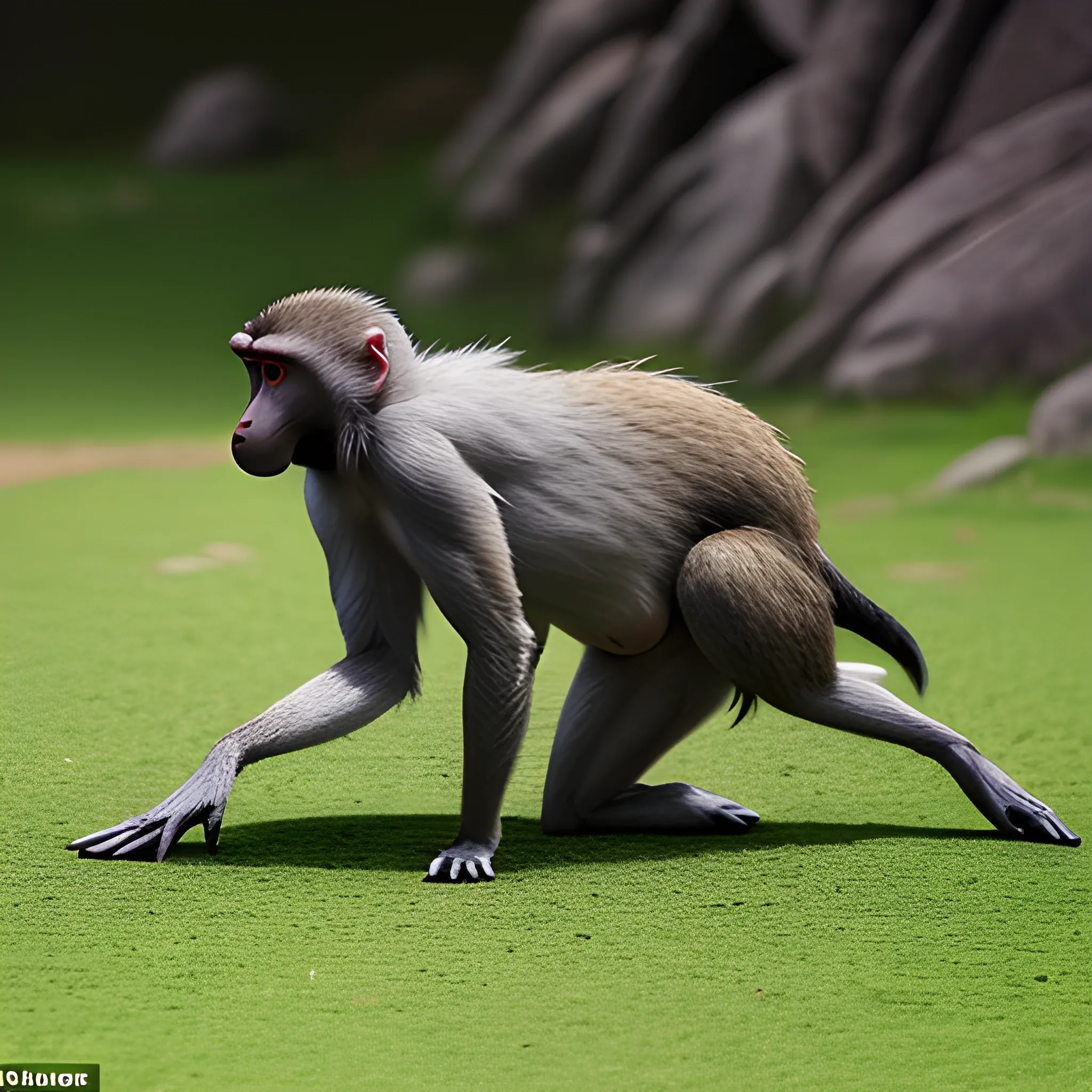
Appearance: The Baboon is a medium-sized primate with a distinctive and charismatic appearance. It has a robust and muscular body , covered in short fur that can range in color from brown to gray or even olive-green. Baboons have a dog-like snout , sharp teeth , and a hairless face with prominent cheek pouches , which they use to store food. They have long arms and powerful legs , allowing them to move quickly and with agility. Features: Baboons are highly social creatures , living in close-knit troops that can consist of a few individuals to larger groups. Their intelligence and adaptability enable them to survive in various environments , from lush jungles to arid savannahs. They are known for their strong social hierarchy and complex communication , using vocalizations , gestures , and facial expressions to convey emotions and intentions. Habitat: Baboons are versatile animals that can thrive in a range of habitats , including forests , grasslands , and mountainous regions. They are often found near water sources , as they require regular access to drinking water. In your DND world , baboons might inhabit areas with lush vegetation or live in proximity to humanoid settlements , scavenging for food scraps. Behavior: Baboons are opportunistic omnivores , with a varied diet that includes fruits , leaves , seeds , insects , and small animals. They are skilled climbers and can use their agility to escape predators or reach high-up food sources. Baboons are known for their playfulness , engaging in social interactions , grooming , and even games with each other. Role in the World: In your DND world , baboons could serve as a part of the natural ecosystem or be associated with certain deities or nature spirits. Druids and rangers might have a special connection with baboons , viewing them as symbols of adaptability and community. Encountering baboons in the wild could present various opportunities for adventurers. They might have non-combat interactions with the primates , such as observing their social behaviors or using animal handling skills to communicate with them. Baboons could also play a role in quests involving local tribes or settlements , where their presence might be considered either beneficial or problematic depending on the circumstances. While not inherently aggressive , baboons can defend themselves and their troop if they feel threatened , making it essential for adventurers to approach them with respect and caution. ,