Search Results for typical
Explore AI generated designs, images, art and prompts by top community artists and designers.
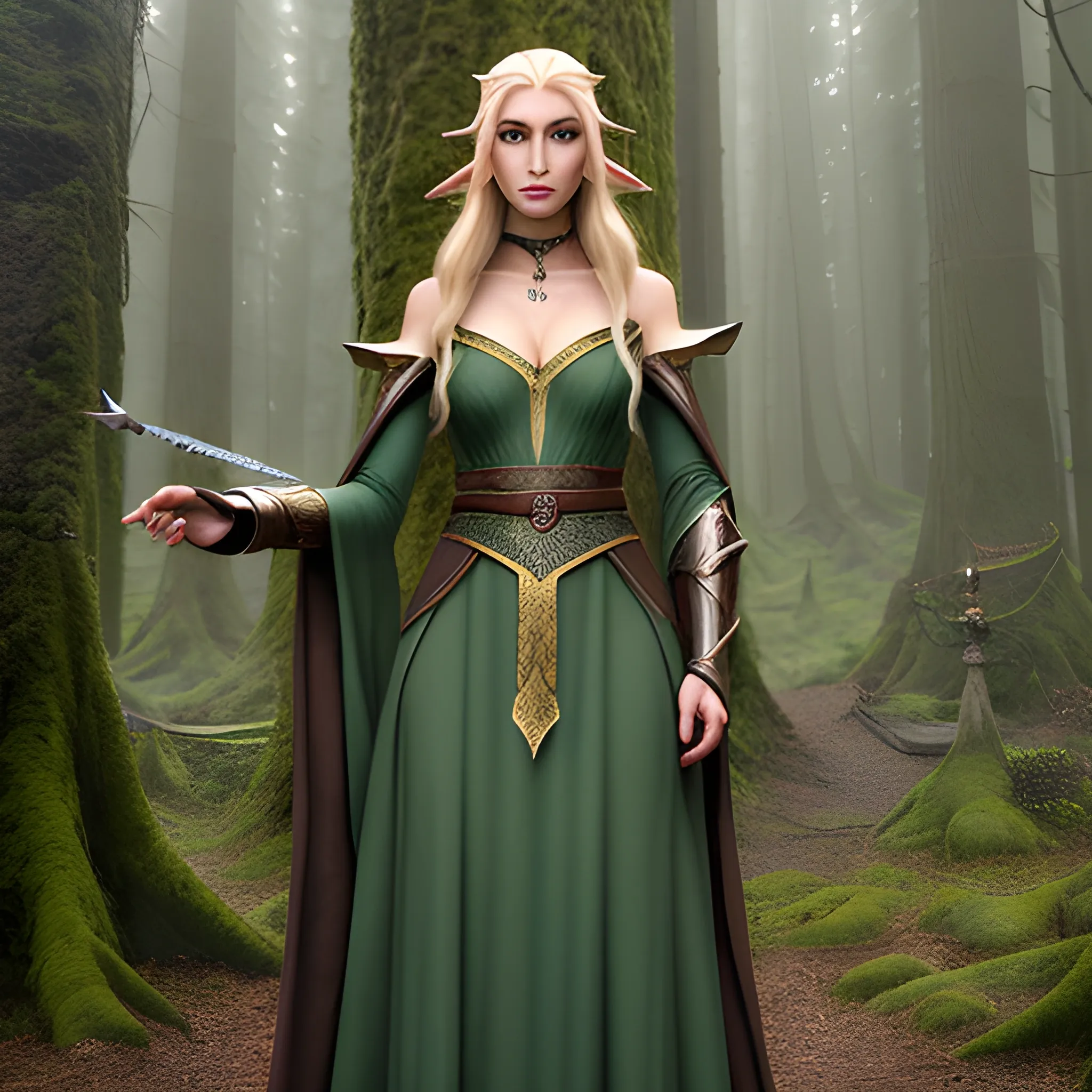

Lianna is distinguished by her long , blonde hair. Her hair falls to her shoulders in soft waves , and their golden color shines under the forest sun. His eyes are bright green , reminiscent of the endless green of the forest. These eyes are very deep and reflect the wisdom and experience of the elves who have lived in them for thousands of years. Her skin is white and delicate , shining like pearls , typical of elven people. The face is long and thin , the nose and cheeks are thin , and the lips are thin and naturally red. And the expression on his face is serious but kind; despite all the hardships he has gone through , he has maintained strength and confidence. Lyanna is dressed like an elven warrior. His body is covered in light armor , which is comfortable and durable , decorated with forest-inspired patterns. Her clothing is light and in shades of green , brown and light blue that blend with the forest , making her one with nature. He also carries a small vial (vial) with an old and mysterious appearance , which is a reminder of his healing abilities. A lyanna is usually armed with a long , thin sword or a bow , which is common among elves. He is tall and his movements are smooth and natural , which shows his lightness and agility. Her overall appearance is bold yet subtle and elegant , matching her strong yet empathetic nature. , 3D , ,
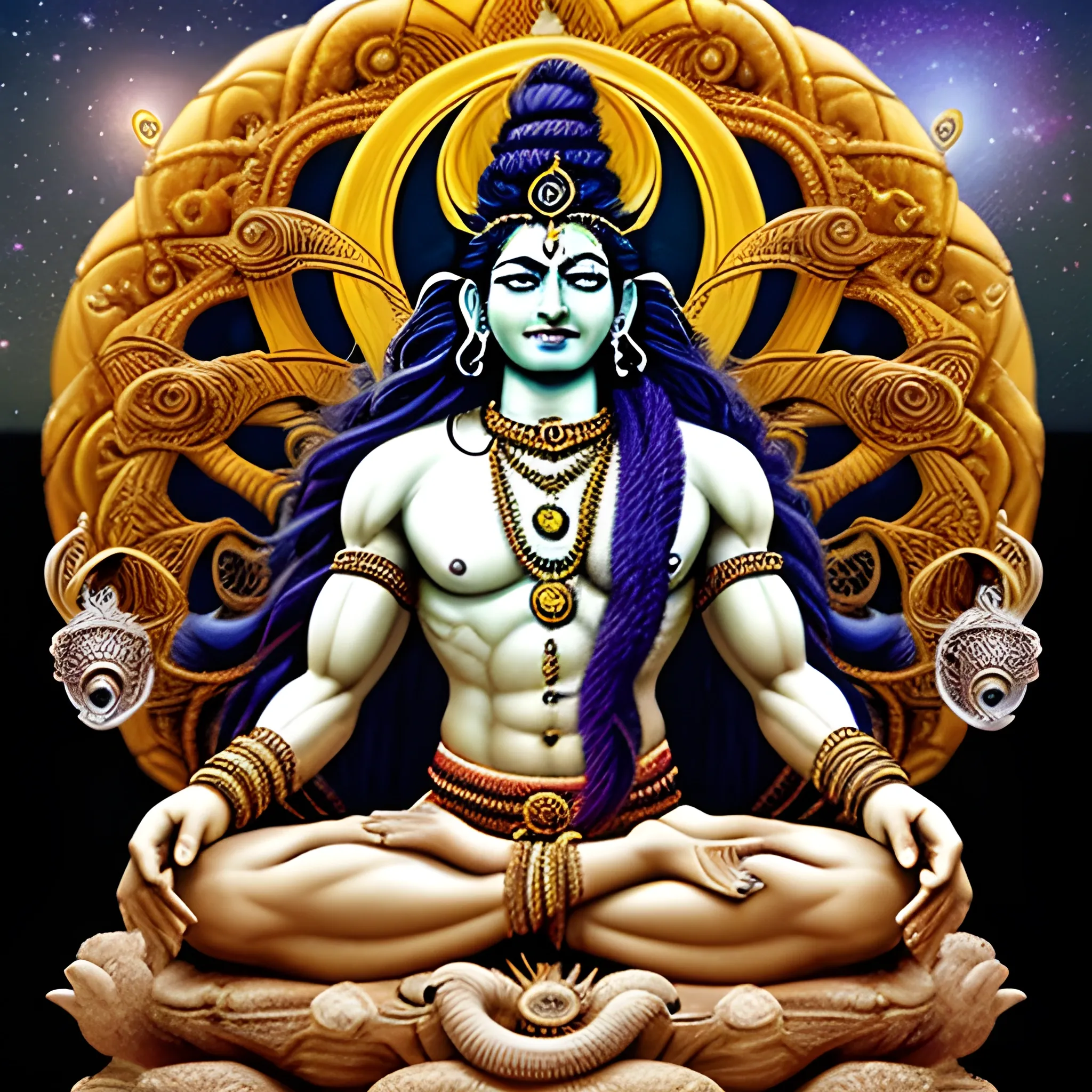
In Hindu scriptures , Lord Shiva is described as a majestic and awe-inspiring deity with distinct physical features. Here are some key aspects of his physicality: Physical Appearance: 1. Body: Shiva's body is often depicted as slender and tall , with a radiant , luminous complexion. 2. Skin: His skin is described as "neela" or blue-gray , symbolizing his association with the infinite sky and the cosmos. 3. Hair: Shiva's hair is typically depicted as matted and tangled , with the Ganges River flowing through it. 4. Eyes: His eyes are described as three , with the third eye (also known as the "ajna" or command center) situated on his forehead , between his eyebrows. 5. Face: Shiva's face is serene and tranquil , with a subtle , enigmatic smile. Symbolic Adornments: 1. Snake around his neck: Representing his control over time and destiny. 2. Crescent moon on his forehead: Signifying his connection to the lunar cycle and the cycles of life. 3. Ganges River in his hair: Symbolizing his association with spiritual purification. 4. Sacred ashes (vibhuti) on his body: Representing his detachment from worldly desires. 5. Rudraksha beads around his neck: Signifying his connection to the cosmos. Postures and Attitudes: 1. Padmasana (Lotus Position): Shiva is often depicted seated in this posture , symbolizing spiritual growth and enlightenment. 2. Nataraja (Dancing King): Shiva's cosmic dance represents the cycle of creation , preservation , and destruction. Scriptural References: These descriptions are based on various Hindu scriptures , including: 1. The Vedas 2. The Upanishads 3. The Puranas (especially the Shiva Purana) 4. The Mahabharata 5. The Bhagavata Purana Some key verses that describe Shiva's physicality include: - "Shiva is blue-throated , with three eyes , and his body is smeared with ashes." (Shiva Purana , 2.3.15) - "His hair is matted , and the Ganges flows through it." (Mahabharata , 13.17.33) - "He wears a snake around his neck and has a crescent moon on his forehead." (Bhagavata Purana , 4.2.12) Please note that Hindu scriptures offer diverse descriptions of Shiva's physicality , and these may vary across different traditions and interpretations. make a posture as described above ,

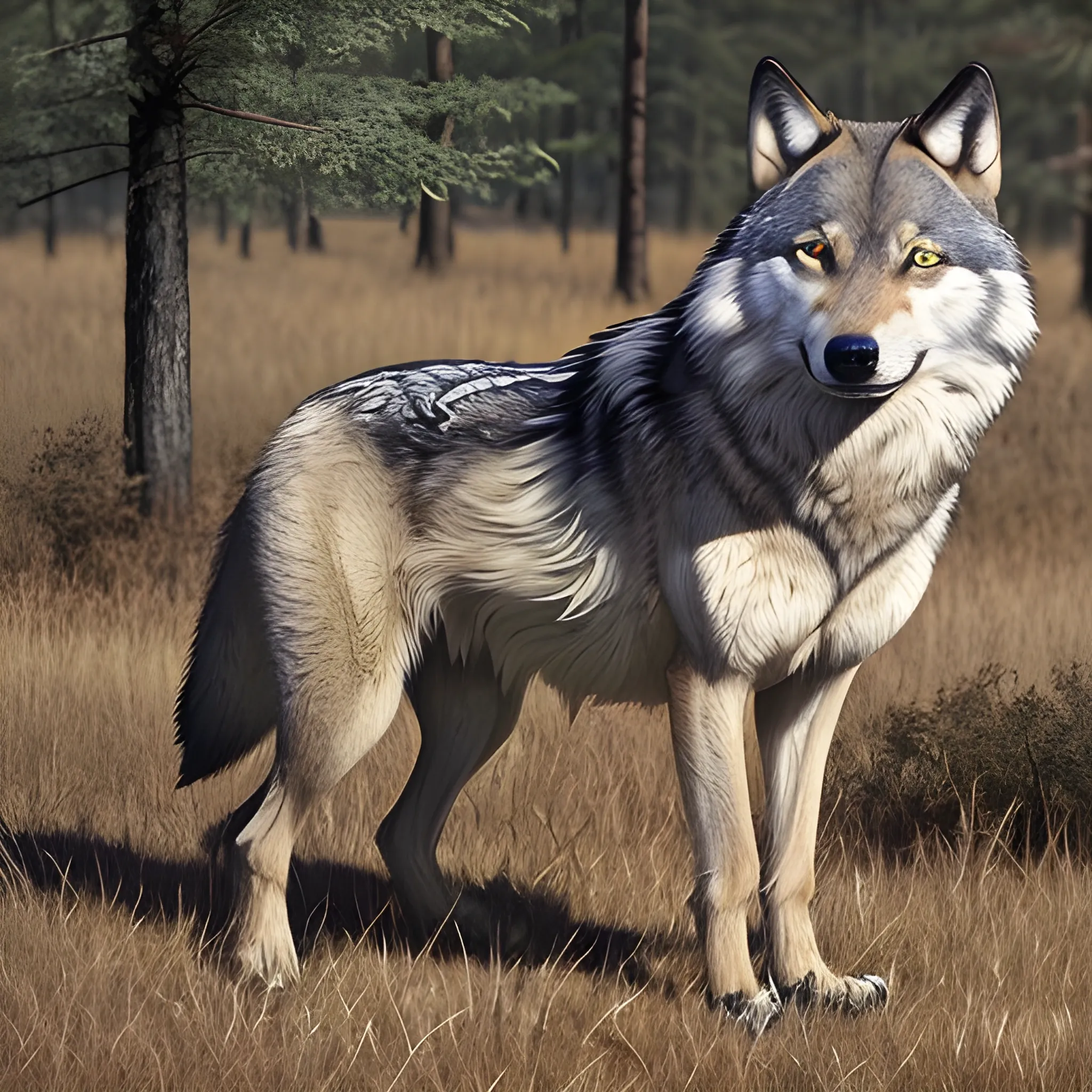
Appearance: The wolf is a majestic and intelligent creature that roams the untamed wilderness of your DND world. Wolves have a lean and muscular build , with a fur coat that can vary in color , including shades of gray , brown , black , and white. Their fur is usually thick and provides protection against harsh weather conditions. Adult wolves typically stand around 2 to 3 feet tall at the shoulder and can weigh between 60 to 150 pounds , with males being larger than females. Features: Wolves have keen senses , including exceptional hearing and a powerful sense of smell. Their sharp teeth and strong jaws are designed for hunting and consuming a wide range of prey. They have long legs , allowing them to cover great distances quickly when pursuing prey or patrolling their territory. Wolves' paws have well-developed pads , enabling them to move silently and skillfully through various terrains. Habitat: Wolves are highly adaptable creatures and can be found in a variety of habitats , including forests , grasslands , and tundra. They often inhabit remote and untouched regions , away from human settlements. In your DND world , they might roam vast stretches of wilderness or even be associated with specific forested areas. Behavior: Wolves are social animals , living in close-knit packs led by an alpha male and female. They exhibit strong family bonds , working together to hunt and protect their territory. In your DND world , packs of wolves might be seen as symbols of loyalty , teamwork , and the balance of nature. Lone wolves could also be encountered , either as solitary hunters or as outcasts from their original packs. Role in the World: In your DND world , wolves might play an essential role in the ecosystem , helping to control the populations of herbivores and maintaining a healthy balance in the natural environment. Druids and rangers might have a special connection with wolves , viewing them as guardians of the wild and emblems of freedom. Encountering wolves in the wild could present various opportunities for adventurers. They might have chances to peacefully observe wolves from a distance or use animal handling skills to communicate with them. In certain situations , adventurers could witness the social dynamics of a wolf pack or even be assisted by friendly wolves in their quests. However , engaging in combat with a pack of wolves could be a challenging encounter , as their coordinated attacks and pack mentality make them formidable predators. ,
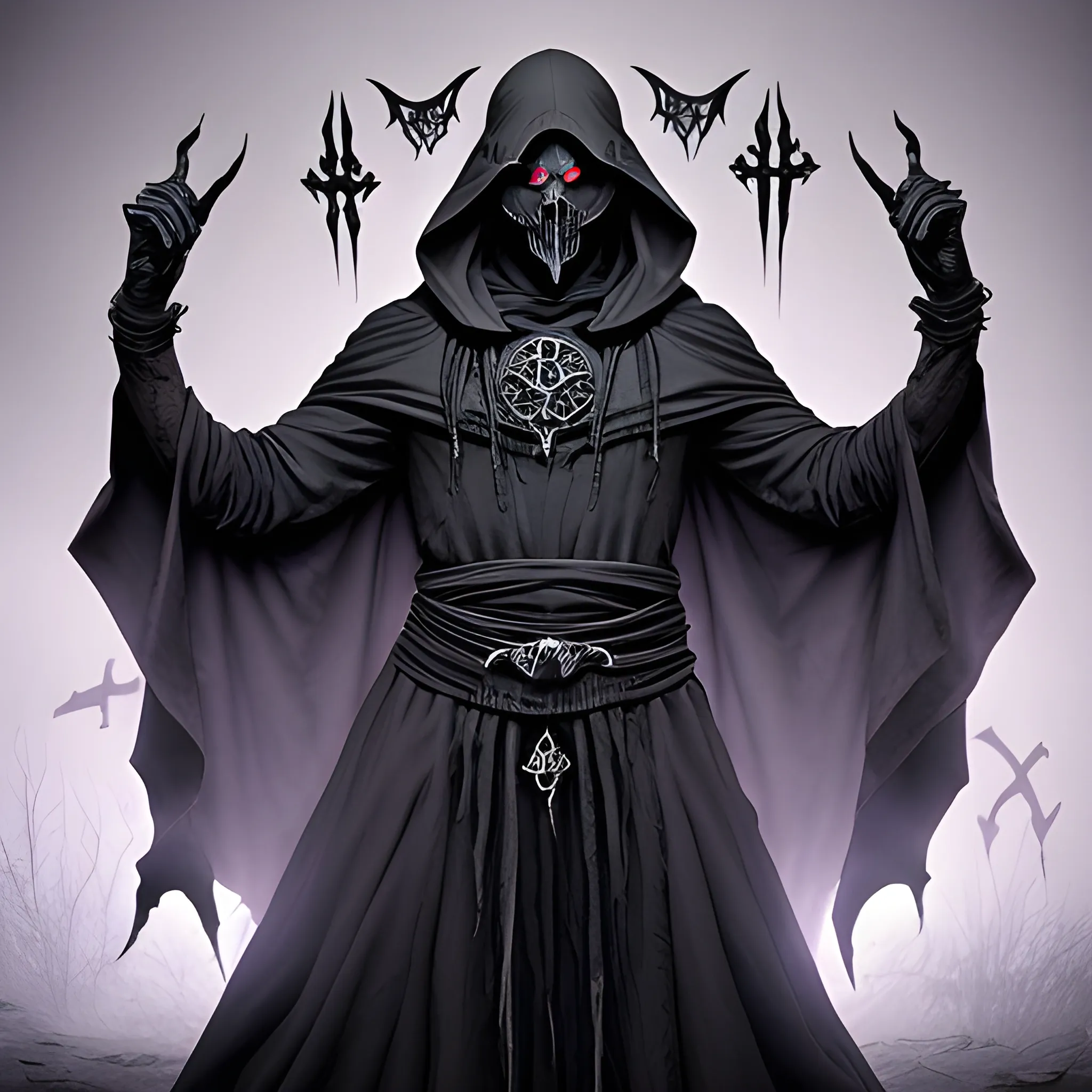
Dark Attire: The cultists wear long , flowing robes in shades of deep purple , black , or dark gray. The robes are often adorned with occult symbols and sigils associated with necromantic magic and Malachi's dark influence. The hoods of their robes are typically pulled up , casting shadows over their faces , giving them an air of mystery and menace. Face Coverings: Some cultists wear face coverings or masks , further obscuring their features. These coverings often feature unsettling designs , such as skeletal faces or demonic visages , symbolizing their allegiance to death and darkness. Occult Accessories: Cultists may wear various occult accessories , such as bone necklaces , finger bones , or amulets adorned with dark gems or symbols. These items are believed to channel the powers of necromancy and connect the wearer to the forces of evil. Pallid Skin: Prolonged exposure to dark magic and their devotion to Malachi may give the cultists' skin a sickly pallor , further emphasizing their otherworldly appearance. Glowing Eyes: In some cases , the eyes of the cultists may glow with an unnatural or eerie light , hinting at their connection to the dark powers they serve. The glow can be a pale blue , sickly green , or even crimson , depending on the nature of their necromantic abilities. Ritualistic Tattoos: Some cultists bear ritualistic tattoos etched into their skin , marking their allegiance to Malachi and the dark arts. These tattoos often depict ominous symbols , arcane runes , or images associated with death and decay. Feral Traits: As a result of their embrace of dark powers , some cultists may display feral traits , such as elongated canine teeth or claw-like nails , reminiscent of creatures of the night. Overall , the appearance of Malachi's cultists is haunting and unsettling , with an aura of darkness and malevolence. Their attire , accessories , and physical features convey their allegiance to the fallen Aasimar and their commitment to furthering his nefarious plans. As they move in shadows and secrecy , they pose a significant threat to the world , ready to carry out their master's bidding and plunge Lumina Isle into everlasting darkness. ,
"Create a vector logo inspired by Barzak Zen , a fictional 19th-century character passionate about Art Nouveau and the investigation of strange phenomena. The design should feature a modernist atmosphere , incorporating elements typical of Art Nouveau such as stylized vines and flowers. Barzak Zen is depicted as a mysterious figure , a 40-year-old man with a flat cap , a moderately populated beard , and semi-long hair. He is wearing a 19th-century styled outfit , possibly holding an item related to his investigations like a magnifying glass or a mystical artifact. The background should evoke a sense of mystery and the unknown , with subtle occult symbols and a night sky with the moon and stars. The name 'Barzak Zen' should be integrated into the image in a vintage , ornate font that reflects the era and the character's enigmatic nature. The logo should be vector-based , using colors reminiscent of the 19th century. Ensure he is not smoking and does not appear elderly." , Cartoon , Water Color ,