Explore AI generated designs, images, art and prompts by top community artists and designers.
The hybrid was created by modifying the genome of a Tyrannosaurus rex , with the DNA of three other theropod species that were Utahraptor , Saurophaganax , and Giganotosaurus. Also the DNA of Quadrupes like Triceratops , Scelidosaurus , Gigantopithecus. DNA of modern animals such as Greater blue-ringed octopus , Inland Taipan , Northern Short-tailed Shrew , Komodo Dragon , Opossum , Mongoose , Whiptail Lizard , Cuttlefish , and Tardigrades. The genome of Tyrannosaurus rex , Utahraptor , Saurophaganax , and Giganotosaurus was used as the base genome for the hybrid. The shape of the headcrest is from the Triceratops. Utahraptor DNA was added for high levels of intelligence and the ability to make plans , decisions and pack hunting. Gigantopithecus DNA added for Knuckle-walking. Triceratops , and Scelidosaurus armor added a biological form of armor that absorbed most of the incoming attacks. Northern short-tailed shrew iron teeth , the Inland taipan's retractable fangs and the Komodo Dragon serrated teeth genome was used to form the teething of the hybrid. Saurophaganax and Gigantopithecus DNA added the presence of long strong arms with slashing hook claws and the use of tools. Cuttlefish genes were intended to help the hybrid withstand an accelerated growth , but it also added chromatophore cells in the skin so it could change the shape , color , and texture of its skin like a cuttlefish. Opossum , Mongoose and Tardigrades DNA was added for the hybrid to be more resistant to climate changes , harmful toxins or bacterial infections , while tardigrades also added survival of extreme conditions such as exposure to extreme temperatures , extreme pressures , air deprivation , radiation , dehydration , and starvation. Northern short-tailed shrew , the Inland Taipan , Greater blue-ringed octopus and the Komodo Dragon's DNA also added special cavities and glands in the skull that gave her infrared vision , and highly toxic saliva. Said DNA also gave her the ability to open her mandibles and jaws as wide as a snake , specifically at around 90 degrees.Lastly , DNA from a whiptail lizard was added for reproduction purposes. ,

The hybrid was created by modifying the genome of a Tyrannosaurus rex , with the DNA of three other theropod species that were Utahraptor , Saurophaganax , and Giganotosaurus. Also the DNA of Quadrupes like Triceratops , Scelidosaurus , Gigantopithecus. DNA of modern animals such as Greater blue-ringed octopus , Inland Taipan , Northern Short-tailed Shrew , Komodo Dragon , Opossum , Mongoose , Whiptail Lizard , Cuttlefish , and Tardigrades. The genome of Tyrannosaurus rex , Utahraptor , Saurophaganax , and Giganotosaurus was used as the base genome for the hybrid. The shape of the headcrest is from the Triceratops. Utahraptor DNA was added for high levels of intelligence and the ability to make plans , decisions and pack hunting. Gigantopithecus DNA added for Knuckle-walking. Triceratops , and Scelidosaurus armor added a biological form of armor that absorbed most of the incoming attacks. Northern short-tailed shrew iron teeth , the Inland taipan's retractable fangs and the Komodo Dragon serrated teeth genome was used to form the teething of the hybrid. Saurophaganax and Gigantopithecus DNA added the presence of long strong arms with slashing hook claws and the use of tools. Cuttlefish genes were intended to help the hybrid withstand an accelerated growth , but it also added chromatophore cells in the skin so it could change the shape , color , and texture of its skin like a cuttlefish. Opossum , Mongoose and Tardigrades DNA was added for the hybrid to be more resistant to climate changes , harmful toxins or bacterial infections , while tardigrades also added survival of extreme conditions such as exposure to extreme temperatures , extreme pressures , air deprivation , radiation , dehydration , and starvation. Northern short-tailed shrew , the Inland Taipan , Greater blue-ringed octopus and the Komodo Dragon's DNA also added special cavities and glands in the skull that gave her infrared vision , and highly toxic saliva. Said DNA also gave her the ability to open her mandibles and jaws as wide as a snake , specifically at around 90 degrees.Lastly , DNA from a whiptail lizard was added for reproduction purposes. ,

The hybrid was created by modifying the genome of a Tyrannosaurus rex , with the DNA of three other theropod species that were Utahraptor , Saurophaganax , and Giganotosaurus. Also the DNA of Quadrupes like Triceratops , and Scelidosaurus. DNA of modern animals such as Greater blue-ringed octopus , Inland Taipan , Northern Short-tailed Shrew , Komodo Dragon , Opossum , Mongoose , Gigantopithecus , Whiptail Lizard , Cuttlefish , and Tardigrades. The genome of Tyrannosaurus rex , Triceratops and Giganotosaurus was used as the base genome for the hybrid. Including the shape of the head in some parts from Giganotosaurus and Triceratops. Utahraptor DNA was added for high levels of intelligence and the ability to make plans , decisions and pack hunting. Reduced hind legs and Ape DNA added Knuckle-walking Quadruped. Triceratops , and Scelidosaurus were added to act as a biological form of armor that absorbed most of the incoming attacks. Northern short-tailed shrew , the Inland taipan's retractable fangs and the Komodo Dragon DNA was used to form the teeth of the Indominus that were used to tear through the flesh and armor of opponents. Saurophaganax and Gigantopithecus DNA added the presence of long strong arms with slashing hook claws and the use of tools. A swipe of the hybrid's claws would take down bigger opponents. While using tools for smaller elusive prey. Cuttlefish genes were intended to help the Venenosus withstand an accelerated growth , but it also added chromatophore cells in the skin so it could change the shape , color , and texture of its skin like a cuttlefish. Opossum , Mongoose and Tardigrades DNA was added for the Venenosus to be more resistant to climate changes , harmful toxins or bacterial infections , while tardigrades also added survival of extreme conditions such as exposure to extreme temperatures , extreme pressures , air deprivation , radiation , dehydration , and starvation. They have several defense mechanisms , including: A metabolic rate that gets as low as 0.01 percent of the normal rate. Organs protected by a sugary gel called trehalose. A protein that shields their DNA from radiation harm. Synthesis of cryoprotectant in chilly temperatures to prevent the development of ice crystals.Northern short-tailed shrew , the Inland Taipan , Greater blue-ringed octopus and the Komodo Dragon's DNA also added special cavities and glands in the skull that gave her infrared vision , and highly toxic saliva. Said DNA also gave her the ability to open her mandibles and jaws as wide as a snake , specifically at around 90 degrees.Lastly , DNA from a whiptail lizard was added for reproduction purposes. ,

The hybrid was created by modifying the genome of a Tyrannosaurus rex , with the DNA of three other theropod species that were Utahraptor , Saurophaganax , and Giganotosaurus. Also the DNA of Quadrupes like Triceratops , and Scelidosaurus. DNA of modern animals such as Greater blue-ringed octopus , Inland Taipan , Northern Short-tailed Shrew , Komodo Dragon , Opossum , Mongoose , Gigantopithecus , Whiptail Lizard , Cuttlefish , and Tardigrades. The genome of Tyrannosaurus rex , Triceratops and Giganotosaurus was used as the base genome for the hybrid. Including the shape of the head in some parts from Giganotosaurus and Triceratops. Utahraptor DNA was added for high levels of intelligence and the ability to make plans , decisions and pack hunting. Reduced hind legs and Ape DNA added Knuckle-walking Quadruped. Triceratops , and Scelidosaurus were added to act as a biological form of armor that absorbed most of the incoming attacks. Northern short-tailed shrew , the Inland taipan's retractable fangs and the Komodo Dragon DNA was used to form the teeth of the Indominus that were used to tear through the flesh and armor of opponents. Saurophaganax and Gigantopithecus DNA added the presence of long strong arms with slashing hook claws and the use of tools. A swipe of the hybrid's claws would take down bigger opponents. While using tools for smaller elusive prey. Cuttlefish genes were intended to help the Venenosus withstand an accelerated growth , but it also added chromatophore cells in the skin so it could change the shape , color , and texture of its skin like a cuttlefish. Opossum , Mongoose and Tardigrades DNA was added for the Venenosus to be more resistant to climate changes , harmful toxins or bacterial infections , while tardigrades also added survival of extreme conditions such as exposure to extreme temperatures , extreme pressures , air deprivation , radiation , dehydration , and starvation. They have several defense mechanisms , including: A metabolic rate that gets as low as 0.01 percent of the normal rate. Organs protected by a sugary gel called trehalose. A protein that shields their DNA from radiation harm. Synthesis of cryoprotectant in chilly temperatures to prevent the development of ice crystals.Northern short-tailed shrew , the Inland Taipan , Greater blue-ringed octopus and the Komodo Dragon's DNA also added special cavities and glands in the skull that gave her infrared vision , and highly toxic saliva. Said DNA also gave her the ability to open her mandibles and jaws as wide as a snake , specifically at around 90 degrees.Lastly , DNA from a whiptail lizard was added for reproduction purposes. ,

The hybrid was created by modifying the genome of a Tyrannosaurus rex , with the DNA of three other theropod species that were Utahraptor , Saurophaganax , and Giganotosaurus. Also the DNA of Quadrupes like Triceratops , and Scelidosaurus. DNA of modern animals such as Greater blue-ringed octopus , Inland Taipan , Northern Short-tailed Shrew , Komodo Dragon , Opossum , Mongoose , Gigantopithecus , Whiptail Lizard , Cuttlefish , and Tardigrades. The genome of Tyrannosaurus rex , Triceratops and Giganotosaurus was used as the base genome for the hybrid. Including the shape of the head in some parts from Giganotosaurus and Triceratops. Utahraptor DNA was added for high levels of intelligence and the ability to make plans , decisions and pack hunting. Reduced hind legs and Ape DNA added Knuckle-walking Quadruped. Triceratops , and Scelidosaurus were added to act as a biological form of armor that absorbed most of the incoming attacks. Northern short-tailed shrew , the Inland taipan's retractable fangs and the Komodo Dragon DNA was used to form the teeth of the Indominus that were used to tear through the flesh and armor of opponents. Saurophaganax and Gigantopithecus DNA added the presence of long strong arms with slashing hook claws and the use of tools. A swipe of the hybrid's claws would take down bigger opponents. While using tools for smaller elusive prey. Cuttlefish genes were intended to help the Venenosus withstand an accelerated growth , but it also added chromatophore cells in the skin so it could change the shape , color , and texture of its skin like a cuttlefish. Opossum , Mongoose and Tardigrades DNA was added for the Venenosus to be more resistant to climate changes , harmful toxins or bacterial infections , while tardigrades also added survival of extreme conditions such as exposure to extreme temperatures , extreme pressures , air deprivation , radiation , dehydration , and starvation. They have several defense mechanisms , including: A metabolic rate that gets as low as 0.01 percent of the normal rate. Organs protected by a sugary gel called trehalose. A protein that shields their DNA from radiation harm. Synthesis of cryoprotectant in chilly temperatures to prevent the development of ice crystals.Northern short-tailed shrew , the Inland Taipan , Greater blue-ringed octopus and the Komodo Dragon's DNA also added special cavities and glands in the skull that gave her infrared vision , and highly toxic saliva. Said DNA also gave her the ability to open her mandibles and jaws as wide as a snake , specifically at around 90 degrees.Lastly , DNA from a whiptail lizard was added for reproduction purposes. ,

The genome of Tyrannosaurus rex , Triceratops and Giganotosaurus was used as the base genome for the hybrid. Including the shape of the head in some parts from Triceratops. Utahraptor DNA was added for high levels of intelligence and the ability to make plans , decisions and pack hunting. Reduced hind legs and Ape DNA added Knuckle-walking Quadruped. Triceratops , and Scelidosaurus were added to act as a biological form of armor that absorbed most of the incoming attacks. Northern short-tailed shrew , the Inland taipan's retractable fangs and the Komodo Dragon DNA was used to form the teeth of the Indominus that were used to tear through the flesh and armor of opponents. Saurophaganax and Gigantopithecus DNA added the presence of long strong arms with slashing hook claws and the use of tools. A swipe of the hybrid's claws would take down bigger opponents. While using tools for smaller elusive prey. Cuttlefish genes were intended to help the Venenosus withstand an accelerated growth , but it also added chromatophore cells in the skin so it could change the shape , color , and texture of its skin like a cuttlefish. Opossum , Mongoose and Tardigrades DNA was added for the Venenosus to be more resistant to climate changes , harmful toxins or bacterial infections , while tardigrades also added survival of extreme conditions such as exposure to extreme temperatures , extreme pressures , air deprivation , radiation , dehydration , and starvation. They have several defense mechanisms , including: A metabolic rate that gets as low as 0.01 percent of the normal rate. Organs protected by a sugary gel called trehalose. A protein that shields their DNA from radiation harm. Synthesis of cryoprotectant in chilly temperatures to prevent the development of ice crystals.Northern short-tailed shrew , the Inland Taipan , Greater blue-ringed octopus and the Komodo Dragon's DNA also added special cavities and glands in the skull that gave her infrared vision , and highly toxic saliva. Said DNA also gave her the ability to open her mandibles and jaws as wide as a snake , specifically at around 90 degrees.Lastly , DNA from a whiptail lizard was added for reproduction purposes. ,

The genome of Tyrannosaurus rex , Triceratops and Giganotosaurus was used as the base genome for the hybrid. Including the shape of the head in some parts from Triceratops. Utahraptor DNA was added for high levels of intelligence and the ability to make plans , decisions and pack hunting. Reduced hind legs and Ape DNA added Knuckle-walking Quadruped. Triceratops , and Scelidosaurus were added to act as a biological form of armor that absorbed most of the incoming attacks. Northern short-tailed shrew , the Inland taipan's retractable fangs and the Komodo Dragon DNA was used to form the teeth of the Indominus that were used to tear through the flesh and armor of opponents. Saurophaganax and Gigantopithecus DNA added the presence of long strong arms with slashing hook claws and the use of tools. A swipe of the hybrid's claws would take down bigger opponents. While using tools for smaller elusive prey. Cuttlefish genes were intended to help the Venenosus withstand an accelerated growth , but it also added chromatophore cells in the skin so it could change the shape , color , and texture of its skin like a cuttlefish. Opossum , Mongoose and Tardigrades DNA was added for the Venenosus to be more resistant to climate changes , harmful toxins or bacterial infections , while tardigrades also added survival of extreme conditions such as exposure to extreme temperatures , extreme pressures , air deprivation , radiation , dehydration , and starvation. They have several defense mechanisms , including: A metabolic rate that gets as low as 0.01 percent of the normal rate. Organs protected by a sugary gel called trehalose. A protein that shields their DNA from radiation harm. Synthesis of cryoprotectant in chilly temperatures to prevent the development of ice crystals.Northern short-tailed shrew , the Inland Taipan , Greater blue-ringed octopus and the Komodo Dragon's DNA also added special cavities and glands in the skull that gave her infrared vision , and highly toxic saliva. Said DNA also gave her the ability to open her mandibles and jaws as wide as a snake , specifically at around 90 degrees.Lastly , DNA from a whiptail lizard was added for reproduction purposes. ,

The genome of Tyrannosaurus rex , Triceratops and Giganotosaurus was used as the base genome for the hybrid. Including the shape of the head in some parts from Triceratops. Utahraptor DNA was added for high levels of intelligence and the ability to make plans , decisions and pack hunting. Reduced hind legs and Ape DNA added Knuckle-walking Quadruped. Triceratops , and Scelidosaurus were added to act as a biological form of armor that absorbed most of the incoming attacks. Northern short-tailed shrew , the Inland taipan's retractable fangs and the Komodo Dragon DNA was used to form the teeth of the Indominus that were used to tear through the flesh and armor of opponents. Saurophaganax and Gigantopithecus DNA added the presence of long strong arms with slashing hook claws and the use of tools. A swipe of the hybrid's claws would take down bigger opponents. While using tools for smaller elusive prey. Cuttlefish genes were intended to help the Venenosus withstand an accelerated growth , but it also added chromatophore cells in the skin so it could change the shape , color , and texture of its skin like a cuttlefish. Opossum , Mongoose and Tardigrades DNA was added for the Venenosus to be more resistant to climate changes , harmful toxins or bacterial infections , while tardigrades also added survival of extreme conditions such as exposure to extreme temperatures , extreme pressures , air deprivation , radiation , dehydration , and starvation. They have several defense mechanisms , including: A metabolic rate that gets as low as 0.01 percent of the normal rate. Organs protected by a sugary gel called trehalose. A protein that shields their DNA from radiation harm. Synthesis of cryoprotectant in chilly temperatures to prevent the development of ice crystals.Northern short-tailed shrew , the Inland Taipan , Greater blue-ringed octopus and the Komodo Dragon's DNA also added special cavities and glands in the skull that gave her infrared vision , and highly toxic saliva. Said DNA also gave her the ability to open her mandibles and jaws as wide as a snake , specifically at around 90 degrees.Lastly , DNA from a whiptail lizard was added for reproduction purposes. ,

The genome of Tyrannosaurus rex , Triceratops and Giganotosaurus was used as the base genome for the hybrid. Including the shape of the head in some parts from Triceratops. Utahraptor DNA was added for high levels of intelligence and the ability to make plans , decisions and pack hunting. Reduced hind legs and Ape DNA added Knuckle-walking Quadruped. Triceratops , and Scelidosaurus were added to act as a biological form of armor that absorbed most of the incoming attacks. Northern short-tailed shrew , the Inland taipan's retractable fangs and the Komodo Dragon DNA was used to form the teeth of the Indominus that were used to tear through the flesh and armor of opponents. Saurophaganax and Gigantopithecus DNA added the presence of long strong arms with slashing hook claws and the use of tools. A swipe of the hybrid's claws would take down bigger opponents. While using tools for smaller elusive prey. Cuttlefish genes were intended to help the Venenosus withstand an accelerated growth , but it also added chromatophore cells in the skin so it could change the shape , color , and texture of its skin like a cuttlefish. Opossum , Mongoose and Tardigrades DNA was added for the Venenosus to be more resistant to climate changes , harmful toxins or bacterial infections , while tardigrades also added survival of extreme conditions such as exposure to extreme temperatures , extreme pressures , air deprivation , radiation , dehydration , and starvation. They have several defense mechanisms , including: A metabolic rate that gets as low as 0.01 percent of the normal rate. Organs protected by a sugary gel called trehalose. A protein that shields their DNA from radiation harm. Synthesis of cryoprotectant in chilly temperatures to prevent the development of ice crystals.Northern short-tailed shrew , the Inland Taipan , Greater blue-ringed octopus and the Komodo Dragon's DNA also added special cavities and glands in the skull that gave her infrared vision , and highly toxic saliva. Said DNA also gave her the ability to open her mandibles and jaws as wide as a snake , specifically at around 90 degrees.Lastly , DNA from a whiptail lizard was added for reproduction purposes. ,

The genome of Tyrannosaurus rex , Triceratops and Giganotosaurus was used as the base genome for the hybrid. Including the shape of the head in some parts from Giganotosaurus and Triceratops. It also gave the Indominus rex an incredibly strong bite that could crush bulletproof glass. Utahraptor DNA was added for high levels of intelligence and the ability to make plans , decisions and pack hunting. Reduced hind legs and Ape DNA added Knuckle-walking Quadruped. Triceratops , and Scelidosaurus were added to act as a biological form of armor that absorbed most of the incoming attacks. Northern short-tailed shrew , the Inland taipan's retractable fangs and the Komodo Dragon DNA was used to form the teeth of the Indominus that were used to tear through the flesh and armor of opponents. Saurophaganax and Gigantopithecus DNA added the presence of long strong arms with slashing hook claws and the use of tools. A swipe of the hybrid's claws would take down bigger opponents. While using tools for smaller elusive prey. Cuttlefish genes were intended to help the Venenosus withstand an accelerated growth , but it also added chromatophore cells in the skin so it could change the shape , color , and texture of its skin like a cuttlefish. Opossum , Mongoose and Tardigrades DNA was added for the Venenosus to be more resistant to climate changes , harmful toxins or bacterial infections , while tardigrades also added survival of extreme conditions such as exposure to extreme temperatures , extreme pressures , air deprivation , radiation , dehydration , and starvation. They have several defense mechanisms , including: A metabolic rate that gets as low as 0.01 percent of the normal rate. Organs protected by a sugary gel called trehalose. A protein that shields their DNA from radiation harm. Synthesis of cryoprotectant in chilly temperatures to prevent the development of ice crystals.Northern short-tailed shrew , the Inland Taipan , Greater blue-ringed octopus and the Komodo Dragon's DNA also added special cavities and glands in the skull that gave her infrared vision , and highly toxic saliva. Said DNA also gave her the ability to open her mandibles and jaws as wide as a snake , specifically at around 90 degrees.Lastly , DNA from a whiptail lizard was added for reproduction purposes. ,

The genome of Tyrannosaurus rex , Triceratops and Giganotosaurus was used as the base genome for the hybrid. Including the shape of the head in some parts from Giganotosaurus and Triceratops. It also gave the Indominus rex an incredibly strong bite that could crush bulletproof glass. Utahraptor DNA was added for high levels of intelligence and the ability to make plans , decisions and pack hunting. Reduced hind legs and Ape DNA added Knuckle-walking Quadruped. Triceratops , and Scelidosaurus were added to act as a biological form of armor that absorbed most of the incoming attacks. Northern short-tailed shrew , the Inland taipan's retractable fangs and the Komodo Dragon DNA was used to form the teeth of the Indominus that were used to tear through the flesh and armor of opponents. Saurophaganax and Gigantopithecus DNA added the presence of long strong arms with slashing hook claws and the use of tools. A swipe of the hybrid's claws would take down bigger opponents. While using tools for smaller elusive prey. Cuttlefish genes were intended to help the Venenosus withstand an accelerated growth , but it also added chromatophore cells in the skin so it could change the shape , color , and texture of its skin like a cuttlefish. Opossum , Mongoose and Tardigrades DNA was added for the Venenosus to be more resistant to climate changes , harmful toxins or bacterial infections , while tardigrades also added survival of extreme conditions such as exposure to extreme temperatures , extreme pressures , air deprivation , radiation , dehydration , and starvation. They have several defense mechanisms , including: A metabolic rate that gets as low as 0.01 percent of the normal rate. Organs protected by a sugary gel called trehalose. A protein that shields their DNA from radiation harm. Synthesis of cryoprotectant in chilly temperatures to prevent the development of ice crystals.Northern short-tailed shrew , the Inland Taipan , Greater blue-ringed octopus and the Komodo Dragon's DNA also added special cavities and glands in the skull that gave her infrared vision , and highly toxic saliva. Said DNA also gave her the ability to open her mandibles and jaws as wide as a snake , specifically at around 90 degrees.Lastly , DNA from a whiptail lizard was added for reproduction purposes. ,

The hybrid was created by modifying the genome of a Tyrannosaurus rex , with the DNA of three other theropod species that were Utahraptor , Saurophaganax , and Giganotosaurus. Also the DNA of Quadrupes like Triceratops , and Scelidosaurus. DNA of modern animals such as Greater blue-ringed octopus , Inland Taipan , Northern Short-tailed Shrew , Komodo Dragon , Opossum , Mongoose , Gigantopithecus , Whiptail Lizard , Cuttlefish , and Tardigrades. The genome of Tyrannosaurus rex , Triceratops and Giganotosaurus was used as the base genome for the hybrid. Including the shape of the head in some parts from Giganotosaurus and Triceratops. It also gave the Indominus rex an incredibly strong bite that could crush bulletproof glass. Utahraptor DNA was added for high levels of intelligence and the ability to make plans , decisions and pack hunting. Reduced hind legs and Ape DNA added Knuckle-walking Quadruped. Triceratops , and Scelidosaurus were added to act as a biological form of armor that absorbed most of the incoming attacks. Northern short-tailed shrew , the Inland taipan's retractable fangs and the Komodo Dragon DNA was used to form the teeth of the Indominus that were used to tear through the flesh and armor of opponents. Saurophaganax and Gigantopithecus DNA added the presence of long strong arms with slashing hook claws and the use of tools. A swipe of the hybrid's claws would take down bigger opponents. While using tools for smaller elusive prey. Cuttlefish genes were intended to help the Venenosus withstand an accelerated growth , but it also added chromatophore cells in the skin so it could change the shape , color , and texture of its skin like a cuttlefish. Opossum , Mongoose and Tardigrades DNA was added for the Venenosus to be more resistant to climate changes , harmful toxins or bacterial infections , while tardigrades also added survival of extreme conditions such as exposure to extreme temperatures , extreme pressures , air deprivation , radiation , dehydration , and starvation. They have several defense mechanisms , including: A metabolic rate that gets as low as 0.01 percent of the normal rate. Organs protected by a sugary gel called trehalose. A protein that shields their DNA from radiation harm. Synthesis of cryoprotectant in chilly temperatures to prevent the development of ice crystals.Northern short-tailed shrew , the Inland Taipan , Greater blue-ringed octopus and the Komodo Dragon's DNA also added special cavities and glands in the skull that gave her infrared vision , and highly toxic saliva. Said DNA also gave her the ability to open her mandibles and jaws as wide as a snake , specifically at around 90 degrees.Lastly , DNA from a whiptail lizard was added for reproduction purposes. ,

The hybrid was created by modifying the genome of a Tyrannosaurus rex , with the DNA of three other theropod species that were Utahraptor , Saurophaganax , and Giganotosaurus. Also the DNA of Quadrupes like Triceratops , and Scelidosaurus. DNA of modern animals such as Greater blue-ringed octopus , Inland Taipan , Northern Short-tailed Shrew , Komodo Dragon , Opossum , Mongoose , Gigantopithecus , Whiptail Lizard , Cuttlefish , and Tardigrades. The genome of Tyrannosaurus rex , Triceratops and Giganotosaurus was used as the base genome for the hybrid. Including the shape of the head in some parts from Giganotosaurus and Triceratops. It also gave the Indominus rex an incredibly strong bite that could crush bulletproof glass. Utahraptor DNA was added for high levels of intelligence and the ability to make plans , decisions and pack hunting. Reduced hind legs and Ape DNA added Knuckle-walking Quadruped. Triceratops , and Scelidosaurus were added to act as a biological form of armor that absorbed most of the incoming attacks. Northern short-tailed shrew , the Inland taipan's retractable fangs and the Komodo Dragon DNA was used to form the teeth of the Indominus that were used to tear through the flesh and armor of opponents. Saurophaganax and Gigantopithecus DNA added the presence of long strong arms with slashing hook claws and the use of tools. A swipe of the hybrid's claws would take down bigger opponents. While using tools for smaller elusive prey. Cuttlefish genes were intended to help the Venenosus withstand an accelerated growth , but it also added chromatophore cells in the skin so it could change the shape , color , and texture of its skin like a cuttlefish. Opossum , Mongoose and Tardigrades DNA was added for the Venenosus to be more resistant to climate changes , harmful toxins or bacterial infections , while tardigrades also added survival of extreme conditions such as exposure to extreme temperatures , extreme pressures , air deprivation , radiation , dehydration , and starvation. They have several defense mechanisms , including: A metabolic rate that gets as low as 0.01 percent of the normal rate. Organs protected by a sugary gel called trehalose. A protein that shields their DNA from radiation harm. Synthesis of cryoprotectant in chilly temperatures to prevent the development of ice crystals.Northern short-tailed shrew , the Inland Taipan , Greater blue-ringed octopus and the Komodo Dragon's DNA also added special cavities and glands in the skull that gave her infrared vision , and highly toxic saliva. Said DNA also gave her the ability to open her mandibles and jaws as wide as a snake , specifically at around 90 degrees.Lastly , DNA from a whiptail lizard was added for reproduction purposes. ,

The hybrid was created by modifying the genome of a Tyrannosaurus rex , with the DNA of three other theropod species that were Utahraptor , Saurophaganax , and Giganotosaurus. Also the DNA of Quadrupes like Triceratops , and Scelidosaurus. DNA of modern animals such as Greater blue-ringed octopus , Inland Taipan , Northern Short-tailed Shrew , Komodo Dragon , Opossum , Mongoose , Gigantopithecus , Whiptail Lizard , Cuttlefish , and Tardigrades. The genome of Tyrannosaurus rex , Triceratops and Giganotosaurus was used as the base genome for the hybrid. Including the shape of the head in some parts from Giganotosaurus and Triceratops. It also gave the Indominus rex an incredibly strong bite that could crush bulletproof glass. Utahraptor DNA was added for high levels of intelligence and the ability to make plans , decisions and pack hunting. Reduced hind legs and Ape DNA added Knuckle-walking Quadruped. Triceratops , and Scelidosaurus were added to act as a biological form of armor that absorbed most of the incoming attacks. Northern short-tailed shrew , the Inland taipan's retractable fangs and the Komodo Dragon DNA was used to form the teeth of the Indominus that were used to tear through the flesh and armor of opponents. Saurophaganax and Gigantopithecus DNA added the presence of long strong arms with slashing hook claws and the use of tools. A swipe of the hybrid's claws would take down bigger opponents. While using tools for smaller elusive prey. Cuttlefish genes were intended to help the Venenosus withstand an accelerated growth , but it also added chromatophore cells in the skin so it could change the shape , color , and texture of its skin like a cuttlefish. Opossum , Mongoose and Tardigrades DNA was added for the Venenosus to be more resistant to climate changes , harmful toxins or bacterial infections , while tardigrades also added survival of extreme conditions such as exposure to extreme temperatures , extreme pressures , air deprivation , radiation , dehydration , and starvation. They have several defense mechanisms , including: A metabolic rate that gets as low as 0.01 percent of the normal rate. Organs protected by a sugary gel called trehalose. A protein that shields their DNA from radiation harm. Synthesis of cryoprotectant in chilly temperatures to prevent the development of ice crystals.Northern short-tailed shrew , the Inland Taipan , Greater blue-ringed octopus and the Komodo Dragon's DNA also added special cavities and glands in the skull that gave her infrared vision , and highly toxic saliva. Said DNA also gave her the ability to open her mandibles and jaws as wide as a snake , specifically at around 90 degrees.Lastly , DNA from a whiptail lizard was added for reproduction purposes. ,

The hybrid was created by modifying the genome of a Tyrannosaurus rex , with the DNA of three other theropod species that were Utahraptor , Saurophaganax , and Giganotosaurus. Also the DNA of Quadrupes like Triceratops , and Scelidosaurus. DNA of modern animals such as Greater blue-ringed octopus , Inland Taipan , Northern Short-tailed Shrew , Komodo Dragon , Opossum , Mongoose , Gigantopithecus , Whiptail Lizard , Cuttlefish , and Tardigrades. The genome of Tyrannosaurus rex , Triceratops and Giganotosaurus was used as the base genome for the hybrid. Including the shape of the head in some parts from Giganotosaurus and Triceratops. It also gave the Indominus rex an incredibly strong bite that could crush bulletproof glass. Utahraptor DNA was added for high levels of intelligence and the ability to make plans , decisions and pack hunting. Reduced hind legs and Ape DNA added Knuckle-walking Quadruped. Triceratops , and Scelidosaurus were added to act as a biological form of armor that absorbed most of the incoming attacks. Northern short-tailed shrew , the Inland taipan's retractable fangs and the Komodo Dragon DNA was used to form the teeth of the Indominus that were used to tear through the flesh and armor of opponents. Saurophaganax and Gigantopithecus DNA added the presence of long strong arms with slashing hook claws and the use of tools. A swipe of the hybrid's claws would take down bigger opponents. While using tools for smaller elusive prey. Cuttlefish genes were intended to help the Venenosus withstand an accelerated growth , but it also added chromatophore cells in the skin so it could change the shape , color , and texture of its skin like a cuttlefish. Opossum , Mongoose and Tardigrades DNA was added for the Venenosus to be more resistant to climate changes , harmful toxins or bacterial infections , while tardigrades also added survival of extreme conditions such as exposure to extreme temperatures , extreme pressures , air deprivation , radiation , dehydration , and starvation. They have several defense mechanisms , including: A metabolic rate that gets as low as 0.01 percent of the normal rate. Organs protected by a sugary gel called trehalose. A protein that shields their DNA from radiation harm. Synthesis of cryoprotectant in chilly temperatures to prevent the development of ice crystals.Northern short-tailed shrew , the Inland Taipan , Greater blue-ringed octopus and the Komodo Dragon's DNA also added special cavities and glands in the skull that gave her infrared vision , and highly toxic saliva. Said DNA also gave her the ability to open her mandibles and jaws as wide as a snake , specifically at around 90 degrees.Lastly , DNA from a whiptail lizard was added for reproduction purposes. ,

The hybrid was created by modifying the genome of a Tyrannosaurus rex , with the DNA of three other theropod species that were Utahraptor , Saurophaganax , and Giganotosaurus. Also the DNA of Quadrupes like Triceratops , and Scelidosaurus. DNA of modern animals such as Greater blue-ringed octopus , Inland Taipan , Northern Short-tailed Shrew , Komodo Dragon , Opossum , Mongoose , Ape , Whiptail Lizard , Cuttlefish , and Tardigrades. The genome of Tyrannosaurus rex , Triceratops and Giganotosaurus was used as the base genome for the hybrid. Including the shape of the head in some parts from Giganotosaurus and Triceratops. It also gave the Indominus rex an incredibly strong bite that could crush bulletproof glass. Utahraptor DNA was added for high levels of intelligence and the ability to make plans , decisions and pack hunting. Reduced hind legs and Ape DNA added Knuckle-walking Quadruped. Triceratops , and Scelidosaurus were added to act as a biological form of armor that absorbed most of the incoming attacks. Northern short-tailed shrew , the Inland taipan's retractable fangs and the Komodo Dragon DNA was used to form the teeth of the Indominus that were used to tear through the flesh and armor of opponents. Saurophaganax and Gigantopithecus DNA added the presence of long strong arms with slashing hook claws and the use of tools. A swipe of the hybrid's claws would take down bigger opponents. While using tools for smaller elusive prey. Cuttlefish genes were intended to help the Venenosus withstand an accelerated growth , but it also added chromatophore cells in the skin so it could change the shape , color , and texture of its skin like a cuttlefish. Opossum , Mongoose and Tardigrades DNA was added for the Venenosus to be more resistant to climate changes , harmful toxins or bacterial infections , while tardigrades also added survival of extreme conditions such as exposure to extreme temperatures , extreme pressures , air deprivation , radiation , dehydration , and starvation. They have several defense mechanisms , including: A metabolic rate that gets as low as 0.01 percent of the normal rate. Organs protected by a sugary gel called trehalose. A protein that shields their DNA from radiation harm. Synthesis of cryoprotectant in chilly temperatures to prevent the development of ice crystals.Northern short-tailed shrew , the Inland Taipan , Greater blue-ringed octopus and the Komodo Dragon's DNA also added special cavities and glands in the skull that gave her infrared vision , and highly toxic saliva. Said DNA also gave her the ability to open her mandibles and jaws as wide as a snake , specifically at around 90 degrees.Lastly , DNA from a whiptail lizard was added for reproduction purposes. ,

The hybrid was created by modifying the genome of a Tyrannosaurus rex , with the DNA of three other theropod species that were Utahraptor , Saurophaganax , and Giganotosaurus. Also the DNA of Quadrupes like Triceratops , and Scelidosaurus. DNA of modern animals such as Greater blue-ringed octopus , Inland Taipan , Northern Short-tailed Shrew , Komodo Dragon , Opossum , Mongoose , Ape , Whiptail Lizard , Cuttlefish , and Tardigrades. The genome of Tyrannosaurus rex , Triceratops and Giganotosaurus was used as the base genome for the hybrid. Including the shape of the head in some parts from Giganotosaurus and Triceratops. It also gave the Indominus rex an incredibly strong bite that could crush bulletproof glass. Utahraptor DNA was added for high levels of intelligence and the ability to make plans , decisions and pack hunting. Reduced hind legs and Ape DNA added Knuckle-walking Quadruped. Triceratops , and Scelidosaurus were added to act as a biological form of armor that absorbed most of the incoming attacks. Northern short-tailed shrew , the Inland taipan's retractable fangs and the Komodo Dragon DNA was used to form the teeth of the Indominus that were used to tear through the flesh and armor of opponents. Saurophaganax and Ape DNA added the presence of long strong arms with slashing hook claws and the use of tools. A swipe of the hybrid's claws would take down bigger opponents. While using tools for smaller elusive prey. Cuttlefish genes were intended to help the Venenosus withstand an accelerated growth , but it also added chromatophore cells in the skin so it could change the shape , color , and texture of its skin like a cuttlefish. Opossum , Mongoose and Tardigrades DNA was added for the Venenosus to be more resistant to climate changes , harmful toxins or bacterial infections , while tardigrades also added survival of extreme conditions such as exposure to extreme temperatures , extreme pressures , air deprivation , radiation , dehydration , and starvation. They have several defense mechanisms , including: A metabolic rate that gets as low as 0.01 percent of the normal rate. Organs protected by a sugary gel called trehalose. A protein that shields their DNA from radiation harm. Synthesis of cryoprotectant in chilly temperatures to prevent the development of ice crystals.Northern short-tailed shrew , the Inland Taipan , Greater blue-ringed octopus and the Komodo Dragon's DNA also added special cavities and glands in the skull that gave her infrared vision , and highly toxic saliva. Said DNA also gave her the ability to open her mandibles and jaws as wide as a snake , specifically at around 90 degrees.Lastly , DNA from a whiptail lizard was added for reproduction purposes. ,

The hybrid was created by modifying the genome of a Tyrannosaurus rex , with the DNA of three other theropod species that were Utahraptor , Saurophaganax , and Giganotosaurus. Also the DNA of Quadrupes like Triceratops , and Scelidosaurus. DNA of modern animals such as Greater blue-ringed octopus , Inland Taipan , Northern Short-tailed Shrew , Komodo Dragon , Opossum , Mongoose , Ape , Whiptail Lizard , Cuttlefish , and Tardigrades. The genome of Tyrannosaurus rex , Triceratops and Giganotosaurus was used as the base genome for the hybrid. Including the shape of the head in some parts from Giganotosaurus and Triceratops. It also gave the Indominus rex an incredibly strong bite that could crush bulletproof glass. Utahraptor DNA was added for high levels of intelligence and the ability to make plans , decisions and pack hunting. Reduced hind legs and Ape DNA added Knuckle-walking Quadruped. Triceratops , and Scelidosaurus were added to act as a biological form of armor that absorbed most of the incoming attacks. Northern short-tailed shrew , the Inland taipan's retractable fangs and the Komodo Dragon DNA was used to form the teeth of the Indominus that were used to tear through the flesh and armor of opponents. Saurophaganax and Ape DNA added the presence of long strong arms with slashing hook claws and the use of tools. A swipe of the hybrid's claws would take down bigger opponents. While using tools for smaller elusive prey. Cuttlefish genes were intended to help the Venenosus withstand an accelerated growth , but it also added chromatophore cells in the skin so it could change the shape , color , and texture of its skin like a cuttlefish. Opossum , Mongoose and Tardigrades DNA was added for the Venenosus to be more resistant to climate changes , harmful toxins or bacterial infections , while tardigrades also added survival of extreme conditions such as exposure to extreme temperatures , extreme pressures , air deprivation , radiation , dehydration , and starvation. They have several defense mechanisms , including: A metabolic rate that gets as low as 0.01 percent of the normal rate. Organs protected by a sugary gel called trehalose. A protein that shields their DNA from radiation harm. Synthesis of cryoprotectant in chilly temperatures to prevent the development of ice crystals.Northern short-tailed shrew , the Inland Taipan , Greater blue-ringed octopus and the Komodo Dragon's DNA also added special cavities and glands in the skull that gave her infrared vision , and highly toxic saliva. Said DNA also gave her the ability to open her mandibles and jaws as wide as a snake , specifically at around 90 degrees.Lastly , DNA from a whiptail lizard was added for reproduction purposes. ,

The hybrid was created by modifying the genome of a Tyrannosaurus rex , with the DNA of three other theropod species that were Utahraptor , Saurophaganax , and Giganotosaurus. Also the DNA of Quadrupes like Triceratops , and Scelidosaurus. DNA of modern animals such as Greater blue-ringed octopus , Inland Taipan , Northern Short-tailed Shrew , Komodo Dragon , Opossum , Mongoose , Ape , Whiptail Lizard , Cuttlefish , and Tardigrades. The genome of Tyrannosaurus rex , Triceratops and Giganotosaurus was used as the base genome for the hybrid. Including the shape of the head in some parts from Giganotosaurus and Triceratops. It also gave the Indominus rex an incredibly strong bite that could crush bulletproof glass. Utahraptor DNA was added for high levels of intelligence and the ability to make plans , decisions and pack hunting. Reduced hind legs and Ape DNA added Knuckle-walking Quadruped. Triceratops , and Scelidosaurus were added to act as a biological form of armor that absorbed most of the incoming attacks. Northern short-tailed shrew , the Inland taipan's retractable fangs and the Komodo Dragon DNA was used to form the teeth of the Indominus that were used to tear through the flesh and armor of opponents. Saurophaganax and Ape DNA added the presence of long strong arms with slashing hook claws and the use of tools. A swipe of the hybrid's claws would take down bigger opponents. While using tools for smaller elusive prey. Cuttlefish genes were intended to help the Venenosus withstand an accelerated growth , but it also added chromatophore cells in the skin so it could change the shape , color , and texture of its skin like a cuttlefish. Opossum , Mongoose and Tardigrades DNA was added for the Venenosus to be more resistant to climate changes , harmful toxins or bacterial infections , while tardigrades also added survival of extreme conditions such as exposure to extreme temperatures , extreme pressures , air deprivation , radiation , dehydration , and starvation. They have several defense mechanisms , including: A metabolic rate that gets as low as 0.01 percent of the normal rate. Organs protected by a sugary gel called trehalose. A protein that shields their DNA from radiation harm. Synthesis of cryoprotectant in chilly temperatures to prevent the development of ice crystals.Northern short-tailed shrew , the Inland Taipan , Greater blue-ringed octopus and the Komodo Dragon's DNA also added special cavities and glands in the skull that gave her infrared vision , and highly toxic saliva. Said DNA also gave her the ability to open her mandibles and jaws as wide as a snake , specifically at around 90 degrees.Lastly , DNA from a whiptail lizard was added for reproduction purposes. ,

The hybrid was created by modifying the genome of a Tyrannosaurus rex , with the DNA of three other theropod species that were Utahraptor , Saurophaganax , and Giganotosaurus. Also the DNA of Quadrupes like Triceratops , and Scelidosaurus. DNA of modern animals such as Greater blue-ringed octopus , Inland Taipan , Northern Short-tailed Shrew , Komodo Dragon , Opossum , Mongoose , Ape , Whiptail Lizard , Cuttlefish , and Tardigrades. The genome of Tyrannosaurus rex , Triceratops and Giganotosaurus was used as the base genome for the hybrid. Including the shape of the head in some parts from Giganotosaurus and Triceratops. It also gave the Indominus rex an incredibly strong bite that could crush bulletproof glass. Utahraptor DNA was added for high levels of intelligence and the ability to make plans , decisions and pack hunting. Reduced hind legs and Ape DNA added Knuckle-walking Quadruped. Triceratops , and Scelidosaurus were added to act as a biological form of armor that absorbed most of the incoming attacks. Northern short-tailed shrew , the Inland taipan's retractable fangs and the Komodo Dragon DNA was used to form the teeth of the Indominus that were used to tear through the flesh and armor of opponents. Saurophaganax and Ape DNA added the presence of long strong arms with slashing hook claws and the use of tools. A swipe of the hybrid's claws would take down bigger opponents. While using tools for smaller elusive prey. Cuttlefish genes were intended to help the Venenosus withstand an accelerated growth , but it also added chromatophore cells in the skin so it could change the shape , color , and texture of its skin like a cuttlefish. Opossum , Mongoose and Tardigrades DNA was added for the Venenosus to be more resistant to climate changes , harmful toxins or bacterial infections , while tardigrades also added survival of extreme conditions such as exposure to extreme temperatures , extreme pressures , air deprivation , radiation , dehydration , and starvation. They have several defense mechanisms , including: A metabolic rate that gets as low as 0.01 percent of the normal rate. Organs protected by a sugary gel called trehalose. A protein that shields their DNA from radiation harm. Synthesis of cryoprotectant in chilly temperatures to prevent the development of ice crystals.Northern short-tailed shrew , the Inland Taipan , Greater blue-ringed octopus and the Komodo Dragon's DNA also added special cavities and glands in the skull that gave her infrared vision , and highly toxic saliva. Said DNA also gave her the ability to open her mandibles and jaws as wide as a snake , specifically at around 90 degrees.Lastly , DNA from a whiptail lizard was added for reproduction purposes. ,

The hybrid was created by modifying the genome of a Tyrannosaurus rex , with the DNA of three other theropods. Known species that were included were Utahraptor , Saurophaganax , and Giganotosaurus. There was also the DNA of Quadrupes like Triceratops , and Scelidosaurus. DNA of modern animals such as Greater blue-ringed octopus , Inland Taipan , Northern Short-tailed Shrew , Komodo Dragon , Opossum , Mongoose , Ape , Whiptail Lizard , Cuttlefish , and Tardigrades. The genome of Tyrannosaurus rex , Triceratops and Giganotosaurus was used as the base genome for the hybrid. Including the shape of the head in some parts from Giganotosaurus and Triceratops. It also gave the Indominus rex an incredibly strong bite that could crush bulletproof glass. Utahraptor DNA was added for high levels of intelligence and the ability to make plans , decisions and pack hunting. Reduced hind legs and Ape DNA added Knuckle-walking Quadruped. Triceratops , and Scelidosaurus were added to act as a biological form of armor that absorbed most of the incoming attacks. Northern short-tailed shrew , the Inland taipan's retractable fangs and the Komodo Dragon DNA was used to form the teeth of the Indominus that were used to tear through the flesh and armor of opponents. Saurophaganax and Ape DNA added the presence of long strong arms with slashing hook claws and the use of tools. A swipe of the hybrid's claws would take down bigger opponents. While using tools for smaller elusive prey. Cuttlefish genes were intended to help the Venenosus withstand an accelerated growth , but it also added chromatophore cells in the skin so it could change the shape , color , and texture of its skin like a cuttlefish. Opossum , Mongoose and Tardigrades DNA was added for the Venenosus to be more resistant to climate changes , harmful toxins or bacterial infections , while tardigrades also added survival of extreme conditions such as exposure to extreme temperatures , extreme pressures , air deprivation , radiation , dehydration , and starvation. They have several defense mechanisms , including: A metabolic rate that gets as low as 0.01 percent of the normal rate. Organs protected by a sugary gel called trehalose. A protein that shields their DNA from radiation harm. Synthesis of cryoprotectant in chilly temperatures to prevent the development of ice crystals.Northern short-tailed shrew , the Inland Taipan , Greater blue-ringed octopus and the Komodo Dragon's DNA also added special cavities and glands in the skull that gave her infrared vision , and highly toxic saliva. Said DNA also gave her the ability to open her mandibles and jaws as wide as a snake , specifically at around 90 degrees.Lastly , DNA from a whiptail lizard was added for reproduction purposes. ,

The hybrid was created by modifying the genome of a Tyrannosaurus rex , with the DNA of three other theropods. Known species that were included were Utahraptor , Saurophaganax , and Giganotosaurus. There was also the DNA of Quadrupes like Triceratops , and Scelidosaurus. DNA of modern animals such as Greater blue-ringed octopus , Inland Taipan , Northern Short-tailed Shrew , Komodo Dragon , Opossum , Mongoose , Ape , Whiptail Lizard , Cuttlefish , and Tardigrades. The genome of Tyrannosaurus rex , Triceratops and Giganotosaurus was used as the base genome for the hybrid. Including the shape of the head in some parts from Giganotosaurus and Triceratops. It also gave the Indominus rex an incredibly strong bite that could crush bulletproof glass. Utahraptor DNA was added for high levels of intelligence and the ability to make plans , decisions and pack hunting. Reduced hind legs and Ape DNA added Knuckle-walking Quadruped. Triceratops , and Scelidosaurus were added to act as a biological form of armor that absorbed most of the incoming attacks. Northern short-tailed shrew , the Inland taipan's retractable fangs and the Komodo Dragon DNA was used to form the teeth of the Indominus that were used to tear through the flesh and armor of opponents. Saurophaganax and Ape DNA added the presence of long strong arms with slashing hook claws and the use of tools. A swipe of the hybrid's claws would take down bigger opponents. While using tools for smaller elusive prey. Cuttlefish genes were intended to help the Venenosus withstand an accelerated growth , but it also added chromatophore cells in the skin so it could change the shape , color , and texture of its skin like a cuttlefish. Opossum , Mongoose and Tardigrades DNA was added for the Venenosus to be more resistant to climate changes , harmful toxins or bacterial infections , while tardigrades also added survival of extreme conditions such as exposure to extreme temperatures , extreme pressures , air deprivation , radiation , dehydration , and starvation. They have several defense mechanisms , including: A metabolic rate that gets as low as 0.01 percent of the normal rate. Organs protected by a sugary gel called trehalose. A protein that shields their DNA from radiation harm. Synthesis of cryoprotectant in chilly temperatures to prevent the development of ice crystals.Northern short-tailed shrew , the Inland Taipan , Greater blue-ringed octopus and the Komodo Dragon's DNA also added special cavities and glands in the skull that gave her infrared vision , and highly toxic saliva. Said DNA also gave her the ability to open her mandibles and jaws as wide as a snake , specifically at around 90 degrees.Lastly , DNA from a whiptail lizard was added for reproduction purposes. ,

The hybrid was created by modifying the genome of a Tyrannosaurus rex , with the DNA of three other theropods. Known species that were included were Utahraptor , Saurophaganax , and Giganotosaurus. There was also the DNA of Quadrupes like Triceratops , and Scelidosaurus. DNA of modern animals such as Greater blue-ringed octopus , Inland Taipan , Northern Short-tailed Shrew , Komodo Dragon , Opossum , Mongoose , Ape , Whiptail Lizard , Cuttlefish , and Tardigrades. The genome of Tyrannosaurus rex , Triceratops and Giganotosaurus was used as the base genome for the hybrid. Including the shape of the head in some parts from Giganotosaurus and Triceratops. It also gave the Indominus rex an incredibly strong bite that could crush bulletproof glass. Utahraptor DNA was added for high levels of intelligence and the ability to make plans , decisions and pack hunting. Reduced hind legs and Ape DNA added Knuckle-walking Quadruped. Triceratops , and Scelidosaurus were added to act as a biological form of armor that absorbed most of the incoming attacks. Northern short-tailed shrew , the Inland taipan's retractable fangs and the Komodo Dragon DNA was used to form the teeth of the Indominus that were used to tear through the flesh and armor of opponents. Saurophaganax and Ape DNA added the presence of long strong arms with slashing hook claws and the use of tools. A swipe of the hybrid's claws would take down bigger opponents. While using tools for smaller elusive prey. Cuttlefish genes were intended to help the Venenosus withstand an accelerated growth , but it also added chromatophore cells in the skin so it could change the shape , color , and texture of its skin like a cuttlefish. Opossum , Mongoose and Tardigrades DNA was added for the Venenosus to be more resistant to climate changes , harmful toxins or bacterial infections , while tardigrades also added survival of extreme conditions such as exposure to extreme temperatures , extreme pressures , air deprivation , radiation , dehydration , and starvation. They have several defense mechanisms , including: A metabolic rate that gets as low as 0.01 percent of the normal rate. Organs protected by a sugary gel called trehalose. A protein that shields their DNA from radiation harm. Synthesis of cryoprotectant in chilly temperatures to prevent the development of ice crystals.Northern short-tailed shrew , the Inland Taipan , Greater blue-ringed octopus and the Komodo Dragon's DNA also added special cavities and glands in the skull that gave her infrared vision , and highly toxic saliva. Said DNA also gave her the ability to open her mandibles and jaws as wide as a snake , specifically at around 90 degrees.Lastly , DNA from a whiptail lizard was added for reproduction purposes. ,

The hybrid was created by modifying the genome of a Tyrannosaurus rex , with the DNA of three other theropods. Known species that were included were Utahraptor , Saurophaganax , and Giganotosaurus. There was also the DNA of Quadrupes like Triceratops , and Scelidosaurus. DNA of modern animals such as Greater blue-ringed octopus , Inland Taipan , Northern Short-tailed Shrew , Komodo Dragon , Opossum , Mongoose , Ape , Whiptail Lizard , Cuttlefish , and Tardigrades. The genome of Tyrannosaurus rex , Triceratops and Giganotosaurus was used as the base genome for the hybrid. Including the shape of the head in some parts from Giganotosaurus and Triceratops. It also gave the Indominus rex an incredibly strong bite that could crush bulletproof glass. Utahraptor DNA was added for high levels of intelligence and the ability to make plans , decisions and pack hunting. Reduced hind legs and Ape DNA added Knuckle-walking Quadruped. Triceratops , and Scelidosaurus were added to act as a biological form of armor that absorbed most of the incoming attacks. Northern short-tailed shrew , the Inland taipan's retractable fangs and the Komodo Dragon DNA was used to form the teeth of the Indominus that were used to tear through the flesh and armor of opponents. Saurophaganax and Ape DNA added the presence of long strong arms with slashing hook claws and the use of tools. A swipe of the hybrid's claws would take down bigger opponents. While using tools for smaller elusive prey. Cuttlefish genes were intended to help the Venenosus withstand an accelerated growth , but it also added chromatophore cells in the skin so it could change the shape , color , and texture of its skin like a cuttlefish. Opossum , Mongoose and Tardigrades DNA was added for the Venenosus to be more resistant to climate changes , harmful toxins or bacterial infections , while tardigrades also added survival of extreme conditions such as exposure to extreme temperatures , extreme pressures , air deprivation , radiation , dehydration , and starvation. They have several defense mechanisms , including: A metabolic rate that gets as low as 0.01 percent of the normal rate. Organs protected by a sugary gel called trehalose. A protein that shields their DNA from radiation harm. Synthesis of cryoprotectant in chilly temperatures to prevent the development of ice crystals.Northern short-tailed shrew , the Inland Taipan , Greater blue-ringed octopus and the Komodo Dragon's DNA also added special cavities and glands in the skull that gave her infrared vision , and highly toxic saliva. Said DNA also gave her the ability to open her mandibles and jaws as wide as a snake , specifically at around 90 degrees.Lastly , DNA from a whiptail lizard was added for reproduction purposes. ,

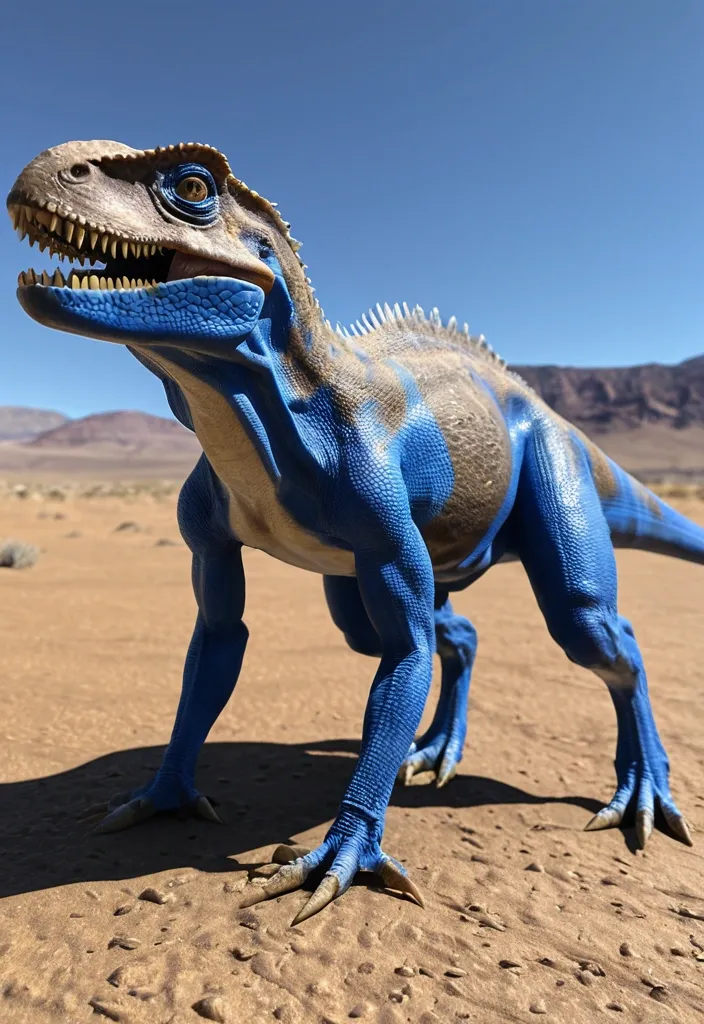
The hybrid was created by modifying the genome of a Tyrannosaurus rex , with the DNA of three other theropods. Known species that were included were Utahraptor , Saurophaganax , and Giganotosaurus. There was also the DNA of Quadrupes like Triceratops , and Scelidosaurus. DNA of modern animals such as Greater blue-ringed octopus , Inland Taipan , Northern Short-tailed Shrew , Komodo Dragon , Opossum , Mongoose , Ape , Whiptail Lizard , Cuttlefish , and Tardigrades. The genome of Tyrannosaurus rex , Triceratops and Giganotosaurus was used as the base genome for the hybrid. Including the shape of the head in some parts from Giganotosaurus and Triceratops. It also gave the Indominus rex an incredibly strong bite that could crush bulletproof glass. Utahraptor DNA was added for high levels of intelligence and the ability to make plans , decisions and pack hunting. Reduced hind legs and Ape DNA added Knuckle-walking Quadruped. Triceratops , and Scelidosaurus were added to act as a biological form of armor that absorbed most of the incoming attacks. Northern short-tailed shrew , the Inland taipan's retractable fangs and the Komodo Dragon DNA was used to form the teeth of the Indominus that were used to tear through the flesh and armor of opponents. Saurophaganax and Ape DNA added the presence of long strong arms with slashing hook claws and the use of tools. A swipe of the hybrid's claws would take down bigger opponents. While using tools for smaller elusive prey. Cuttlefish genes were intended to help the Venenosus withstand an accelerated growth , but it also added chromatophore cells in the skin so it could change the shape , color , and texture of its skin like a cuttlefish. Opossum , Mongoose and Tardigrades DNA was added for the Venenosus to be more resistant to climate changes , harmful toxins or bacterial infections , while tardigrades also added survival of extreme conditions such as exposure to extreme temperatures , extreme pressures , air deprivation , radiation , dehydration , and starvation. They have several defense mechanisms , including: A metabolic rate that gets as low as 0.01 percent of the normal rate. Organs protected by a sugary gel called trehalose. A protein that shields their DNA from radiation harm. Synthesis of cryoprotectant in chilly temperatures to prevent the development of ice crystals.Northern short-tailed shrew , the Inland Taipan , Greater blue-ringed octopus and the Komodo Dragon's DNA also added special cavities and glands in the skull that gave her infrared vision , and highly toxic saliva. Said DNA also gave her the ability to open her mandibles and jaws as wide as a snake , specifically at around 90 degrees.Lastly , DNA from a whiptail lizard was added for reproduction purposes. ,

This is a magnificent scene of urban construction on the surface of the moon , kaleidoscopic strategy game city art , skyscraper , depicting an ecologically livable future city. The city is obviously glass and pedestrians and green vegetation can be seen everywhere. There is an eye-catching ArtHub advertisement on the building. The scene is reminiscent of cosmic surrealism , blending elements of Salvador Dali and Ernst Haeckel , rendered in the style of digital art with intricate details and vibrant colors. ,

This is a futuristic lunar city landscape , depicting an ecologically livable city with obvious greening , various plants planted on both sides of the street , pedestrians walking on the street in light clothes , and the ongoing urban construction can be seen in the background. There is an eye-catching slogan ,

Hereβs a comprehensive description of Hercule Poirot as Agatha Christie wrote him β with precise references to the novels , and comparisons to key screen portrayals (Finney , Suchet , Ustinov , Branagh , etc.). --- π Hercule Poirot β Literary Description (with Source Quotes) --- π§ββοΈ 1. Physical Appearance πΉ βA little man with an egg-shaped headβ β The Murder of Roger Ackroyd (1926) Short stature Plump and compact build Head described as egg-shaped , often tilted slightly to one side > π₯ Closest portrayals: πΈ David Suchet β nails the βlittle manβ shape and tilting head πΈ Finney β correct manner but taller πΈ Branagh β too tall and lean πΈ Ustinov β too broad and casual in posture --- π₯Έ 2. Moustache πΉ βThe finest moustache in all England β and perhaps in all Europe.β β Death in the Clouds (1935) Immense , curled , waxed , perfectly symmetrical Poirot is extremely vain about it Wears a moustache net at night > βHe had a moustache guard to keep it neat in his sleep.β β The Mysterious Affair at Styles (1920) > π₯ Closest portrayals: πΈ David Suchet β accurate size and grooming πΈ Kenneth Branagh β large but overly stylized (double-layered) πΈ Peter Ustinov β too understated πΈ Finney β neat , but not extravagant enough --- π 3. Dress & Grooming πΉ βAlways immaculate. His clothes were faultless. His boots shone.β β The Mystery of the Blue Train (1928) Fussy and obsessive about cleanliness Well-tailored suits , gloves , polished shoes Takes pride in his appearance , symmetry , and neatness > π₯ Closest portrayals: πΈ Suchet β perfect suits , shoe polish , gloves πΈ Finney β clean but not as fussy πΈ Branagh β a bit too dramatic in grooming --- π§ 4. Intelligence & Method πΉ βI am not one to rely upon physical evidence. I use the little grey cells.β β The Big Four (1927) Psychology-based deductions Avoids fingerprint obsession or brute force Dismisses red herrings and goes after motive and psychology > π₯ Closest portrayals: πΈ Suchet β pure psychological method πΈ Finney β sharp intellect , but less emphasized πΈ Ustinov β more jovial , less βgrey cellβ driven πΈ Branagh β mixes emotion and action unnecessarily --- π£οΈ 5. Speech & Accent πΉ βHis English was precise , but with a foreign accent.β β Peril at End House (1932) Belgian French accent , not French or British Always speaks in precise , formal English Often corrects others politely > π₯ Closest portrayals: πΈ Suchet β perfect subtle Belgian accent πΈ Finney β formal , slight accent πΈ Branagh β inconsistent Belgian-French tone πΈ Ustinov β more laid-back , not authentic Belgian --- π§Ό 6. Personality & Mannerisms πΉ βEverything must be tidy and symmetrical.β β The ABC Murders (1936) Fastidious , orderly Polite but proud Prone to mild arrogance , but never mean Occasionally flustered by disorder > π₯ Closest portrayals: πΈ Suchet β obsessive , neat , respectful πΈ Ustinov β polite but too casual πΈ Finney β more reserved , dignified πΈ Branagh β too emotional at times (e.g. crying in Death on the Nile) --- π¬ 7. Humor & Warmth πΉ βPoirot smiled β that slow smile that came rarely , but lighted up his whole face.β β Five Little Pigs (1942) Not comedic , but dryly witty Charming in a subtle way , especially with women or children Rarely emotional , but has empathy > π₯ Closest portrayals: πΈ Suchet β subtle warmth and charm πΈ Ustinov β more humorous , sometimes too light πΈ Branagh β goes for modern emotion --- π Summary: Who Comes Closest? Trait Best Portrayal Physical Build David Suchet Moustache Our Composite (Suchet + Branagh shape) Accent & Speech Suchet (with Finneyβs formality) Intelligence Suchet Mannerisms Suchet Humor Suchet with a dash of Ustinov Visual Style Suchet + Finney blend --- π Verdict: David Suchet remains the gold standard overall. But a Finney base with Suchetβs mannerisms and moustache enhancements (as we created earlier) gives you a 100% faithful visual and behavioral Poirot. Would you like me to turn this into a printable profile or dossier for Poirot fans? ,