Search Results for excessive decoration
Explore AI generated designs, images, art and prompts by top community artists and designers.
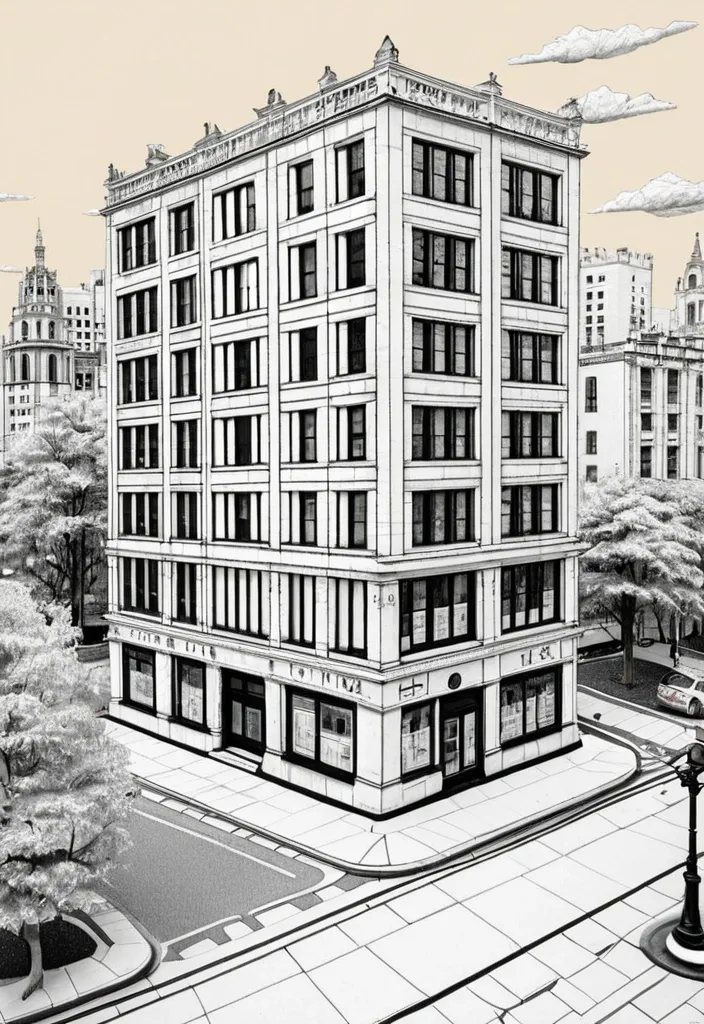

SECOND WORLD PHOTOGRAPHY | REALITY MEETS IMAGINATION Transform an ordinary real-world photograph into a creative visual storytelling artwork where reality seamlessly transitions into a whimsical , hand-drawn second world. COMPOSITION & STRUCTURE Create a vertically composed artwork divided into two connected sections: - Upper section: A highly realistic , photorealistic photograph of an everyday scene , such as a city street , modern building , library , park , bridge , landscape , or architectural location. Preserve authentic photography , natural lighting , realistic textures , accurate proportions , and rich environmental details. - Lower section: Extend the scene into a warm ivory , lightly textured sketchbook-paper surface. Reimagine selected elements of the original photograph as delicate , minimalist black-ink illustrations , creating an imaginative continuation of the real-world environment. THE SECOND WORLD CONCEPT Introduce a small , charming hand-drawn human character interacting creatively with the photographed environment. The illustration should create a clever visual illusion , as though the person is painting , building , extending , repairing , or transforming something from the original photograph. Examples include painting clouds onto a glass building , extending a real street with hand-drawn roads , transforming library stairs into enormous books , or allowing trees , architecture , and other elements to escape their photographic boundaries. ARTISTIC STYLE Combine professional architectural photography with delicate minimalist pen-and-ink doodles. Use thin black sketch lines , loose handwritten details , subtle imperfections , and warm cream paper textures. Maintain a sophisticated , editorial art direction with a playful surrealist touch. STORYTELLING DETAILS Add one short , poetic handwritten English sentence near the illustration , expressing the imaginative idea behind the scene. Keep the handwriting subtle , natural , and elegant. IMPORTANT The transition between photography and illustration must feel visually connected and conceptually meaningful. Avoid random doodles , excessive decorations , cartoon styling , or clutter. The result should feel like a photograph revealing a hidden imaginary world beneath reality. Ultra-detailed , artistic , visually intelligent , photorealistic , minimalist , surreal storytelling photography , premium creative editorial aesthetic. ,
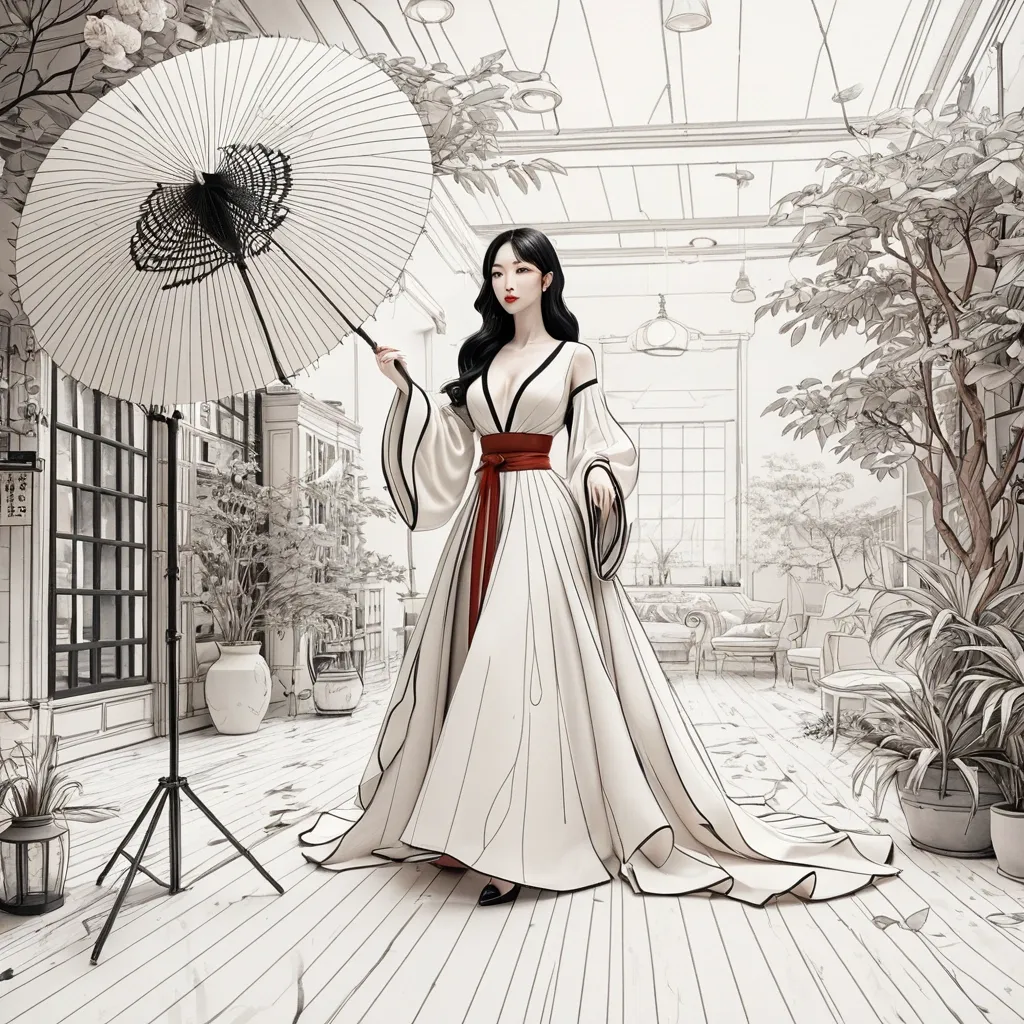
Create a creative poster that blends "photographic texture × hand-drawn line art" in a mix of virtual and real. The core of the image is a highly realistic Flower , retaining authentic photographic-level material , texture , light and shadow , volume , and details; at the same time , incorporate a clearly rendered Vespera Lun , aims a open ivory folding fan directly toward the viewer. wears fitted ivory gown with black trim , a red waistband , and scattered crimson floral patterns. Long , flowing sleeves release fine black strands resembling ink , in a dramatic , using pencil line art , colored pencils , crayons , or light watercolor to form a distinct yet natural contrast between virtual and real. Do not simply splice a real-life illustration and a real object together; instead , have the Umbrella truly serve the purpose of Umbrella and engage in clear physical interaction with the character. For example , the character actually sits inside , holds , uses , leans on , or lies in it , allowing viewers to instantly grasp this slightly surreal but logically coherent visual relationship. Keep the environment semi-realistic and restrained , retaining only a few elements that illustrate the Street. Use warm cream white , light beige paper , or soft living spaces as the base , with large areas of negative space , avoiding excessive furniture , decorations , and irrelevant details. Maintain an obvious hand-drawn texture for the character: natural pencil outlines , slightly irregular lines , simple features , low-saturation colored pencil blocks , with relaxed and natural poses—not looking at the camera , not striking commercial model poses. The realistic object should retain authentic photographic material , establishing the "half like a photo , half like a picture book" layering at a glance. Use realistic , soft lighting so the realistic object naturally affects the character and surrounding environment—for instance , creating reflections , projections , translucency , or localized warm light—making the virtual and real elements truly coexist in the same space , not as layered overlays. Adopt a composition of "Large Subject + Small Character + Large Negative Space + Minimal Living Details." The core realistic object should be large enough to be immediately recognizable even in thumbnail view; the character relatively small , enhancing visual surprise through scale contrast. Add the Short in the negative space area , using a natural , not entirely neat handwritten Chinese font , like picture book titling , diary , or journal handwriting. You may add a very small English marginal note , but avoid piling on excessive decorative text. Overall , anchor with the silver ink as the core color , paired with low-saturation supporting colors like cream white , natural wood tones , gray-green , and caramel brown. The final effect should simultaneously possess: the material sense of real photography , the warmth of hand-drawn line art , the design sense of an editorial poster , and a instantly understandable "functional misplacement" creative concept. Avoid: Pure photography , pure illustration , 3D CGI , characters and real objects not influencing each other , ordinary group photo-style composition , complex commercial scenes , excessive decoration , meaningless English , information overload. ,