Search Results for chroma
Explore AI generated designs, images, art and prompts by top community artists and designers.
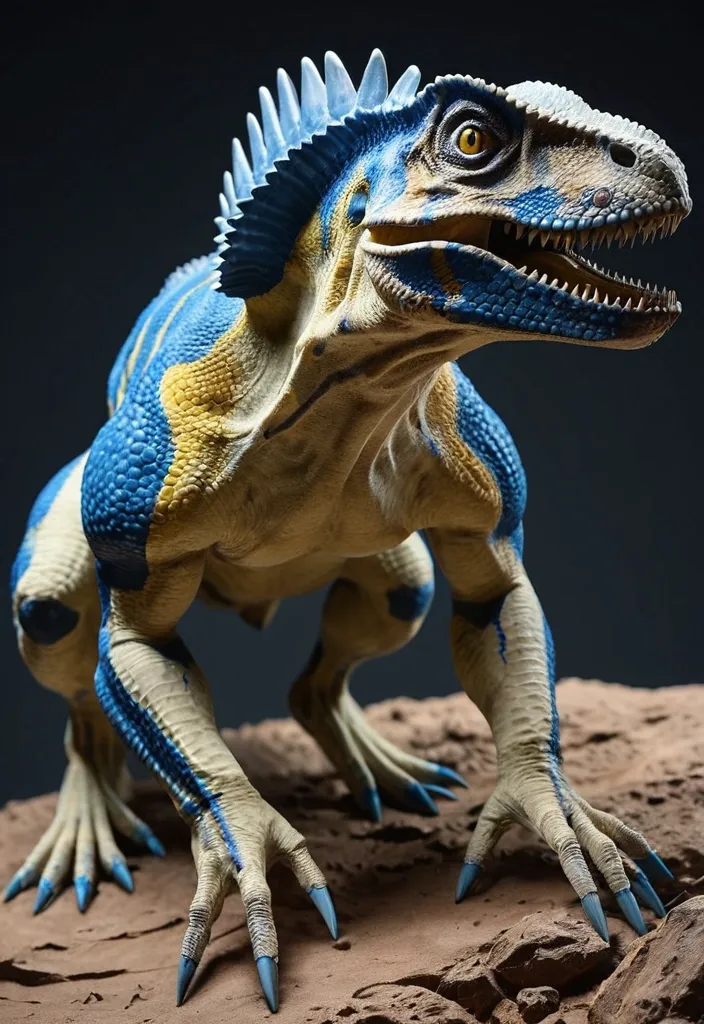

The hybrid was created by modifying the genome of a Tyrannosaurus rex , with the DNA of three other theropod species that were Utahraptor , Saurophaganax , and Giganotosaurus. Also the DNA of Quadrupes like Triceratops , and Scelidosaurus. DNA of modern animals such as Greater blue-ringed octopus , Inland Taipan , Northern Short-tailed Shrew , Komodo Dragon , Opossum , Mongoose , Gigantopithecus , Whiptail Lizard , Cuttlefish , and Tardigrades. The genome of Tyrannosaurus rex , Triceratops and Giganotosaurus was used as the base genome for the hybrid. Including the shape of the head in some parts from Giganotosaurus and Triceratops. Utahraptor DNA was added for high levels of intelligence and the ability to make plans , decisions and pack hunting. Reduced hind legs and Ape DNA added Knuckle-walking Quadruped. Triceratops , and Scelidosaurus were added to act as a biological form of armor that absorbed most of the incoming attacks. Northern short-tailed shrew , the Inland taipan's retractable fangs and the Komodo Dragon DNA was used to form the teeth of the Indominus that were used to tear through the flesh and armor of opponents. Saurophaganax and Gigantopithecus DNA added the presence of long strong arms with slashing hook claws and the use of tools. A swipe of the hybrid's claws would take down bigger opponents. While using tools for smaller elusive prey. Cuttlefish genes were intended to help the Venenosus withstand an accelerated growth , but it also added chromatophore cells in the skin so it could change the shape , color , and texture of its skin like a cuttlefish. Opossum , Mongoose and Tardigrades DNA was added for the Venenosus to be more resistant to climate changes , harmful toxins or bacterial infections , while tardigrades also added survival of extreme conditions such as exposure to extreme temperatures , extreme pressures , air deprivation , radiation , dehydration , and starvation. They have several defense mechanisms , including: A metabolic rate that gets as low as 0.01 percent of the normal rate. Organs protected by a sugary gel called trehalose. A protein that shields their DNA from radiation harm. Synthesis of cryoprotectant in chilly temperatures to prevent the development of ice crystals.Northern short-tailed shrew , the Inland Taipan , Greater blue-ringed octopus and the Komodo Dragon's DNA also added special cavities and glands in the skull that gave her infrared vision , and highly toxic saliva. Said DNA also gave her the ability to open her mandibles and jaws as wide as a snake , specifically at around 90 degrees.Lastly , DNA from a whiptail lizard was added for reproduction purposes. ,
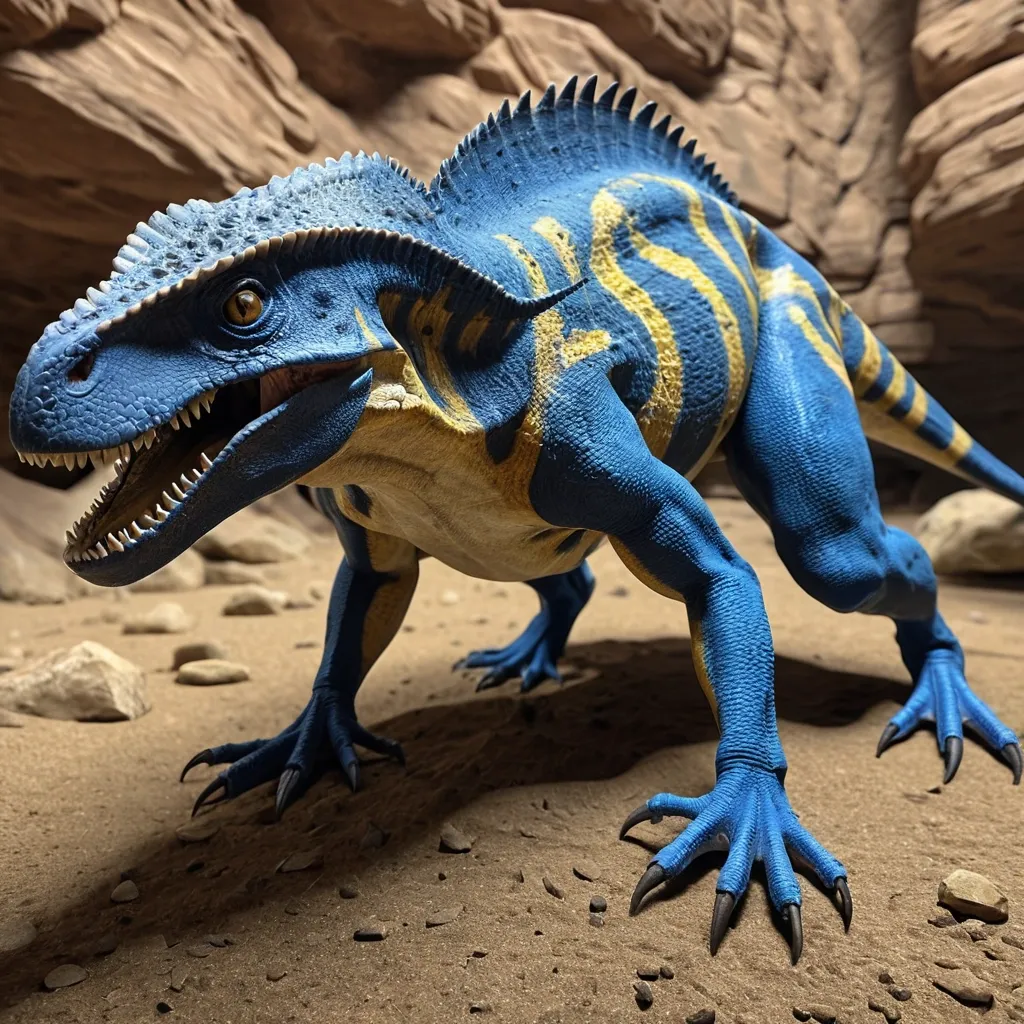
The hybrid was created by modifying the genome of a Tyrannosaurus rex , with the DNA of three other theropod species that were Utahraptor , Saurophaganax , and Giganotosaurus. Also the DNA of Quadrupes like Triceratops , and Scelidosaurus. DNA of modern animals such as Greater blue-ringed octopus , Inland Taipan , Northern Short-tailed Shrew , Komodo Dragon , Opossum , Mongoose , Gigantopithecus , Whiptail Lizard , Cuttlefish , and Tardigrades. The genome of Tyrannosaurus rex , Triceratops and Giganotosaurus was used as the base genome for the hybrid. Including the shape of the head in some parts from Giganotosaurus and Triceratops. Utahraptor DNA was added for high levels of intelligence and the ability to make plans , decisions and pack hunting. Reduced hind legs and Ape DNA added Knuckle-walking Quadruped. Triceratops , and Scelidosaurus were added to act as a biological form of armor that absorbed most of the incoming attacks. Northern short-tailed shrew , the Inland taipan's retractable fangs and the Komodo Dragon DNA was used to form the teeth of the Indominus that were used to tear through the flesh and armor of opponents. Saurophaganax and Gigantopithecus DNA added the presence of long strong arms with slashing hook claws and the use of tools. A swipe of the hybrid's claws would take down bigger opponents. While using tools for smaller elusive prey. Cuttlefish genes were intended to help the Venenosus withstand an accelerated growth , but it also added chromatophore cells in the skin so it could change the shape , color , and texture of its skin like a cuttlefish. Opossum , Mongoose and Tardigrades DNA was added for the Venenosus to be more resistant to climate changes , harmful toxins or bacterial infections , while tardigrades also added survival of extreme conditions such as exposure to extreme temperatures , extreme pressures , air deprivation , radiation , dehydration , and starvation. They have several defense mechanisms , including: A metabolic rate that gets as low as 0.01 percent of the normal rate. Organs protected by a sugary gel called trehalose. A protein that shields their DNA from radiation harm. Synthesis of cryoprotectant in chilly temperatures to prevent the development of ice crystals.Northern short-tailed shrew , the Inland Taipan , Greater blue-ringed octopus and the Komodo Dragon's DNA also added special cavities and glands in the skull that gave her infrared vision , and highly toxic saliva. Said DNA also gave her the ability to open her mandibles and jaws as wide as a snake , specifically at around 90 degrees.Lastly , DNA from a whiptail lizard was added for reproduction purposes. ,
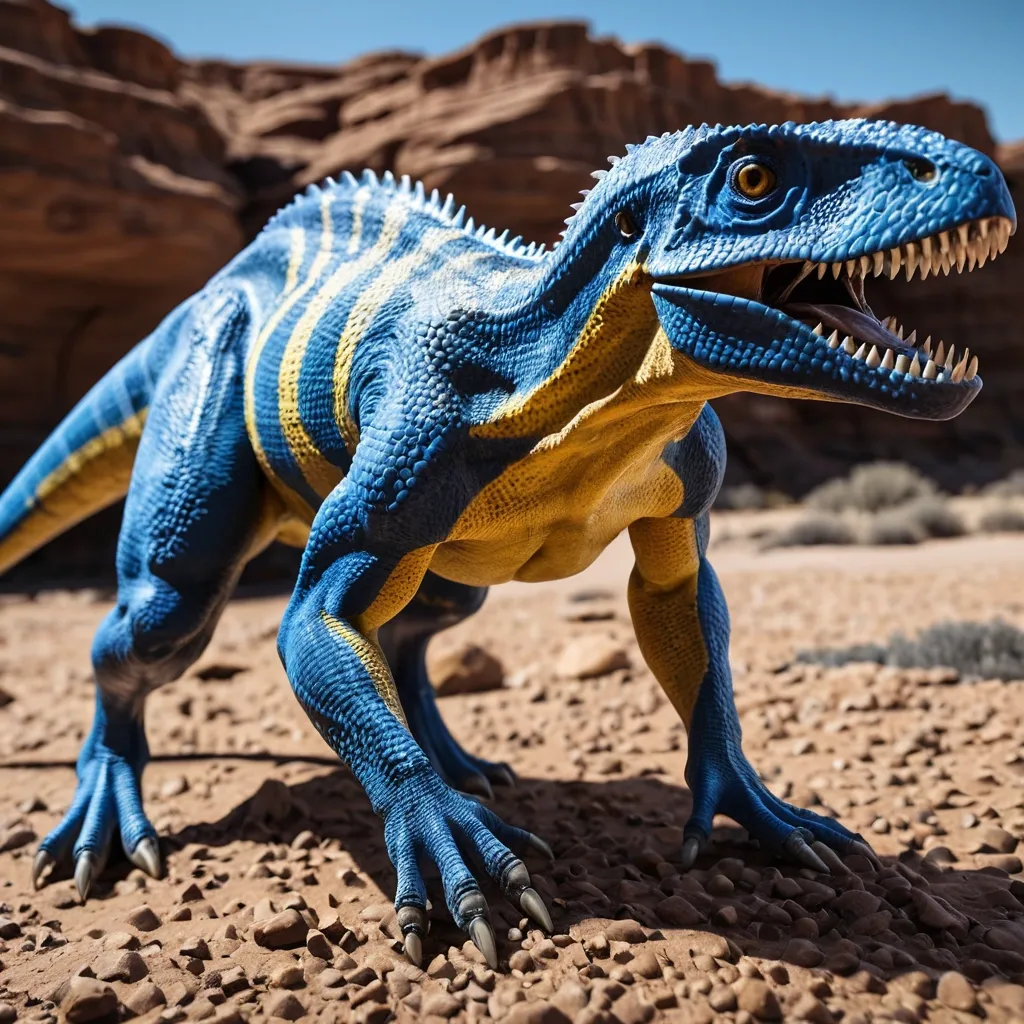
The hybrid was created by modifying the genome of a Tyrannosaurus rex , with the DNA of three other theropod species that were Utahraptor , Saurophaganax , and Giganotosaurus. Also the DNA of Quadrupes like Triceratops , and Scelidosaurus. DNA of modern animals such as Greater blue-ringed octopus , Inland Taipan , Northern Short-tailed Shrew , Komodo Dragon , Opossum , Mongoose , Gigantopithecus , Whiptail Lizard , Cuttlefish , and Tardigrades. The genome of Tyrannosaurus rex , Triceratops and Giganotosaurus was used as the base genome for the hybrid. Including the shape of the head in some parts from Giganotosaurus and Triceratops. Utahraptor DNA was added for high levels of intelligence and the ability to make plans , decisions and pack hunting. Reduced hind legs and Ape DNA added Knuckle-walking Quadruped. Triceratops , and Scelidosaurus were added to act as a biological form of armor that absorbed most of the incoming attacks. Northern short-tailed shrew , the Inland taipan's retractable fangs and the Komodo Dragon DNA was used to form the teeth of the Indominus that were used to tear through the flesh and armor of opponents. Saurophaganax and Gigantopithecus DNA added the presence of long strong arms with slashing hook claws and the use of tools. A swipe of the hybrid's claws would take down bigger opponents. While using tools for smaller elusive prey. Cuttlefish genes were intended to help the Venenosus withstand an accelerated growth , but it also added chromatophore cells in the skin so it could change the shape , color , and texture of its skin like a cuttlefish. Opossum , Mongoose and Tardigrades DNA was added for the Venenosus to be more resistant to climate changes , harmful toxins or bacterial infections , while tardigrades also added survival of extreme conditions such as exposure to extreme temperatures , extreme pressures , air deprivation , radiation , dehydration , and starvation. They have several defense mechanisms , including: A metabolic rate that gets as low as 0.01 percent of the normal rate. Organs protected by a sugary gel called trehalose. A protein that shields their DNA from radiation harm. Synthesis of cryoprotectant in chilly temperatures to prevent the development of ice crystals.Northern short-tailed shrew , the Inland Taipan , Greater blue-ringed octopus and the Komodo Dragon's DNA also added special cavities and glands in the skull that gave her infrared vision , and highly toxic saliva. Said DNA also gave her the ability to open her mandibles and jaws as wide as a snake , specifically at around 90 degrees.Lastly , DNA from a whiptail lizard was added for reproduction purposes. ,
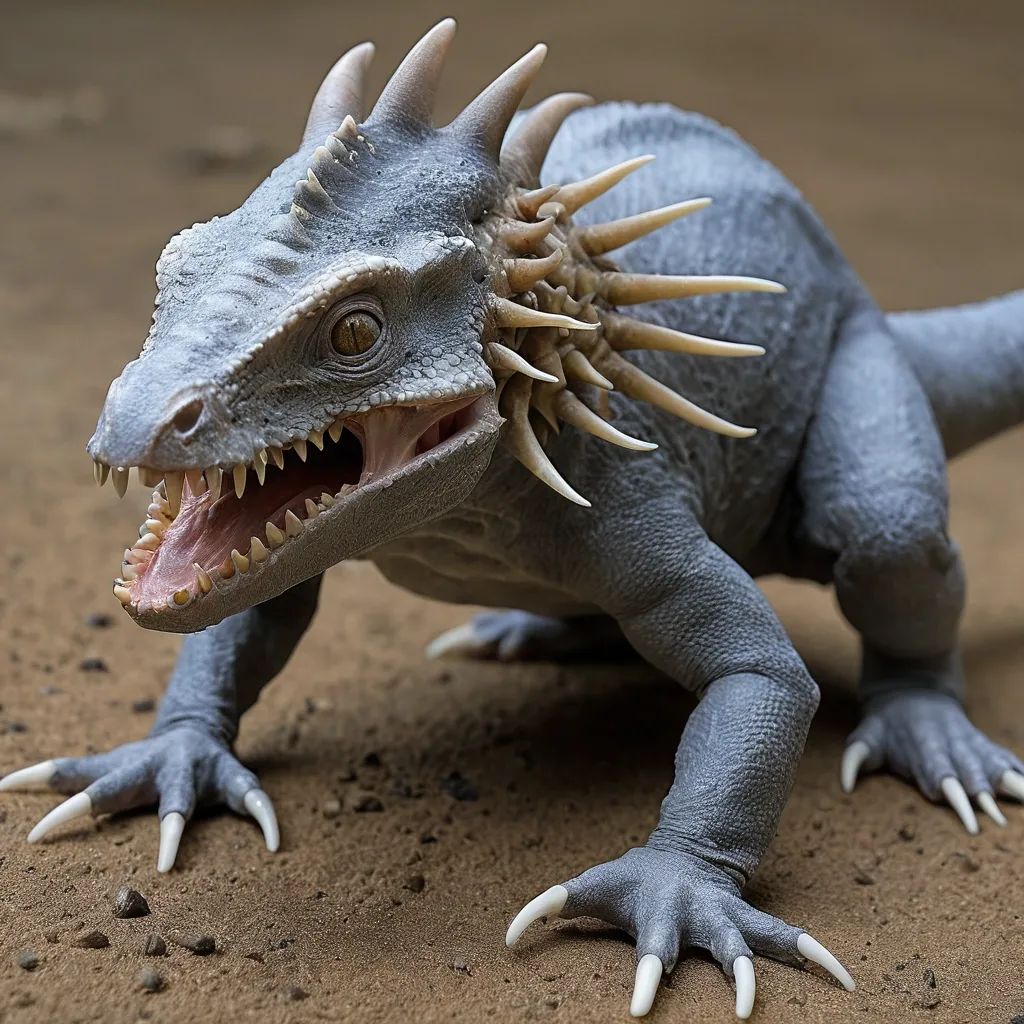
The genome of Tyrannosaurus rex , Triceratops and Giganotosaurus was used as the base genome for the hybrid. Including the shape of the head in some parts from Triceratops. Utahraptor DNA was added for high levels of intelligence and the ability to make plans , decisions and pack hunting. Reduced hind legs and Ape DNA added Knuckle-walking Quadruped. Triceratops , and Scelidosaurus were added to act as a biological form of armor that absorbed most of the incoming attacks. Northern short-tailed shrew , the Inland taipan's retractable fangs and the Komodo Dragon DNA was used to form the teeth of the Indominus that were used to tear through the flesh and armor of opponents. Saurophaganax and Gigantopithecus DNA added the presence of long strong arms with slashing hook claws and the use of tools. A swipe of the hybrid's claws would take down bigger opponents. While using tools for smaller elusive prey. Cuttlefish genes were intended to help the Venenosus withstand an accelerated growth , but it also added chromatophore cells in the skin so it could change the shape , color , and texture of its skin like a cuttlefish. Opossum , Mongoose and Tardigrades DNA was added for the Venenosus to be more resistant to climate changes , harmful toxins or bacterial infections , while tardigrades also added survival of extreme conditions such as exposure to extreme temperatures , extreme pressures , air deprivation , radiation , dehydration , and starvation. They have several defense mechanisms , including: A metabolic rate that gets as low as 0.01 percent of the normal rate. Organs protected by a sugary gel called trehalose. A protein that shields their DNA from radiation harm. Synthesis of cryoprotectant in chilly temperatures to prevent the development of ice crystals.Northern short-tailed shrew , the Inland Taipan , Greater blue-ringed octopus and the Komodo Dragon's DNA also added special cavities and glands in the skull that gave her infrared vision , and highly toxic saliva. Said DNA also gave her the ability to open her mandibles and jaws as wide as a snake , specifically at around 90 degrees.Lastly , DNA from a whiptail lizard was added for reproduction purposes. ,
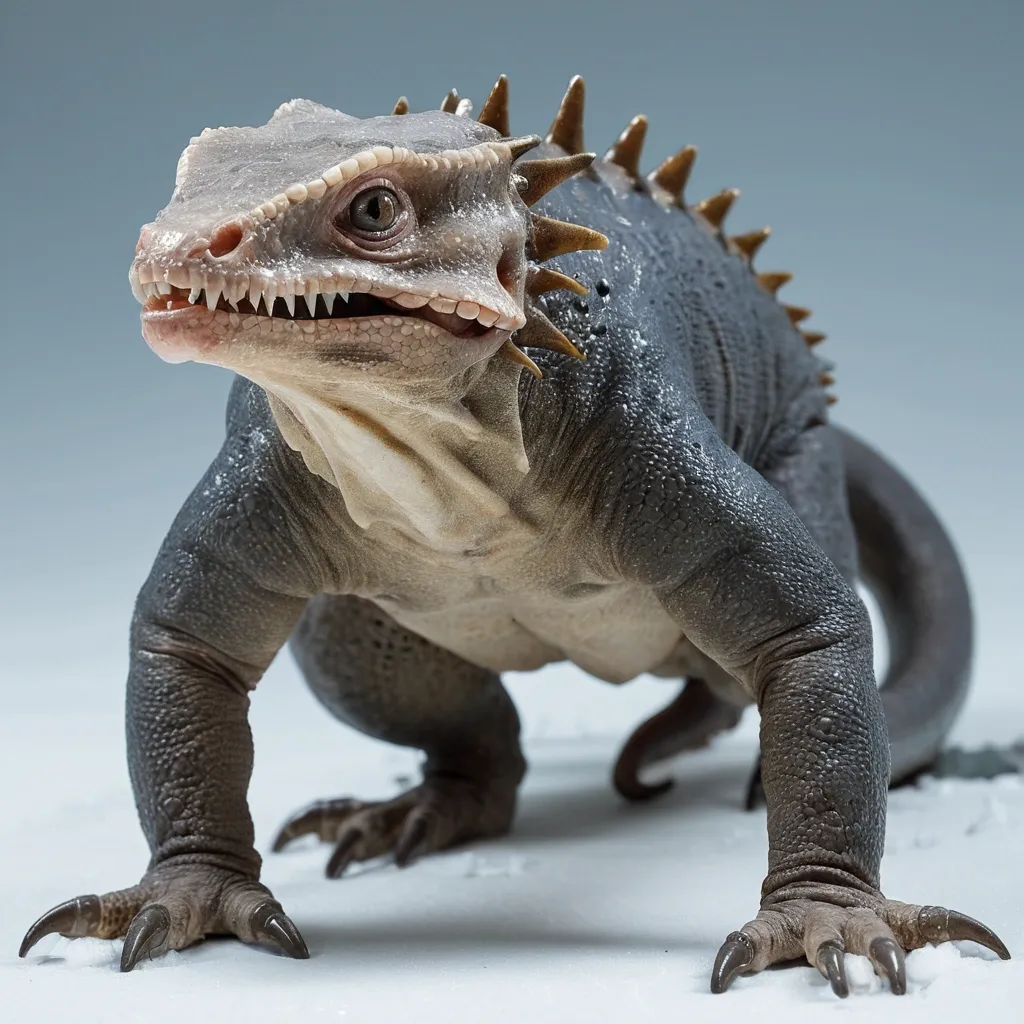
The genome of Tyrannosaurus rex , Triceratops and Giganotosaurus was used as the base genome for the hybrid. Including the shape of the head in some parts from Triceratops. Utahraptor DNA was added for high levels of intelligence and the ability to make plans , decisions and pack hunting. Reduced hind legs and Ape DNA added Knuckle-walking Quadruped. Triceratops , and Scelidosaurus were added to act as a biological form of armor that absorbed most of the incoming attacks. Northern short-tailed shrew , the Inland taipan's retractable fangs and the Komodo Dragon DNA was used to form the teeth of the Indominus that were used to tear through the flesh and armor of opponents. Saurophaganax and Gigantopithecus DNA added the presence of long strong arms with slashing hook claws and the use of tools. A swipe of the hybrid's claws would take down bigger opponents. While using tools for smaller elusive prey. Cuttlefish genes were intended to help the Venenosus withstand an accelerated growth , but it also added chromatophore cells in the skin so it could change the shape , color , and texture of its skin like a cuttlefish. Opossum , Mongoose and Tardigrades DNA was added for the Venenosus to be more resistant to climate changes , harmful toxins or bacterial infections , while tardigrades also added survival of extreme conditions such as exposure to extreme temperatures , extreme pressures , air deprivation , radiation , dehydration , and starvation. They have several defense mechanisms , including: A metabolic rate that gets as low as 0.01 percent of the normal rate. Organs protected by a sugary gel called trehalose. A protein that shields their DNA from radiation harm. Synthesis of cryoprotectant in chilly temperatures to prevent the development of ice crystals.Northern short-tailed shrew , the Inland Taipan , Greater blue-ringed octopus and the Komodo Dragon's DNA also added special cavities and glands in the skull that gave her infrared vision , and highly toxic saliva. Said DNA also gave her the ability to open her mandibles and jaws as wide as a snake , specifically at around 90 degrees.Lastly , DNA from a whiptail lizard was added for reproduction purposes. ,
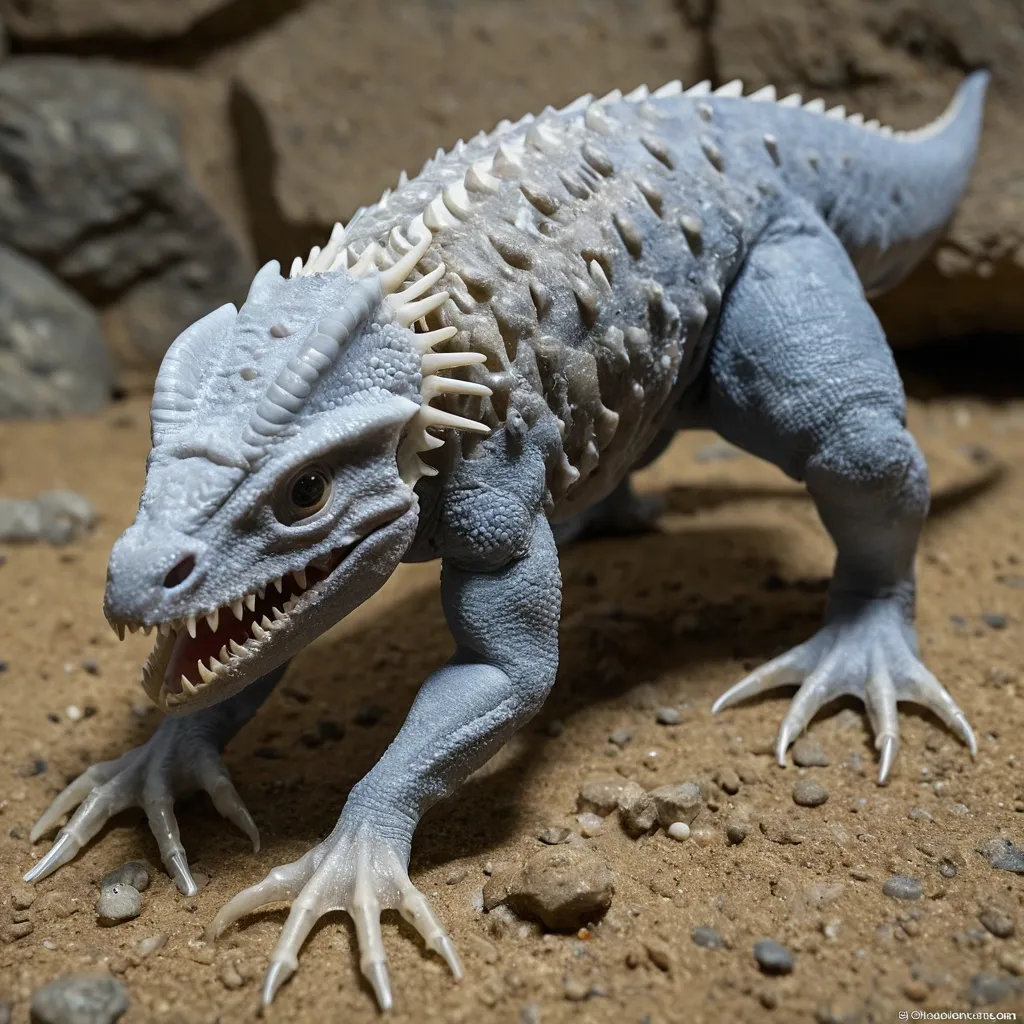
The genome of Tyrannosaurus rex , Triceratops and Giganotosaurus was used as the base genome for the hybrid. Including the shape of the head in some parts from Triceratops. Utahraptor DNA was added for high levels of intelligence and the ability to make plans , decisions and pack hunting. Reduced hind legs and Ape DNA added Knuckle-walking Quadruped. Triceratops , and Scelidosaurus were added to act as a biological form of armor that absorbed most of the incoming attacks. Northern short-tailed shrew , the Inland taipan's retractable fangs and the Komodo Dragon DNA was used to form the teeth of the Indominus that were used to tear through the flesh and armor of opponents. Saurophaganax and Gigantopithecus DNA added the presence of long strong arms with slashing hook claws and the use of tools. A swipe of the hybrid's claws would take down bigger opponents. While using tools for smaller elusive prey. Cuttlefish genes were intended to help the Venenosus withstand an accelerated growth , but it also added chromatophore cells in the skin so it could change the shape , color , and texture of its skin like a cuttlefish. Opossum , Mongoose and Tardigrades DNA was added for the Venenosus to be more resistant to climate changes , harmful toxins or bacterial infections , while tardigrades also added survival of extreme conditions such as exposure to extreme temperatures , extreme pressures , air deprivation , radiation , dehydration , and starvation. They have several defense mechanisms , including: A metabolic rate that gets as low as 0.01 percent of the normal rate. Organs protected by a sugary gel called trehalose. A protein that shields their DNA from radiation harm. Synthesis of cryoprotectant in chilly temperatures to prevent the development of ice crystals.Northern short-tailed shrew , the Inland Taipan , Greater blue-ringed octopus and the Komodo Dragon's DNA also added special cavities and glands in the skull that gave her infrared vision , and highly toxic saliva. Said DNA also gave her the ability to open her mandibles and jaws as wide as a snake , specifically at around 90 degrees.Lastly , DNA from a whiptail lizard was added for reproduction purposes. ,
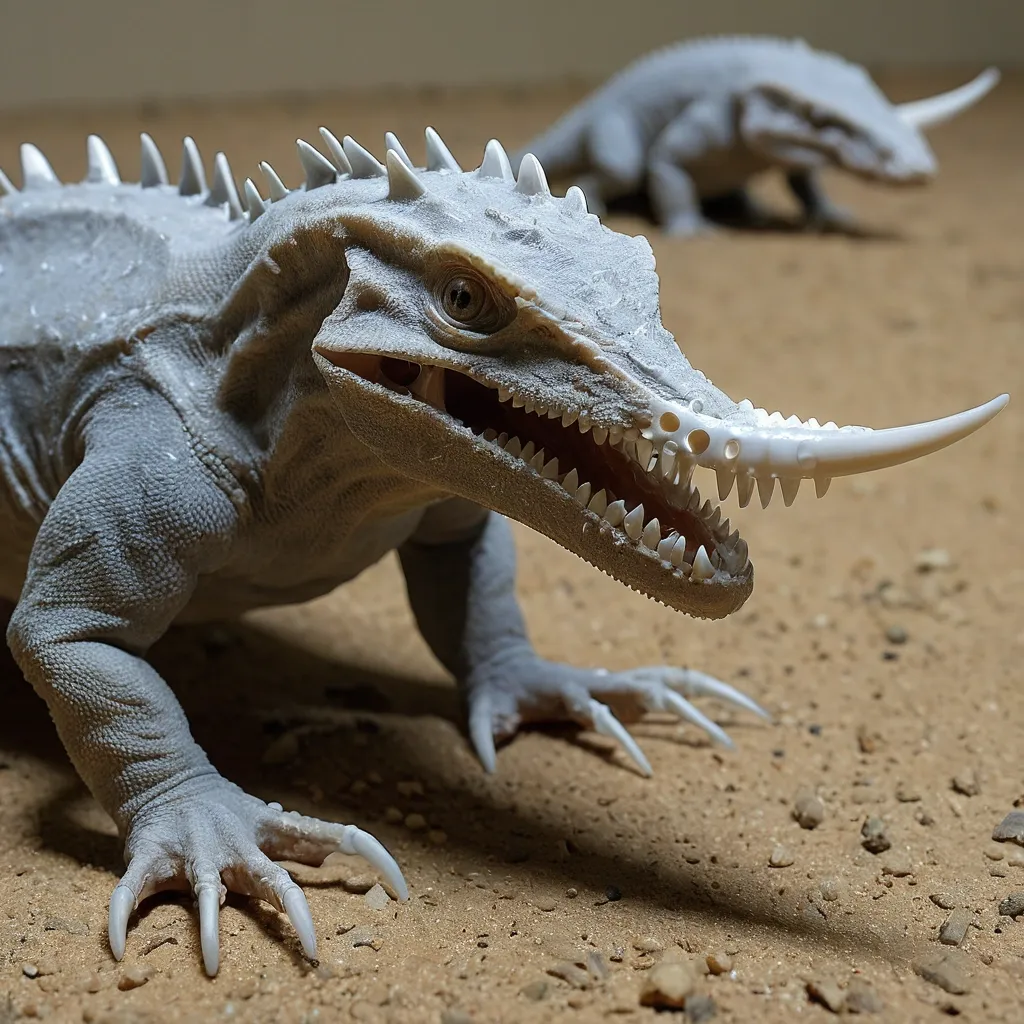
The genome of Tyrannosaurus rex , Triceratops and Giganotosaurus was used as the base genome for the hybrid. Including the shape of the head in some parts from Triceratops. Utahraptor DNA was added for high levels of intelligence and the ability to make plans , decisions and pack hunting. Reduced hind legs and Ape DNA added Knuckle-walking Quadruped. Triceratops , and Scelidosaurus were added to act as a biological form of armor that absorbed most of the incoming attacks. Northern short-tailed shrew , the Inland taipan's retractable fangs and the Komodo Dragon DNA was used to form the teeth of the Indominus that were used to tear through the flesh and armor of opponents. Saurophaganax and Gigantopithecus DNA added the presence of long strong arms with slashing hook claws and the use of tools. A swipe of the hybrid's claws would take down bigger opponents. While using tools for smaller elusive prey. Cuttlefish genes were intended to help the Venenosus withstand an accelerated growth , but it also added chromatophore cells in the skin so it could change the shape , color , and texture of its skin like a cuttlefish. Opossum , Mongoose and Tardigrades DNA was added for the Venenosus to be more resistant to climate changes , harmful toxins or bacterial infections , while tardigrades also added survival of extreme conditions such as exposure to extreme temperatures , extreme pressures , air deprivation , radiation , dehydration , and starvation. They have several defense mechanisms , including: A metabolic rate that gets as low as 0.01 percent of the normal rate. Organs protected by a sugary gel called trehalose. A protein that shields their DNA from radiation harm. Synthesis of cryoprotectant in chilly temperatures to prevent the development of ice crystals.Northern short-tailed shrew , the Inland Taipan , Greater blue-ringed octopus and the Komodo Dragon's DNA also added special cavities and glands in the skull that gave her infrared vision , and highly toxic saliva. Said DNA also gave her the ability to open her mandibles and jaws as wide as a snake , specifically at around 90 degrees.Lastly , DNA from a whiptail lizard was added for reproduction purposes. ,
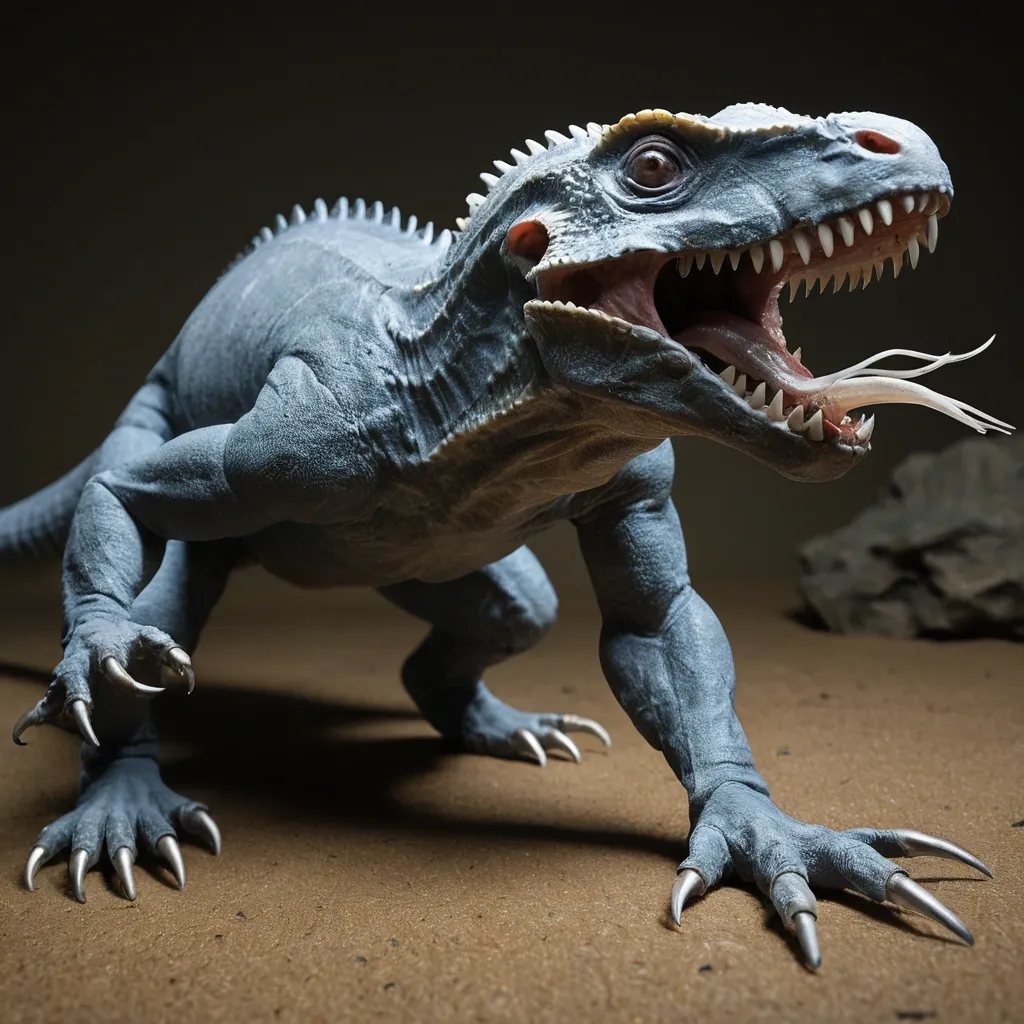
The genome of Tyrannosaurus rex , Triceratops and Giganotosaurus was used as the base genome for the hybrid. Including the shape of the head in some parts from Giganotosaurus and Triceratops. It also gave the Indominus rex an incredibly strong bite that could crush bulletproof glass. Utahraptor DNA was added for high levels of intelligence and the ability to make plans , decisions and pack hunting. Reduced hind legs and Ape DNA added Knuckle-walking Quadruped. Triceratops , and Scelidosaurus were added to act as a biological form of armor that absorbed most of the incoming attacks. Northern short-tailed shrew , the Inland taipan's retractable fangs and the Komodo Dragon DNA was used to form the teeth of the Indominus that were used to tear through the flesh and armor of opponents. Saurophaganax and Gigantopithecus DNA added the presence of long strong arms with slashing hook claws and the use of tools. A swipe of the hybrid's claws would take down bigger opponents. While using tools for smaller elusive prey. Cuttlefish genes were intended to help the Venenosus withstand an accelerated growth , but it also added chromatophore cells in the skin so it could change the shape , color , and texture of its skin like a cuttlefish. Opossum , Mongoose and Tardigrades DNA was added for the Venenosus to be more resistant to climate changes , harmful toxins or bacterial infections , while tardigrades also added survival of extreme conditions such as exposure to extreme temperatures , extreme pressures , air deprivation , radiation , dehydration , and starvation. They have several defense mechanisms , including: A metabolic rate that gets as low as 0.01 percent of the normal rate. Organs protected by a sugary gel called trehalose. A protein that shields their DNA from radiation harm. Synthesis of cryoprotectant in chilly temperatures to prevent the development of ice crystals.Northern short-tailed shrew , the Inland Taipan , Greater blue-ringed octopus and the Komodo Dragon's DNA also added special cavities and glands in the skull that gave her infrared vision , and highly toxic saliva. Said DNA also gave her the ability to open her mandibles and jaws as wide as a snake , specifically at around 90 degrees.Lastly , DNA from a whiptail lizard was added for reproduction purposes. ,
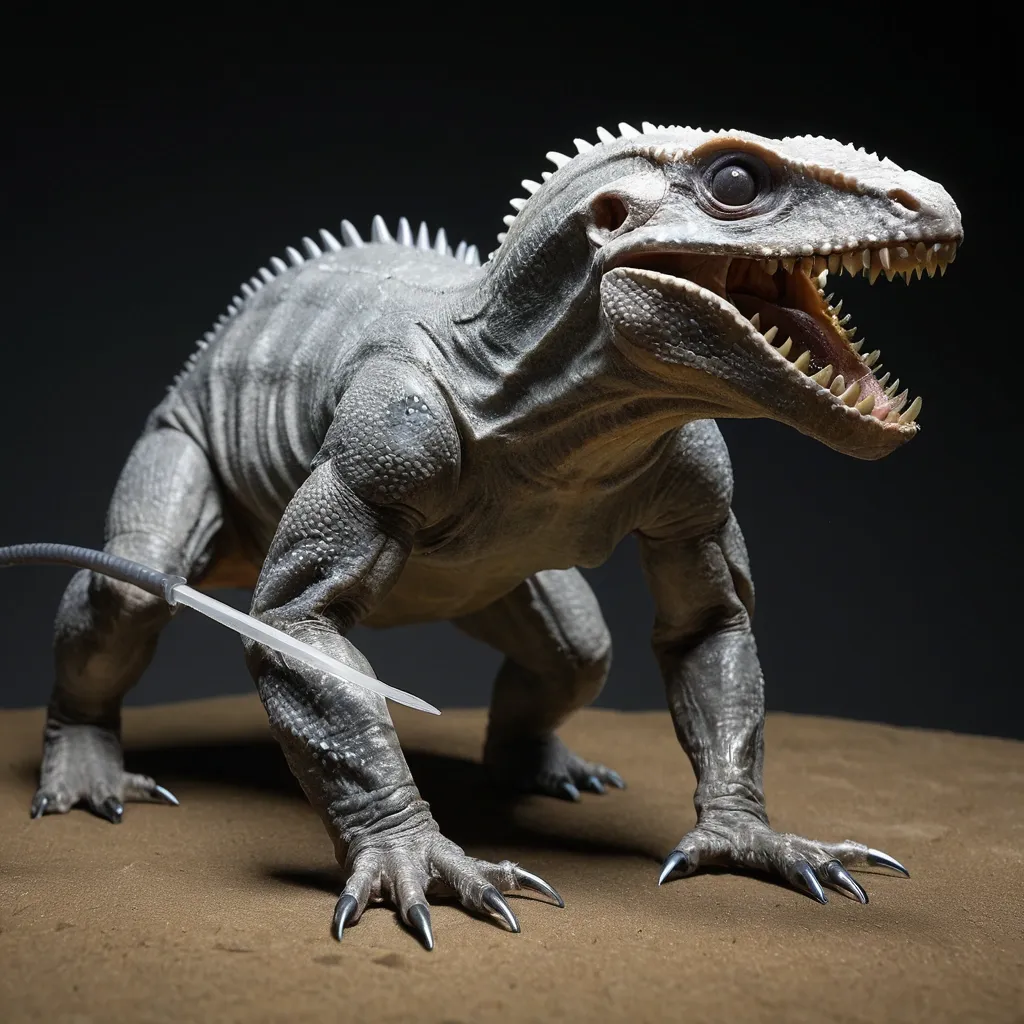
The genome of Tyrannosaurus rex , Triceratops and Giganotosaurus was used as the base genome for the hybrid. Including the shape of the head in some parts from Giganotosaurus and Triceratops. It also gave the Indominus rex an incredibly strong bite that could crush bulletproof glass. Utahraptor DNA was added for high levels of intelligence and the ability to make plans , decisions and pack hunting. Reduced hind legs and Ape DNA added Knuckle-walking Quadruped. Triceratops , and Scelidosaurus were added to act as a biological form of armor that absorbed most of the incoming attacks. Northern short-tailed shrew , the Inland taipan's retractable fangs and the Komodo Dragon DNA was used to form the teeth of the Indominus that were used to tear through the flesh and armor of opponents. Saurophaganax and Gigantopithecus DNA added the presence of long strong arms with slashing hook claws and the use of tools. A swipe of the hybrid's claws would take down bigger opponents. While using tools for smaller elusive prey. Cuttlefish genes were intended to help the Venenosus withstand an accelerated growth , but it also added chromatophore cells in the skin so it could change the shape , color , and texture of its skin like a cuttlefish. Opossum , Mongoose and Tardigrades DNA was added for the Venenosus to be more resistant to climate changes , harmful toxins or bacterial infections , while tardigrades also added survival of extreme conditions such as exposure to extreme temperatures , extreme pressures , air deprivation , radiation , dehydration , and starvation. They have several defense mechanisms , including: A metabolic rate that gets as low as 0.01 percent of the normal rate. Organs protected by a sugary gel called trehalose. A protein that shields their DNA from radiation harm. Synthesis of cryoprotectant in chilly temperatures to prevent the development of ice crystals.Northern short-tailed shrew , the Inland Taipan , Greater blue-ringed octopus and the Komodo Dragon's DNA also added special cavities and glands in the skull that gave her infrared vision , and highly toxic saliva. Said DNA also gave her the ability to open her mandibles and jaws as wide as a snake , specifically at around 90 degrees.Lastly , DNA from a whiptail lizard was added for reproduction purposes. ,
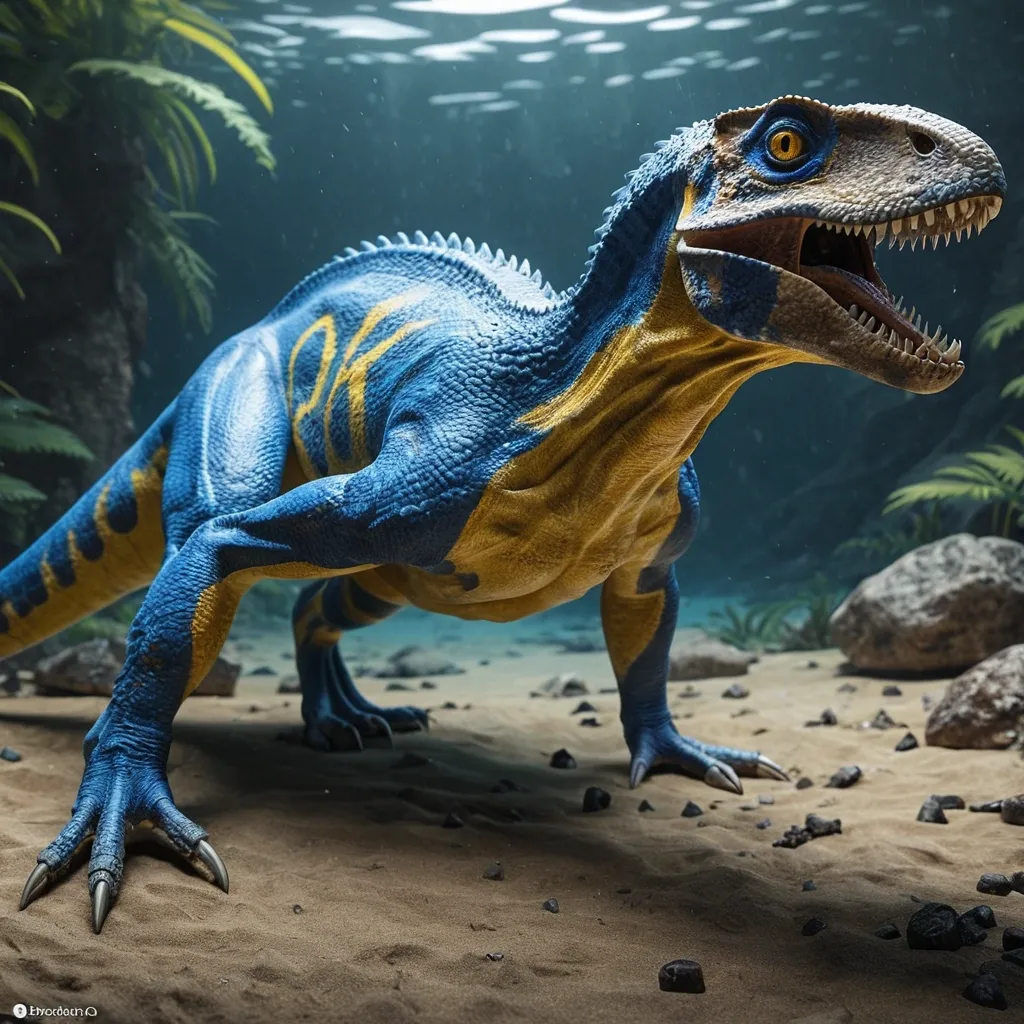
The hybrid was created by modifying the genome of a Tyrannosaurus rex , with the DNA of three other theropod species that were Utahraptor , Saurophaganax , and Giganotosaurus. Also the DNA of Quadrupes like Triceratops , and Scelidosaurus. DNA of modern animals such as Greater blue-ringed octopus , Inland Taipan , Northern Short-tailed Shrew , Komodo Dragon , Opossum , Mongoose , Gigantopithecus , Whiptail Lizard , Cuttlefish , and Tardigrades. The genome of Tyrannosaurus rex , Triceratops and Giganotosaurus was used as the base genome for the hybrid. Including the shape of the head in some parts from Giganotosaurus and Triceratops. It also gave the Indominus rex an incredibly strong bite that could crush bulletproof glass. Utahraptor DNA was added for high levels of intelligence and the ability to make plans , decisions and pack hunting. Reduced hind legs and Ape DNA added Knuckle-walking Quadruped. Triceratops , and Scelidosaurus were added to act as a biological form of armor that absorbed most of the incoming attacks. Northern short-tailed shrew , the Inland taipan's retractable fangs and the Komodo Dragon DNA was used to form the teeth of the Indominus that were used to tear through the flesh and armor of opponents. Saurophaganax and Gigantopithecus DNA added the presence of long strong arms with slashing hook claws and the use of tools. A swipe of the hybrid's claws would take down bigger opponents. While using tools for smaller elusive prey. Cuttlefish genes were intended to help the Venenosus withstand an accelerated growth , but it also added chromatophore cells in the skin so it could change the shape , color , and texture of its skin like a cuttlefish. Opossum , Mongoose and Tardigrades DNA was added for the Venenosus to be more resistant to climate changes , harmful toxins or bacterial infections , while tardigrades also added survival of extreme conditions such as exposure to extreme temperatures , extreme pressures , air deprivation , radiation , dehydration , and starvation. They have several defense mechanisms , including: A metabolic rate that gets as low as 0.01 percent of the normal rate. Organs protected by a sugary gel called trehalose. A protein that shields their DNA from radiation harm. Synthesis of cryoprotectant in chilly temperatures to prevent the development of ice crystals.Northern short-tailed shrew , the Inland Taipan , Greater blue-ringed octopus and the Komodo Dragon's DNA also added special cavities and glands in the skull that gave her infrared vision , and highly toxic saliva. Said DNA also gave her the ability to open her mandibles and jaws as wide as a snake , specifically at around 90 degrees.Lastly , DNA from a whiptail lizard was added for reproduction purposes. ,
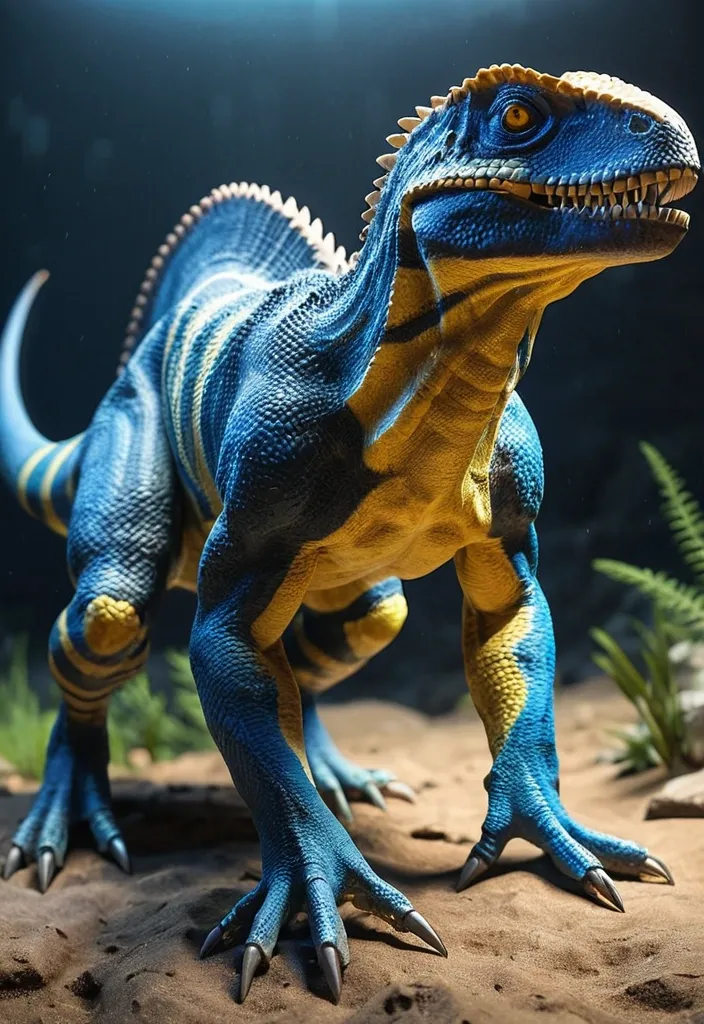
The hybrid was created by modifying the genome of a Tyrannosaurus rex , with the DNA of three other theropod species that were Utahraptor , Saurophaganax , and Giganotosaurus. Also the DNA of Quadrupes like Triceratops , and Scelidosaurus. DNA of modern animals such as Greater blue-ringed octopus , Inland Taipan , Northern Short-tailed Shrew , Komodo Dragon , Opossum , Mongoose , Gigantopithecus , Whiptail Lizard , Cuttlefish , and Tardigrades. The genome of Tyrannosaurus rex , Triceratops and Giganotosaurus was used as the base genome for the hybrid. Including the shape of the head in some parts from Giganotosaurus and Triceratops. It also gave the Indominus rex an incredibly strong bite that could crush bulletproof glass. Utahraptor DNA was added for high levels of intelligence and the ability to make plans , decisions and pack hunting. Reduced hind legs and Ape DNA added Knuckle-walking Quadruped. Triceratops , and Scelidosaurus were added to act as a biological form of armor that absorbed most of the incoming attacks. Northern short-tailed shrew , the Inland taipan's retractable fangs and the Komodo Dragon DNA was used to form the teeth of the Indominus that were used to tear through the flesh and armor of opponents. Saurophaganax and Gigantopithecus DNA added the presence of long strong arms with slashing hook claws and the use of tools. A swipe of the hybrid's claws would take down bigger opponents. While using tools for smaller elusive prey. Cuttlefish genes were intended to help the Venenosus withstand an accelerated growth , but it also added chromatophore cells in the skin so it could change the shape , color , and texture of its skin like a cuttlefish. Opossum , Mongoose and Tardigrades DNA was added for the Venenosus to be more resistant to climate changes , harmful toxins or bacterial infections , while tardigrades also added survival of extreme conditions such as exposure to extreme temperatures , extreme pressures , air deprivation , radiation , dehydration , and starvation. They have several defense mechanisms , including: A metabolic rate that gets as low as 0.01 percent of the normal rate. Organs protected by a sugary gel called trehalose. A protein that shields their DNA from radiation harm. Synthesis of cryoprotectant in chilly temperatures to prevent the development of ice crystals.Northern short-tailed shrew , the Inland Taipan , Greater blue-ringed octopus and the Komodo Dragon's DNA also added special cavities and glands in the skull that gave her infrared vision , and highly toxic saliva. Said DNA also gave her the ability to open her mandibles and jaws as wide as a snake , specifically at around 90 degrees.Lastly , DNA from a whiptail lizard was added for reproduction purposes. ,
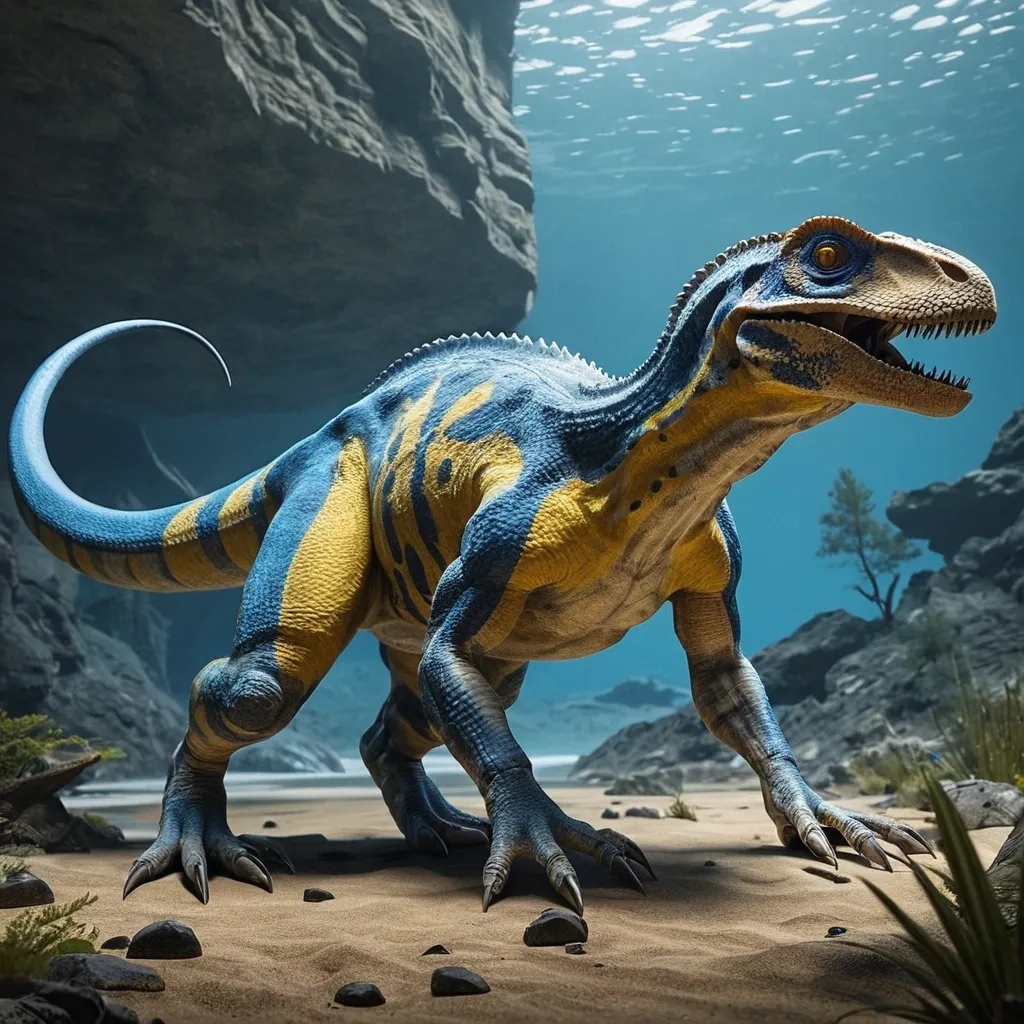
The hybrid was created by modifying the genome of a Tyrannosaurus rex , with the DNA of three other theropod species that were Utahraptor , Saurophaganax , and Giganotosaurus. Also the DNA of Quadrupes like Triceratops , and Scelidosaurus. DNA of modern animals such as Greater blue-ringed octopus , Inland Taipan , Northern Short-tailed Shrew , Komodo Dragon , Opossum , Mongoose , Gigantopithecus , Whiptail Lizard , Cuttlefish , and Tardigrades. The genome of Tyrannosaurus rex , Triceratops and Giganotosaurus was used as the base genome for the hybrid. Including the shape of the head in some parts from Giganotosaurus and Triceratops. It also gave the Indominus rex an incredibly strong bite that could crush bulletproof glass. Utahraptor DNA was added for high levels of intelligence and the ability to make plans , decisions and pack hunting. Reduced hind legs and Ape DNA added Knuckle-walking Quadruped. Triceratops , and Scelidosaurus were added to act as a biological form of armor that absorbed most of the incoming attacks. Northern short-tailed shrew , the Inland taipan's retractable fangs and the Komodo Dragon DNA was used to form the teeth of the Indominus that were used to tear through the flesh and armor of opponents. Saurophaganax and Gigantopithecus DNA added the presence of long strong arms with slashing hook claws and the use of tools. A swipe of the hybrid's claws would take down bigger opponents. While using tools for smaller elusive prey. Cuttlefish genes were intended to help the Venenosus withstand an accelerated growth , but it also added chromatophore cells in the skin so it could change the shape , color , and texture of its skin like a cuttlefish. Opossum , Mongoose and Tardigrades DNA was added for the Venenosus to be more resistant to climate changes , harmful toxins or bacterial infections , while tardigrades also added survival of extreme conditions such as exposure to extreme temperatures , extreme pressures , air deprivation , radiation , dehydration , and starvation. They have several defense mechanisms , including: A metabolic rate that gets as low as 0.01 percent of the normal rate. Organs protected by a sugary gel called trehalose. A protein that shields their DNA from radiation harm. Synthesis of cryoprotectant in chilly temperatures to prevent the development of ice crystals.Northern short-tailed shrew , the Inland Taipan , Greater blue-ringed octopus and the Komodo Dragon's DNA also added special cavities and glands in the skull that gave her infrared vision , and highly toxic saliva. Said DNA also gave her the ability to open her mandibles and jaws as wide as a snake , specifically at around 90 degrees.Lastly , DNA from a whiptail lizard was added for reproduction purposes. ,
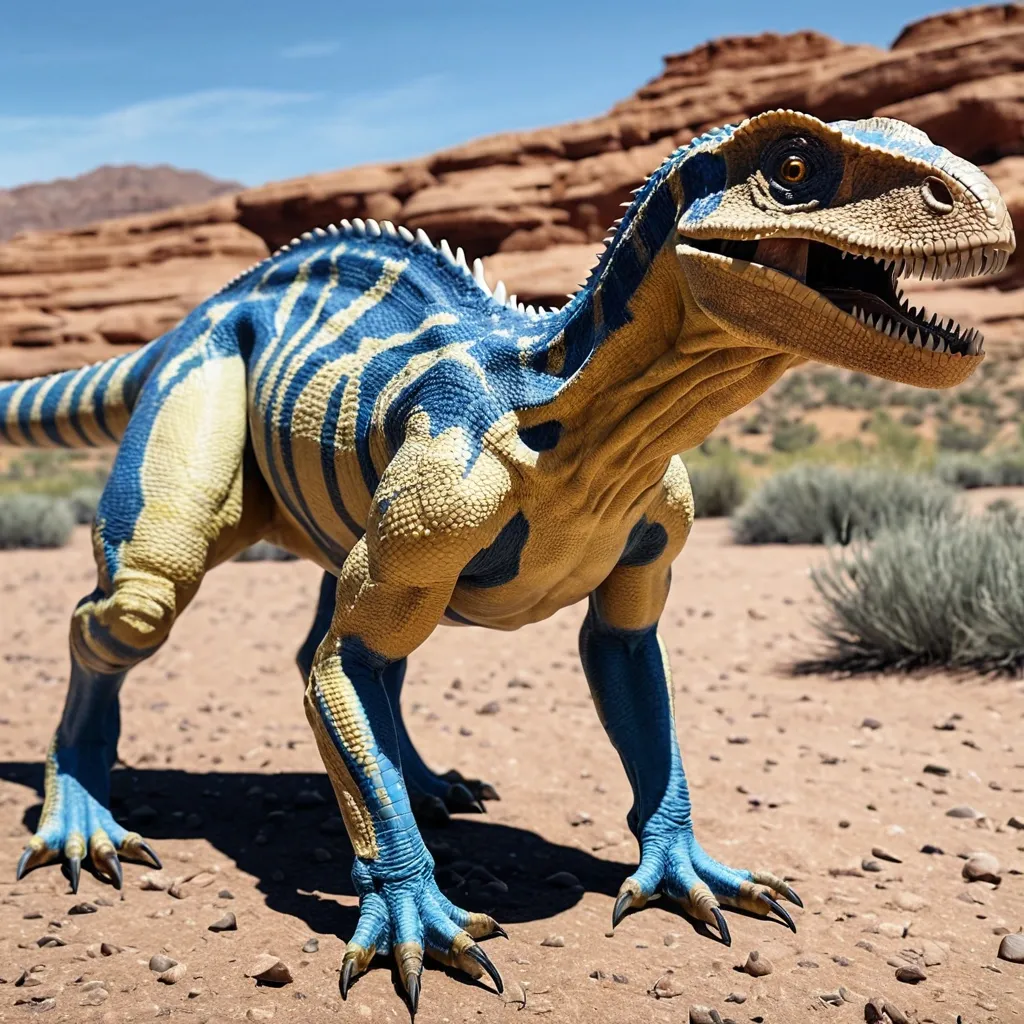
The hybrid was created by modifying the genome of a Tyrannosaurus rex , with the DNA of three other theropod species that were Utahraptor , Saurophaganax , and Giganotosaurus. Also the DNA of Quadrupes like Triceratops , and Scelidosaurus. DNA of modern animals such as Greater blue-ringed octopus , Inland Taipan , Northern Short-tailed Shrew , Komodo Dragon , Opossum , Mongoose , Gigantopithecus , Whiptail Lizard , Cuttlefish , and Tardigrades. The genome of Tyrannosaurus rex , Triceratops and Giganotosaurus was used as the base genome for the hybrid. Including the shape of the head in some parts from Giganotosaurus and Triceratops. It also gave the Indominus rex an incredibly strong bite that could crush bulletproof glass. Utahraptor DNA was added for high levels of intelligence and the ability to make plans , decisions and pack hunting. Reduced hind legs and Ape DNA added Knuckle-walking Quadruped. Triceratops , and Scelidosaurus were added to act as a biological form of armor that absorbed most of the incoming attacks. Northern short-tailed shrew , the Inland taipan's retractable fangs and the Komodo Dragon DNA was used to form the teeth of the Indominus that were used to tear through the flesh and armor of opponents. Saurophaganax and Gigantopithecus DNA added the presence of long strong arms with slashing hook claws and the use of tools. A swipe of the hybrid's claws would take down bigger opponents. While using tools for smaller elusive prey. Cuttlefish genes were intended to help the Venenosus withstand an accelerated growth , but it also added chromatophore cells in the skin so it could change the shape , color , and texture of its skin like a cuttlefish. Opossum , Mongoose and Tardigrades DNA was added for the Venenosus to be more resistant to climate changes , harmful toxins or bacterial infections , while tardigrades also added survival of extreme conditions such as exposure to extreme temperatures , extreme pressures , air deprivation , radiation , dehydration , and starvation. They have several defense mechanisms , including: A metabolic rate that gets as low as 0.01 percent of the normal rate. Organs protected by a sugary gel called trehalose. A protein that shields their DNA from radiation harm. Synthesis of cryoprotectant in chilly temperatures to prevent the development of ice crystals.Northern short-tailed shrew , the Inland Taipan , Greater blue-ringed octopus and the Komodo Dragon's DNA also added special cavities and glands in the skull that gave her infrared vision , and highly toxic saliva. Said DNA also gave her the ability to open her mandibles and jaws as wide as a snake , specifically at around 90 degrees.Lastly , DNA from a whiptail lizard was added for reproduction purposes. ,
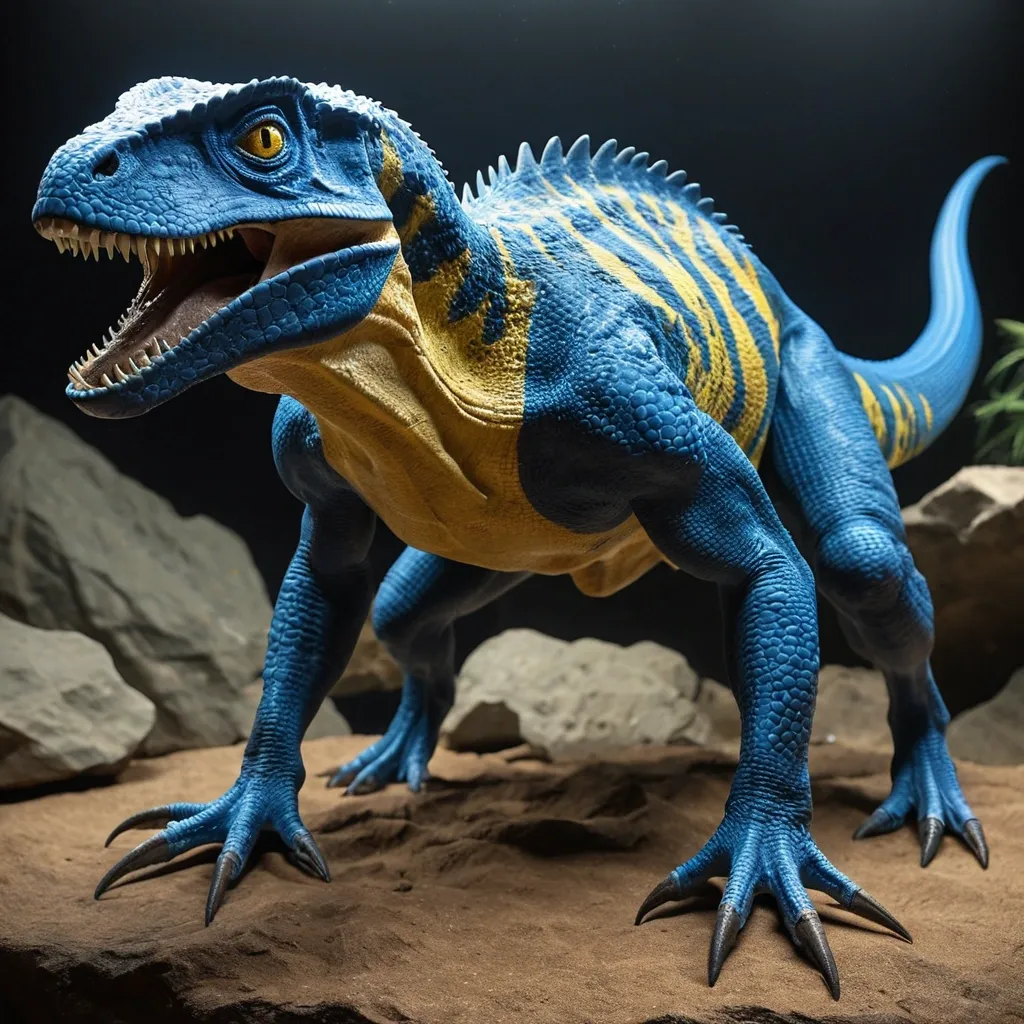
The hybrid was created by modifying the genome of a Tyrannosaurus rex , with the DNA of three other theropod species that were Utahraptor , Saurophaganax , and Giganotosaurus. Also the DNA of Quadrupes like Triceratops , and Scelidosaurus. DNA of modern animals such as Greater blue-ringed octopus , Inland Taipan , Northern Short-tailed Shrew , Komodo Dragon , Opossum , Mongoose , Ape , Whiptail Lizard , Cuttlefish , and Tardigrades. The genome of Tyrannosaurus rex , Triceratops and Giganotosaurus was used as the base genome for the hybrid. Including the shape of the head in some parts from Giganotosaurus and Triceratops. It also gave the Indominus rex an incredibly strong bite that could crush bulletproof glass. Utahraptor DNA was added for high levels of intelligence and the ability to make plans , decisions and pack hunting. Reduced hind legs and Ape DNA added Knuckle-walking Quadruped. Triceratops , and Scelidosaurus were added to act as a biological form of armor that absorbed most of the incoming attacks. Northern short-tailed shrew , the Inland taipan's retractable fangs and the Komodo Dragon DNA was used to form the teeth of the Indominus that were used to tear through the flesh and armor of opponents. Saurophaganax and Gigantopithecus DNA added the presence of long strong arms with slashing hook claws and the use of tools. A swipe of the hybrid's claws would take down bigger opponents. While using tools for smaller elusive prey. Cuttlefish genes were intended to help the Venenosus withstand an accelerated growth , but it also added chromatophore cells in the skin so it could change the shape , color , and texture of its skin like a cuttlefish. Opossum , Mongoose and Tardigrades DNA was added for the Venenosus to be more resistant to climate changes , harmful toxins or bacterial infections , while tardigrades also added survival of extreme conditions such as exposure to extreme temperatures , extreme pressures , air deprivation , radiation , dehydration , and starvation. They have several defense mechanisms , including: A metabolic rate that gets as low as 0.01 percent of the normal rate. Organs protected by a sugary gel called trehalose. A protein that shields their DNA from radiation harm. Synthesis of cryoprotectant in chilly temperatures to prevent the development of ice crystals.Northern short-tailed shrew , the Inland Taipan , Greater blue-ringed octopus and the Komodo Dragon's DNA also added special cavities and glands in the skull that gave her infrared vision , and highly toxic saliva. Said DNA also gave her the ability to open her mandibles and jaws as wide as a snake , specifically at around 90 degrees.Lastly , DNA from a whiptail lizard was added for reproduction purposes. ,
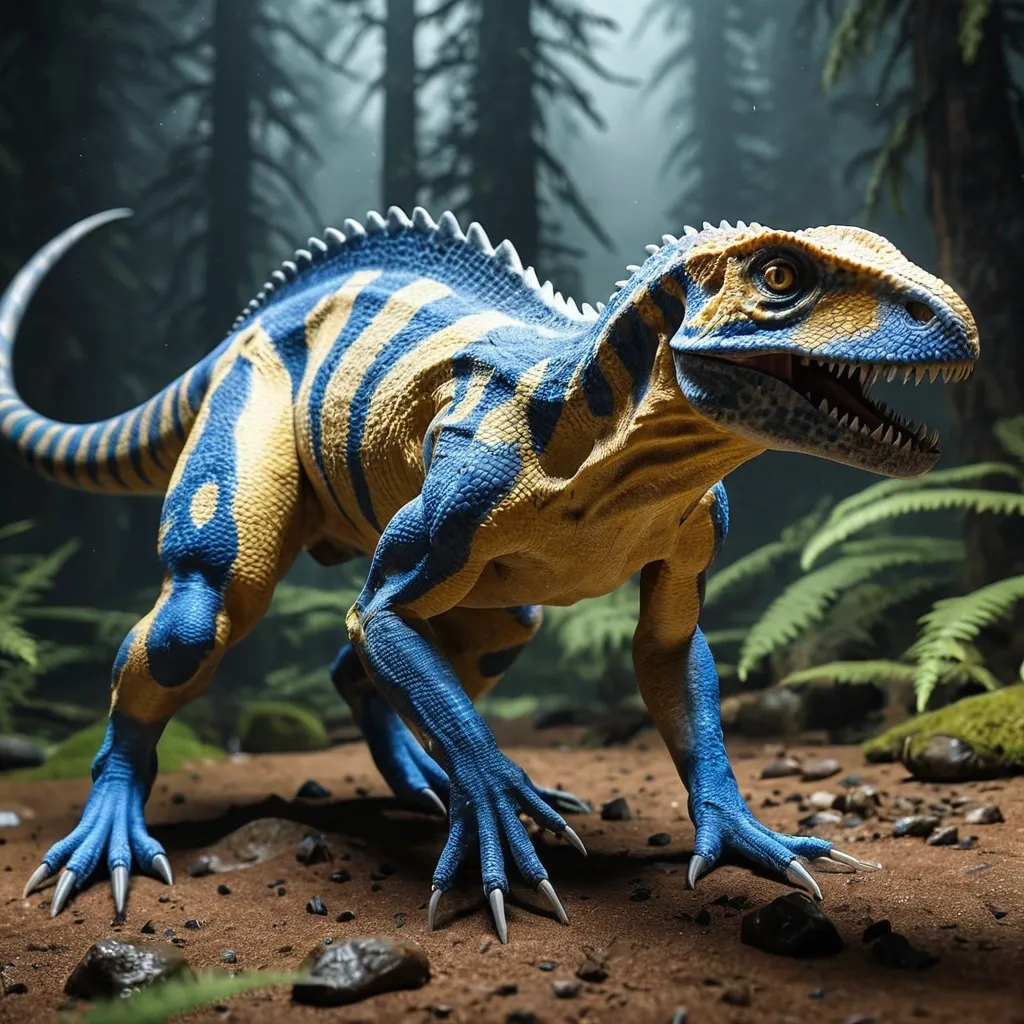
The hybrid was created by modifying the genome of a Tyrannosaurus rex , with the DNA of three other theropod species that were Utahraptor , Saurophaganax , and Giganotosaurus. Also the DNA of Quadrupes like Triceratops , and Scelidosaurus. DNA of modern animals such as Greater blue-ringed octopus , Inland Taipan , Northern Short-tailed Shrew , Komodo Dragon , Opossum , Mongoose , Ape , Whiptail Lizard , Cuttlefish , and Tardigrades. The genome of Tyrannosaurus rex , Triceratops and Giganotosaurus was used as the base genome for the hybrid. Including the shape of the head in some parts from Giganotosaurus and Triceratops. It also gave the Indominus rex an incredibly strong bite that could crush bulletproof glass. Utahraptor DNA was added for high levels of intelligence and the ability to make plans , decisions and pack hunting. Reduced hind legs and Ape DNA added Knuckle-walking Quadruped. Triceratops , and Scelidosaurus were added to act as a biological form of armor that absorbed most of the incoming attacks. Northern short-tailed shrew , the Inland taipan's retractable fangs and the Komodo Dragon DNA was used to form the teeth of the Indominus that were used to tear through the flesh and armor of opponents. Saurophaganax and Ape DNA added the presence of long strong arms with slashing hook claws and the use of tools. A swipe of the hybrid's claws would take down bigger opponents. While using tools for smaller elusive prey. Cuttlefish genes were intended to help the Venenosus withstand an accelerated growth , but it also added chromatophore cells in the skin so it could change the shape , color , and texture of its skin like a cuttlefish. Opossum , Mongoose and Tardigrades DNA was added for the Venenosus to be more resistant to climate changes , harmful toxins or bacterial infections , while tardigrades also added survival of extreme conditions such as exposure to extreme temperatures , extreme pressures , air deprivation , radiation , dehydration , and starvation. They have several defense mechanisms , including: A metabolic rate that gets as low as 0.01 percent of the normal rate. Organs protected by a sugary gel called trehalose. A protein that shields their DNA from radiation harm. Synthesis of cryoprotectant in chilly temperatures to prevent the development of ice crystals.Northern short-tailed shrew , the Inland Taipan , Greater blue-ringed octopus and the Komodo Dragon's DNA also added special cavities and glands in the skull that gave her infrared vision , and highly toxic saliva. Said DNA also gave her the ability to open her mandibles and jaws as wide as a snake , specifically at around 90 degrees.Lastly , DNA from a whiptail lizard was added for reproduction purposes. ,
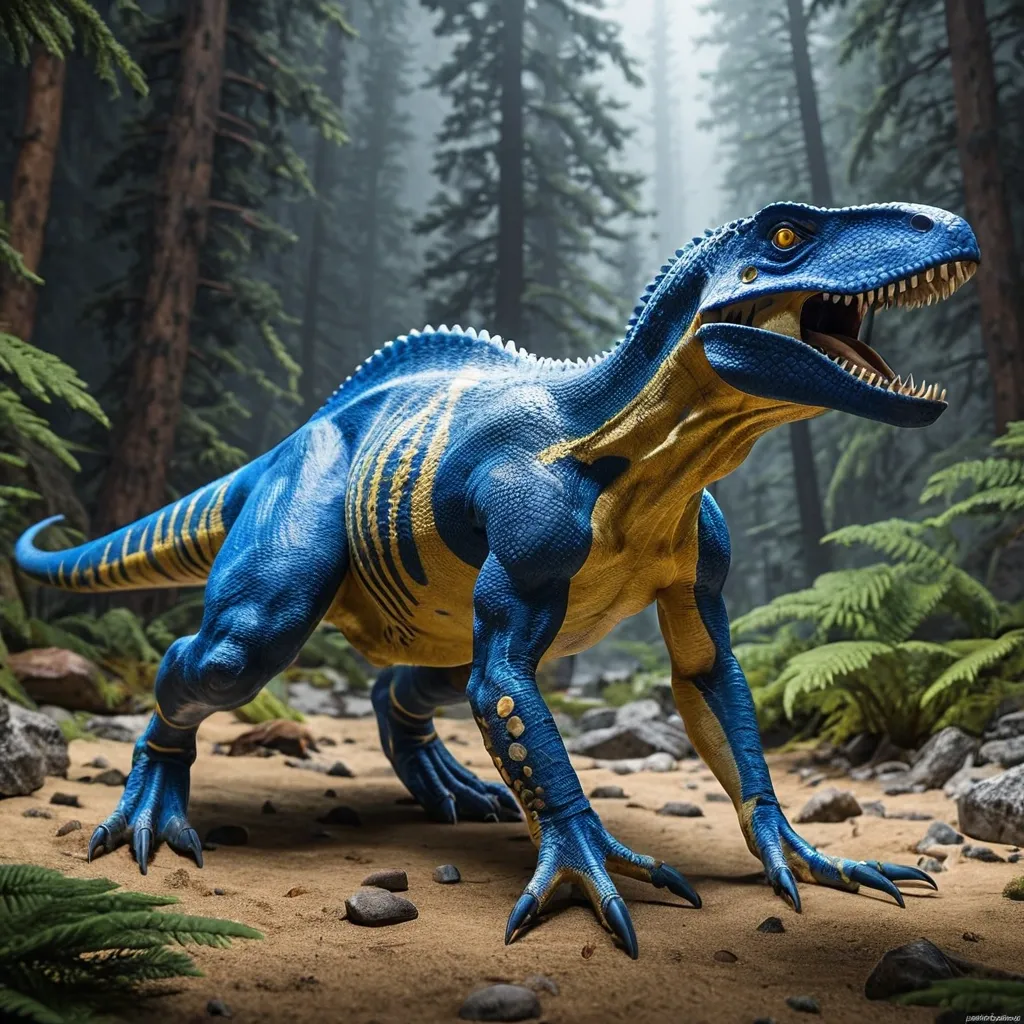
The hybrid was created by modifying the genome of a Tyrannosaurus rex , with the DNA of three other theropod species that were Utahraptor , Saurophaganax , and Giganotosaurus. Also the DNA of Quadrupes like Triceratops , and Scelidosaurus. DNA of modern animals such as Greater blue-ringed octopus , Inland Taipan , Northern Short-tailed Shrew , Komodo Dragon , Opossum , Mongoose , Ape , Whiptail Lizard , Cuttlefish , and Tardigrades. The genome of Tyrannosaurus rex , Triceratops and Giganotosaurus was used as the base genome for the hybrid. Including the shape of the head in some parts from Giganotosaurus and Triceratops. It also gave the Indominus rex an incredibly strong bite that could crush bulletproof glass. Utahraptor DNA was added for high levels of intelligence and the ability to make plans , decisions and pack hunting. Reduced hind legs and Ape DNA added Knuckle-walking Quadruped. Triceratops , and Scelidosaurus were added to act as a biological form of armor that absorbed most of the incoming attacks. Northern short-tailed shrew , the Inland taipan's retractable fangs and the Komodo Dragon DNA was used to form the teeth of the Indominus that were used to tear through the flesh and armor of opponents. Saurophaganax and Ape DNA added the presence of long strong arms with slashing hook claws and the use of tools. A swipe of the hybrid's claws would take down bigger opponents. While using tools for smaller elusive prey. Cuttlefish genes were intended to help the Venenosus withstand an accelerated growth , but it also added chromatophore cells in the skin so it could change the shape , color , and texture of its skin like a cuttlefish. Opossum , Mongoose and Tardigrades DNA was added for the Venenosus to be more resistant to climate changes , harmful toxins or bacterial infections , while tardigrades also added survival of extreme conditions such as exposure to extreme temperatures , extreme pressures , air deprivation , radiation , dehydration , and starvation. They have several defense mechanisms , including: A metabolic rate that gets as low as 0.01 percent of the normal rate. Organs protected by a sugary gel called trehalose. A protein that shields their DNA from radiation harm. Synthesis of cryoprotectant in chilly temperatures to prevent the development of ice crystals.Northern short-tailed shrew , the Inland Taipan , Greater blue-ringed octopus and the Komodo Dragon's DNA also added special cavities and glands in the skull that gave her infrared vision , and highly toxic saliva. Said DNA also gave her the ability to open her mandibles and jaws as wide as a snake , specifically at around 90 degrees.Lastly , DNA from a whiptail lizard was added for reproduction purposes. ,
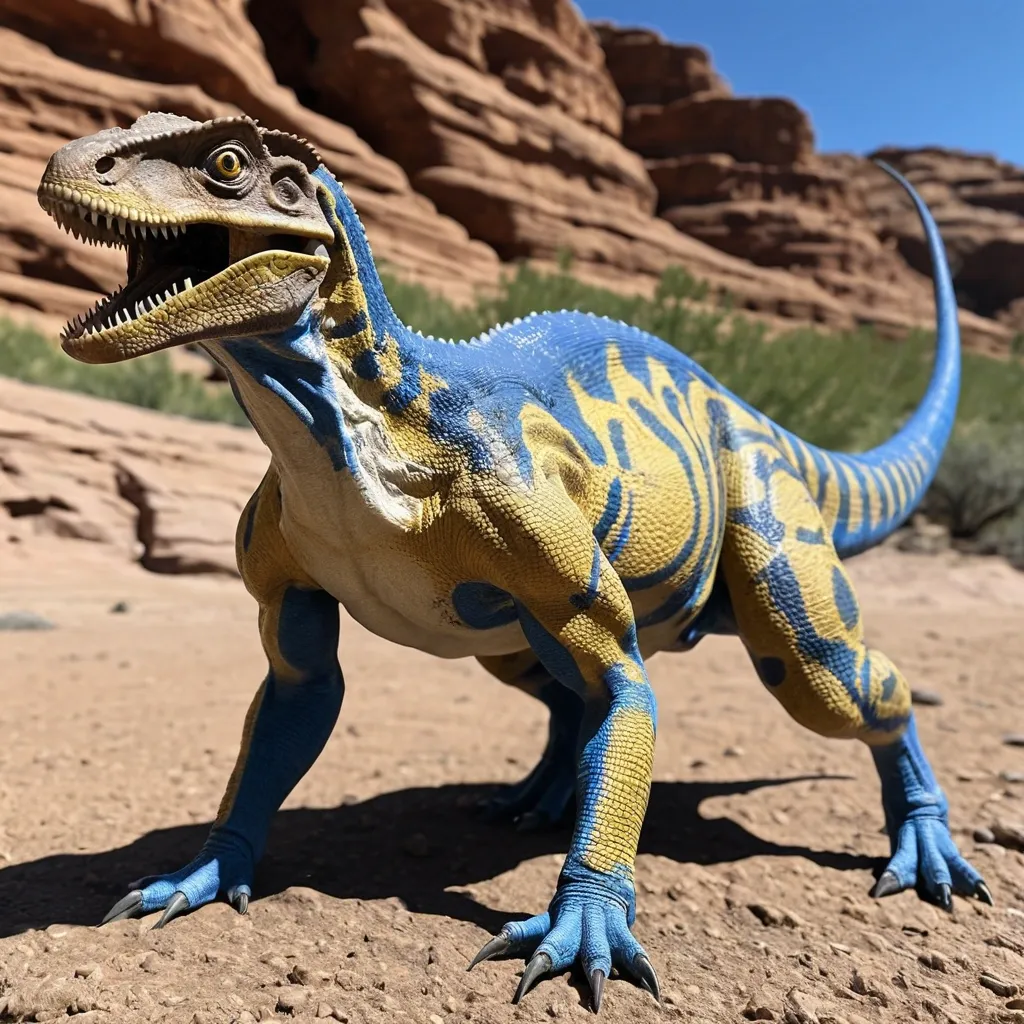
The hybrid was created by modifying the genome of a Tyrannosaurus rex , with the DNA of three other theropod species that were Utahraptor , Saurophaganax , and Giganotosaurus. Also the DNA of Quadrupes like Triceratops , and Scelidosaurus. DNA of modern animals such as Greater blue-ringed octopus , Inland Taipan , Northern Short-tailed Shrew , Komodo Dragon , Opossum , Mongoose , Ape , Whiptail Lizard , Cuttlefish , and Tardigrades. The genome of Tyrannosaurus rex , Triceratops and Giganotosaurus was used as the base genome for the hybrid. Including the shape of the head in some parts from Giganotosaurus and Triceratops. It also gave the Indominus rex an incredibly strong bite that could crush bulletproof glass. Utahraptor DNA was added for high levels of intelligence and the ability to make plans , decisions and pack hunting. Reduced hind legs and Ape DNA added Knuckle-walking Quadruped. Triceratops , and Scelidosaurus were added to act as a biological form of armor that absorbed most of the incoming attacks. Northern short-tailed shrew , the Inland taipan's retractable fangs and the Komodo Dragon DNA was used to form the teeth of the Indominus that were used to tear through the flesh and armor of opponents. Saurophaganax and Ape DNA added the presence of long strong arms with slashing hook claws and the use of tools. A swipe of the hybrid's claws would take down bigger opponents. While using tools for smaller elusive prey. Cuttlefish genes were intended to help the Venenosus withstand an accelerated growth , but it also added chromatophore cells in the skin so it could change the shape , color , and texture of its skin like a cuttlefish. Opossum , Mongoose and Tardigrades DNA was added for the Venenosus to be more resistant to climate changes , harmful toxins or bacterial infections , while tardigrades also added survival of extreme conditions such as exposure to extreme temperatures , extreme pressures , air deprivation , radiation , dehydration , and starvation. They have several defense mechanisms , including: A metabolic rate that gets as low as 0.01 percent of the normal rate. Organs protected by a sugary gel called trehalose. A protein that shields their DNA from radiation harm. Synthesis of cryoprotectant in chilly temperatures to prevent the development of ice crystals.Northern short-tailed shrew , the Inland Taipan , Greater blue-ringed octopus and the Komodo Dragon's DNA also added special cavities and glands in the skull that gave her infrared vision , and highly toxic saliva. Said DNA also gave her the ability to open her mandibles and jaws as wide as a snake , specifically at around 90 degrees.Lastly , DNA from a whiptail lizard was added for reproduction purposes. ,
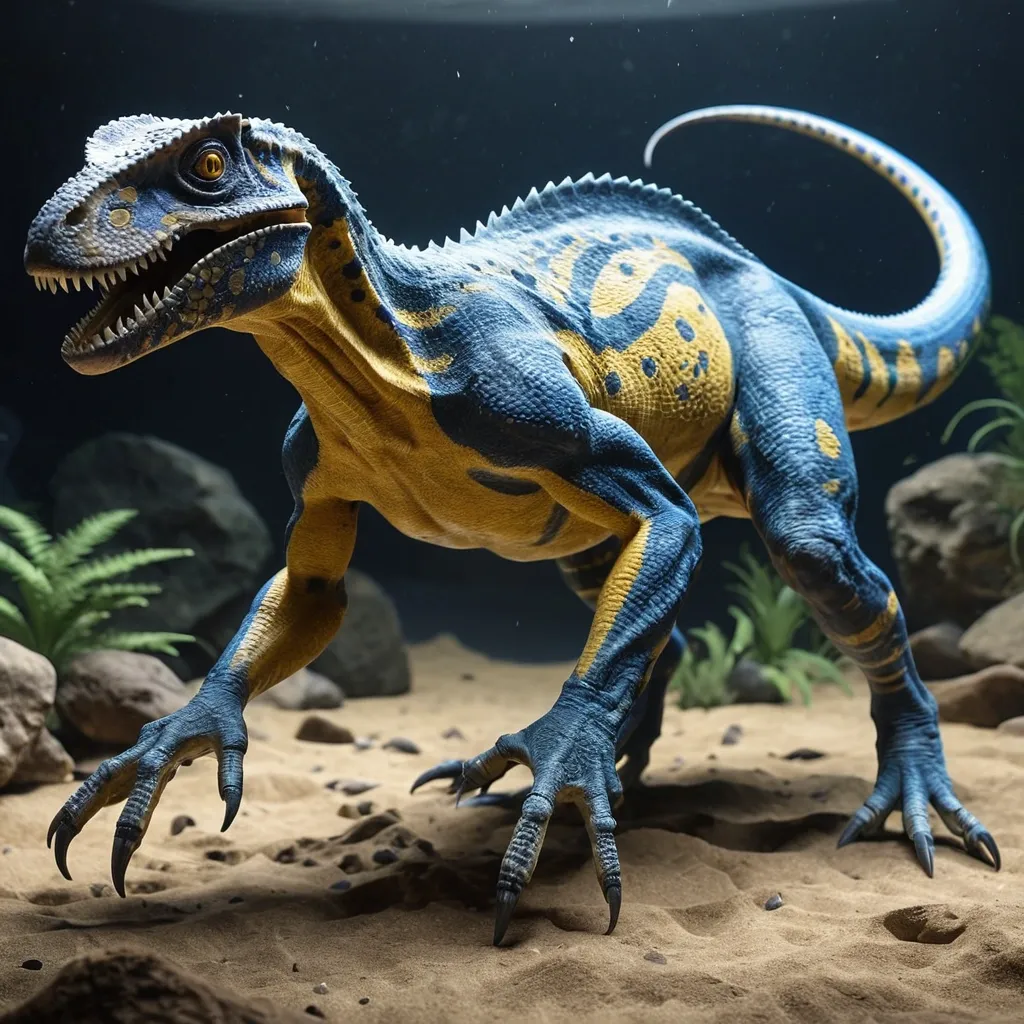
The hybrid was created by modifying the genome of a Tyrannosaurus rex , with the DNA of three other theropod species that were Utahraptor , Saurophaganax , and Giganotosaurus. Also the DNA of Quadrupes like Triceratops , and Scelidosaurus. DNA of modern animals such as Greater blue-ringed octopus , Inland Taipan , Northern Short-tailed Shrew , Komodo Dragon , Opossum , Mongoose , Ape , Whiptail Lizard , Cuttlefish , and Tardigrades. The genome of Tyrannosaurus rex , Triceratops and Giganotosaurus was used as the base genome for the hybrid. Including the shape of the head in some parts from Giganotosaurus and Triceratops. It also gave the Indominus rex an incredibly strong bite that could crush bulletproof glass. Utahraptor DNA was added for high levels of intelligence and the ability to make plans , decisions and pack hunting. Reduced hind legs and Ape DNA added Knuckle-walking Quadruped. Triceratops , and Scelidosaurus were added to act as a biological form of armor that absorbed most of the incoming attacks. Northern short-tailed shrew , the Inland taipan's retractable fangs and the Komodo Dragon DNA was used to form the teeth of the Indominus that were used to tear through the flesh and armor of opponents. Saurophaganax and Ape DNA added the presence of long strong arms with slashing hook claws and the use of tools. A swipe of the hybrid's claws would take down bigger opponents. While using tools for smaller elusive prey. Cuttlefish genes were intended to help the Venenosus withstand an accelerated growth , but it also added chromatophore cells in the skin so it could change the shape , color , and texture of its skin like a cuttlefish. Opossum , Mongoose and Tardigrades DNA was added for the Venenosus to be more resistant to climate changes , harmful toxins or bacterial infections , while tardigrades also added survival of extreme conditions such as exposure to extreme temperatures , extreme pressures , air deprivation , radiation , dehydration , and starvation. They have several defense mechanisms , including: A metabolic rate that gets as low as 0.01 percent of the normal rate. Organs protected by a sugary gel called trehalose. A protein that shields their DNA from radiation harm. Synthesis of cryoprotectant in chilly temperatures to prevent the development of ice crystals.Northern short-tailed shrew , the Inland Taipan , Greater blue-ringed octopus and the Komodo Dragon's DNA also added special cavities and glands in the skull that gave her infrared vision , and highly toxic saliva. Said DNA also gave her the ability to open her mandibles and jaws as wide as a snake , specifically at around 90 degrees.Lastly , DNA from a whiptail lizard was added for reproduction purposes. ,
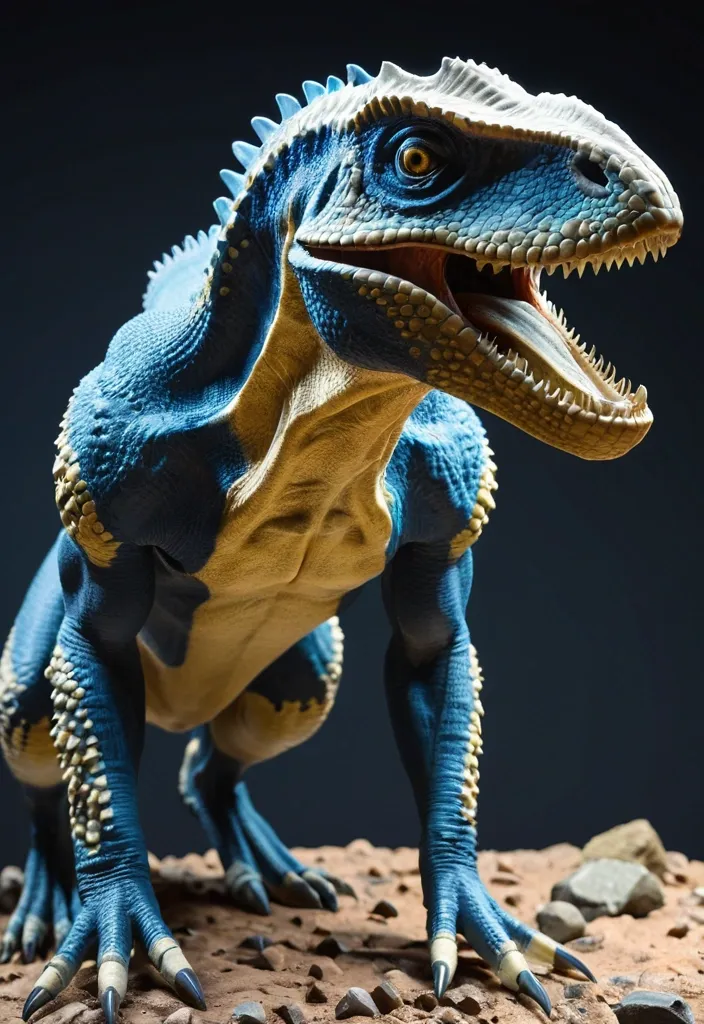
The hybrid was created by modifying the genome of a Tyrannosaurus rex , with the DNA of three other theropods. Known species that were included were Utahraptor , Saurophaganax , and Giganotosaurus. There was also the DNA of Quadrupes like Triceratops , and Scelidosaurus. DNA of modern animals such as Greater blue-ringed octopus , Inland Taipan , Northern Short-tailed Shrew , Komodo Dragon , Opossum , Mongoose , Ape , Whiptail Lizard , Cuttlefish , and Tardigrades. The genome of Tyrannosaurus rex , Triceratops and Giganotosaurus was used as the base genome for the hybrid. Including the shape of the head in some parts from Giganotosaurus and Triceratops. It also gave the Indominus rex an incredibly strong bite that could crush bulletproof glass. Utahraptor DNA was added for high levels of intelligence and the ability to make plans , decisions and pack hunting. Reduced hind legs and Ape DNA added Knuckle-walking Quadruped. Triceratops , and Scelidosaurus were added to act as a biological form of armor that absorbed most of the incoming attacks. Northern short-tailed shrew , the Inland taipan's retractable fangs and the Komodo Dragon DNA was used to form the teeth of the Indominus that were used to tear through the flesh and armor of opponents. Saurophaganax and Ape DNA added the presence of long strong arms with slashing hook claws and the use of tools. A swipe of the hybrid's claws would take down bigger opponents. While using tools for smaller elusive prey. Cuttlefish genes were intended to help the Venenosus withstand an accelerated growth , but it also added chromatophore cells in the skin so it could change the shape , color , and texture of its skin like a cuttlefish. Opossum , Mongoose and Tardigrades DNA was added for the Venenosus to be more resistant to climate changes , harmful toxins or bacterial infections , while tardigrades also added survival of extreme conditions such as exposure to extreme temperatures , extreme pressures , air deprivation , radiation , dehydration , and starvation. They have several defense mechanisms , including: A metabolic rate that gets as low as 0.01 percent of the normal rate. Organs protected by a sugary gel called trehalose. A protein that shields their DNA from radiation harm. Synthesis of cryoprotectant in chilly temperatures to prevent the development of ice crystals.Northern short-tailed shrew , the Inland Taipan , Greater blue-ringed octopus and the Komodo Dragon's DNA also added special cavities and glands in the skull that gave her infrared vision , and highly toxic saliva. Said DNA also gave her the ability to open her mandibles and jaws as wide as a snake , specifically at around 90 degrees.Lastly , DNA from a whiptail lizard was added for reproduction purposes. ,
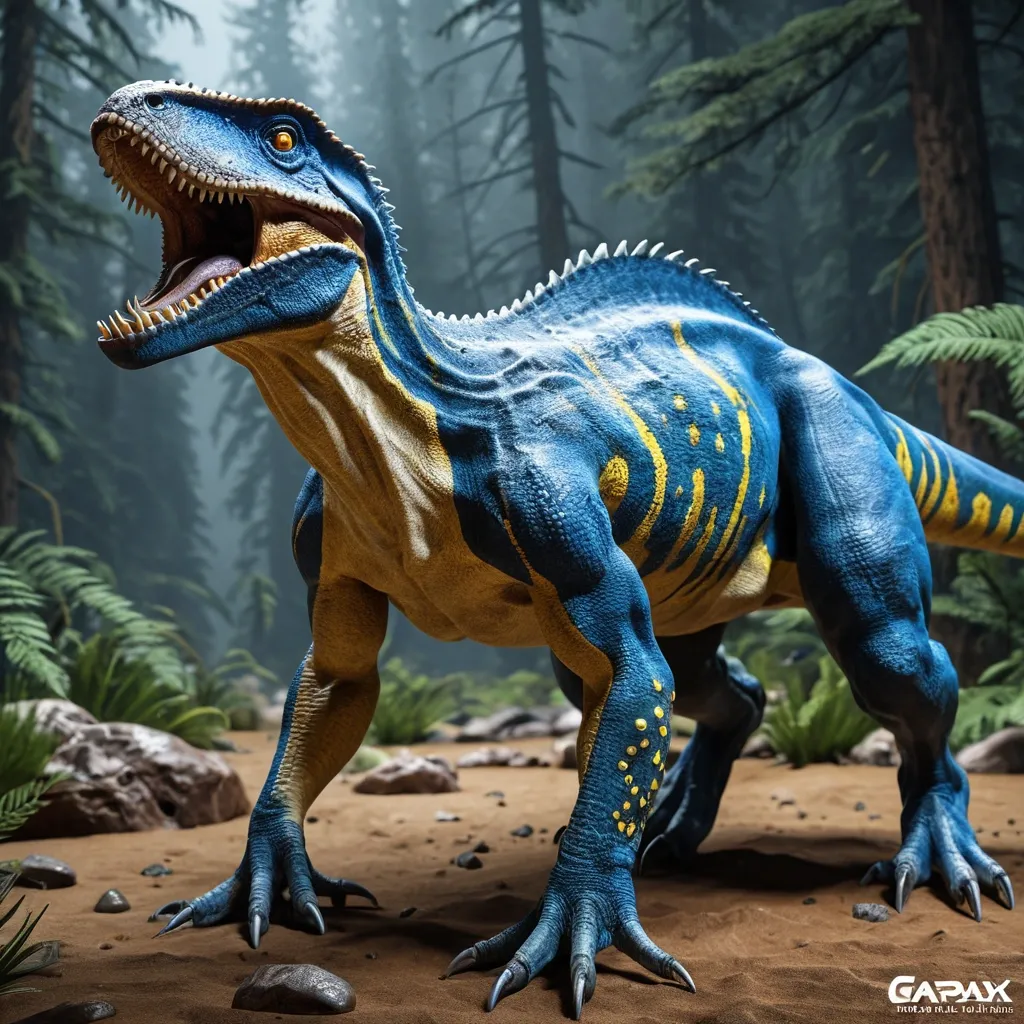
The hybrid was created by modifying the genome of a Tyrannosaurus rex , with the DNA of three other theropods. Known species that were included were Utahraptor , Saurophaganax , and Giganotosaurus. There was also the DNA of Quadrupes like Triceratops , and Scelidosaurus. DNA of modern animals such as Greater blue-ringed octopus , Inland Taipan , Northern Short-tailed Shrew , Komodo Dragon , Opossum , Mongoose , Ape , Whiptail Lizard , Cuttlefish , and Tardigrades. The genome of Tyrannosaurus rex , Triceratops and Giganotosaurus was used as the base genome for the hybrid. Including the shape of the head in some parts from Giganotosaurus and Triceratops. It also gave the Indominus rex an incredibly strong bite that could crush bulletproof glass. Utahraptor DNA was added for high levels of intelligence and the ability to make plans , decisions and pack hunting. Reduced hind legs and Ape DNA added Knuckle-walking Quadruped. Triceratops , and Scelidosaurus were added to act as a biological form of armor that absorbed most of the incoming attacks. Northern short-tailed shrew , the Inland taipan's retractable fangs and the Komodo Dragon DNA was used to form the teeth of the Indominus that were used to tear through the flesh and armor of opponents. Saurophaganax and Ape DNA added the presence of long strong arms with slashing hook claws and the use of tools. A swipe of the hybrid's claws would take down bigger opponents. While using tools for smaller elusive prey. Cuttlefish genes were intended to help the Venenosus withstand an accelerated growth , but it also added chromatophore cells in the skin so it could change the shape , color , and texture of its skin like a cuttlefish. Opossum , Mongoose and Tardigrades DNA was added for the Venenosus to be more resistant to climate changes , harmful toxins or bacterial infections , while tardigrades also added survival of extreme conditions such as exposure to extreme temperatures , extreme pressures , air deprivation , radiation , dehydration , and starvation. They have several defense mechanisms , including: A metabolic rate that gets as low as 0.01 percent of the normal rate. Organs protected by a sugary gel called trehalose. A protein that shields their DNA from radiation harm. Synthesis of cryoprotectant in chilly temperatures to prevent the development of ice crystals.Northern short-tailed shrew , the Inland Taipan , Greater blue-ringed octopus and the Komodo Dragon's DNA also added special cavities and glands in the skull that gave her infrared vision , and highly toxic saliva. Said DNA also gave her the ability to open her mandibles and jaws as wide as a snake , specifically at around 90 degrees.Lastly , DNA from a whiptail lizard was added for reproduction purposes. ,
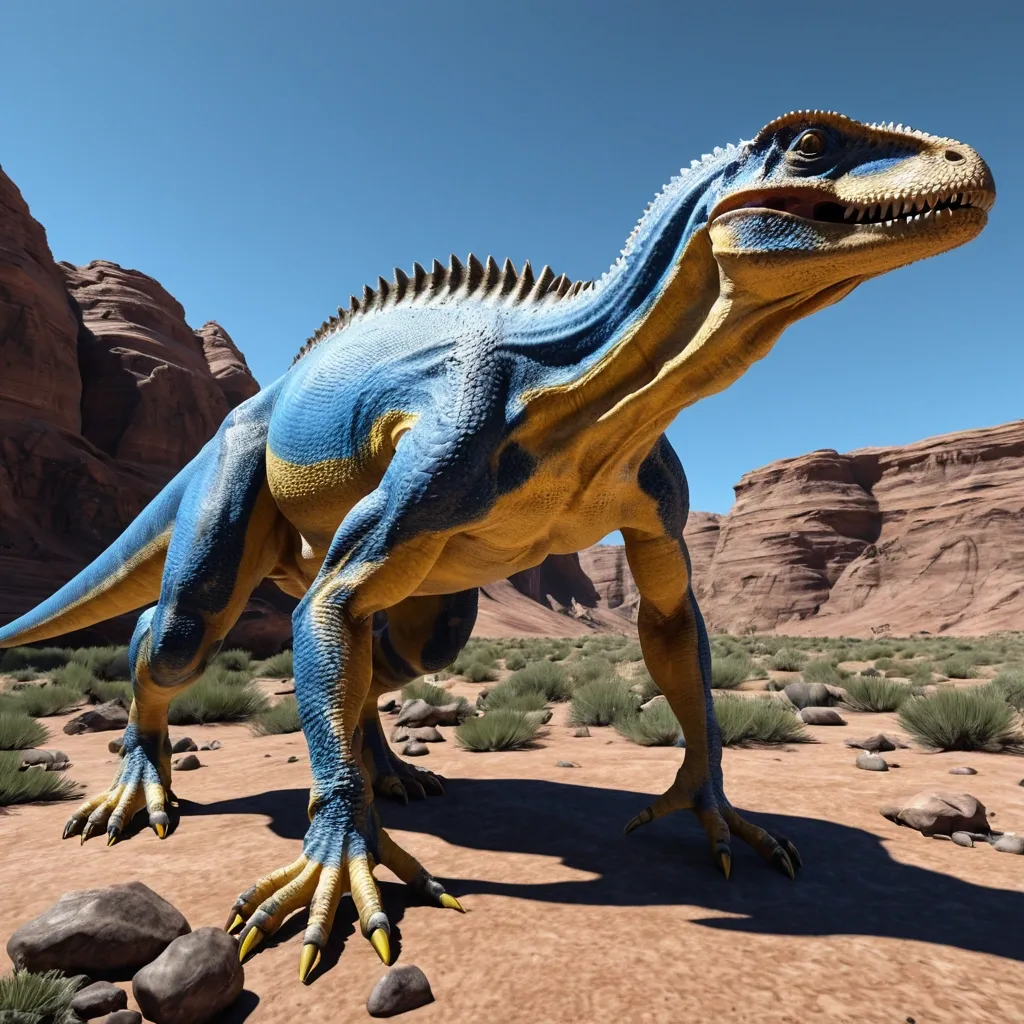
The hybrid was created by modifying the genome of a Tyrannosaurus rex , with the DNA of three other theropods. Known species that were included were Utahraptor , Saurophaganax , and Giganotosaurus. There was also the DNA of Quadrupes like Triceratops , and Scelidosaurus. DNA of modern animals such as Greater blue-ringed octopus , Inland Taipan , Northern Short-tailed Shrew , Komodo Dragon , Opossum , Mongoose , Ape , Whiptail Lizard , Cuttlefish , and Tardigrades. The genome of Tyrannosaurus rex , Triceratops and Giganotosaurus was used as the base genome for the hybrid. Including the shape of the head in some parts from Giganotosaurus and Triceratops. It also gave the Indominus rex an incredibly strong bite that could crush bulletproof glass. Utahraptor DNA was added for high levels of intelligence and the ability to make plans , decisions and pack hunting. Reduced hind legs and Ape DNA added Knuckle-walking Quadruped. Triceratops , and Scelidosaurus were added to act as a biological form of armor that absorbed most of the incoming attacks. Northern short-tailed shrew , the Inland taipan's retractable fangs and the Komodo Dragon DNA was used to form the teeth of the Indominus that were used to tear through the flesh and armor of opponents. Saurophaganax and Ape DNA added the presence of long strong arms with slashing hook claws and the use of tools. A swipe of the hybrid's claws would take down bigger opponents. While using tools for smaller elusive prey. Cuttlefish genes were intended to help the Venenosus withstand an accelerated growth , but it also added chromatophore cells in the skin so it could change the shape , color , and texture of its skin like a cuttlefish. Opossum , Mongoose and Tardigrades DNA was added for the Venenosus to be more resistant to climate changes , harmful toxins or bacterial infections , while tardigrades also added survival of extreme conditions such as exposure to extreme temperatures , extreme pressures , air deprivation , radiation , dehydration , and starvation. They have several defense mechanisms , including: A metabolic rate that gets as low as 0.01 percent of the normal rate. Organs protected by a sugary gel called trehalose. A protein that shields their DNA from radiation harm. Synthesis of cryoprotectant in chilly temperatures to prevent the development of ice crystals.Northern short-tailed shrew , the Inland Taipan , Greater blue-ringed octopus and the Komodo Dragon's DNA also added special cavities and glands in the skull that gave her infrared vision , and highly toxic saliva. Said DNA also gave her the ability to open her mandibles and jaws as wide as a snake , specifically at around 90 degrees.Lastly , DNA from a whiptail lizard was added for reproduction purposes. ,
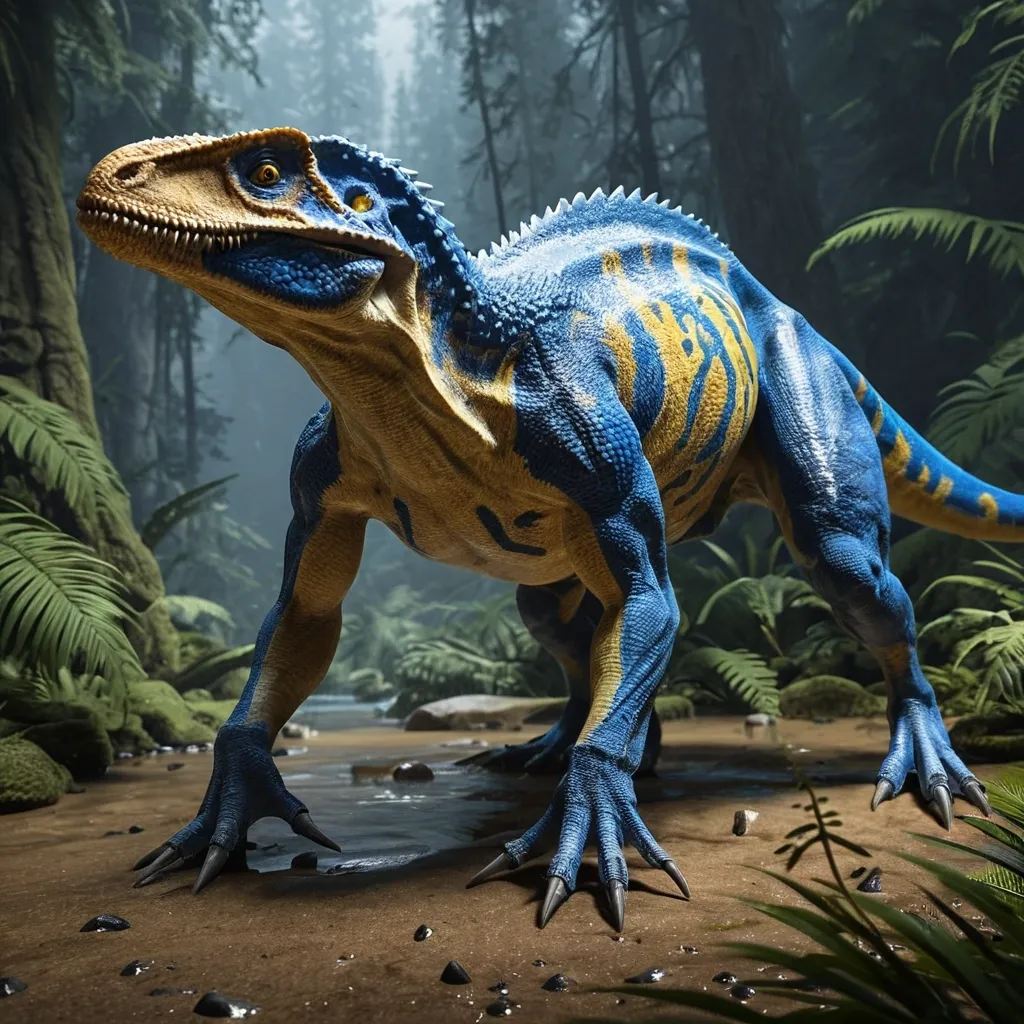
The hybrid was created by modifying the genome of a Tyrannosaurus rex , with the DNA of three other theropods. Known species that were included were Utahraptor , Saurophaganax , and Giganotosaurus. There was also the DNA of Quadrupes like Triceratops , and Scelidosaurus. DNA of modern animals such as Greater blue-ringed octopus , Inland Taipan , Northern Short-tailed Shrew , Komodo Dragon , Opossum , Mongoose , Ape , Whiptail Lizard , Cuttlefish , and Tardigrades. The genome of Tyrannosaurus rex , Triceratops and Giganotosaurus was used as the base genome for the hybrid. Including the shape of the head in some parts from Giganotosaurus and Triceratops. It also gave the Indominus rex an incredibly strong bite that could crush bulletproof glass. Utahraptor DNA was added for high levels of intelligence and the ability to make plans , decisions and pack hunting. Reduced hind legs and Ape DNA added Knuckle-walking Quadruped. Triceratops , and Scelidosaurus were added to act as a biological form of armor that absorbed most of the incoming attacks. Northern short-tailed shrew , the Inland taipan's retractable fangs and the Komodo Dragon DNA was used to form the teeth of the Indominus that were used to tear through the flesh and armor of opponents. Saurophaganax and Ape DNA added the presence of long strong arms with slashing hook claws and the use of tools. A swipe of the hybrid's claws would take down bigger opponents. While using tools for smaller elusive prey. Cuttlefish genes were intended to help the Venenosus withstand an accelerated growth , but it also added chromatophore cells in the skin so it could change the shape , color , and texture of its skin like a cuttlefish. Opossum , Mongoose and Tardigrades DNA was added for the Venenosus to be more resistant to climate changes , harmful toxins or bacterial infections , while tardigrades also added survival of extreme conditions such as exposure to extreme temperatures , extreme pressures , air deprivation , radiation , dehydration , and starvation. They have several defense mechanisms , including: A metabolic rate that gets as low as 0.01 percent of the normal rate. Organs protected by a sugary gel called trehalose. A protein that shields their DNA from radiation harm. Synthesis of cryoprotectant in chilly temperatures to prevent the development of ice crystals.Northern short-tailed shrew , the Inland Taipan , Greater blue-ringed octopus and the Komodo Dragon's DNA also added special cavities and glands in the skull that gave her infrared vision , and highly toxic saliva. Said DNA also gave her the ability to open her mandibles and jaws as wide as a snake , specifically at around 90 degrees.Lastly , DNA from a whiptail lizard was added for reproduction purposes. ,
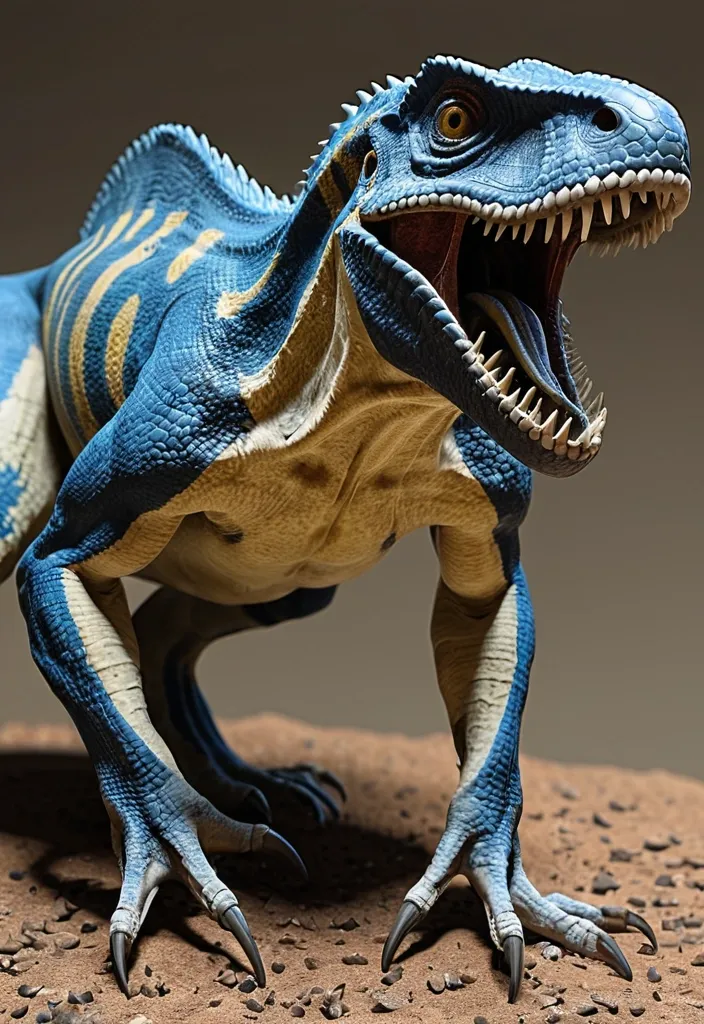
The hybrid was created by modifying the genome of a Tyrannosaurus rex , with the DNA of three other theropods. Known species that were included were Utahraptor , Saurophaganax , and Giganotosaurus. There was also the DNA of Quadrupes like Triceratops , and Scelidosaurus. DNA of modern animals such as Greater blue-ringed octopus , Inland Taipan , Northern Short-tailed Shrew , Komodo Dragon , Opossum , Mongoose , Ape , Whiptail Lizard , Cuttlefish , and Tardigrades. The genome of Tyrannosaurus rex , Triceratops and Giganotosaurus was used as the base genome for the hybrid. Including the shape of the head in some parts from Giganotosaurus and Triceratops. It also gave the Indominus rex an incredibly strong bite that could crush bulletproof glass. Utahraptor DNA was added for high levels of intelligence and the ability to make plans , decisions and pack hunting. Reduced hind legs and Ape DNA added Knuckle-walking Quadruped. Triceratops , and Scelidosaurus were added to act as a biological form of armor that absorbed most of the incoming attacks. Northern short-tailed shrew , the Inland taipan's retractable fangs and the Komodo Dragon DNA was used to form the teeth of the Indominus that were used to tear through the flesh and armor of opponents. Saurophaganax and Ape DNA added the presence of long strong arms with slashing hook claws and the use of tools. A swipe of the hybrid's claws would take down bigger opponents. While using tools for smaller elusive prey. Cuttlefish genes were intended to help the Venenosus withstand an accelerated growth , but it also added chromatophore cells in the skin so it could change the shape , color , and texture of its skin like a cuttlefish. Opossum , Mongoose and Tardigrades DNA was added for the Venenosus to be more resistant to climate changes , harmful toxins or bacterial infections , while tardigrades also added survival of extreme conditions such as exposure to extreme temperatures , extreme pressures , air deprivation , radiation , dehydration , and starvation. They have several defense mechanisms , including: A metabolic rate that gets as low as 0.01 percent of the normal rate. Organs protected by a sugary gel called trehalose. A protein that shields their DNA from radiation harm. Synthesis of cryoprotectant in chilly temperatures to prevent the development of ice crystals.Northern short-tailed shrew , the Inland Taipan , Greater blue-ringed octopus and the Komodo Dragon's DNA also added special cavities and glands in the skull that gave her infrared vision , and highly toxic saliva. Said DNA also gave her the ability to open her mandibles and jaws as wide as a snake , specifically at around 90 degrees.Lastly , DNA from a whiptail lizard was added for reproduction purposes. ,


Subject: A modern queen-sized bed with a dark gray upholstered headboard features rumpled charcoal bedding , including a quilted duvet cover and patterned sheets. The unmade bed gives a lived-in , cozy appearance. the person lies on the bed and goes to the window with a wall ar says Anonima in green Scene: A contemporary bedroom with white-painted walls showcases large windows allowing natural daylight. White bedside tables flank the bed , topped with bronze table lamps. A white desk or vanity sits beneath the window , with hardwood flooring throughout and a round mirror mounted on the wall.stuffed cushions. Wall art says anonima , a bedside table with a candle Style: Moody atmospheric photography emphasizes contrast between light and shadow , creating depth through warm lamp lighting against cool natural daylight. The composition balances dark textiles against bright architectural elements. Monochromatic , atmospheric , textural contrast , dramatic lighting , minimalist modern. ,

Subject: A modern queen-sized bed with a dark gray upholstered headboard features rumpled charcoal bedding , including a quilted duvet cover and patterned sheets. The unmade bed gives a lived-in , cozy appearance. the person lies on the bed and goes to the window with a wall ar says Anonima in green Scene: A contemporary bedroom with white-painted walls showcases large windows allowing natural daylight. White bedside tables flank the bed , topped with bronze table lamps. A white desk or vanity sits beneath the window , with hardwood flooring throughout and a round mirror mounted on the wall.stuffed cushions. Wall art says anonima , a bedside table with a candle Style: Moody atmospheric photography emphasizes contrast between light and shadow , creating depth through warm lamp lighting against cool natural daylight. The composition balances dark textiles against bright architectural elements. Monochromatic , atmospheric , textural contrast , dramatic lighting , minimalist modern. ,

In style of split toning , in style of mixed media , harsh lighting , intaglio engraving , stippling , in style of sumi - e , in style of kintsugi , in style of urban decay , bold chromacity , dynamic angle , light orange and dark purple , morose , cyberpunk , corporate punk , cyberspace , futuristic woman with glasses ,
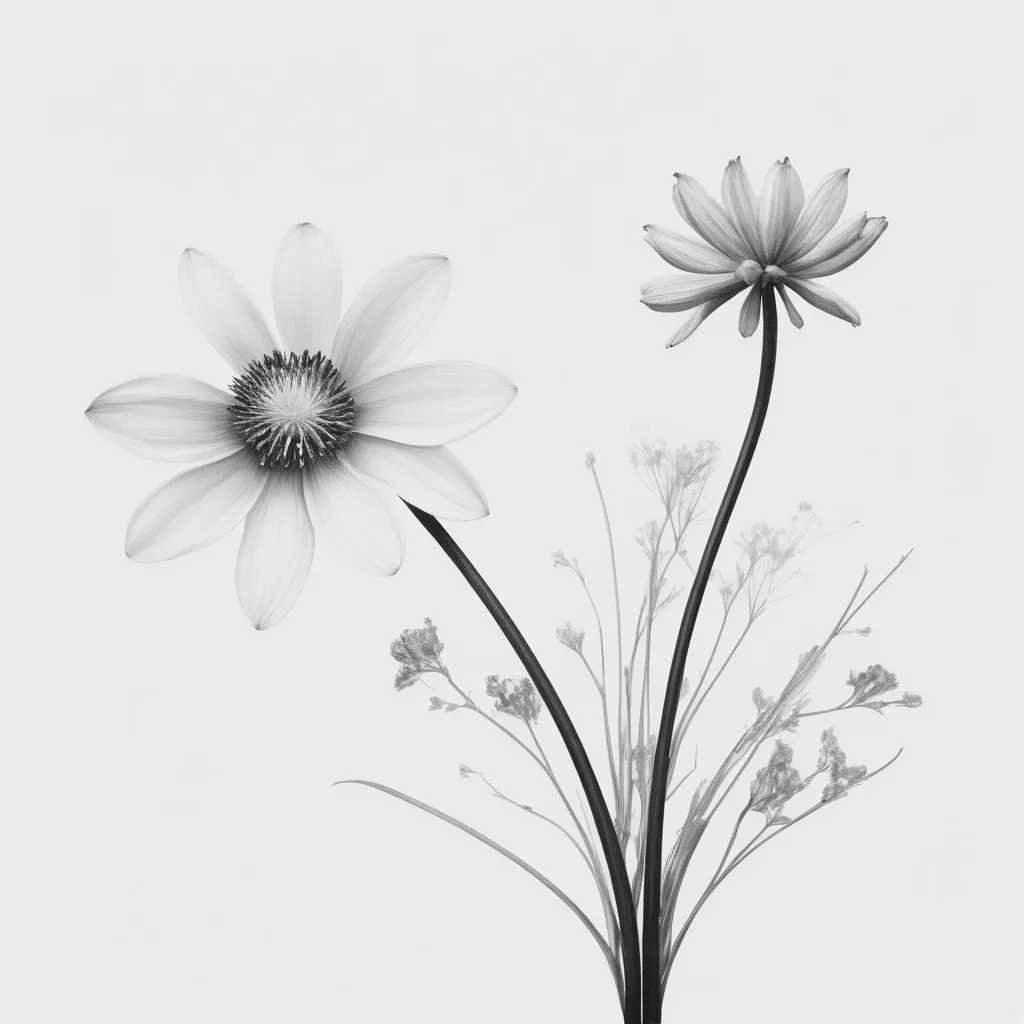
Create a minimalist black and white illustration with the following elements: - A clean layout with ample white space on the left side - A detailed botanical photograph or drawing on the right side (showing a close-up of a flower , seedpod , or plant with fine details) - Elegant handwritten text overlay - Some supporting text in a clean sans-serif font - Subtle design elements like thin dividing lines - A monochromatic palette with strong contrast - A modern , artistic , editorial aesthetic - Minimal pagination/reference numbers at the bottom (like "03/23") - The mood should feel sophisticated , artistic , and slightly vintage ,

A breathtakingly beautiful face that instantly captivates anyone who sees it — flawless porcelain skin , mesmerizing heterochromatic eyes (one deep sapphire blue , the other emerald green) , soft flowing silver-white hair glowing under moonlight , high cheekbones , a delicate nose , and full lips curved into a mysterious smile. Ethereal aura , enchanting presence , surrounded by a soft magical glow. The kind of beauty that makes people fall in love at first sight. Ultra-realistic portrait , cinematic lighting , dreamy atmosphere. ,

"Hyper-realistic dark fantasy portrait of a mysterious woman with porcelain skin and piercing ice-blue eyes , facing the camera with a calm yet intense expression. She wears an elaborate , sculptural headpiece made of coiled black organic fabric or tendrils , seamlessly blending into her long flowing black hair. The entire composition is monochromatic , dominated by deep blacks with soft highlights , creating a dramatic chiaroscuro effect. Her lips are soft pink and slightly parted. The lighting is moody and cinematic , with strong shadows and a soft , focused glow on her face , isolated against a pitch-black background. Intricate details in hair texture , fabric folds , and skin tone. Ultra-detailed , baroque gothic style , 8K , cinematic composition , format 16/9 , high contrast." ,