Explore AI generated designs, images, art and prompts by top community artists and designers.
Genera imágenes en referencia a este texto. My nuclear family is made up of my parents , my sister and me. It is a small circle , but very close and full of contrasts. Then there is the rest of my family , which includes my aunt , my uncle , my grandmother , my great-grandmother and also my great uncle. Although we are united by blood and , in some cases , by certain physical traits , I think that in terms of personality we are quite different from each other. It is interesting to observe how within the same family such opposite ways of being can coexist , as if each one were a world of its own. For example , something that both of us — I mean most of us — share is having light eyes , which comes from my grandmother’s side. It is like a distinctive brand that has passed from generation to generation. My mom has blue eyes , my uncle has green eyes , my aunt also has light eyes , and I have hazel eyes , which although they are not as light as theirs , still count as light eyes and contrast with the darker ones of other family members. Even my sister , who physically looks more like my dad , has darker eyes , so she’s not as light-eyed as I am. But even though we all have similar eyes , that doesn’t mean we’re both pretty alike in personality. When it comes to personality , I think I’m more serious than most of my family members. Some even say I’m the most bitter. I’m not very expressive with my emotions , and I prefer to stay out of things in social situations. My aunt is more cheerful than me — she’s always laughing , making jokes and spreading her energy to everyone. My mom is pretty cheerful too. We’re both pretty quiet when it comes to deeper emotions , but while she shows joy easily , I don’t. I sometimes wonder why I’m so different , but then I see my dad and I realize: we’re both pretty calm and reserved. In that way , I’m more like him than like my mom. My sister and I are very different. She’s more impulsive than me and acts without thinking a lot of the time. She’s flexible about things , but I’m not — I like to think before acting , plan ahead and stay organized , even if I sometimes forget things or don’t do everything perfectly. I always try to be responsible , but she’s not as responsible as I am. She’s carefree in a way I kind of admire , because it gives her a fresh way of being , even if it can be frustrating sometimes. We’re both pretty determined when we want something , but we go about it in totally different ways. Physically , I look more like my mom than anyone else in my family. Both of us are pretty fair-skinned , with curly hair and lighter eyes. My sister and my dad , on the other hand , are not as fair as we are — they both have darker complexions , straight hair and dark eyes. These physical traits really affect how people see us. When we go out as a family , people often say I’m more like my mom , while my sister is more like my dad. It’s almost as if we were two pairs within one family. Interestingly , even though there are big personality differences , sometimes we surprise each other by acting in similar ways. For example , my dad and I are both pretty quiet , but we end up having deep conversations without even planning them. It’s like we share an unspoken bond. My mom and my aunt are more forgiving than me — I’m not as forgiving as they are. They always manage to see the bright side of things. And even my sister , though she’s very impulsive , can sometimes be surprisingly practical in solving problems , while I’d spend a long time overthinking them. There’s also a strong generational contrast. My grandmother is very traditional — she’s not as open-minded as my aunt or my sister , who are more relaxed about modern ways of thinking. My great-grandmother is even more old-fashioned , and listening to her talk about the past really shows how much life has changed. We’re both pretty respectful of her experiences , even if we don’t always agree. These differences in age and mindset help us grow — we learn from each other even when we see things differently. In conclusion , even though we share a family history , physical features and blood ties , our personalities are full of contrast. Both of us — meaning all of us — share some similarities , like eye color or family habits , but I think I’m more serious , more structured and less flexible than others in my family. And I like that. The variety of personalities in my family makes us stronger , because each person brings something different , something unique that completes the rest. ,

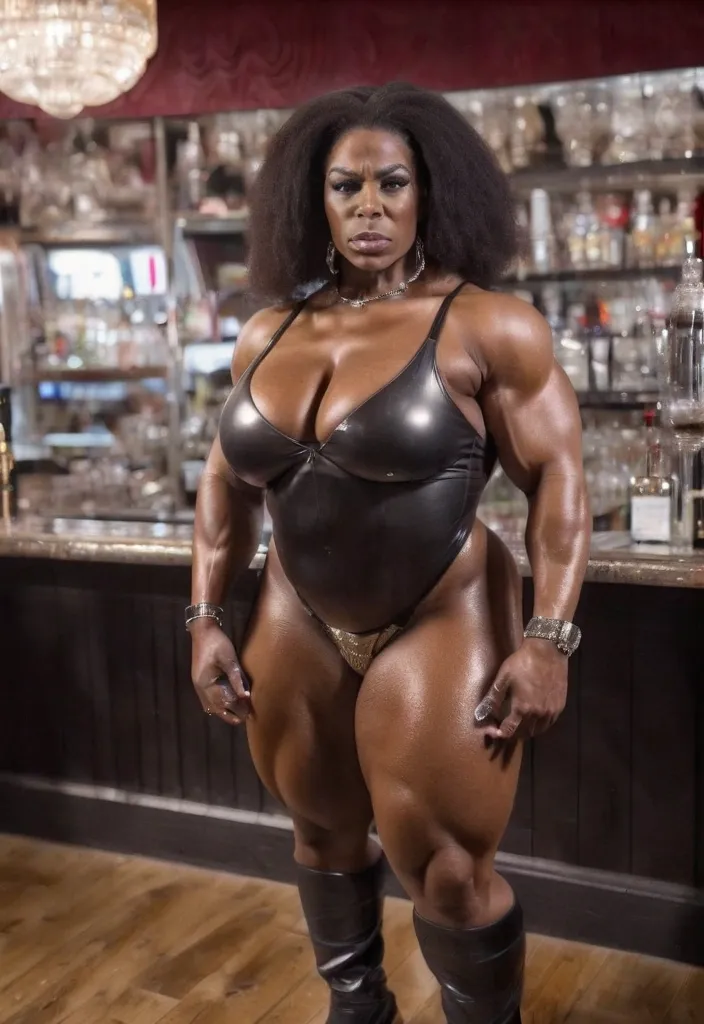
Appearance: inside of the "Derby - Bar & Restaurant" , The bartender is a stout and robust Dwarf , a natural fit for the role with their love of a good drink and merriment. Standing behind the bar with a barrel chest and muscular arms , they exude an air of confidence and competence. Their thick , braided beard is impeccably groomed , and their fiery red hair matches the gleam in their eyes. Despite their short stature , they carry themselves with pride and authority , ensuring that the tavern runs smoothly. Features: This Dwarf bartender is an expert in the art of brewing and mixing drinks , boasting an impressive knowledge of beverages from all corners of the realm. They take pride in their craft and are eager to share their expertise with curious patrons. Their boisterous laughter can be heard throughout the establishment , setting the tone for a lively and convivial atmosphere. Habitat: This Dwarf bartender can be found in renowned taverns across the land , often in the heart of bustling cities or near mines and trade routes where Dwarves congregate. They may run an alehouse famous for its signature brew or manage an inn that welcomes travelers from near and far. In your DND world , this Dwarf bartender might be part of a close-knit Dwarven community or one of the few Dwarves venturing outside their mountain homes. Behavior: True to their Dwarven heritage , this bartender is hardworking , reliable , and fiercely loyal to their patrons. THE Derby - Bar & Restaurant values tradition and history , always eager to regale customers with tales of legendary heroes or the exploits of their ancestors. Their hearty demeanor and ability to hold their liquor make them the perfect drinking companions for those seeking camaraderie and mirth. Role in the World: In your DND world , this Dwarf bartender embodies the spirit of celebration and unity. They serve as a symbol of the joys of life , bringing people together to share stories and forge new friendships. Adventurers may find solace in their familiar presence , knowing that even in the farthest reaches of the realm , they can always find a friendly face in this Dwarf tavernkeeper. Encountering a Dwarf bartender in your campaign can be a delightful and memorable experience for players. It provides an opportunity to explore the rich cultural traditions of Dwarves and appreciate the sense of community and kinship they foster. The interactions with this lively bartender can lead to jovial role-playing moments , creating a sense of camaraderie among the players and their characters. The presence of a Dwarf bartender in your campaign world adds depth and authenticity to the portrayal of Dwarven culture. It showcases the Dwarves' love of craftsmanship , storytelling , and hearty revelry , painting a vivid picture of a race known for their lively spirits and strong bonds. This NPC can become a cherished and endearing character in your DND campaign , making the tavern they run a beloved location where players can find respite and warmth amidst the adventures that lie ahead. ,

# Employee Growth ## 1. Introduction This document outlines the UI/UX requirements for a website that monitors employee growth in software engineering companies. The platform will enable employees to track their competencies , team leaders to manage their team’s development , and SuperAdmins to oversee competency standards and book recommendations. ### **Target Audience** - **Employees**: View their competency matrix , track progress , and participate in 1:1 meetings. - **Team Leaders**: Manage their team’s competency growth , schedule 1:1 meetings , and provide guidance. - **SuperAdmins**: Manage competencies , approve book recommendations , and oversee system-wide progress. ### **Key Goals** - Provide a structured competency matrix. - Enable employees to track and improve their skills. - Facilitate team leaders in managing and mentoring their team members. - Allow SuperAdmins to maintain and update the competency framework. ## 2. User Roles and Permissions ### **Employee** - View personal competency matrix. - Track progress and assigned competencies. - Suggest book chapters for competencies. - Participate in 1:1 meetings. ### **Team Leader** - View and manage team members' competency progress. - Assign competencies to team members for improvement. - Conduct 1:1 meetings and maintain notes. - Participate in 1:1 meetings with upper management. ### **SuperAdmin** - Add and manage competencies. - Assign recommended books and chapters to competencies. - Approve or reject suggested book chapters from employees. - Oversee system-wide competency progress. ## 3. Core Features & Pages ### **1. Login Page** - Username and password authentication. - Role-based redirection (Employee , Team Leader , SuperAdmin). ### **2. Main Page - Competency Matrix** - Displays all available competencies. - Clickable competencies to view details. ### **3. Engineer Page (Dashboard)** - Charts displaying progress in current role. - Percentage completion of competencies required for the next level. ### **4. Team Page (For Team Leaders)** - List of engineers under management. - Overview of each engineer’s competencies and their current focus areas. ### **5. 1:1 Meetings Page(optional)** - List of scheduled and past 1:1 meetings. - Notepad feature for meeting notes. - History of past competencies assigned and progress. ### **6. SuperAdmin Competency Management** - Add , edit , or remove competencies. - Assign recommended book chapters. - Review and approve book suggestions from users. ## 4. User Flow 1. User logs in. 2. Employees navigate to their competency matrix. 3. Team leaders access the team page to monitor and assign competencies. 4. Employees and team leaders conduct 1:1 meetings. 5. SuperAdmins manage competencies and book recommendations. ## 5. Design & Style Guidelines - **Primary Color**: To be specified. - **UI Style**: Clean , modern , and intuitive. - **Typography**: Readable font with sufficient spacing. ## 6. Data & Metrics - Competency scores (1-5 scale) displayed in charts. - Overall role mastery percentage. - Historical competency trends. ## 7. Interaction & Feedback (Optional) - Clickable competencies with tooltips and descriptions. - Notifications for assigned competencies. - Confirmation prompts for major actions. ,

# Employee Growth ## 1. Introduction This document outlines the UI/UX requirements for a website that monitors employee growth in software engineering companies. The platform will enable employees to track their competencies , team leaders to manage their team’s development , and SuperAdmins to oversee competency standards and book recommendations. ### **Target Audience** - **Employees**: View their competency matrix , track progress , and participate in 1:1 meetings. - **Team Leaders**: Manage their team’s competency growth , schedule 1:1 meetings , and provide guidance. - **SuperAdmins**: Manage competencies , approve book recommendations , and oversee system-wide progress. ### **Key Goals** - Provide a structured competency matrix. - Enable employees to track and improve their skills. - Facilitate team leaders in managing and mentoring their team members. - Allow SuperAdmins to maintain and update the competency framework. ## 2. User Roles and Permissions ### **Employee** - View personal competency matrix. - Track progress and assigned competencies. - Suggest book chapters for competencies. - Participate in 1:1 meetings. ### **Team Leader** - View and manage team members' competency progress. - Assign competencies to team members for improvement. - Conduct 1:1 meetings and maintain notes. - Participate in 1:1 meetings with upper management. ### **SuperAdmin** - Add and manage competencies. - Assign recommended books and chapters to competencies. - Approve or reject suggested book chapters from employees. - Oversee system-wide competency progress. ## 3. Core Features & Pages ### **1. Login Page** - Username and password authentication. - Role-based redirection (Employee , Team Leader , SuperAdmin). ### **2. Main Page - Competency Matrix** - Displays all available competencies. - Clickable competencies to view details. ### **3. Engineer Page (Dashboard)** - Charts displaying progress in current role. - Percentage completion of competencies required for the next level. ### **4. Team Page (For Team Leaders)** - List of engineers under management. - Overview of each engineer’s competencies and their current focus areas. ### **5. 1:1 Meetings Page(optional)** - List of scheduled and past 1:1 meetings. - Notepad feature for meeting notes. - History of past competencies assigned and progress. ### **6. SuperAdmin Competency Management** - Add , edit , or remove competencies. - Assign recommended book chapters. - Review and approve book suggestions from users. ## 4. User Flow 1. User logs in. 2. Employees navigate to their competency matrix. 3. Team leaders access the team page to monitor and assign competencies. 4. Employees and team leaders conduct 1:1 meetings. 5. SuperAdmins manage competencies and book recommendations. ## 5. Design & Style Guidelines - **Primary Color**: To be specified. - **UI Style**: Clean , modern , and intuitive. - **Typography**: Readable font with sufficient spacing. ## 6. Data & Metrics - Competency scores (1-5 scale) displayed in charts. - Overall role mastery percentage. - Historical competency trends. ## 7. Interaction & Feedback (Optional) - Clickable competencies with tooltips and descriptions. - Notifications for assigned competencies. - Confirmation prompts for major actions. ,

# Employee Growth ## 1. Introduction This document outlines the UI/UX requirements for a website that monitors employee growth in software engineering companies. The platform will enable employees to track their competencies , team leaders to manage their team’s development , and SuperAdmins to oversee competency standards and book recommendations. ### **Target Audience** - **Employees**: View their competency matrix , track progress , and participate in 1:1 meetings. - **Team Leaders**: Manage their team’s competency growth , schedule 1:1 meetings , and provide guidance. - **SuperAdmins**: Manage competencies , approve book recommendations , and oversee system-wide progress. ### **Key Goals** - Provide a structured competency matrix. - Enable employees to track and improve their skills. - Facilitate team leaders in managing and mentoring their team members. - Allow SuperAdmins to maintain and update the competency framework. ## 2. User Roles and Permissions ### **Employee** - View personal competency matrix. - Track progress and assigned competencies. - Suggest book chapters for competencies. - Participate in 1:1 meetings. ### **Team Leader** - View and manage team members' competency progress. - Assign competencies to team members for improvement. - Conduct 1:1 meetings and maintain notes. - Participate in 1:1 meetings with upper management. ### **SuperAdmin** - Add and manage competencies. - Assign recommended books and chapters to competencies. - Approve or reject suggested book chapters from employees. - Oversee system-wide competency progress. ## 3. Core Features & Pages ### **1. Login Page** - Username and password authentication. - Role-based redirection (Employee , Team Leader , SuperAdmin). ### **2. Main Page - Competency Matrix** - Displays all available competencies. - Clickable competencies to view details. ### **3. Engineer Page (Dashboard)** - Charts displaying progress in current role. - Percentage completion of competencies required for the next level. ### **4. Team Page (For Team Leaders)** - List of engineers under management. - Overview of each engineer’s competencies and their current focus areas. ### **5. 1:1 Meetings Page(optional)** - List of scheduled and past 1:1 meetings. - Notepad feature for meeting notes. - History of past competencies assigned and progress. ### **6. SuperAdmin Competency Management** - Add , edit , or remove competencies. - Assign recommended book chapters. - Review and approve book suggestions from users. ## 4. User Flow 1. User logs in. 2. Employees navigate to their competency matrix. 3. Team leaders access the team page to monitor and assign competencies. 4. Employees and team leaders conduct 1:1 meetings. 5. SuperAdmins manage competencies and book recommendations. ## 5. Design & Style Guidelines - **Primary Color**: To be specified. - **UI Style**: Clean , modern , and intuitive. - **Typography**: Readable font with sufficient spacing. ## 6. Data & Metrics - Competency scores (1-5 scale) displayed in charts. - Overall role mastery percentage. - Historical competency trends. ## 7. Interaction & Feedback (Optional) - Clickable competencies with tooltips and descriptions. - Notifications for assigned competencies. - Confirmation prompts for major actions. ,

Crie um desenho de tatuagem realista e criativo para o peitoral de um homem , representando um ser humano com traços angelicais. A figura deve ter asas abertas , detalhadas e majestosas , com penas que transmitam movimento e leveza. O rosto do ser humano deve ter uma expressão serena e celestial , combinando traços humanos com elementos divinos , como luzes suaves irradiando ao redor da cabeça , semelhante a um halo. As asas devem se integrar harmoniosamente ao corpo , começando nas costas e se expandindo para os lados , ocupando toda a extensão do peitoral. Use um estilo artístico misto , com traços finos e sombreamentos realistas para dar profundidade e textura à imagem. Evite cores; o design deve ser em preto e cinza , ideal para uma tatuagem. Adicione detalhes simbólicos , como símbolos de espiritualidade ou proteção discretamente integrados ao desenho , mantendo o foco na beleza e no equilíbrio da composição ,

Crie um desenho de tatuagem realista e criativo para o peitoral de um homem , representando um ser humano com traços angelicais. A figura deve ter asas abertas , detalhadas e majestosas , com penas que transmitam movimento e leveza. O rosto do ser humano deve ter uma expressão serena e celestial , combinando traços humanos com elementos divinos , como luzes suaves irradiando ao redor da cabeça , semelhante a um halo. As asas devem se integrar harmoniosamente ao corpo , começando nas costas e se expandindo para os lados , ocupando toda a extensão do peitoral. Use um estilo artístico misto , com traços finos e sombreamentos realistas para dar profundidade e textura à imagem. Evite cores; o design deve ser em preto e cinza , ideal para uma tatuagem. Adicione detalhes simbólicos , como símbolos de espiritualidade ou proteção discretamente integrados ao desenho , mantendo o foco na beleza e no equilíbrio da composição ,

In the center of the plot is a story about how important it is to preserve the childlike spontaneity and the ability to wonder at the world. The main character is faced with a choice: take a chance and explore the world or stay in a stable present. At the railway station , among many people , our hero meets a boy with a kite. This moment becomes a turning point in his life , sending him back to the past , to his childhood memories. He becomes small again in order to relive those moments that are so easily lost in the hustle and bustle of adulthood. The play "When I'm Little Again" is a touching story about how every adult can find a child in their heart and return to the world of childhood. It's a reminder of how important sincerity , curiosity , and the ability to enjoy small things are. ,

UI/UX design for a virtual memorial with a focus on remembrance and honoring loved ones. Soft gradient backgrounds with white and pastel elements. Elegant design with minimalistic card-style profiles that show personal information , quotes , and multimedia elements. Navigation should be clear , with a special section for visitor messages. Create an interface for easy access via QR codes on gravestones. Include soothing animations like floating candles or gentle moving background elements to enhance the emotional connection. ,

UX/UI design for a virtual memorial website , featuring minimalist and serene aesthetic. The homepage includes a soft color palette with elegant typography. There is a prominent search bar for accessing profiles and a section for recent tributes. Profiles should be easy to navigate with profile pictures , a bio section , and multimedia content like videos and photos. The layout should be clean , calming , and user-friendly with intuitive icons and buttons. Include elements like a digital candle or flower icons for honoring loved ones ,

Uma ilustração vibrante e inspiradora em comemoração ao Dia Internacional da Mulher. A imagem apresenta um grupo diversificado de mulheres , representando diferentes etnias , idades , corpos e habilidades. Elas usam trajes heroicos estilizados com elementos dourados e vermelhos , simbolizando força e determinação. Juntas , elas se posicionam com expressões confiantes e posturas poderosas contra um céu iluminado com tons suaves e nuvens delicadas. Acima do grupo , um arco de estrelas vermelhas destaca a figura central , transmitindo a mensagem de unidade e empoderamento. Na parte inferior da ilustração , uma mensagem elegante em vermelho diz: "Feliz Dia das Mulheres! 8 de março." O conjunto visual celebra a ideia de que toda mulher é uma heroína à sua maneira. ,

Diseñador Gráfico vs. Diseñador UI: Dos caras de la misma moneda El diseñador gráfico y el diseñador UI (Interfaz de Usuario) comparten un mismo objetivo: crear algo visualmente atractivo. Pero mientras el diseñador gráfico se enfoca en la narrativa visual y la identidad de una marca , el diseñador UI se sumerge en la funcionalidad y la interacción. El diseñador gráfico trabaja con colores , tipografías y composiciones que cuentan historias y evocan emociones. Su labor es artística , pero también estratégica , ya que debe comunicar un mensaje claro y memorable. Por otro lado , el diseñador UI se concentra en cómo los usuarios interactúan con un producto digital. Su trabajo es más técnico , centrado en la usabilidad , la consistencia y la eficiencia. Aunque sus enfoques son diferentes , ambos roles se complementan. Un buen diseño gráfico puede atraer a un usuario , pero es la interfaz bien diseñada la que lo mantiene engaged. La clave está en la colaboración: cuando el diseñador gráfico y el diseñador UI trabajan juntos , el resultado es una experiencia visualmente impactante y funcionalmente impecable. ,

1. Central Character – Dogman: A humanoid dog with cyberpunk aesthetics. Glowing neon blue or purple Solana-themed armor. Cool sunglasses or a visor with digital numbers reflecting a price breakout. Holding a Solana coin or standing in front of a floating one. 2. Background – Futuristic Crypto City: A neon-lit cityscape with holographic billboards. Blockchain elements , like Solana logos and smart contract lines running through the air. A digital trading chart showing a massive breakout (candlestick chart moving upward). 3. Text & Branding: "1 Million Breakout Incoming" in bold , stylized font (neon or glitch effect). Solana logo integrated into the scene. Optional: A tagline like "The Next Big Memecoin is Here!" or "Dogman to the Moon!" 4. Additional Details for Eye-Catching Appeal: Coins flying around (representing financial success). Laser grid floor to emphasize a sci-fi vibe. Lightning bolts or energy waves around Dogman for power effects. Create image ,

A captivating , realistic photo of an old house by the sea with a charming porch , bathed in the warm , golden light of the sunset. The scene radiates intimacy and peacefulness. A tall , athletic man with short light blonde hair , wearing faded gray jeans and a simple gray t-shirt , holds a guitar (viola) loosely in one hand. He stands a little apart from a woman , shorter than him , with long , wavy brown hair flowing in the soft breeze. She wears a flowing , short summer dress that catches the light , and in her arms rests a baby wrapped in a delicate pink blanket. The woman gazes at the man with deep affection , her face soft with love and tranquility. The sunlight wraps around them , illuminating their faces and the house behind , which has an old , rustic charm. The ocean is visible in the distance , with its soft waves matching the calmness of the moment. The man and woman , though physically distant , share an undeniable connection , captured in their gazes and the subtle body language. The guitar , casually held by the man , adds an artistic and nostalgic touch , as if it represents both the present moment and the memories they've shared. The backdrop of the porch , the ocean , and the sunset creates a picture-perfect scene of love , warmth , and family. ,

The theme is Qingming Festival , and the main colors of the picture are light green and white , creating a fresh , solemn , and slightly melancholic atmosphere. The entire scene , through the combination of natural scenery and cultural elements , vividly portrays the connotation of the traditional festival of Qingming Festival , triggering viewers' profound thoughts on life and death , while also conveying their remembrance and respect for the deceased. ,

create an image... sleek business card design for a memory foam company , modern typography , soft colors with calming tones , showcasing the luxury and comfort of polyurethane memory foam , delicate textures , minimalist layout , high-quality materials illustration , eye-catching logo positioned prominently , elegant and professional aesthetic , emphasis on innovation and quality craftsmanship , suitable for upscale branding , stylish presentation , inviting feel , ultra-detailed and visually appealing , effective for marketing purposes. ,